Plizio Visual Lab
Santo António
ℹ️Practical info — Santo António
▾
🌤 Weather — 5 days
📍 Nearby
Sights nearby
💡 Tips
- In the smallest city in the world, 'Leve-Leve' is the law; don't expect fast service, instead enjoy the calm.
- The dry season from June to September (Gravana) is the best time for exploring the surroundings.
- In smaller restaurants, it's often best to order your dinner in the morning to ensure fresh ingredients are used.
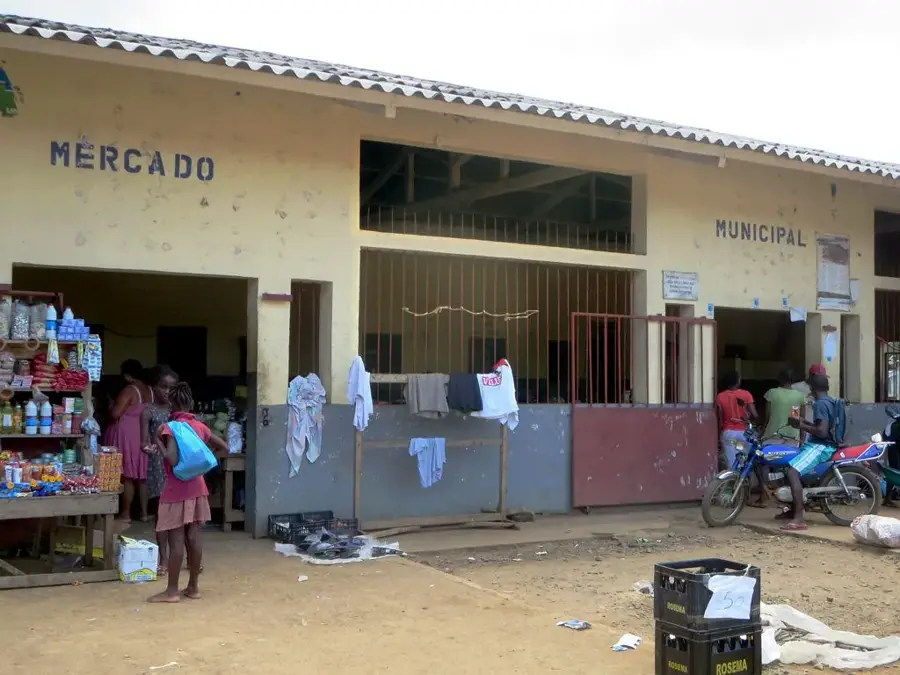
- Euros are accepted in larger establishments, but for the market, you should have Dobras ready.
- Rent a bicycle or explore the town on foot to fully soak up the charm of time standing still.
🍽 Food
A local staple on Príncipe, perfectly prepared in almost every local eatery.
Famous for authentic local flavors, especially grilled fish and octopus.
Widely considered the best restaurant in town, offering refined local and international dishes.
🛍 Shopping · 🧘 Quiet spots
High-quality, handmade coconut oil soaps from the local cooperative.
The heart of the town for fresh tropical fruits, spices, and woven hats.
Unique jewelry made from recycled glass by the Roça Porto Real cooperative.
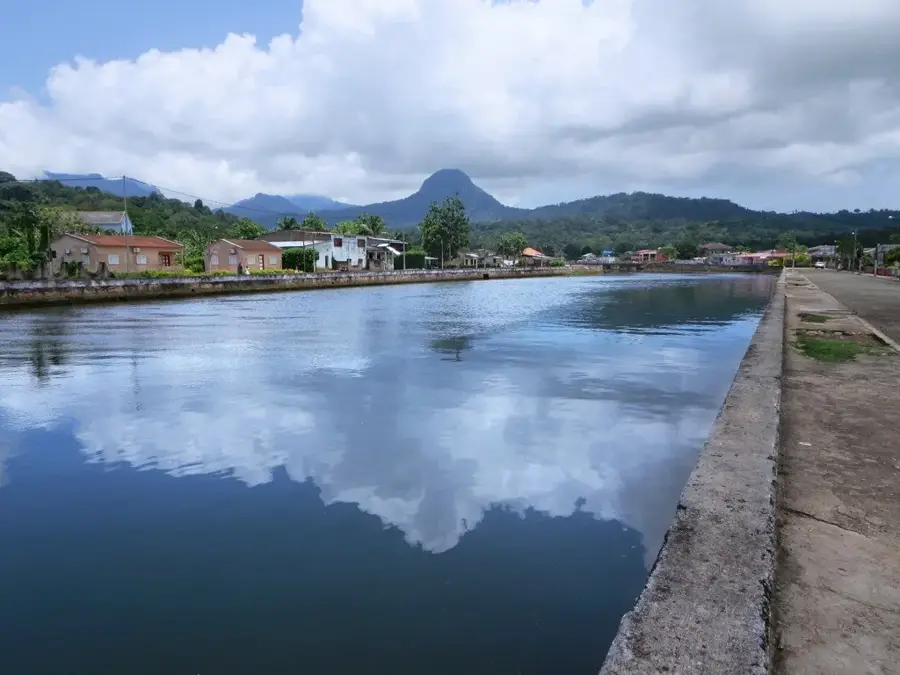
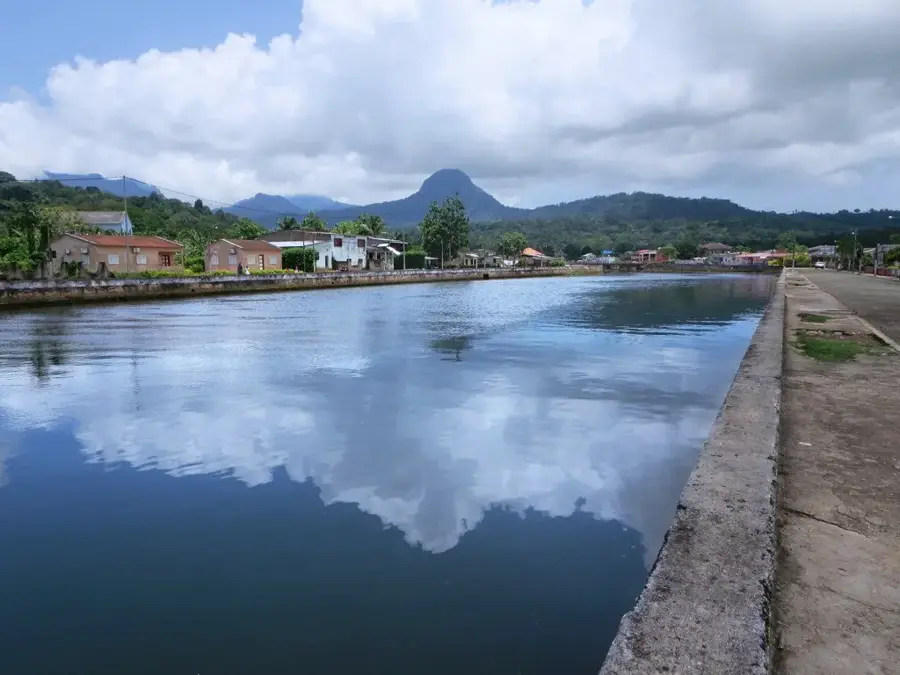
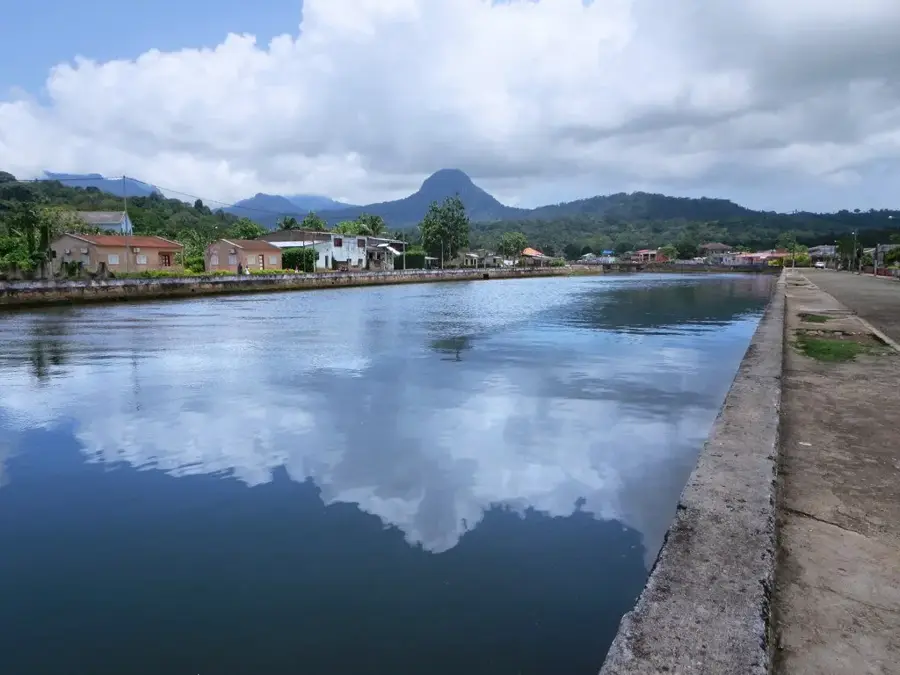
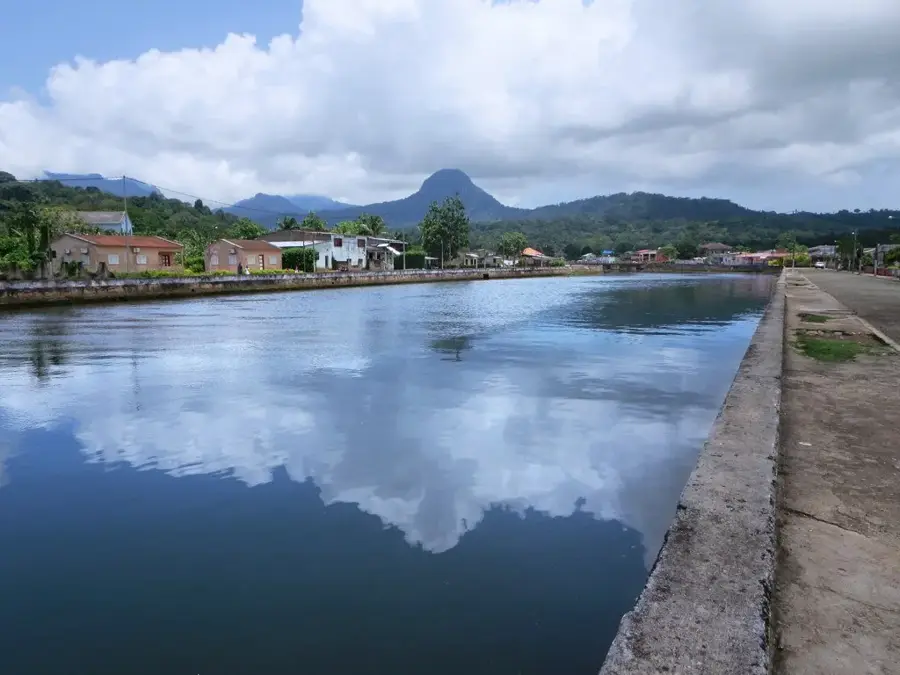
A peaceful spot for a walk while the water flows gently past the town.
A 45-minute hike leads to this serene cascade in the rainforest.
Has a spectacular, quiet vista of the 'Bay of Needles'.
Water temperature…
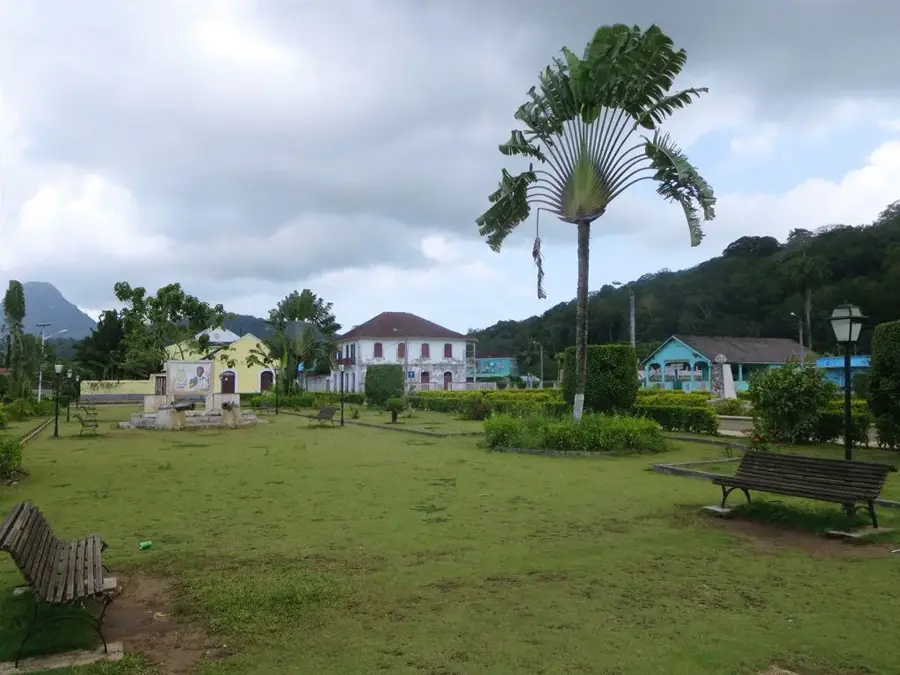
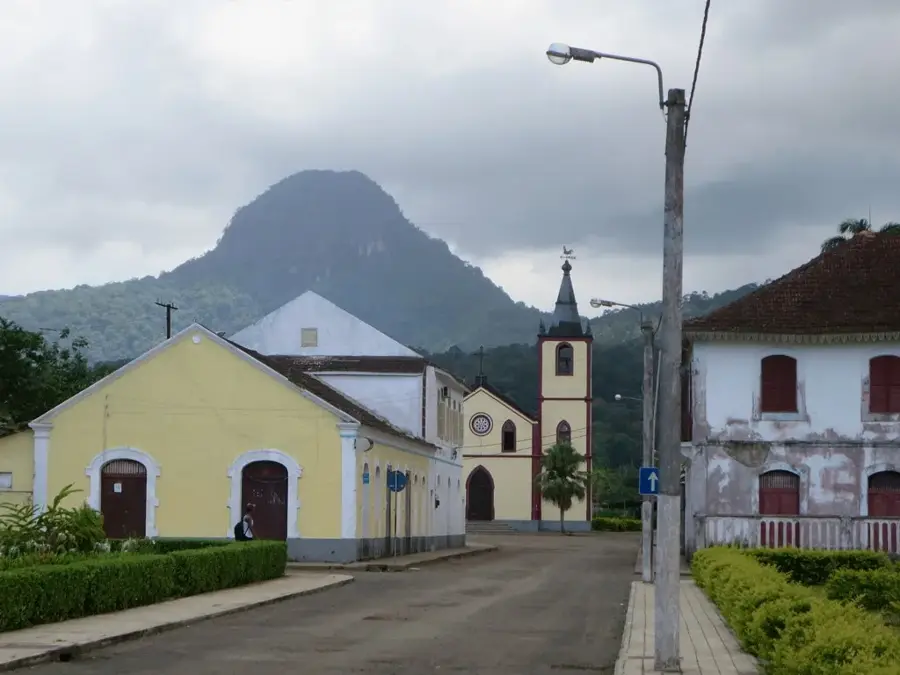
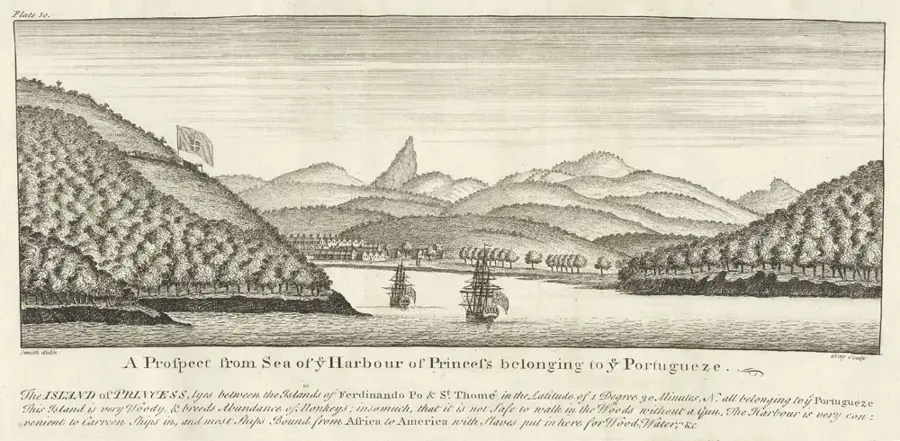
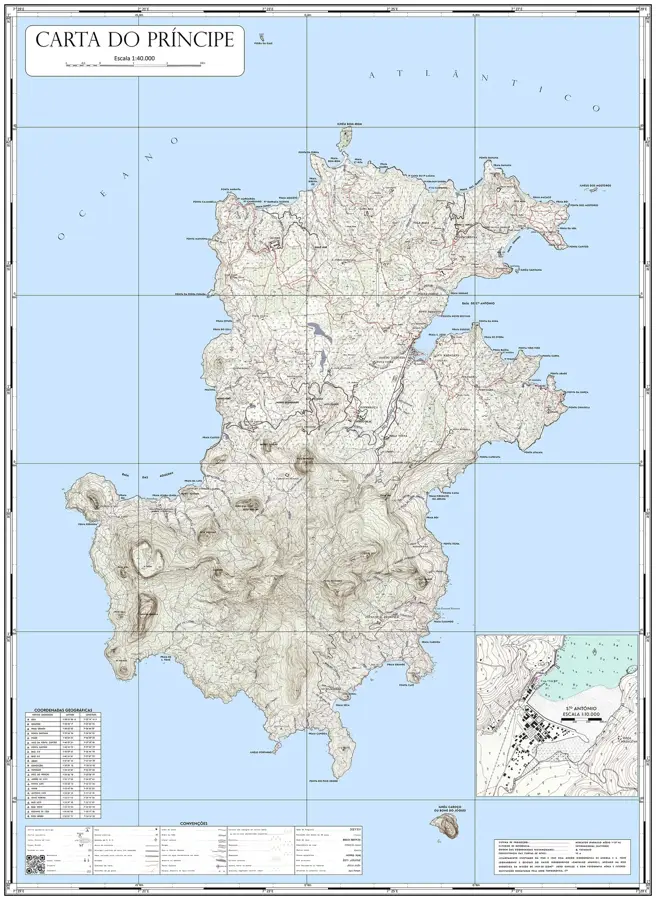
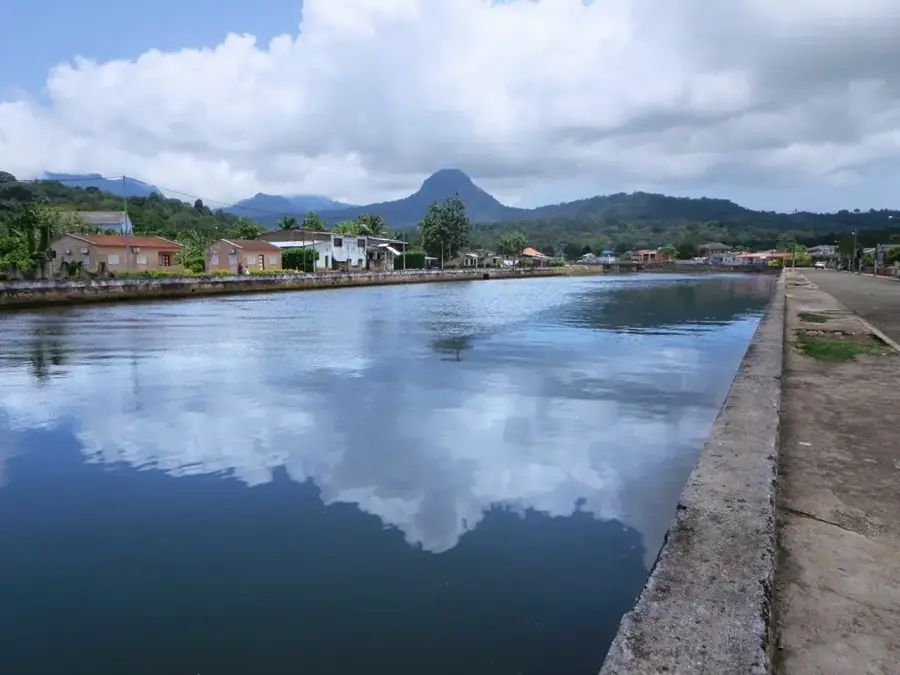
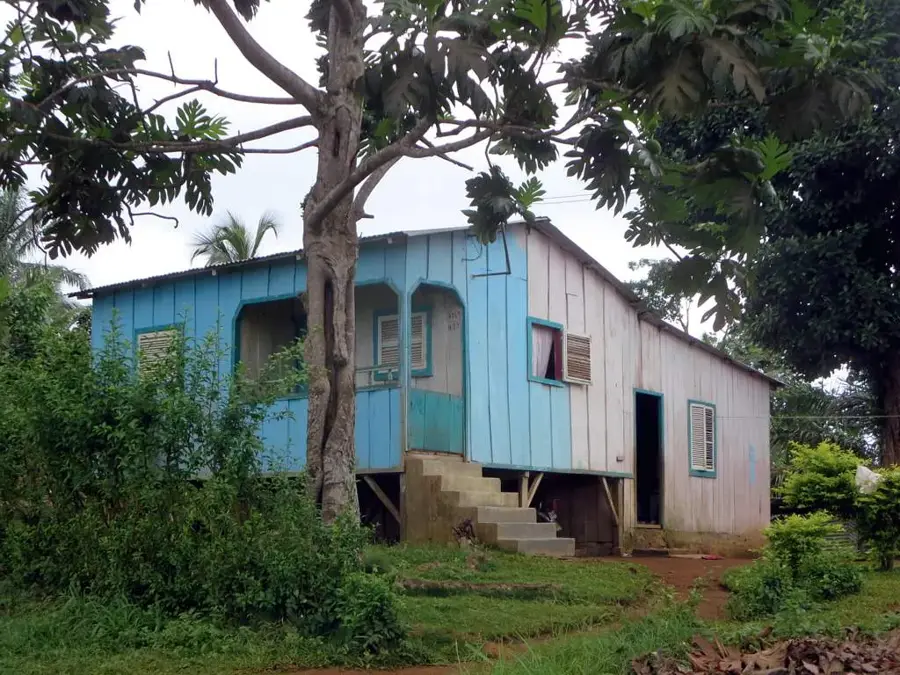
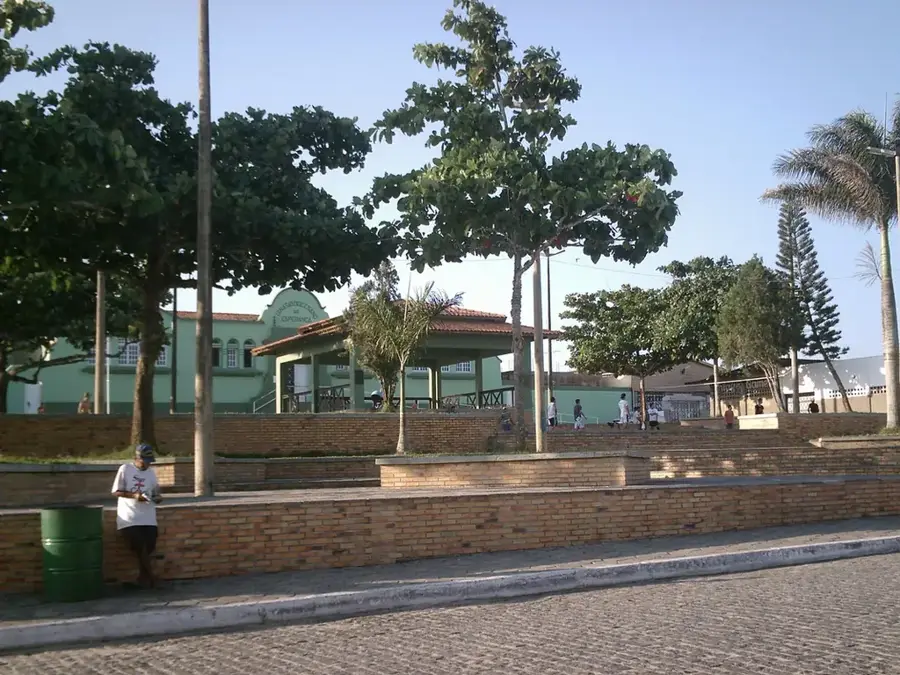
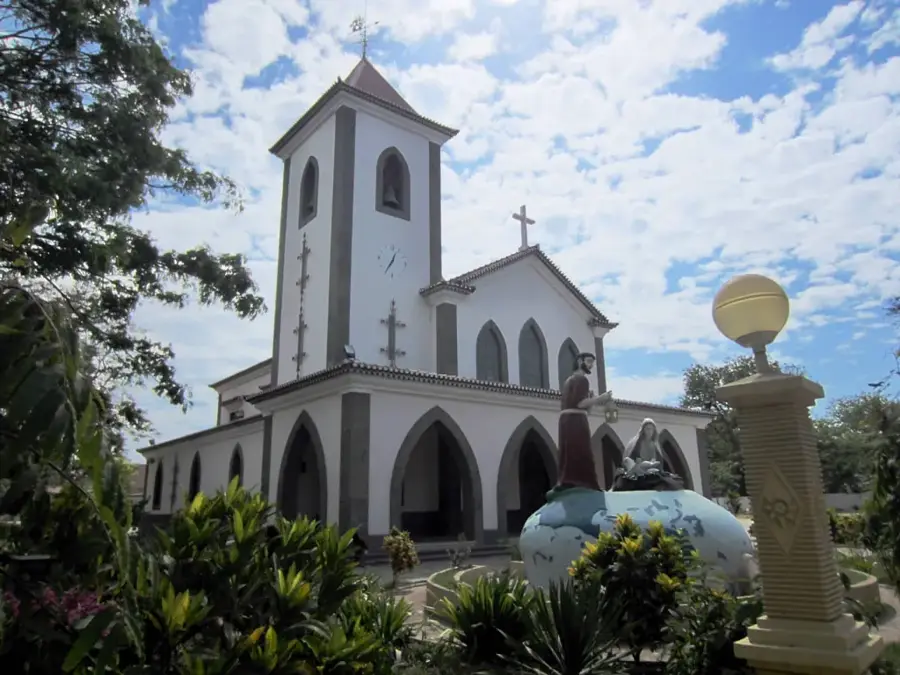
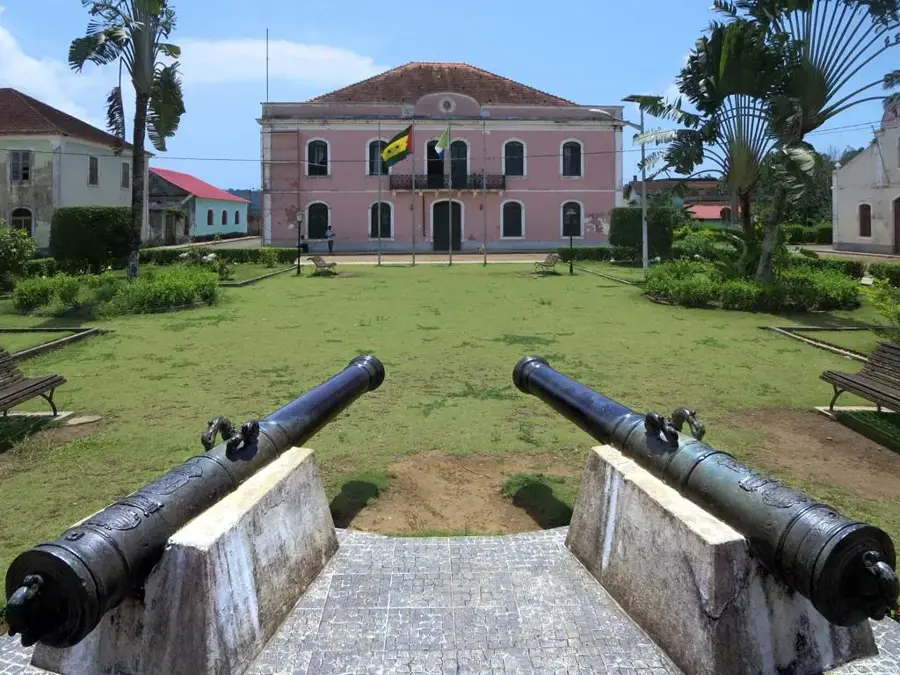
Santo António is the capital of the autonomous region of Príncipe and, with only about 1,500-2,000 inhabitants, one of the smallest capitals in the world. It sits on the eastern bank of the Papagaio (or Palhota) River near the island's northeastern coast and was founded in 1502 as the second Portuguese settlement in the Gulf of Guinea, making it older than many European-founded capitals in the Americas. Until 1852, Santo António was even the capital of the entire island state of São Tomé and Príncipe before the administration was moved to São Tomé. The townscape is still defined by low, colorful wooden houses, a plain white 16th-century parish church, an old fort and the small harbor. Santo António is the seat of the autonomous region's government and the center for the protection of the Príncipe UNESCO Biosphere Reserve, which covers the entire island. Despite its small size, an independent cultural life thrives here with Creole music, local Tchiloli theater and field work as the daily rhythm.
- Location: São Tomé & Príncipe
- Top sights: Miradouro Terreiro Velho · Pico Papagaio
- Nearby: Terreiro Velho (4 km)
- Population: ~1.156 (2026)
Best time to visit & climate
The most pleasant time to visit is Jun–Aug.
| Jan | Feb | Mar | Apr | May | Jun | Jul | Aug | Sep | Oct | Nov | Dec | |
|---|---|---|---|---|---|---|---|---|---|---|---|---|
| Avg °C | 27 | 28 | 28 | 28 | 27 | 26 | 25 | 25 | 26 | 26 | 27 | 27 |
| Rain mm | 141 | 136 | 205 | 202 | 175 | 75 | 40 | 37 | 98 | 226 | 232 | 155 |
Geography
Facts
- Santo António was founded in 1502 and is the oldest settlement center on the island.
- The town was the capital of the entire colony of São Tomé and Príncipe from 1753 to 1852.
- It is located at the mouth of the Palhota River in the Gulf of Guinea.
- The Church of Nossa Senhora da Conceição is one of the town's most distinctive buildings.
- Santo António is the seat of the government of the Autonomous Region of Príncipe.
- In 2012, the entire island of Príncipe, including the town, was declared a UNESCO Biosphere Reserve.
Explore nearby
Notable places around
Route planner — Car & Motorhome
Where do you start? We build the route here, with stops and country notes along the way.
© OpenStreetMap contributors · OpenRouteService
Sights in the town Santo António (2)
Frequently asked questions
What can you see in Santo António?
How much time should I allow for the visit?
When is the best time to visit?
Is the place family-friendly?
What is the best way to get there?
Santo António: where is it located?
Santo António: what is there to see?
Santo António: when is the best time to visit?
Santo António: why is it worth visiting?

Nearby cities

History & landmarks
More places