Plizio Visual Lab
São Tomé
ℹ️Practical info — São Tomé
▾
🌤 Weather — 5 days
📍 Nearby
Sights nearby
💡 Tips
- The local currency is the Dobra. Bring plenty of cash or euros to exchange, as international credit cards are rarely accepted.
- Embrace the 'leve leve' (take it easy) lifestyle; service in restaurants and transport operates at a very relaxed, unhurried pace.
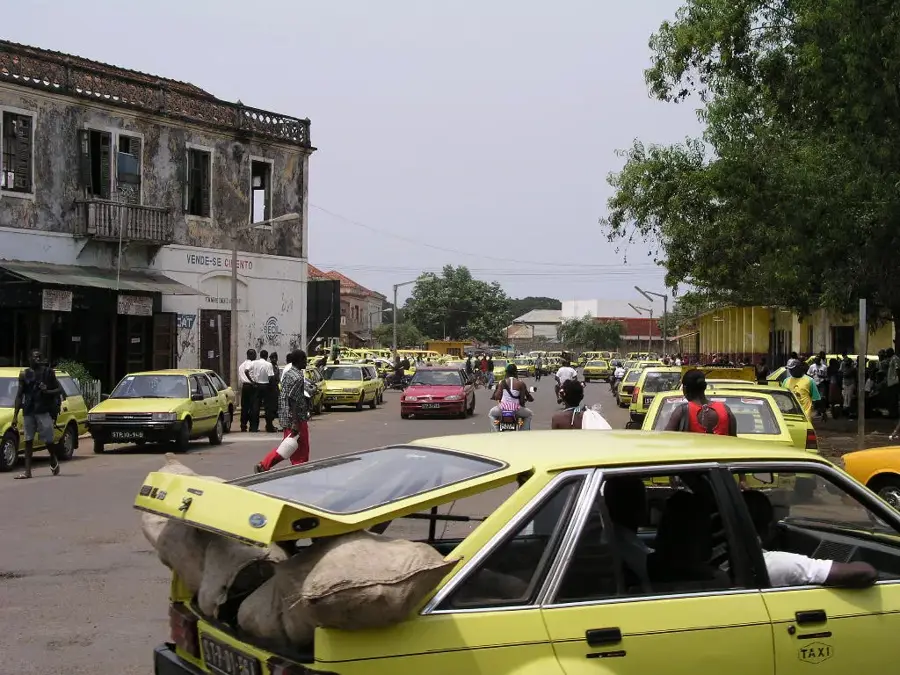
- Motorcycle taxis are a common and affordable way to get around the city, but always agree on the fare before hopping on.
- Be prepared for sudden tropical downpours; carrying a lightweight rain jacket or umbrella is always a good idea.
🍽 Food
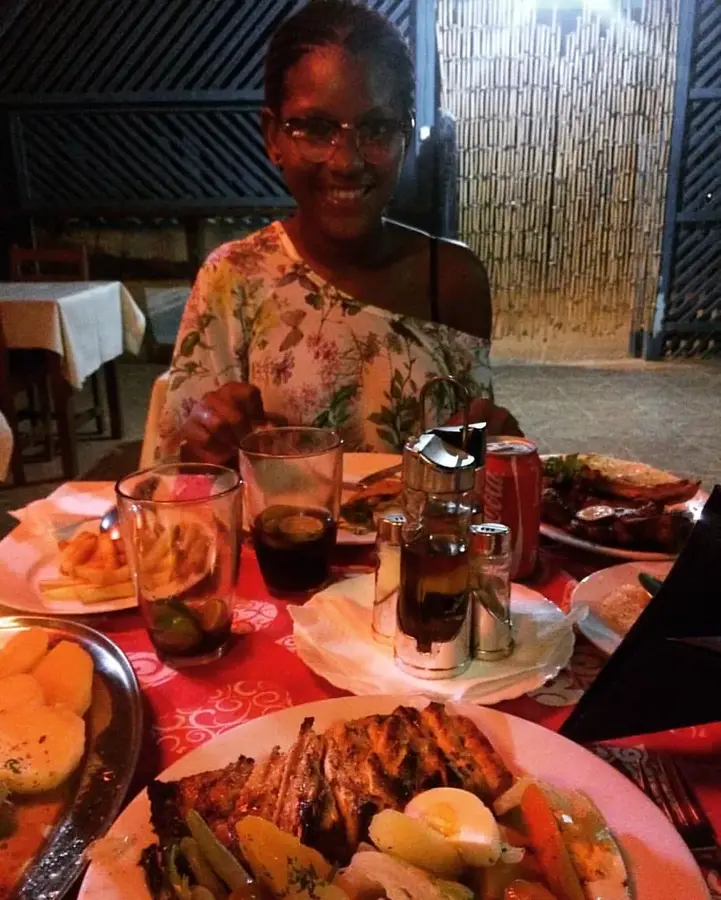
Try this traditional, slow-cooked stew made with fresh or smoked fish, herbs, and vegetables at local riverside or coastal shacks.
Visit the Claudio Corallo factory shop near the waterfront to taste some of the finest, purest chocolate produced from local cacao.
Head to small beachside eateries near Praia Lagarto for freshly caught fish, typically served with fried plaintains.
🛍 Shopping · 🧘 Quiet spots
Explore the bustling central market for fresh tropical fruits, spirited local spices, and an authentic slice of daily life.
Look for small artisan stalls near the main square selling hand-carved wooden figures and traditional woven baskets.
Wander around the grounds of this historic fort for peaceful ocean views and a quiet glimpse into the island's colonial past.
A serene strip of beach just outside the city center, excellent for a quiet morning walk along the coastline.
Water temperature…
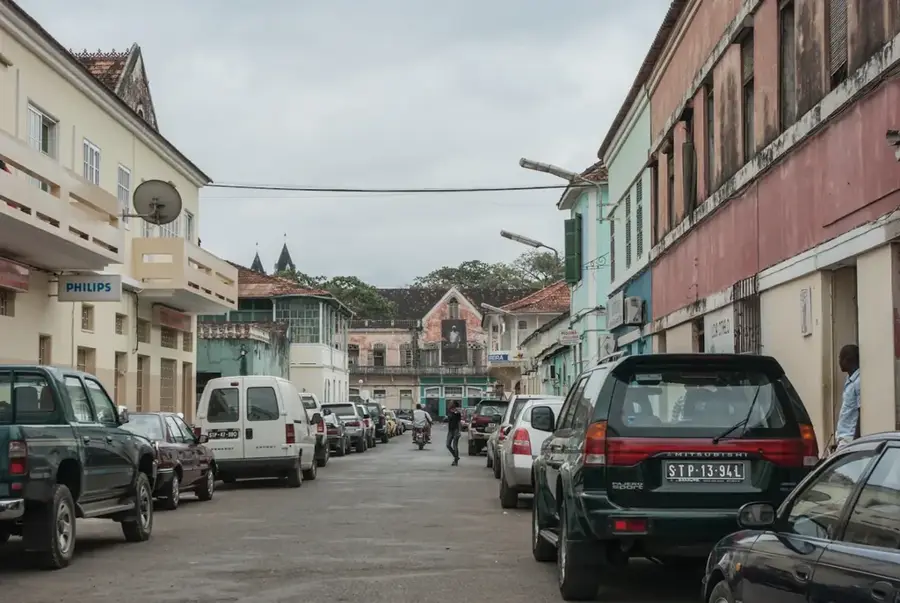
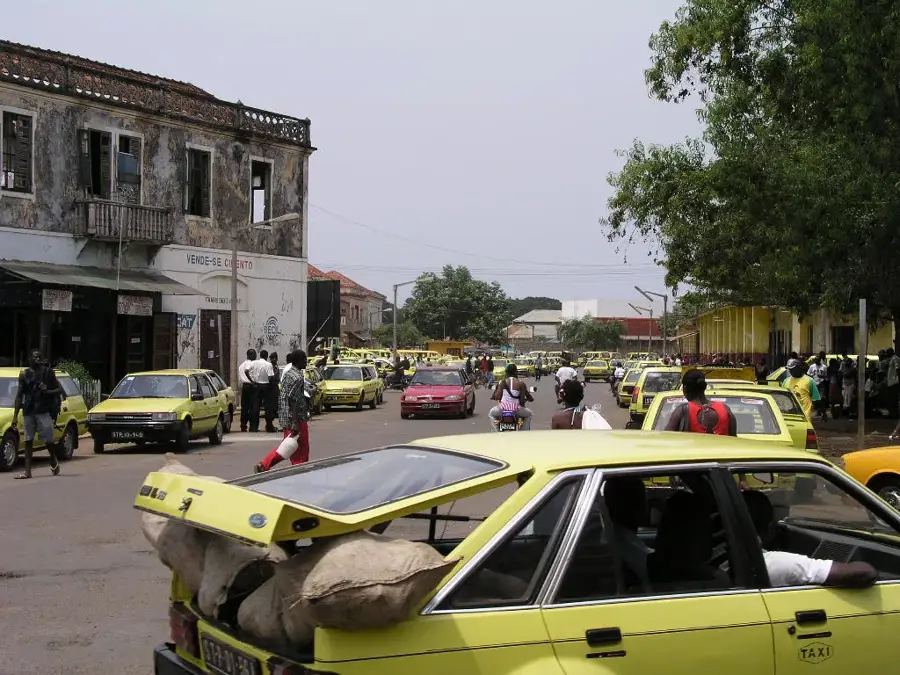
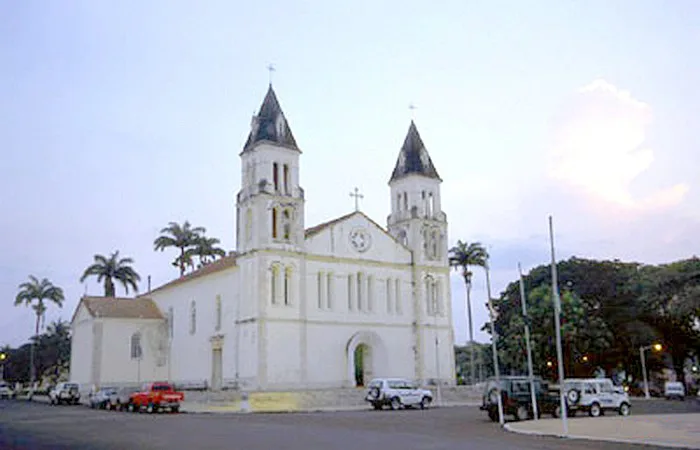
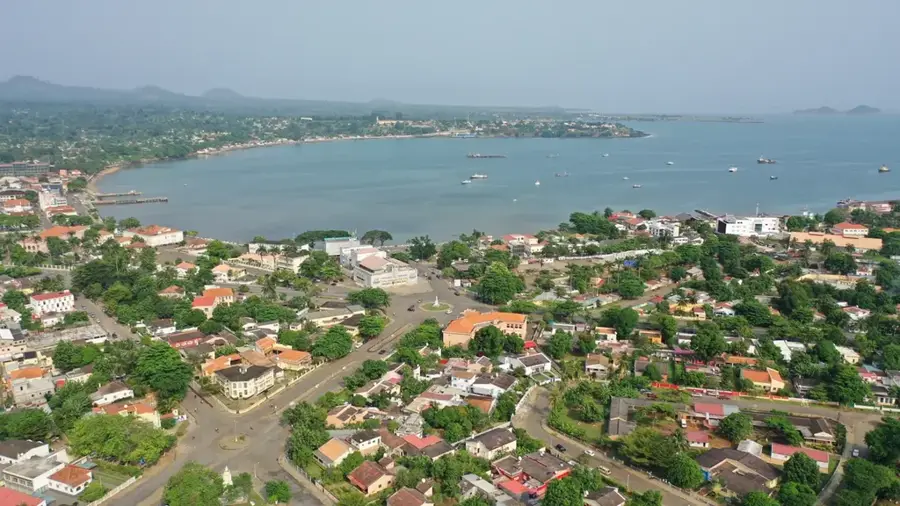
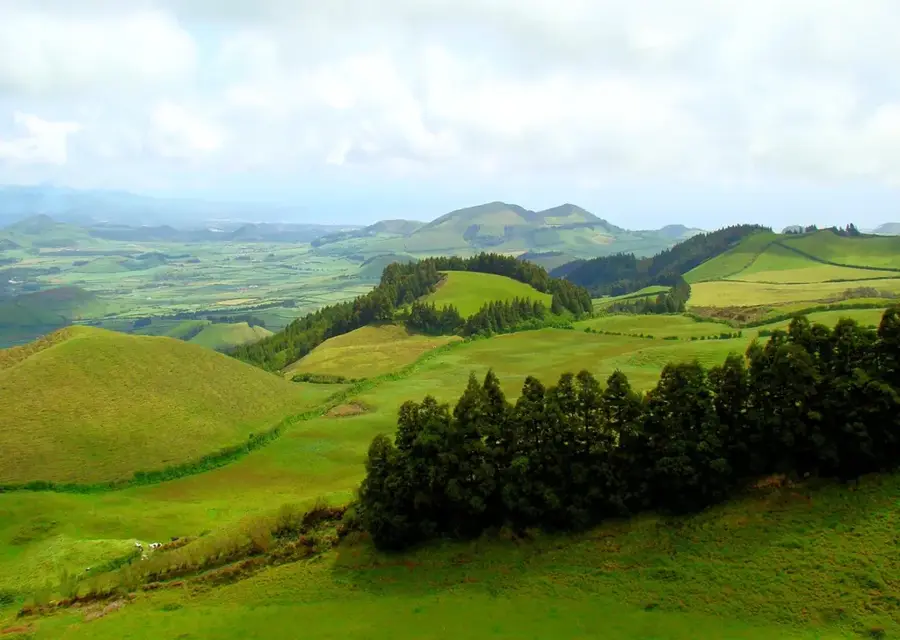
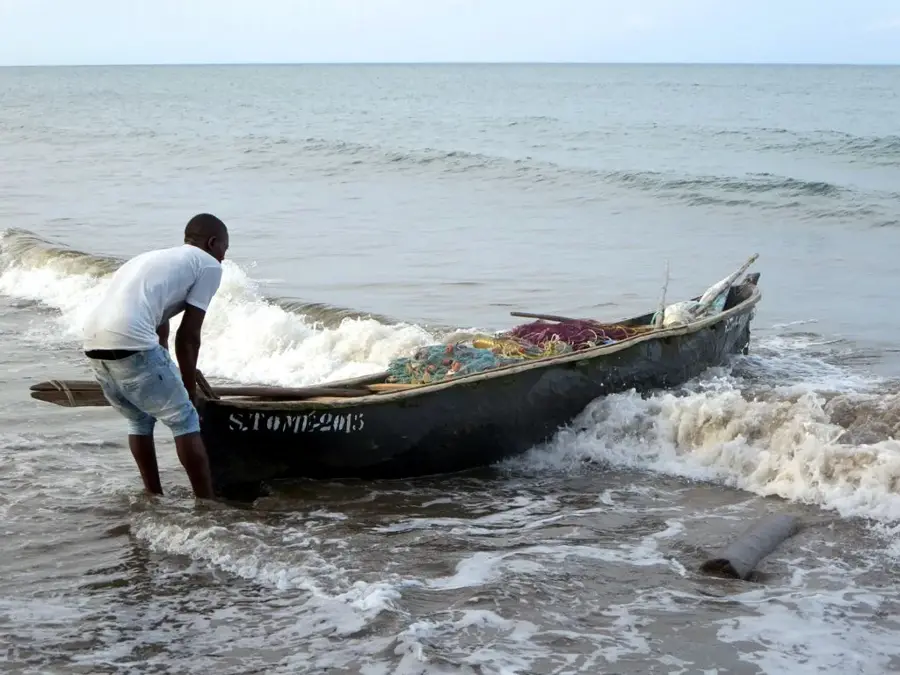
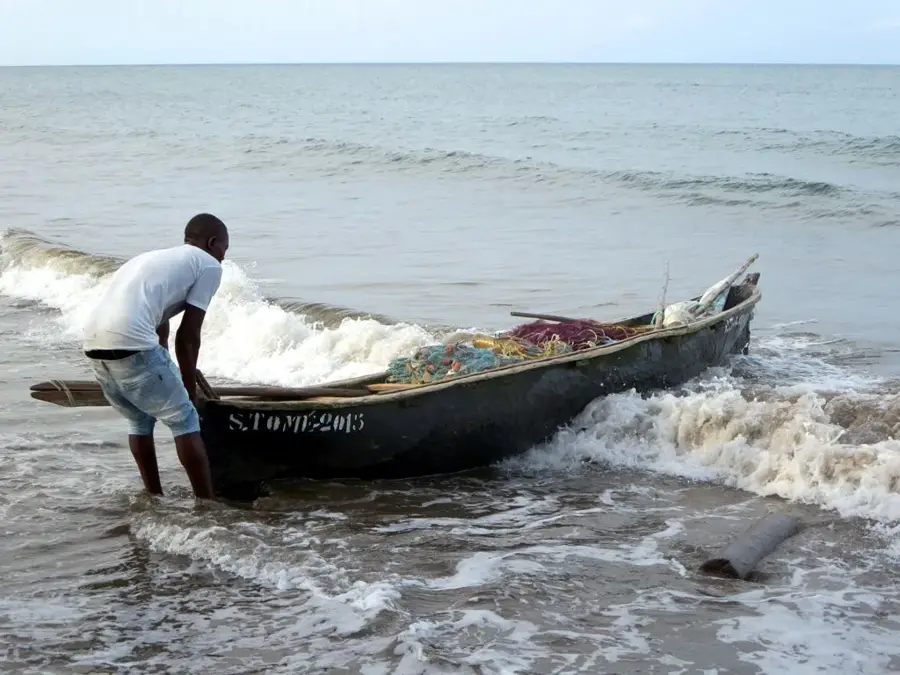
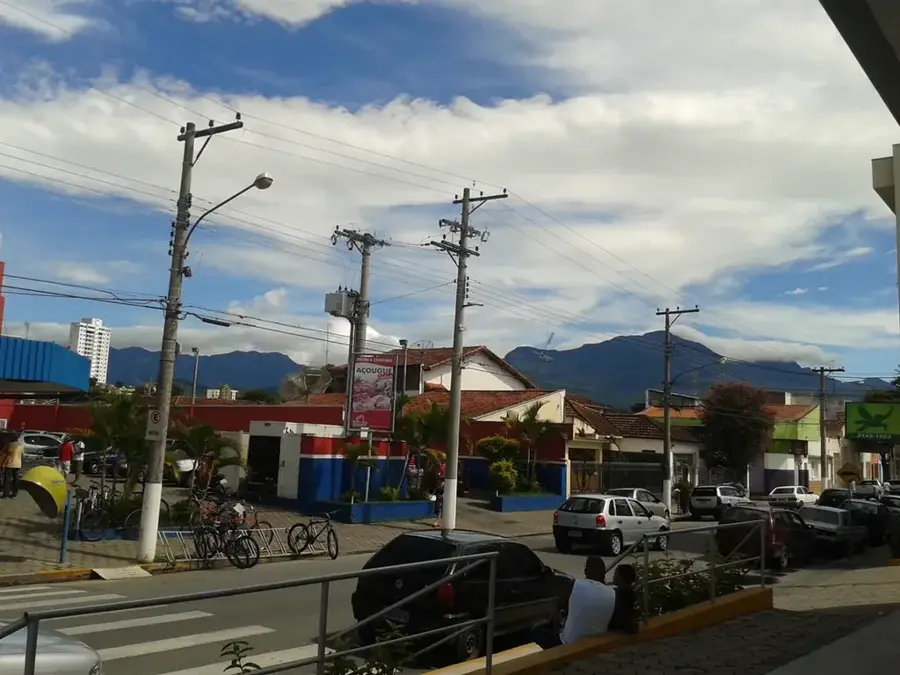
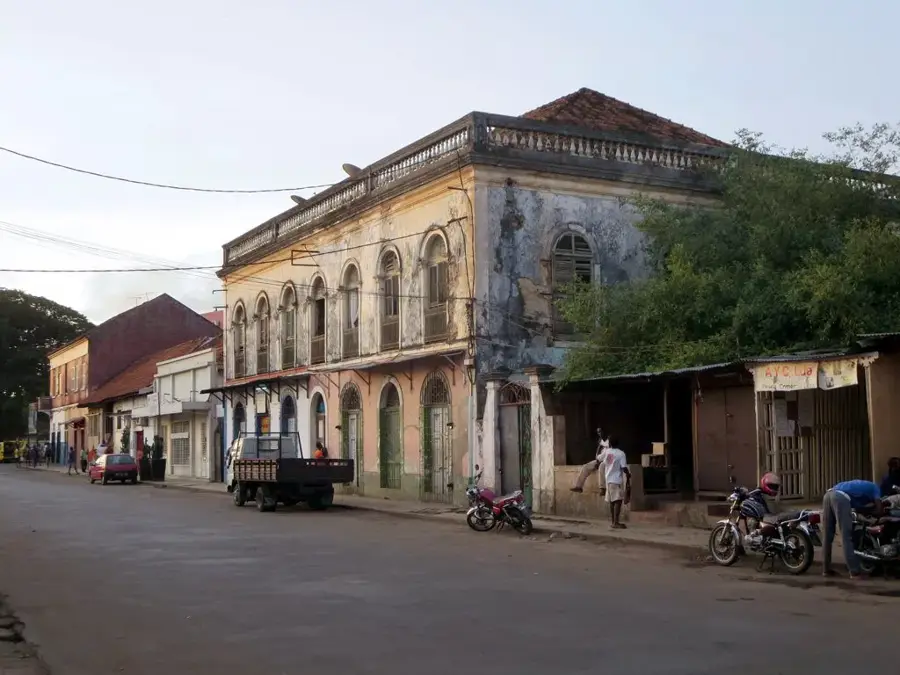
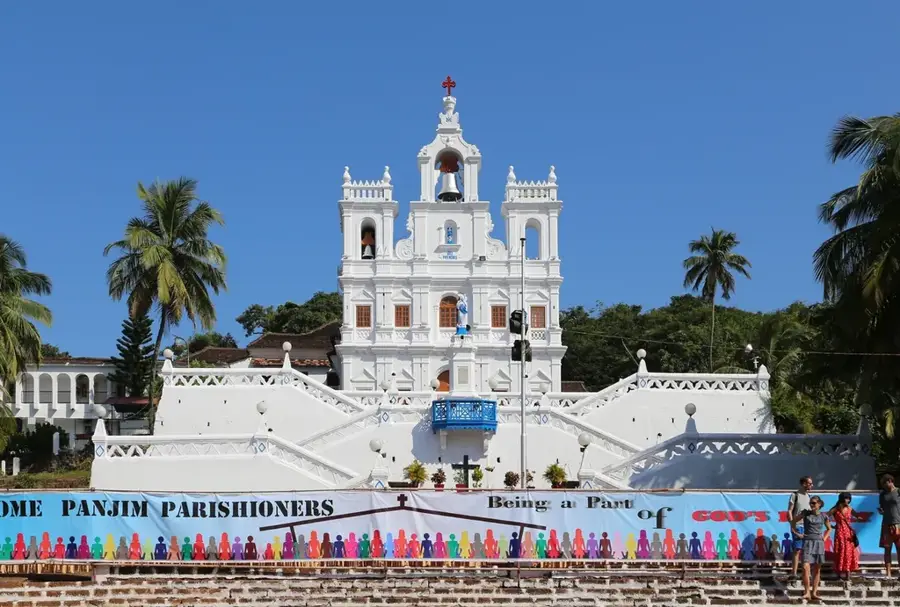
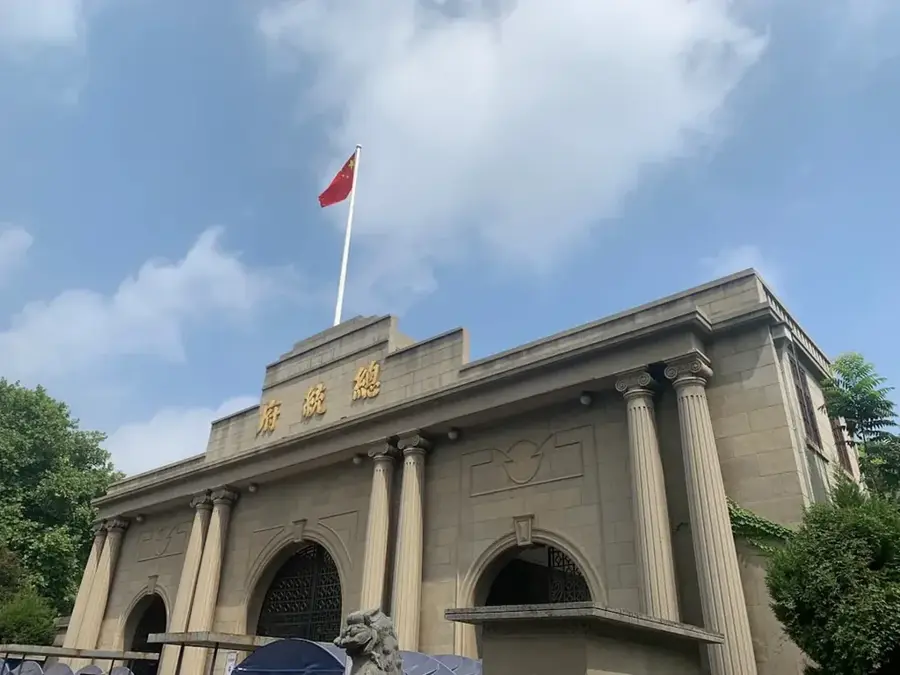
São Tomé is the capital and largest city of the island nation of São Tomé and Príncipe, situated on the northeastern coast of São Tomé Island. Established by Portuguese explorers in 1485, it stands as one of the oldest colonial settlements in the Gulf of Guinea. The city’s history is deeply intertwined with the development of the plantation economy, particularly sugar in the 16th century and later cocoa and coffee in the 19th century. Today, the city serves as the nation's political, educational, and commercial hub. Its urban layout features a blend of historic Portuguese colonial buildings, such as the Presidential Palace and the 16th-century Cathedral of Our Lady of Grace, alongside more functional modern structures. The economy is primarily driven by administrative services, fishing, and the export of agricultural products through its busy port. São Tomé is also the gateway for the country's growing eco-tourism industry, providing access to the lush Obo National Park and memorable volcanic landscapes. The demographic profile is diverse, consisting mainly of Forros (descendants of freed slaves) and Mesticos, contributing to a rich cultural tapestry. The local cuisine is a highlight, featuring dishes like calulu, a traditional stew made with dried fish and local greens. The city enjoys a tropical wet and dry climate, with a significant rainy season from October to May. Landmarks like the National Museum, housed in the historic Fort São Sebastião, offer visitors a deep dive into the island's complex past, from the era of 'roças' (plantations) to its emergence as a sovereign state in 1975. As the cultural heart of the nation, São Tomé hosts numerous festivals and bustling markets that showcase the island's unique blend of African and European heritage.
- Location: São Tomé & Príncipe
- Top sights: Our Lady of Grace Cathedral · Antigo Forte · Shipwreck
- Nearby: Pantufo (Coast) (4 km)
- Population: ~53.300 (2025)
Best time to visit & climate
The most pleasant time to visit is Jul–Sep.
| Jan | Feb | Mar | Apr | May | Jun | Jul | Aug | Sep | Oct | Nov | Dec | |
|---|---|---|---|---|---|---|---|---|---|---|---|---|
| Avg °C | 27 | 28 | 28 | 28 | 27 | 26 | 25 | 25 | 26 | 26 | 27 | 27 |
| Rain mm | 125 | 115 | 162 | 176 | 129 | 44 | 23 | 19 | 35 | 100 | 142 | 130 |
Geography
Facts
- São Tomé was founded in 1485 by the Portuguese explorer João de Paiva.
- The city's name honors Saint Thomas the Apostle, on whose feast day it was founded.
- It is the political capital and also the capital of the Água Grande District.
- The Presidential Palace is located in the heart of the historic center.
- The city has a total land area of approximately 17 square kilometers.
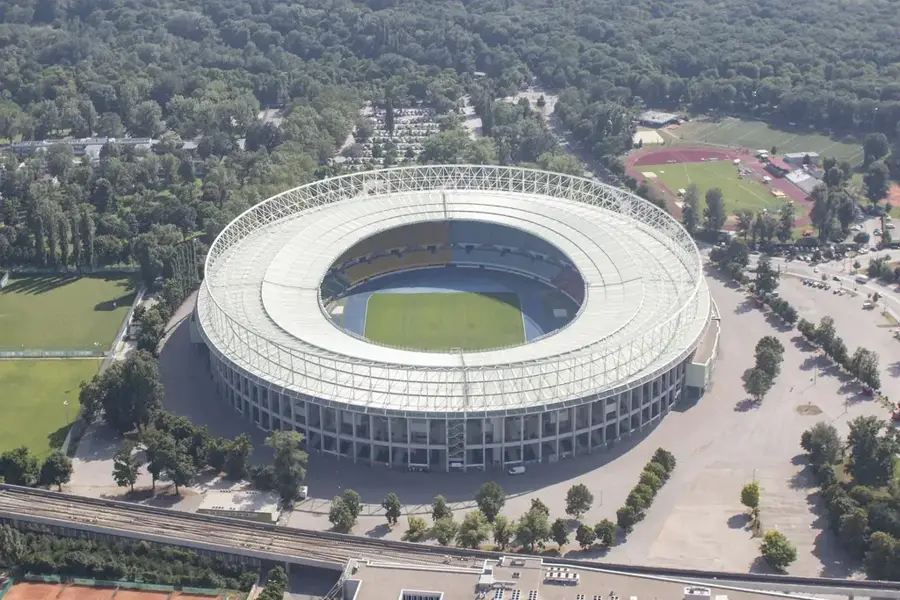
- São Tomé is home to the country's national stadium, Estádio Nacional 12 de Julho.
- The primary languages spoken in the city are Portuguese and Forro Creole.
- The city is a major hub for the Catholic Diocese of São Tomé and Príncipe.
Explore nearby
Notable places around
Route planner — Car & Motorhome
Where do you start? We build the route here, with stops and country notes along the way.
© OpenStreetMap contributors · OpenRouteService
Sights in the town São Tomé (6)
Praia P.M
Beach in São Tomé. Sandy shore for swimming and relaxation.
São Sebastião Museum🏛 museum
National museum on São Tomé Island. Housed in the São Sebastião fortress.
Frequently asked questions
What is the capital São Tomé known for?
How is the climate?
What must one try here?
Are there sights nearby?
Is the journey complicated?
São Tomé: where is it located?
São Tomé: what is there to see?
São Tomé: when is the best time to visit?
São Tomé: why is it worth visiting?

Nearby cities
History & landmarks
Nature
More places