Plizio Visual Lab
Rio Água Grande
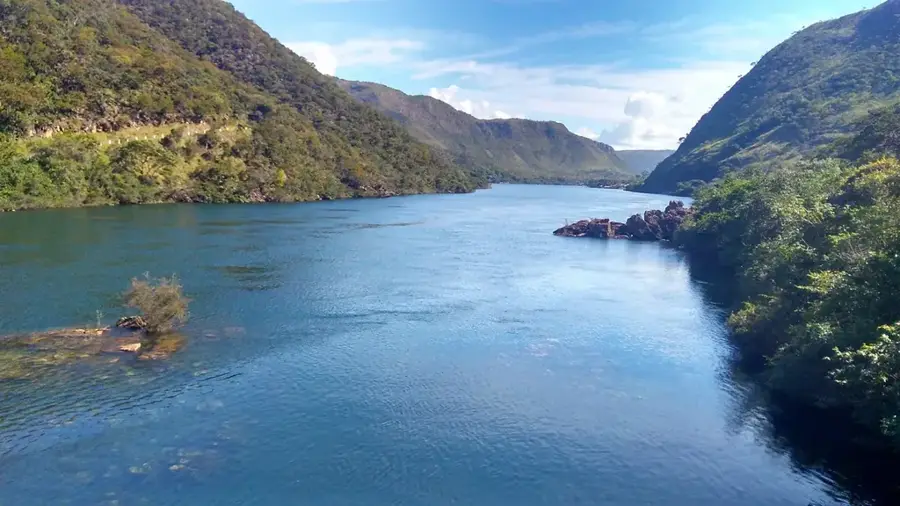
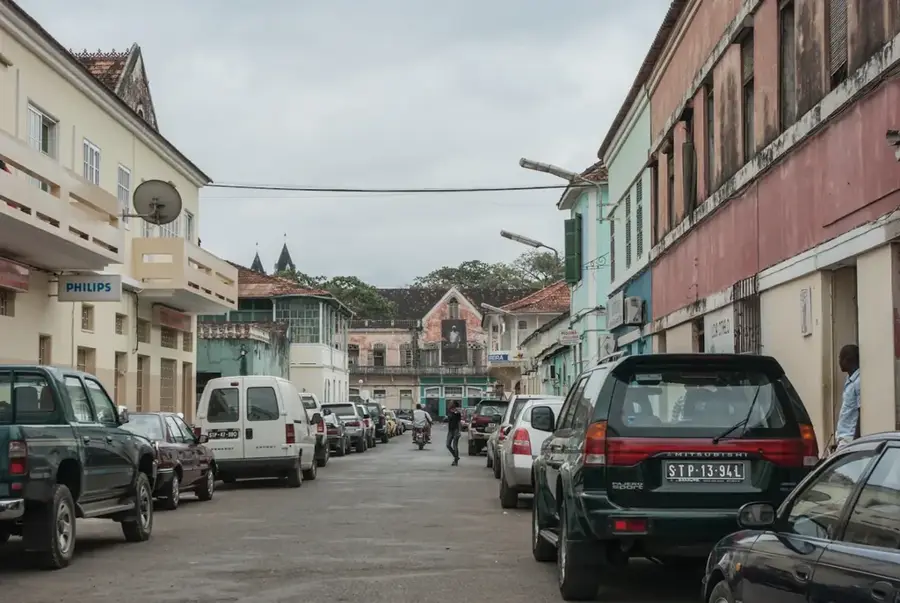
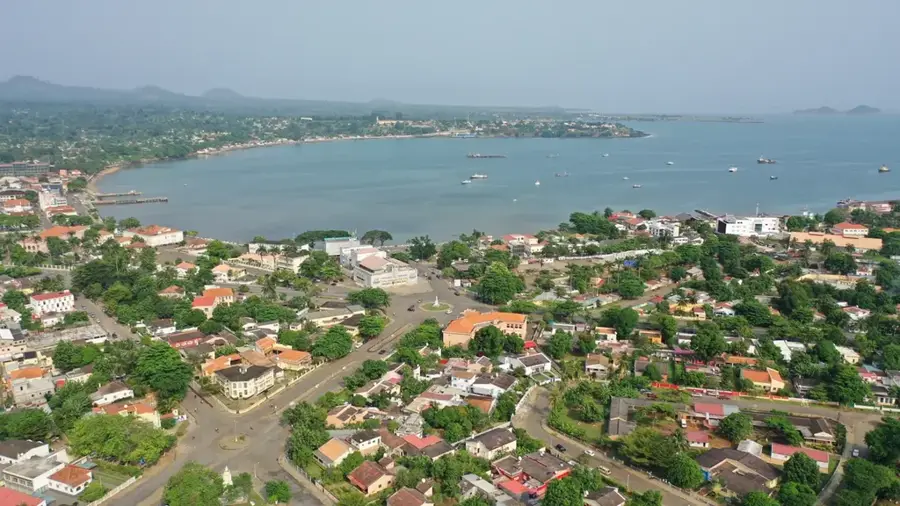
Rio Água Grande is the historically most significant river on São Tomé Island, as it flows directly through the heart of the namesake capital and gives its name to the country's most populous district. It originates in the mountainous hinterland of the central massif and carves its way through the fertile plains of the north before emptying into the Bay of Ana Chaves in the Atlantic. Its availability as a freshwater source was the decisive factor in the 15th century for Portuguese settlers to choose the capital's location at its mouth. Despite increasing urbanization on its banks, the river preserves lush tropical vegetation in its upper reaches and continues to serve as a vital element in the region's hydrological system. Historic bridges spanning the river in the city center bear witness to long-standing colonial architecture and the water's central role in everyday urban life. Rio Água Grande is thus not only a geographical feature but a living symbol of the development and identity of São Tomé City across the centuries.
- Location: São Tomé & Príncipe
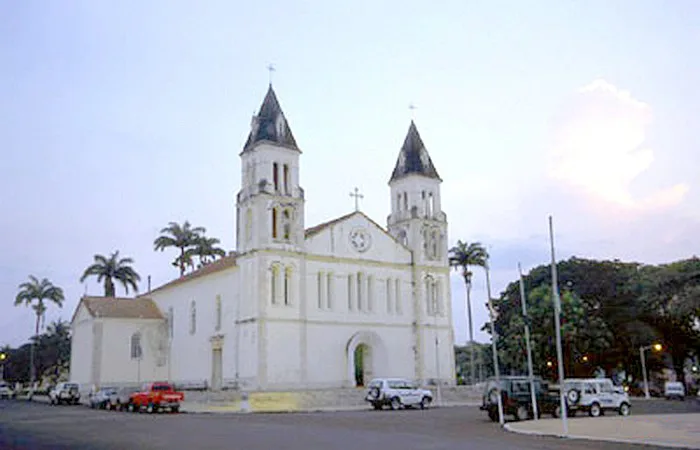
- Top sights: Our Lady of Grace Cathedral · Antigo Forte · Shipwreck
- Nearby: Pantufo (Coast) (4 km)
Best time to visit & climate
The most pleasant time to visit is Jul–Sep.
| Jan | Feb | Mar | Apr | May | Jun | Jul | Aug | Sep | Oct | Nov | Dec | |
|---|---|---|---|---|---|---|---|---|---|---|---|---|
| Avg °C | 27 | 28 | 28 | 28 | 27 | 26 | 25 | 25 | 26 | 26 | 27 | 27 |
| Rain mm | 125 | 115 | 162 | 176 | 129 | 44 | 23 | 19 | 35 | 100 | 142 | 130 |
📋 Practical info
Geography
Facts
- Flows directly through the city center of São Tomé.
- Namesake for the Água Grande district.
- Originates in the mountains of Mé-Zóchi.
- Historical settlement site since 1493.
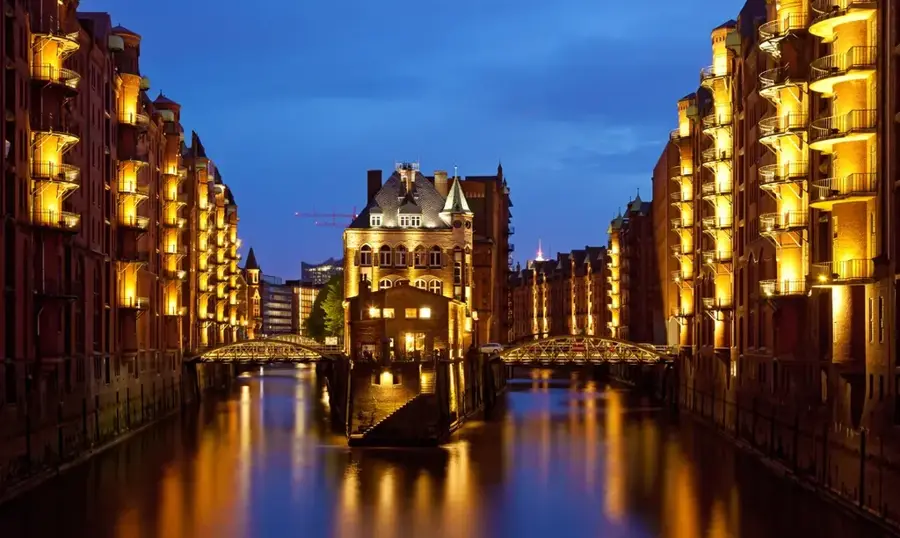
- Spanned by several colonial bridges.
- Length from source to mouth approx. 15 km.
Explore nearby
Notable places around
Route planner — Car & Motorhome
Where do you start? We build the route here, with stops and country notes along the way.
© OpenStreetMap contributors · OpenRouteService
Sights in the town Rio Água Grande (6)
Praia P.M
A beach section in São Tomé and Príncipe, suitable for swimming and relaxation.
São Sebastião Museum🏛 museum
National museum on São Tomé Island, São Tomé and Príncipe, with historical exhibits.
Sights nearby
Frequently asked questions
Is Rio Água Grande visited all year round?
What is the condition of the trails?
Can you drive to the river?
Are there dining facilities on site?
What is the best time of day?
Rio Água Grande: where is it located?
Rio Água Grande: what is there to see?
Rio Água Grande: when is the best time to visit?
Rio Água Grande: why is it worth visiting?

Nearby cities




History & landmarks

More places