Plizio Visual Lab

Lake Baikal
Plizio editorial teamData Sources
Lake
—°
Lake Baikal (Russia)

Weather…

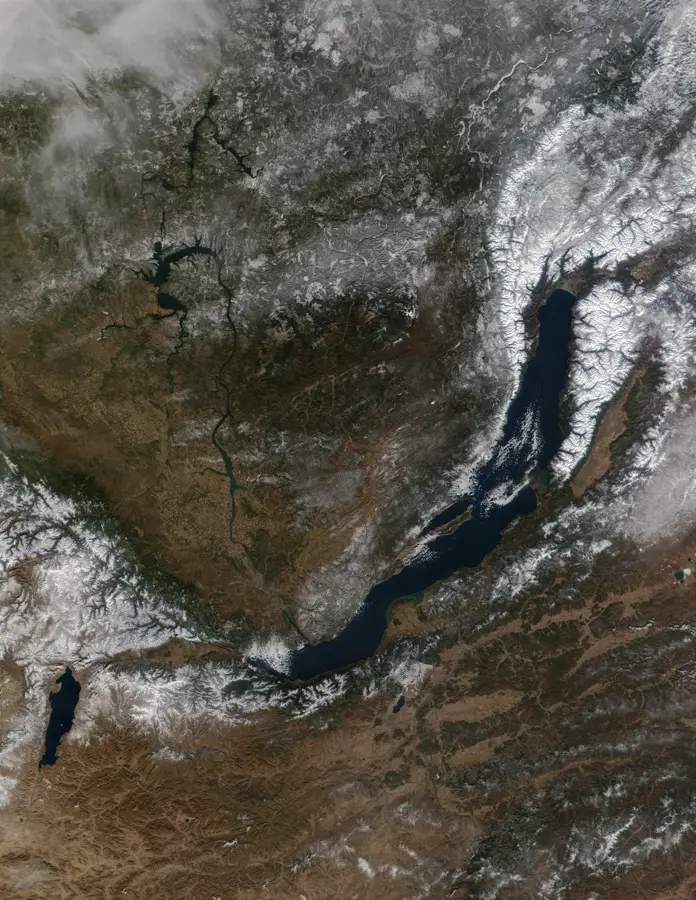
Lake Baikal, located in the heart of Siberia, is not only the world's largest freshwater reservoir but also one of the oldest and deepest lakes on Earth. Formed roughly 25 million years ago by immense tectonic rift movements, this massive body of water now hosts an incredibly diverse and largely endemic array of flora and fauna. Its crystal-clear water has visibility of up to 40 meters in certain areas, making it a constant source of fascination for both scientific researchers and nature enthusiasts. During winter, the lake's frozen surface, characterized by its thick, transparent ice and towering ice hummocks, draws photographers from across the globe. The remote and harsh Siberian landscape has largely protected this UNESCO World Heritage site from overwhelming human interference, preserving its unique ecology.

Best time to visit & climate

The most pleasant time to visit is Jun–Aug.

JanFebMarAprMayJunJulAugSepOctNovDec
Avg °C-24-21-10210192219110-14-23
Rain mm969152941605537171819

📋 Practical info

🧭
Getting there
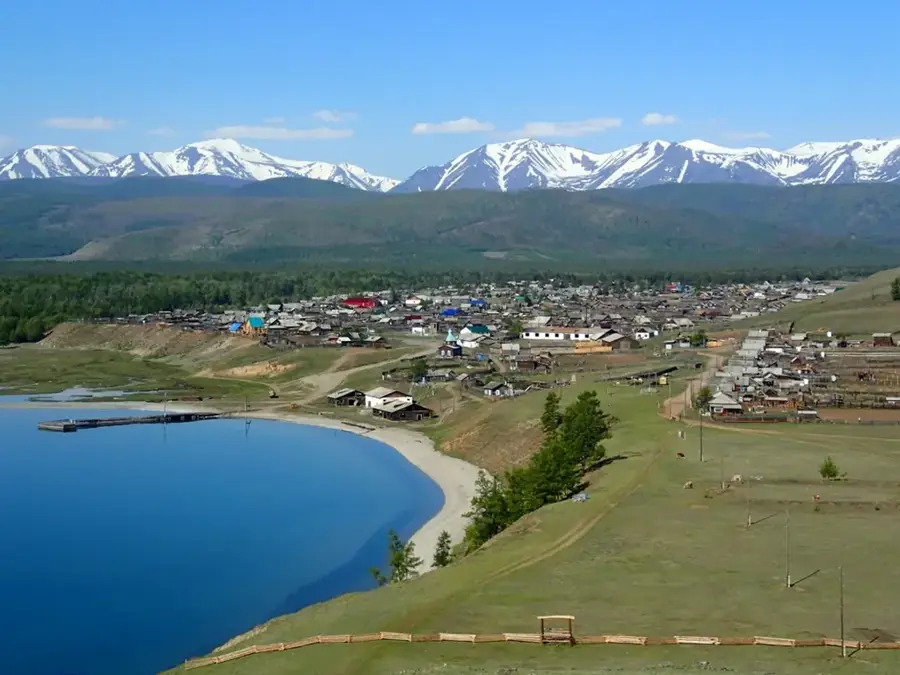
Access to the lake is most commonly via the city of Irkutsk or Ulan-Ude, followed by a scenic drive, train ride, or bus journey to popular shoreline towns like Listvyanka or Khuzhir.
📅
Best season
Summer (July to August) is convenient for hiking and boating, while late winter (February to March) is legendary for traversing the thick, incredibly clear ice and viewing ice caves.
⛰️
Terrain & paths
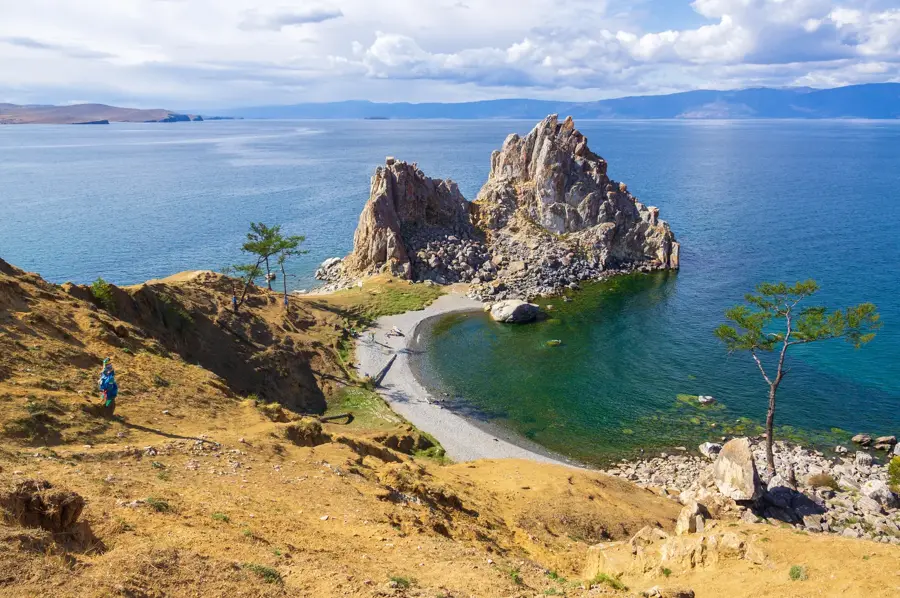
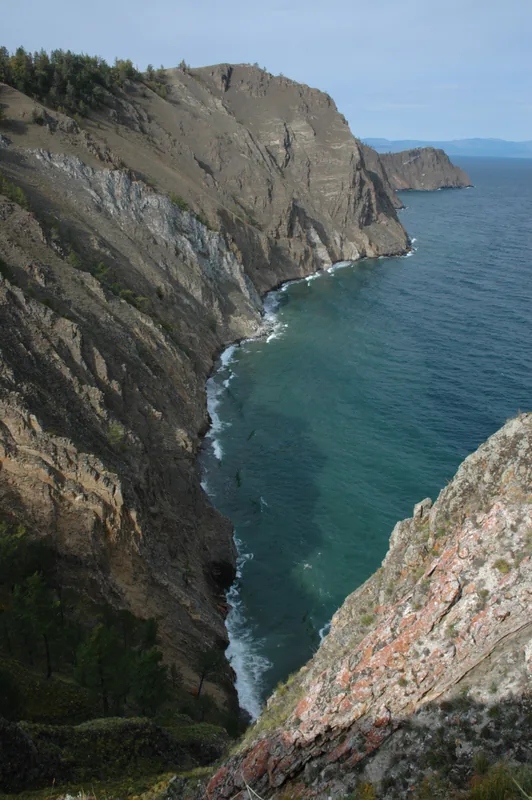
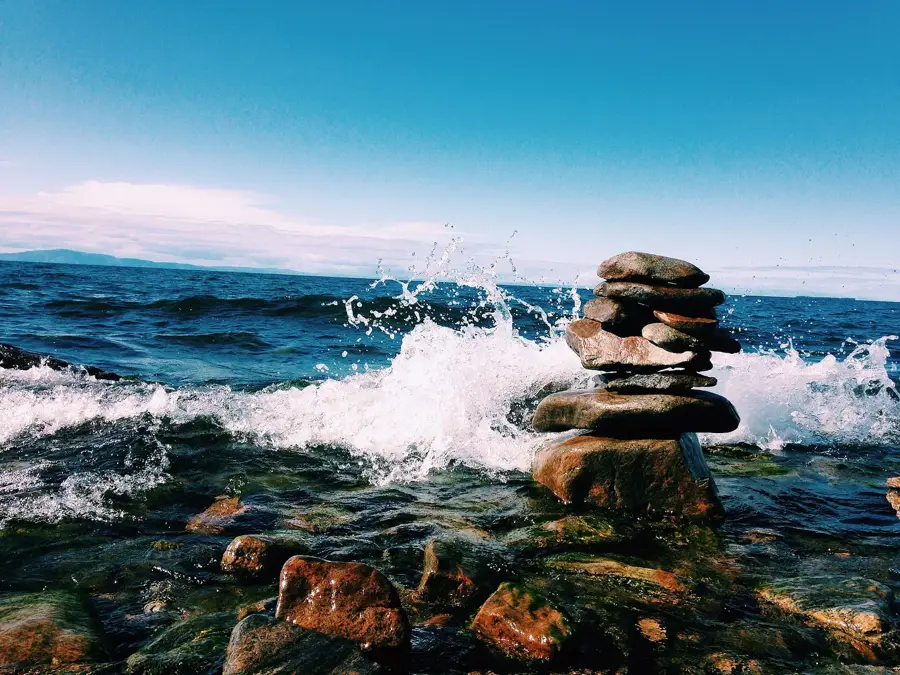
The shoreline varies dramatically from accessible pebbled beaches and forested walking trails to steep rocky cliffs and mountainous stretches requiring robust off-trail hiking skills.
🎒
What to bring
Layers are essential year-round due to the lake's own microclimate; winter visitors need extreme cold-weather expedition gear, ice cleats, and specialized equipment for safe ice travel.
🅿️
Parking
Organized parking is available in main tourist hubs like Listvyanka, though remote sections rely on informal dirt pull-offs; winter parking sometimes extends onto the frozen lake itself.
⚠️
Safety
Sudden squalls and high winds can create dangerous water conditions in summer; in winter, unpredictable ice shifts, thin spots, and extreme cold present serious, life-threatening risks.
⏱️
Time needed
Visits range from a quick day trip to the nearest coastal village to weeks-long trekking, over-ice expeditions, or multi-day train journeys along the scenic Circum-Baikal Railway.

Geography

Coordinates
53.50000, 108.10000

Explore nearby

Notable places around
Route planner — Car & Motorhome

Where do you start? We build the route here, with stops and country notes along the way.

Vehicle
Only stops with (optional):

© OpenStreetMap contributors · OpenRouteService

Sights nearby

Frequently asked questions

Is Lake Baikal suitable for swimming?
The water is very cold even in summer, only quick dips are possible.
What season is ideal for the ice?
February and March are the best months for the famous Baikal ice.
How long is the trip from Moscow?
By plane about 6 hours, by train several days.
Are there fish specialties?
Yes, the Omul fish is a local delicacy.
Do I need a guide?
Highly recommended for hiking in remote areas.
Lake Baikal: where is it located?
Lake Baikal is located in Russia.
Lake Baikal: when is the best time to visit?
The most pleasant time to visit is Jun, Aug.
Lake Baikal: why is it worth visiting?

Lake Baikal, located in the heart of Siberia, is not only the world's largest freshwater reservoir but also one of the oldest and deepest lakes on Earth.
View on map → The Top 50 Attractions → OpenStreetMap →
Europe
Explore with Plizio Discover more places in Europe
More places in Russia →

Nearby cities