Plizio Visual Lab
Angaur Forest Reserve

Weather…
Water temperature…
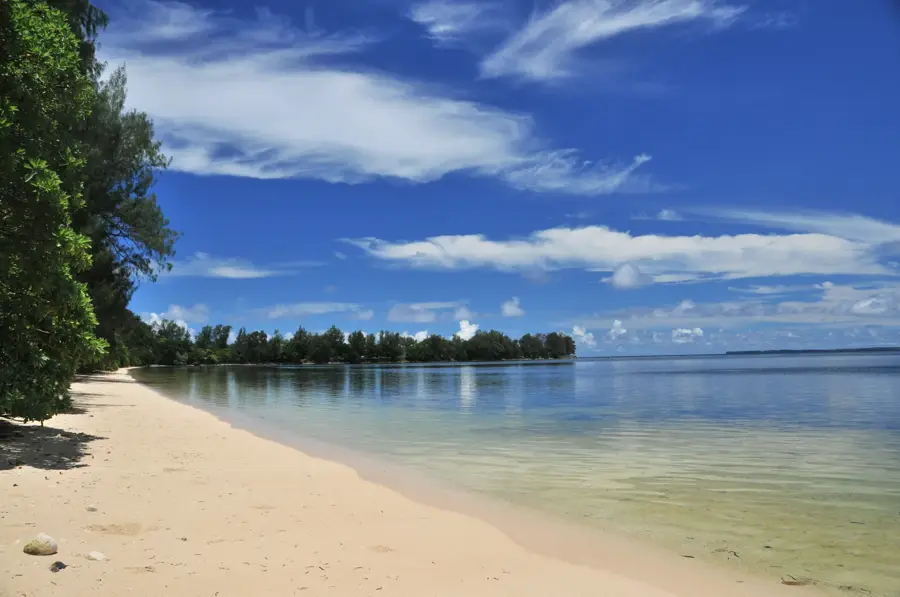
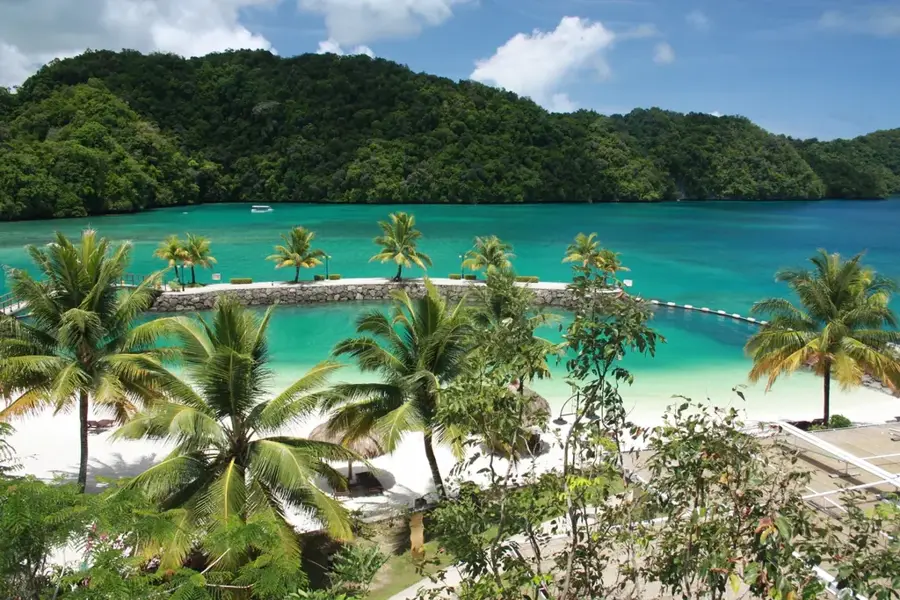
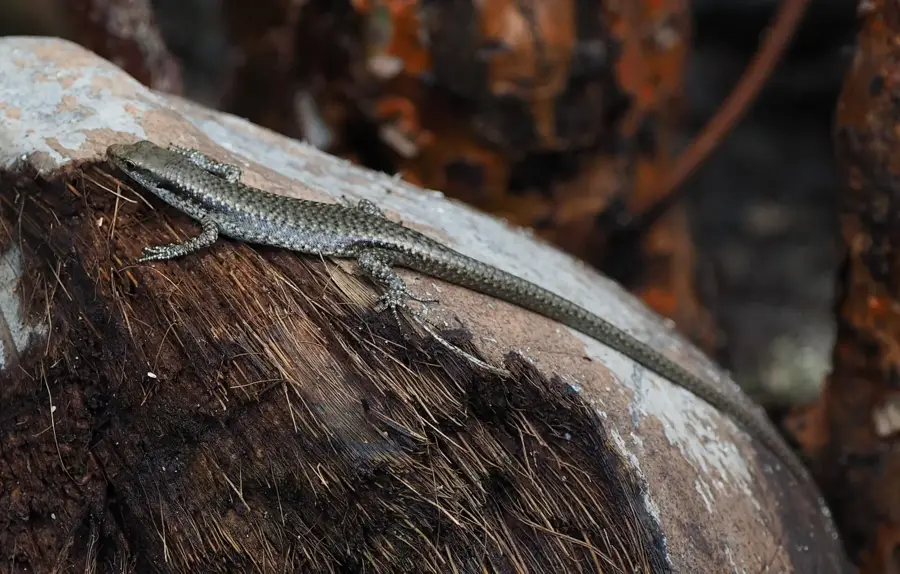
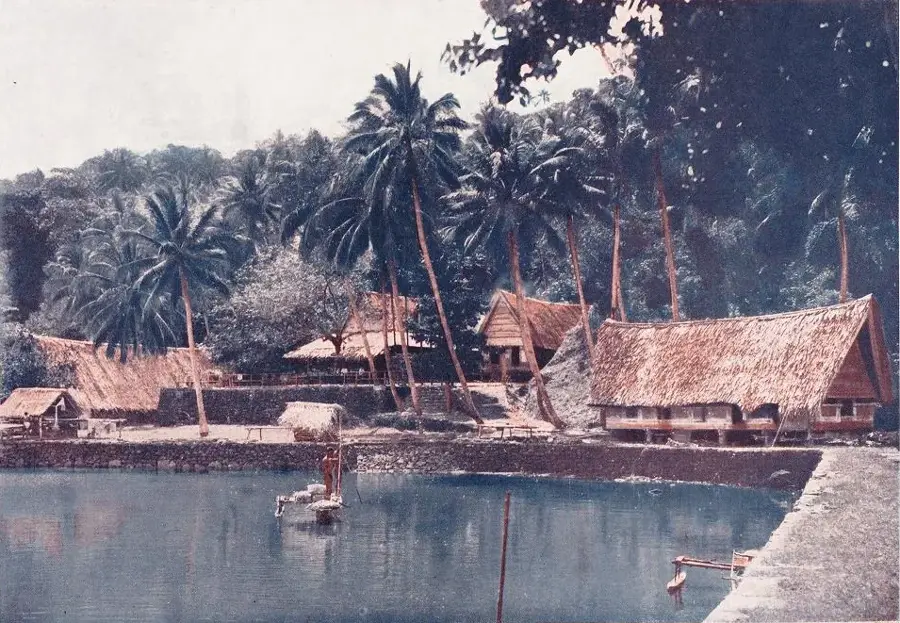
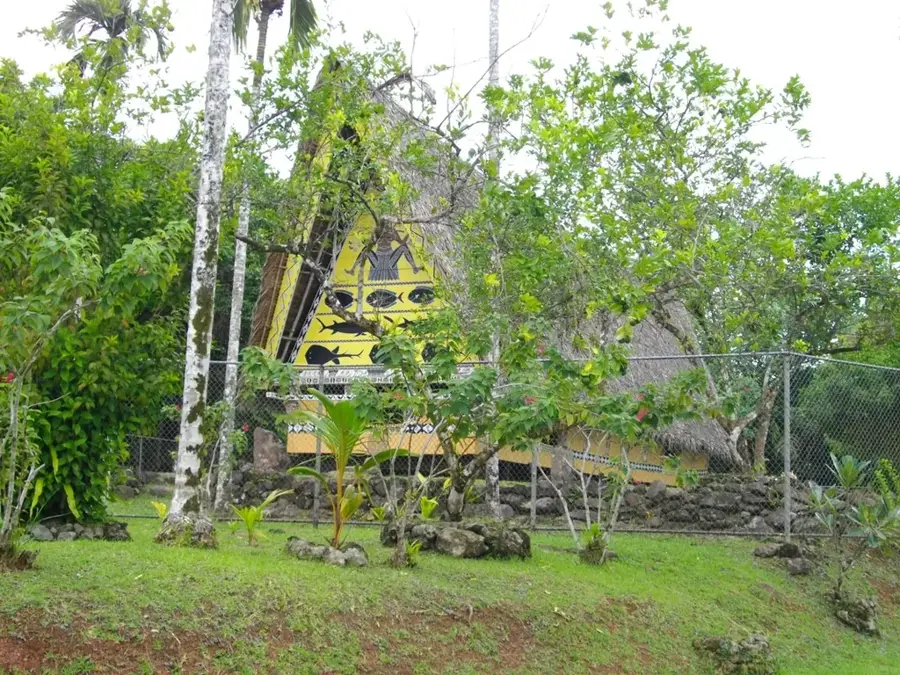
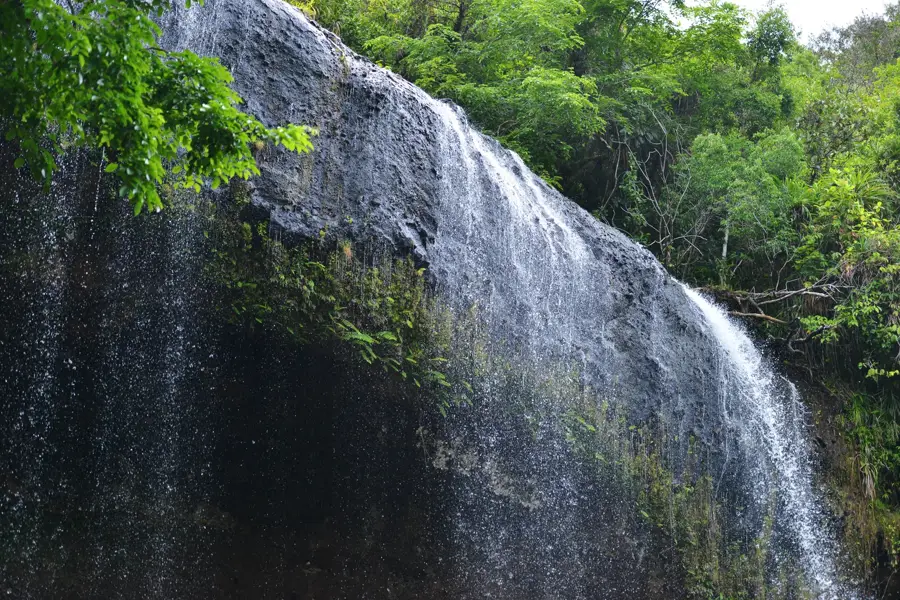
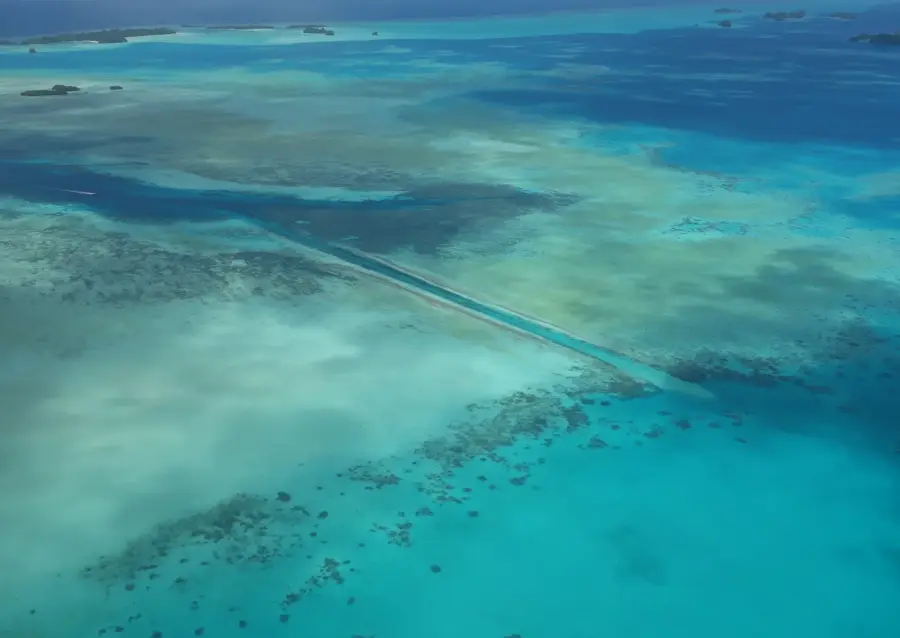
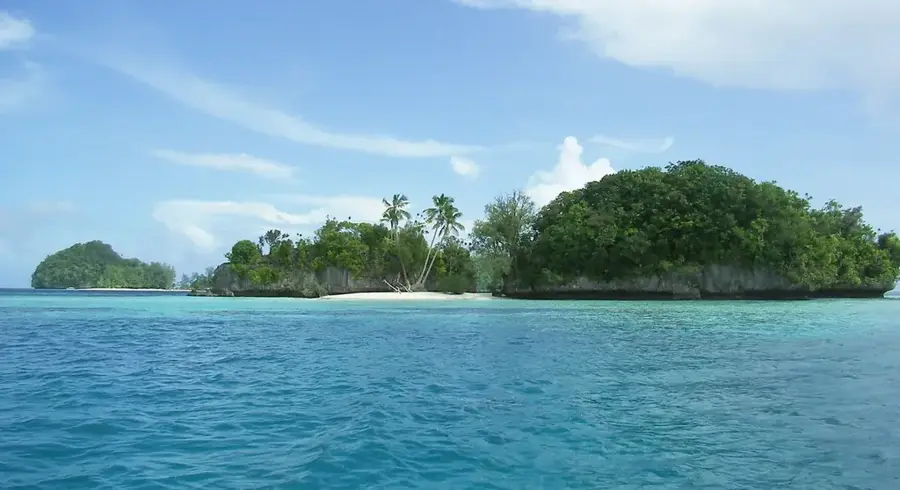
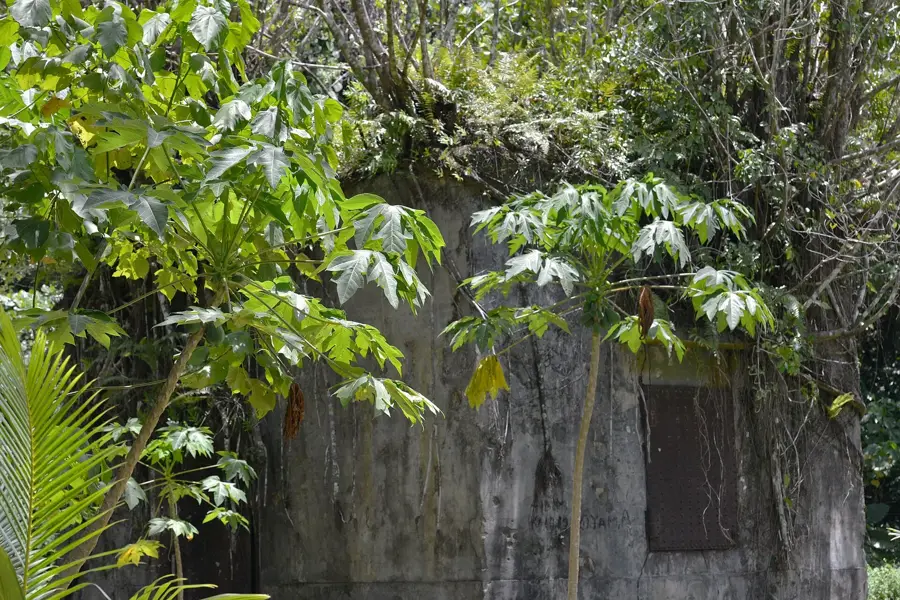
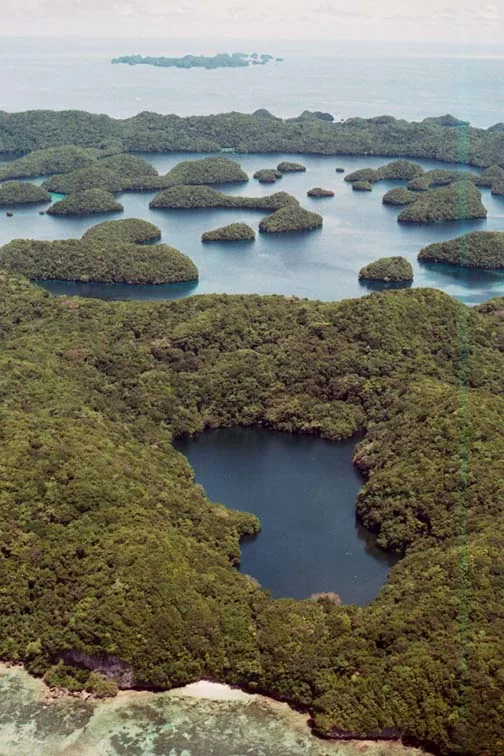
The Angaur Forest Reserve on Palau's southernmost inhabited island is a place of striking natural recovery and historical significance. The dense tropical forests thrive on soil once stripped for phosphate by German and Japanese mining interests in the early 1900s. The most famous residents of the reserve are the crab-eating macaques, which were originally brought to the island by German miners as pets and now roam free in large numbers; this makes Angaur the only island in Palau where monkeys exist. Beyond the macaques, the forest serves as a vital sanctuary for migratory birds traveling across the Pacific. The lush canopy hides the scars of industry and the remnants of heavy World War II combat, creating an atmosphere of resilient growth. Rising to a maximum elevation of 61 meters, the reserve provides gentle trails through diverse flora, where visitors can witness how nature has reclaimed the land while preserving the unique, introduced biodiversity that has become part of the island's identity.
- Location: Palau
- Top sights: Elechol Ra Nguruhei · Elechol Ra Ngmersau · Our Lady of the Rosary Church
- Nearby: Kloulklubed (17 km)
Best time to visit & climate
The most pleasant time to visit is Feb–Apr.
| Jan | Feb | Mar | Apr | May | Jun | Jul | Aug | Sep | Oct | Nov | Dec | |
|---|---|---|---|---|---|---|---|---|---|---|---|---|
| Avg °C | 28 | 28 | 28 | 28 | 28 | 28 | 28 | 28 | 28 | 28 | 28 | 28 |
| Rain mm | 207 | 194 | 182 | 159 | 264 | 316 | 343 | 269 | 248 | 203 | 215 | 227 |
📋 Practical info
Geography
Facts
- The only location in Palau with a wild monkey population.
- Home to the endemic Palau White-eye bird.
- Forest is regenerating over former phosphate mining sites.
- Supports a healthy population of giant coconut crabs.
- Critical habitat for the native Palau Fruit Dove.
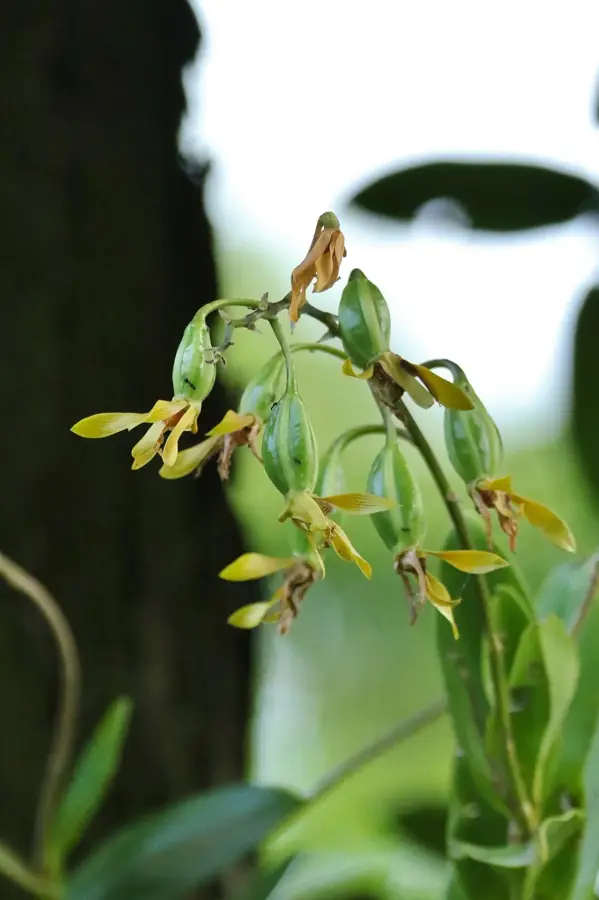
- Features various rare tropical ferns and orchid species.
Explore nearby
Notable places around

Route planner — Car & Motorhome
Where do you start? We build the route here, with stops and country notes along the way.
© OpenStreetMap contributors · OpenRouteService
Sights in the town Angaur Forest Reserve (4)
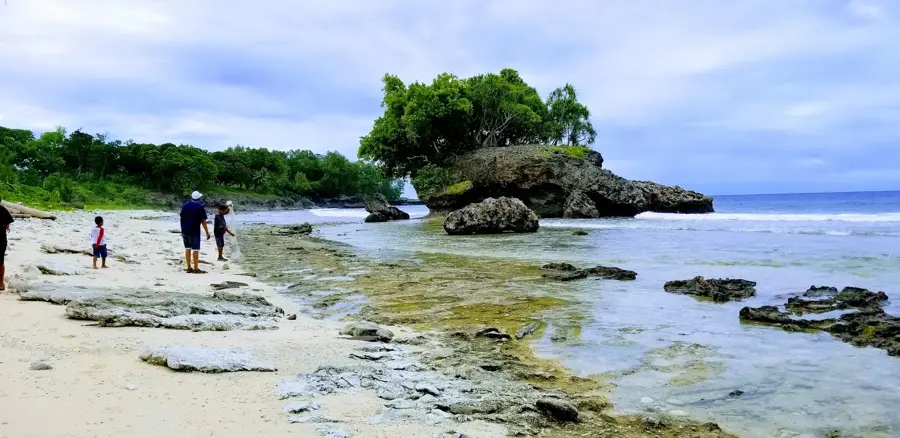
Elechol Ra Uchul A Kerekar
A beach on Angaur, distinguished by its location and tranquility.
Sights nearby
Frequently asked questions
Are there guided hikes in the reserve?
How to get to the Angaur Forest Reserve?
Are the macaques on the island dangerous?
Do I need sturdy shoes?
How much time should I allocate?
Angaur Forest Reserve: where is it located?
Angaur Forest Reserve: what is there to see?
Angaur Forest Reserve: when is the best time to visit?
Angaur Forest Reserve: why is it worth visiting?
Nearby cities

History & landmarks
Nature


More places