Plizio Visual Lab
Orange Beach
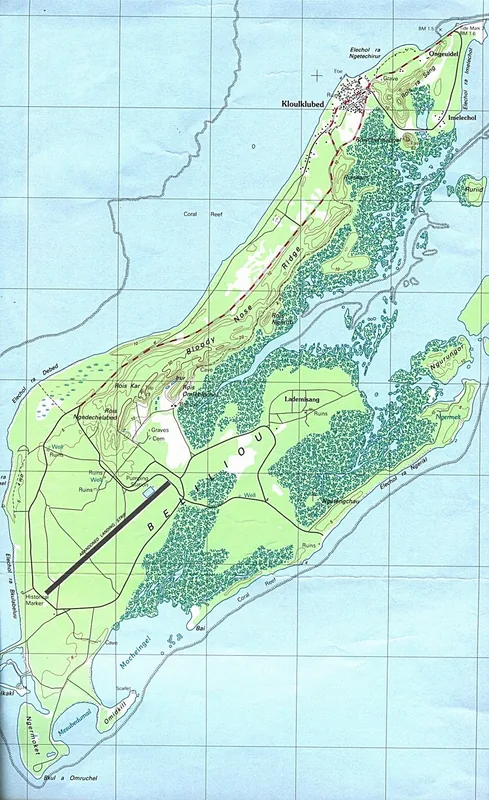
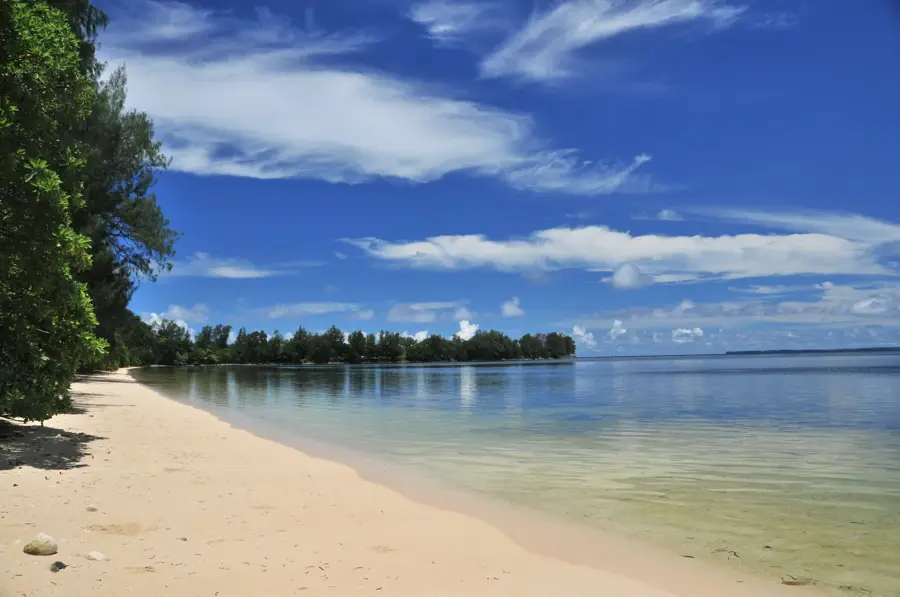
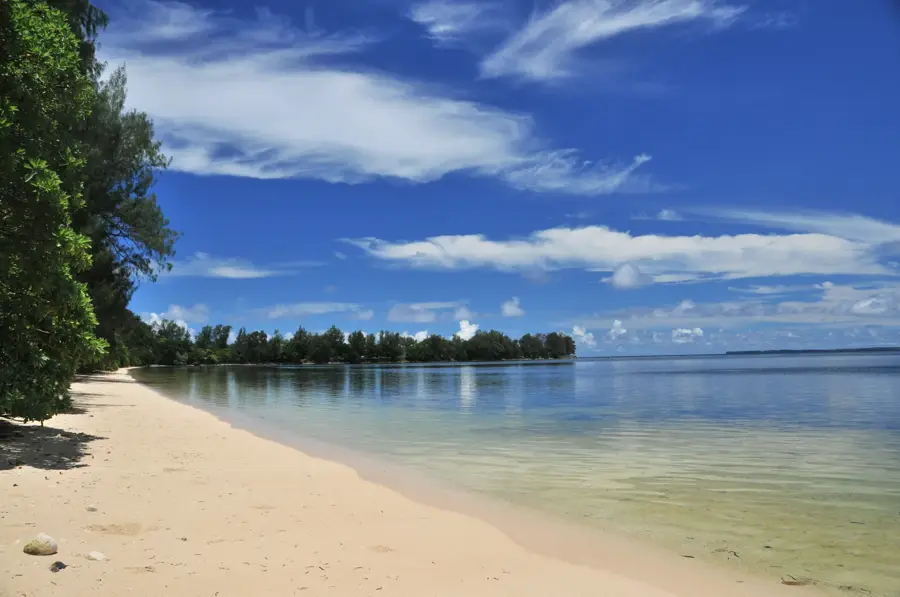
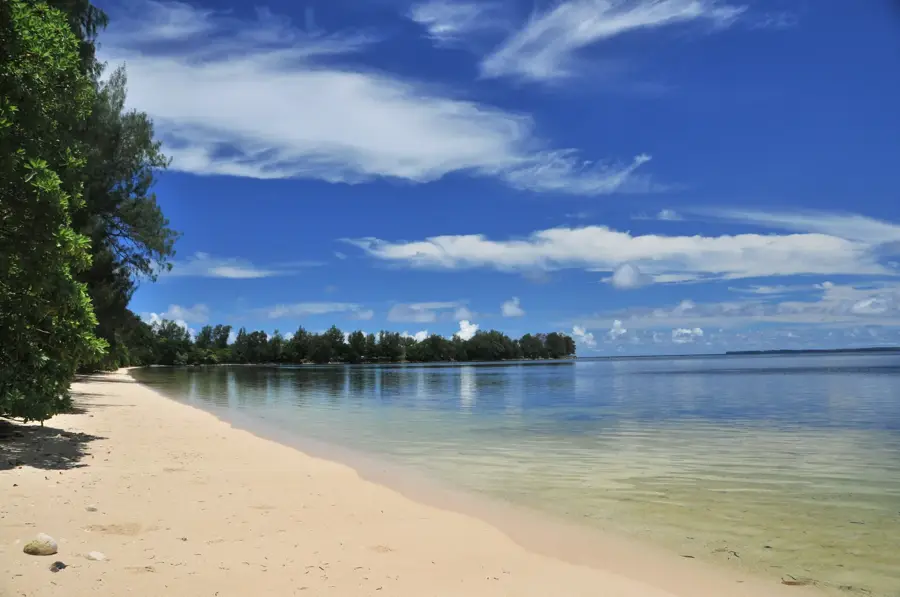
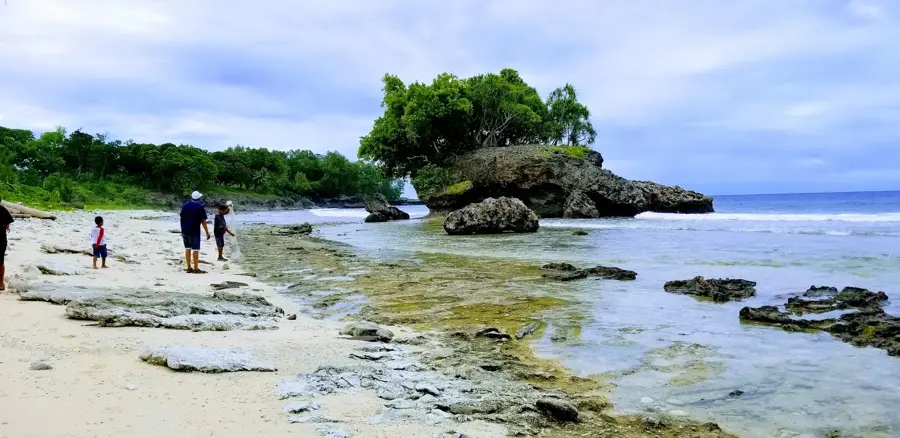
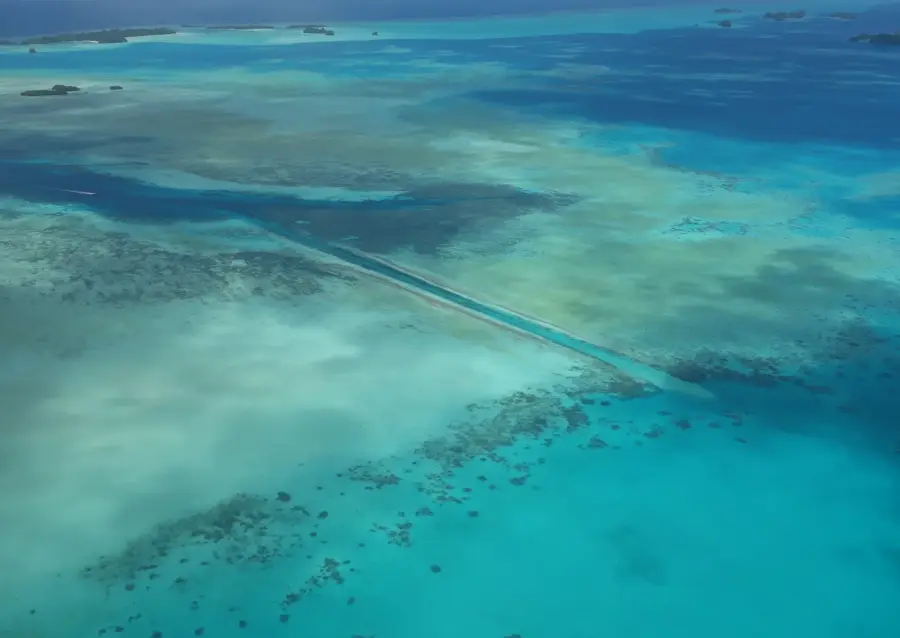
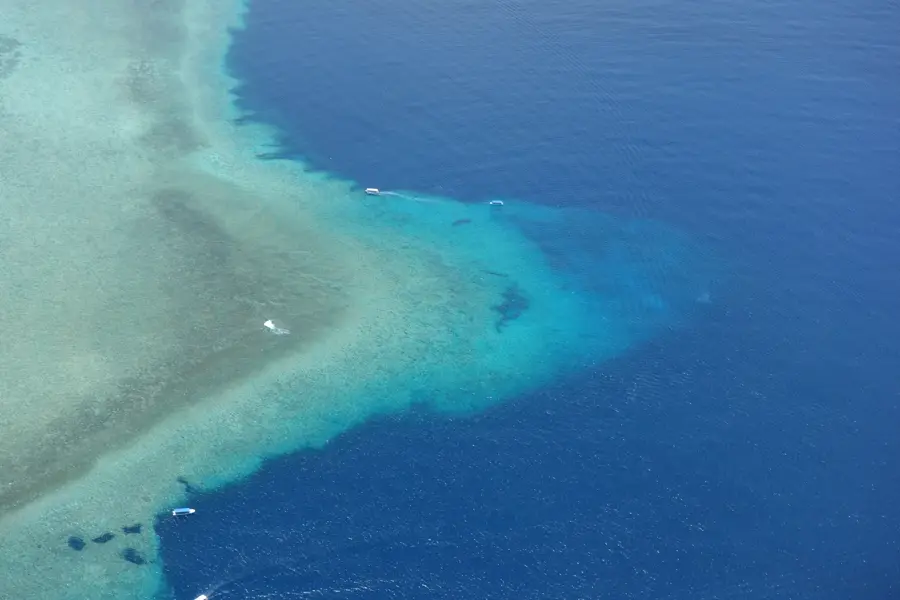
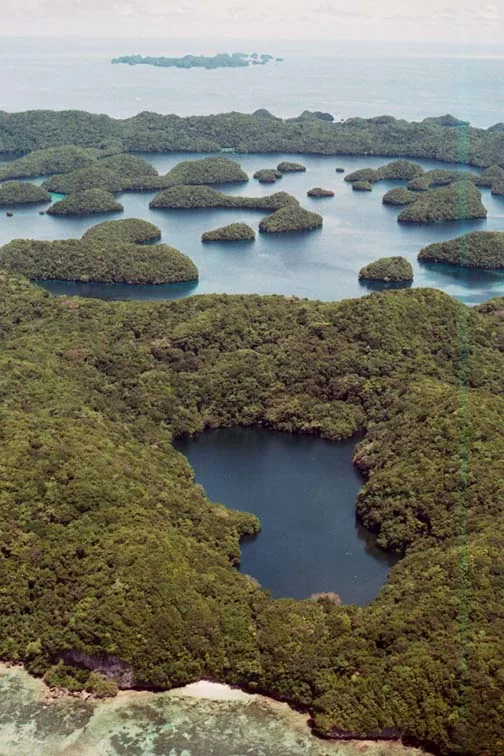
Orange Beach on the island of Peleliu stands as a somber witness to one of the fiercest amphibious assaults in military history. On September 15, 1944, as part of Operation Stalemate II, the 1st US Marine Division landed on these shores under a hail of Japanese artillery and machine-gun fire. The beach was divided into Orange 1, 2, and 3 landing zones, and the surrounding coral reefs were laden with obstacles that forced troops to disembark under extreme vulnerability. The Japanese defenders, entrenched in the nearby Umurbrogol Mountain (later known as Bloody Nose Ridge), utilized a sophisticated tunnel network to launch devastating counterattacks. The battle for Peleliu was expected to last only four days but stretched into two grueling months of attrition. Today, the beach is part of a protected historical site, where rusted landing crafts and memorials honor the thousands of lives lost on both sides. The contrast between the serene tropical landscape and the visible scars of war makes Orange Beach a powerful place for reflection on the cost of conflict.
- Location: Palau
- Top sights: Orange Beach Cemetery · Beach Orange Two · Elechol Ra Bkulabeluu
- Nearby: Kloulklubed (5 km)
Best time to visit & climate
The most pleasant time to visit is Feb–Apr.
| Jan | Feb | Mar | Apr | May | Jun | Jul | Aug | Sep | Oct | Nov | Dec | |
|---|---|---|---|---|---|---|---|---|---|---|---|---|
| Avg °C | 28 | 28 | 28 | 28 | 28 | 28 | 28 | 28 | 28 | 28 | 28 | 28 |
| Rain mm | 207 | 194 | 182 | 159 | 264 | 316 | 343 | 269 | 248 | 203 | 215 | 227 |
📋 Practical info
Geography
Facts
- Designated landing sector for the 1st Marine Division
- U.S. forces suffered significant casualties here on D-Day
- Japanese defenders utilized hidden pillboxes along the reef
- Temperatures on the day of the landing exceeded 40°C (104°F)
- The beach was divided into 'Orange 1', '2', and '3' sections
- Rusting remains of landing craft can still be found in the surf
Explore nearby
Notable places around
Route planner — Car & Motorhome
Where do you start? We build the route here, with stops and country notes along the way.
© OpenStreetMap contributors · OpenRouteService
Sights in the town Orange Beach (10)
Beach Orange Three
Section of Orange Beach in Palau, landing zone for US Marines in 1944.
Their Majesties Emperor Akihito & Empress Michiko Rest House 2015🏛 museum
Rest stop for the Japanese Emperor and Empress, built in 2015 on Peleliu.
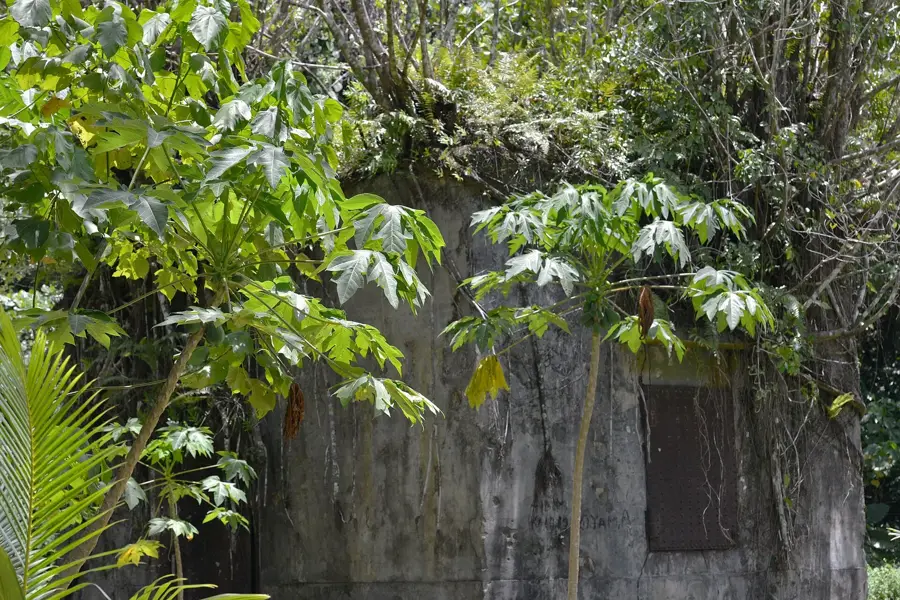
Bomb Shelter
World War II bomb shelter on Peleliu island, Palau.
Japanese Air Traffic Control Tower
Ruins of a Japanese air traffic control tower from World War II on Peleliu.
Memorial 1st Marine Division
Memorial for the 1st US Marine Division on Peleliu, Palau.
Peace Message Memorial
Peace memorial on Peleliu island, Palau, commemorates the battle.
Sights nearby
Frequently asked questions
Why is the beach called that?
Can you swim here?
Are there toilets there?
When is it most beautiful?
Is it crowded?
Orange Beach: where is it located?
Orange Beach: what is there to see?
Orange Beach: when is the best time to visit?
Orange Beach: why is it worth visiting?
Nearby cities

History & landmarks
Nature
More places