Attractions in Palau
The finest attractions in Palau at a glance: castles, natural wonders, historic old towns and more. Each place links to a detailed page with map, tips and photos.
Culture & History
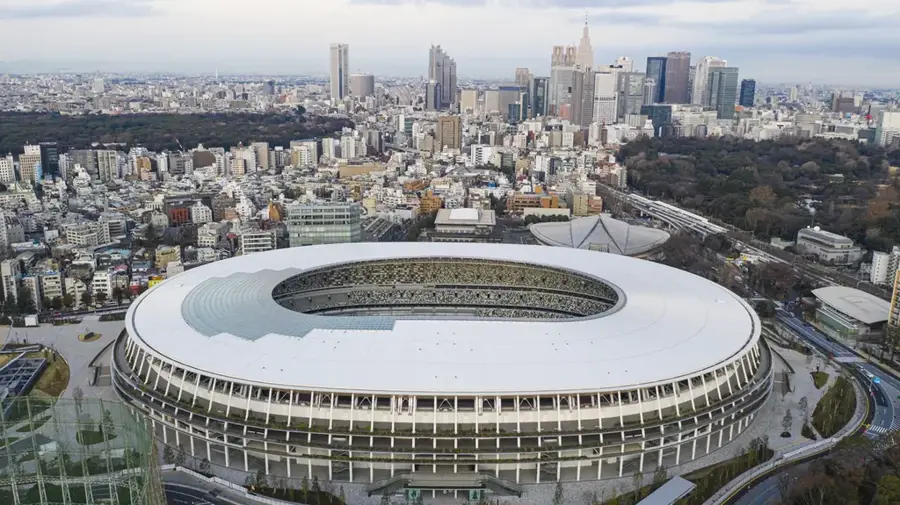
Palau National Stadium
The Palau National Stadium in Koror is the main venue for sporting events and national celebrations in the country.
Learn more →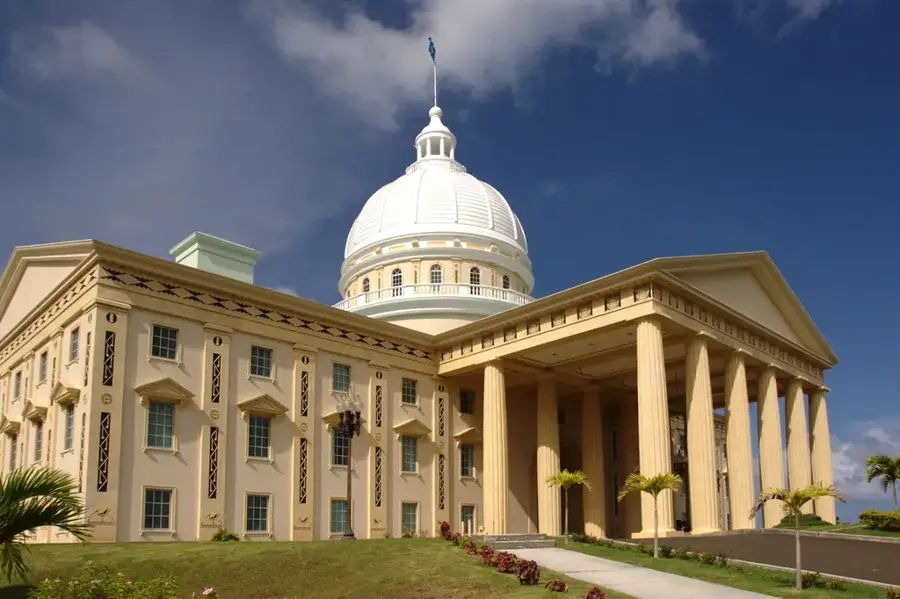
Palau Capitol Building
The Capitol Building in Ngerulmud is the official seat of the government of Palau.
Learn more →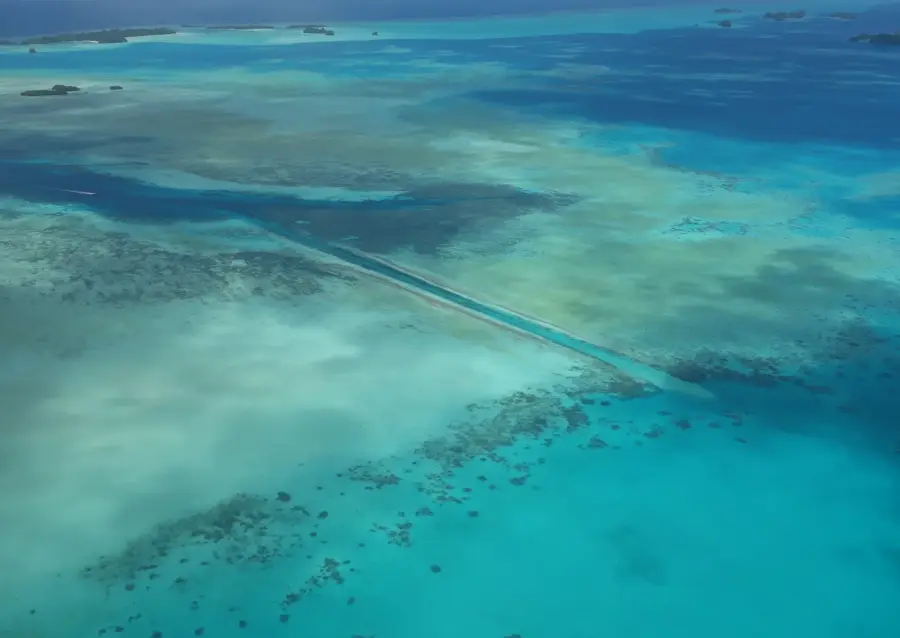
German Channel
This artificial channel was created during the German colonial period to allow the transport of phosphate from the southern lagoons.
Learn more →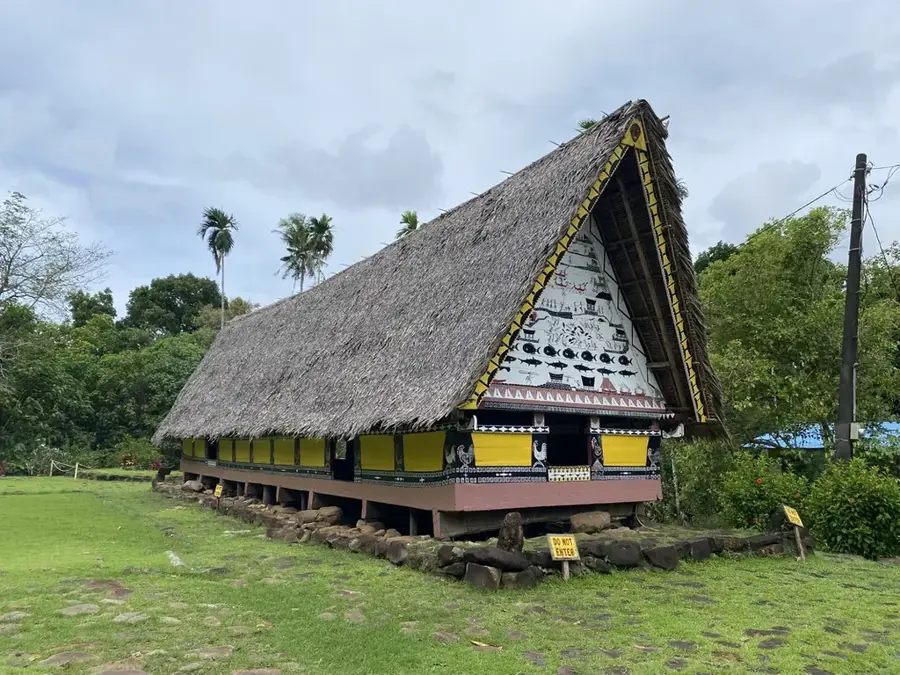
Bai ra Airai
This traditional meeting house, over 130 years old, is the oldest of its kind in Palau and a major cultural monument.
Learn more →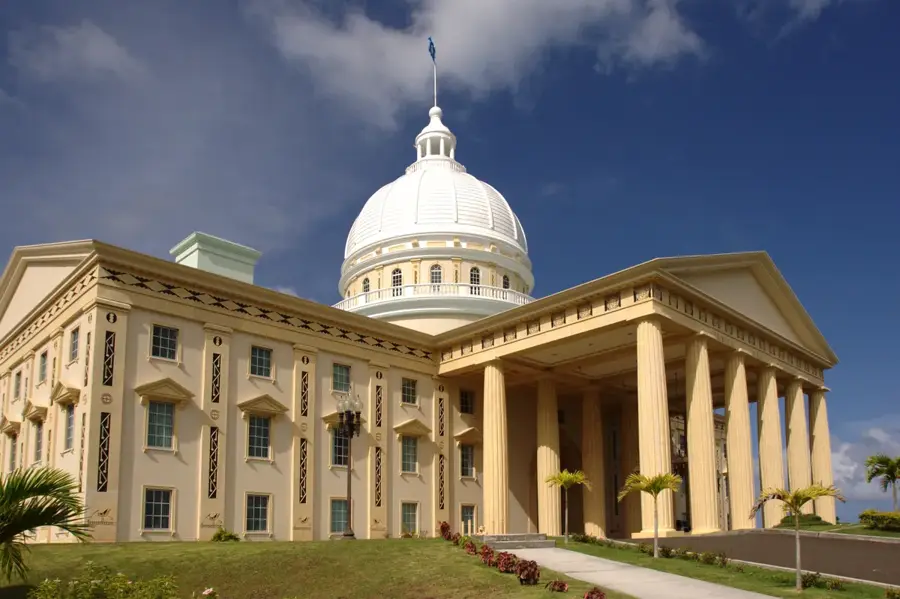
Ngerulmud Monoliths
Near the current seat of government are ancient stone structures that indicate the historical importance of this location.
Learn more →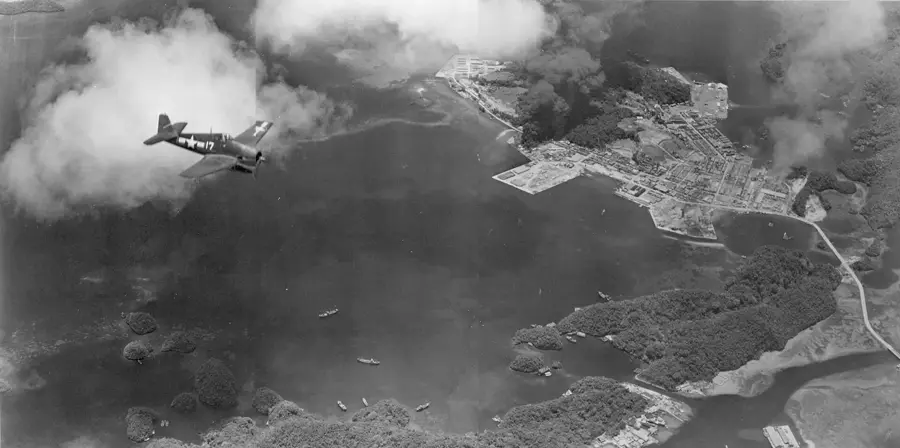
Chelechol ra Orrak
This limestone cave on an island near Koror served as one of the earliest burial sites in the archipelago about 3,000 years ago.
Learn more →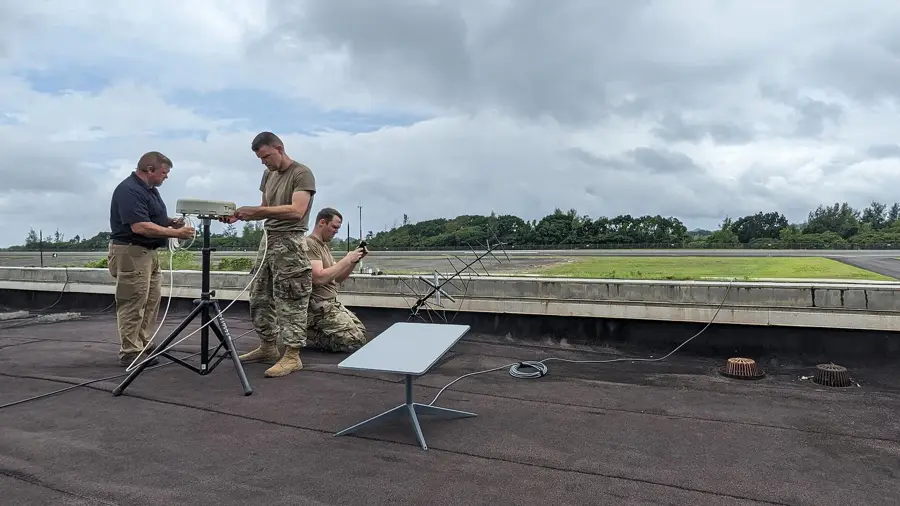
Japanese Communications Center
This ruin of a massive reinforced concrete building in Airai served as a communications hub for the Japanese military during WWII.
Learn more →
Badrulchau Monoliths
This archaeological site comprises 37 large stone monoliths dating back to around 161 AD.
Learn more →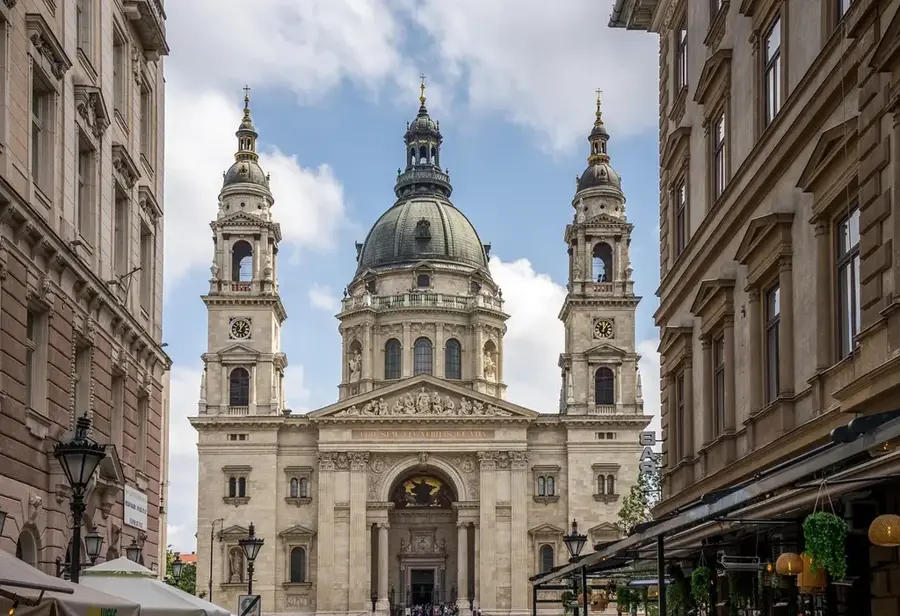
Roman Catholic Church of Koror
The Catholic church in the center of Koror is an important religious gathering place for the local population.
Learn more →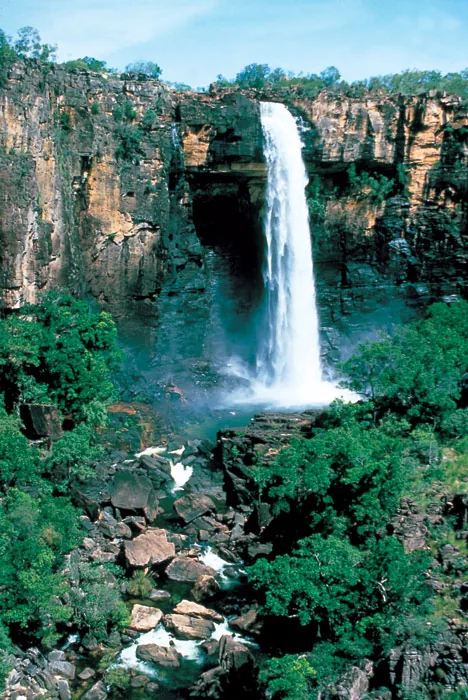
Imeong Village Ruins
The ancient village of Imeong houses significant stone platforms and terraces that once formed the cultural center of Ngeremlengui.
Learn more →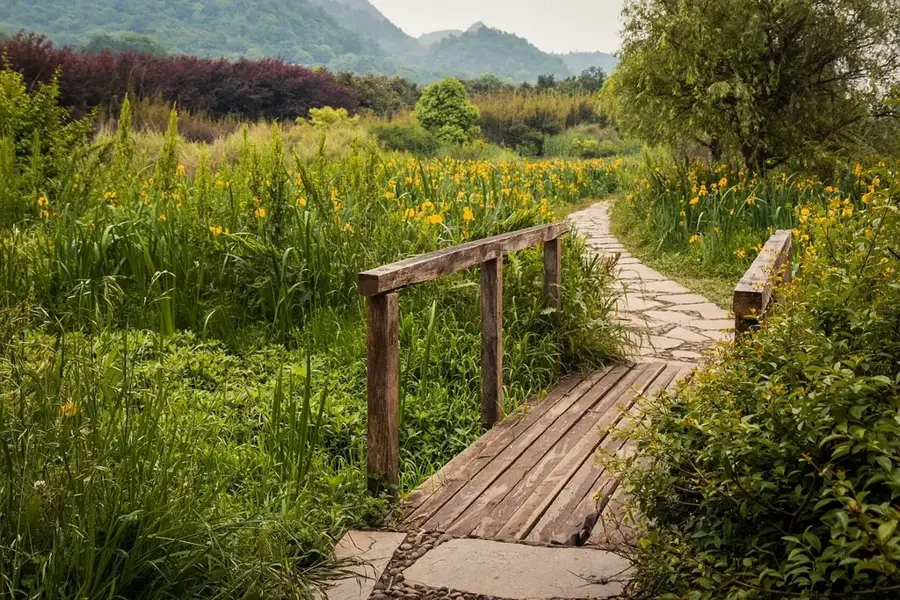
Ngaraard Stone Path
This historical path in Ngaraard is an excellent example of traditional road-building techniques using carved basalt stone.
Learn more →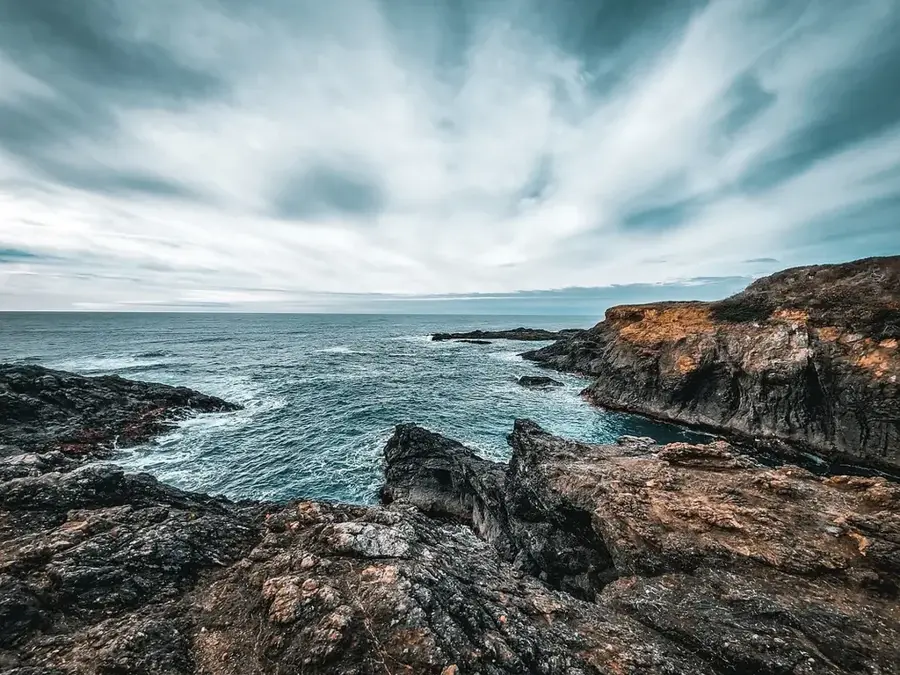
Ngeruktabel Stone Fort
On the uninhabited island of Ngeruktabel are remains of stone defensive works built before European contact.
Learn more →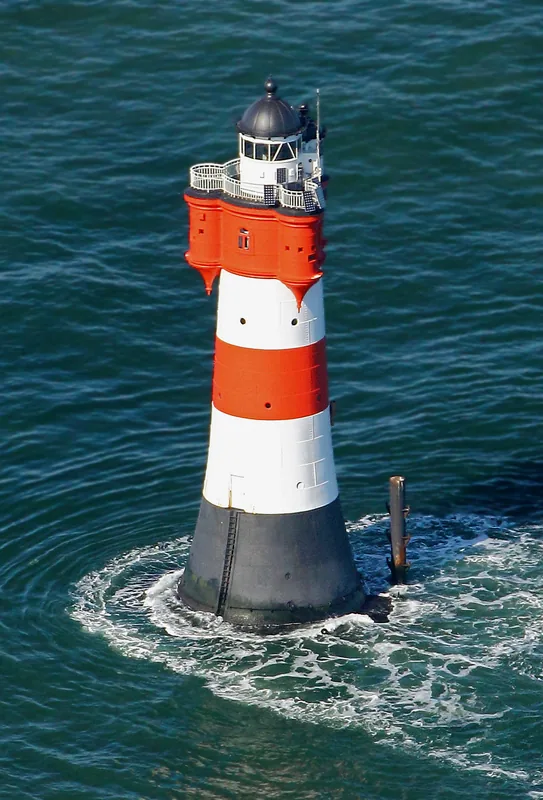
German Lighthouse
The German lighthouse on Peleliu was built during the German colonial period in the early 20th century.
Learn more →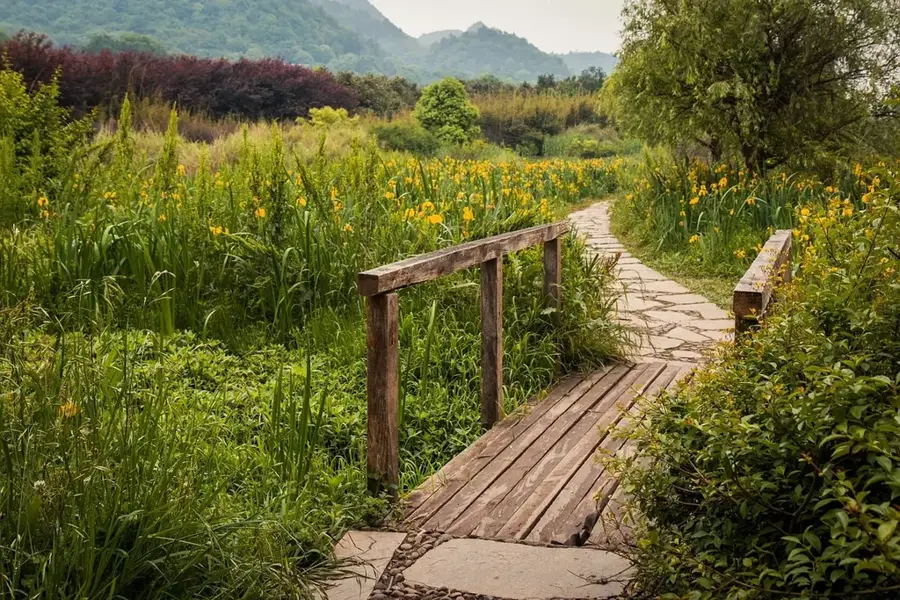
Airai Stone Path
The Airai Stone Path is a historic connecting road made of large stone slabs.
Learn more →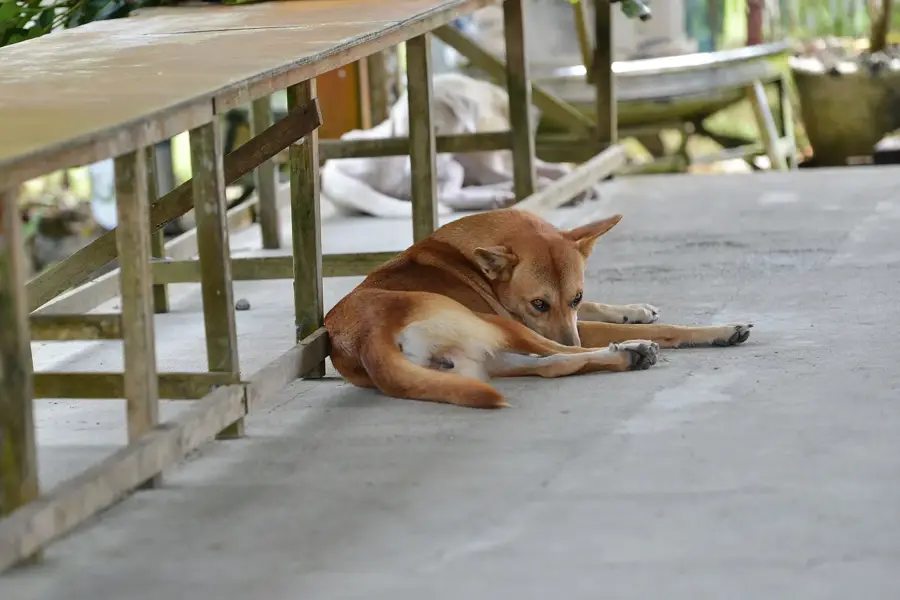
Aimeliik Terraces
These monumental earth terraces were shaped into the hills of Babeldaob by prehistoric societies.
Learn more →Nature
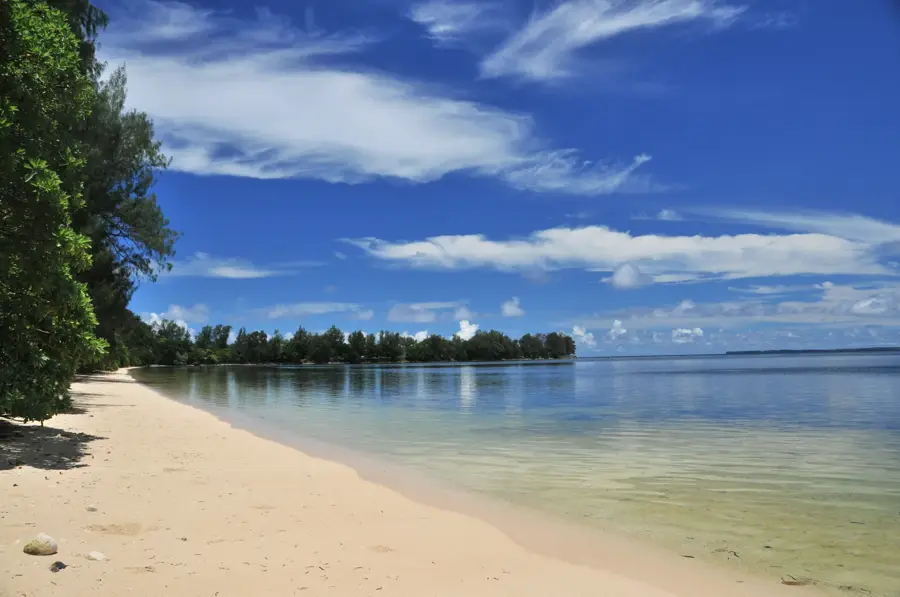
Peleliu Island
Peleliu is a low-lying coral island in the southern Palau archipelago.
Learn more →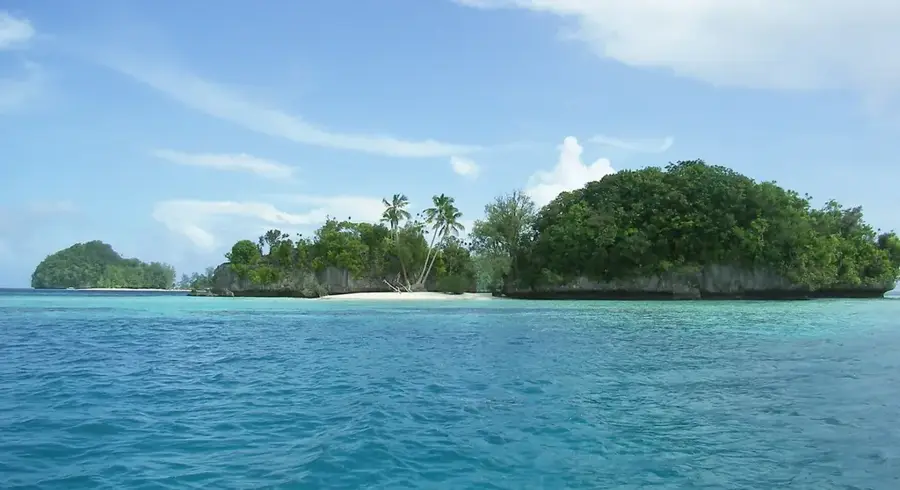
Rock Islands
The Rock Islands are a collection of over 200 limestone islands in Palau.
Learn more →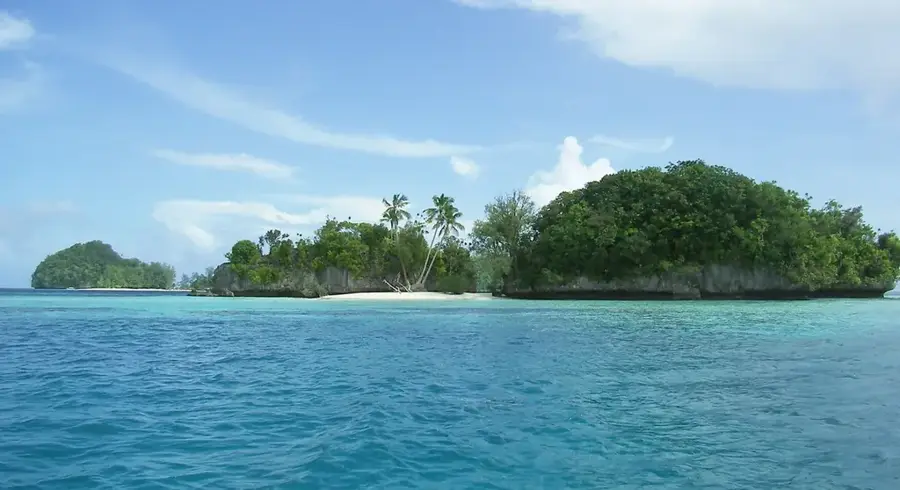
Eil Malk Island
Eil Malk is the largest island in the Mecherchar group of the Rock Islands.
Learn more →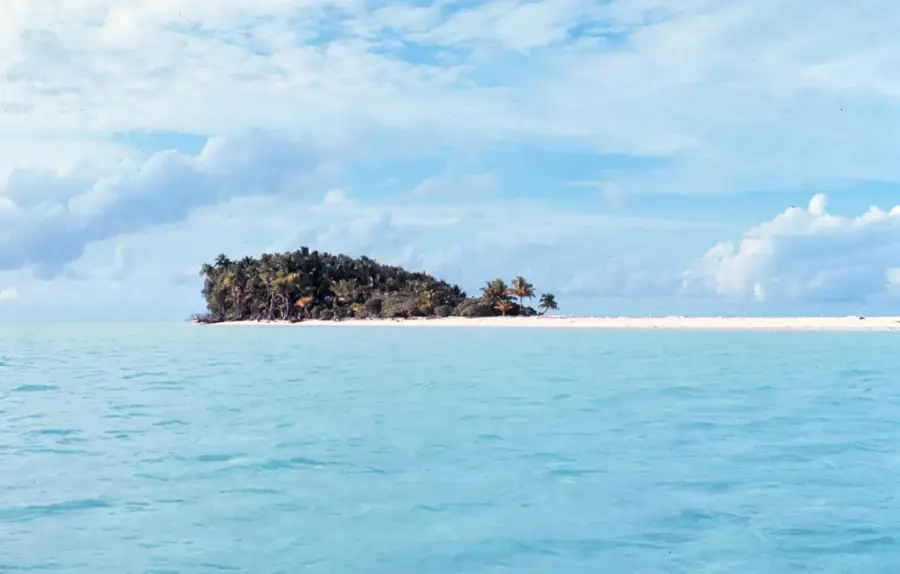
Helen Reef
Helen Reef is a large, remote atoll in the southwest of Palau.
Learn more →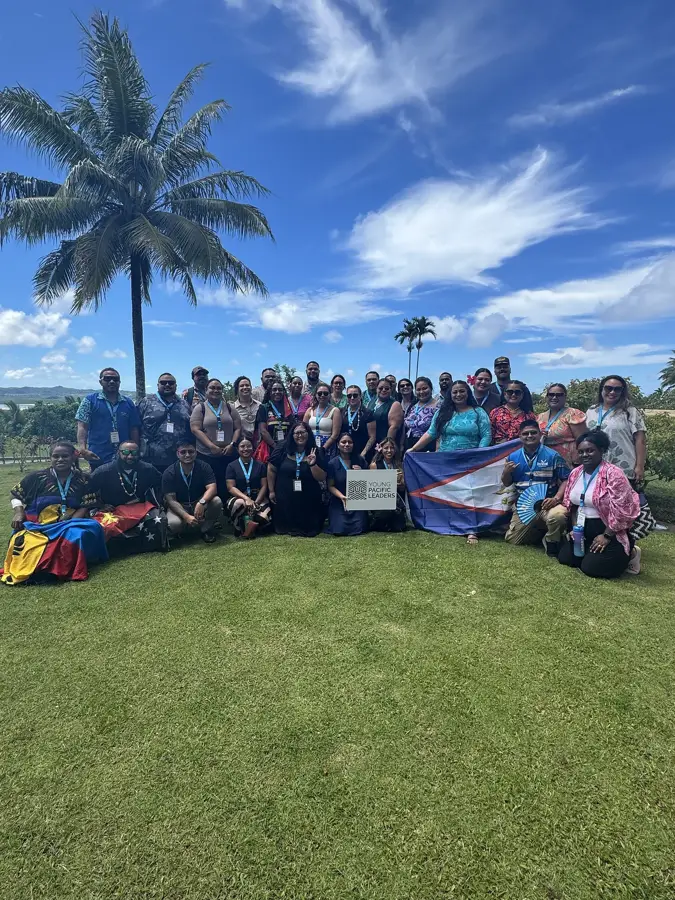
Lake Ngardok
Lake Ngardok is the largest natural freshwater lake in Micronesia.
Learn more →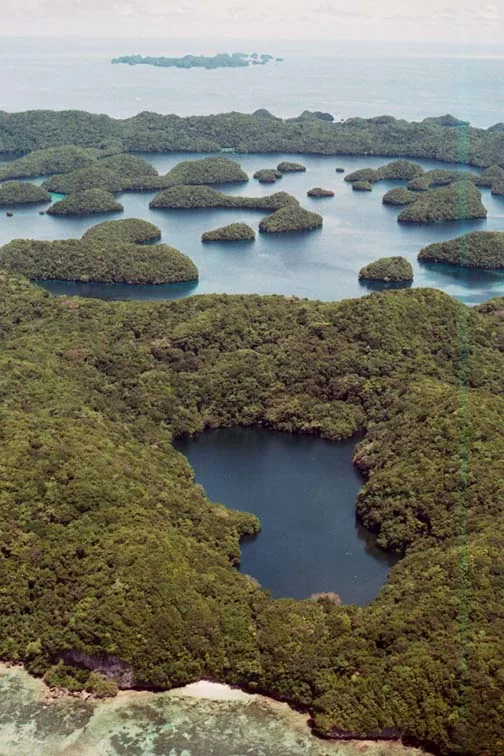
Jellyfish Lake
An isolated marine lake on Eil Malk island.
Learn more →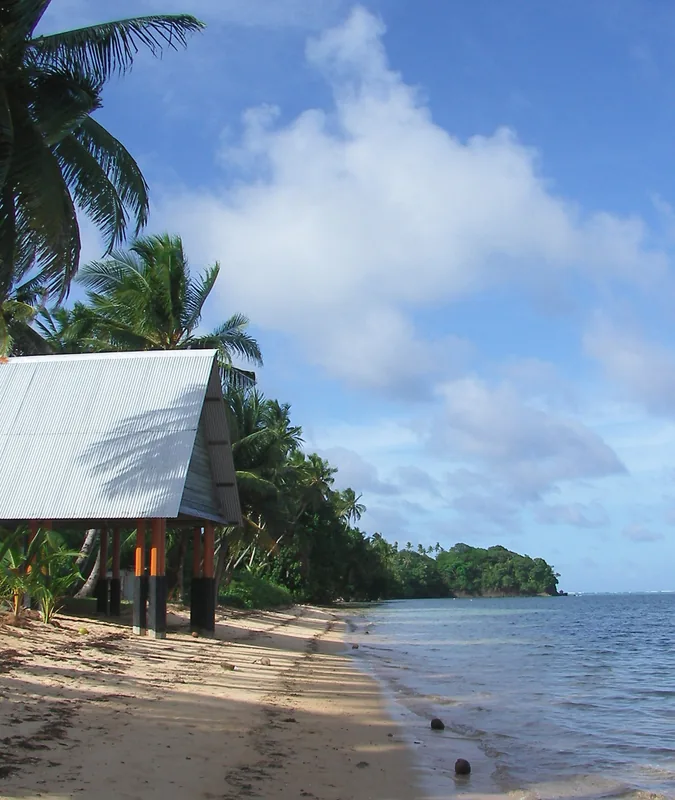
Babeldaob Mangroves
The mangrove forests of Babeldaob fringe large portions of the main island's coastline.
Learn more →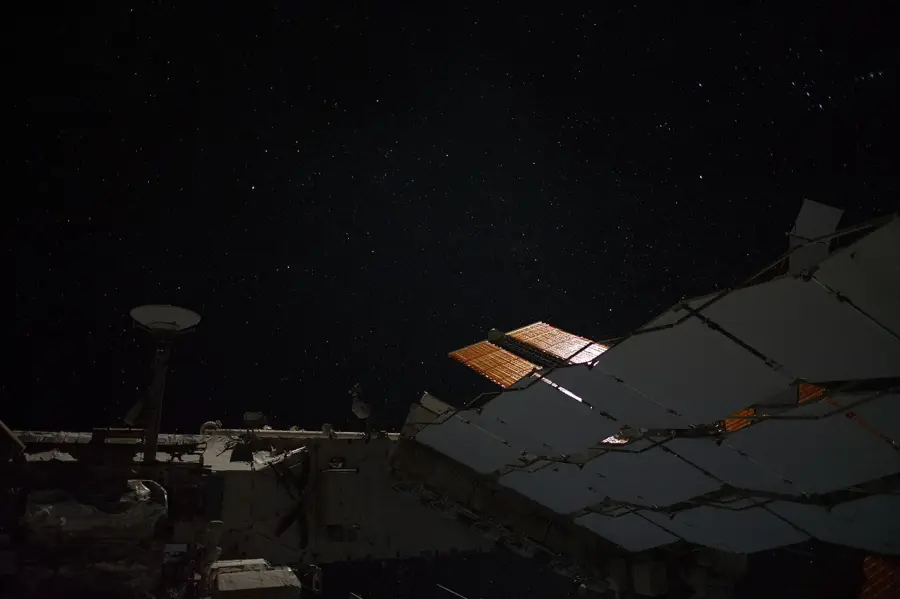
Merir Island
Merir is a lonely island in southwest Palau, famous for its sea turtle nesting sites.
Learn more →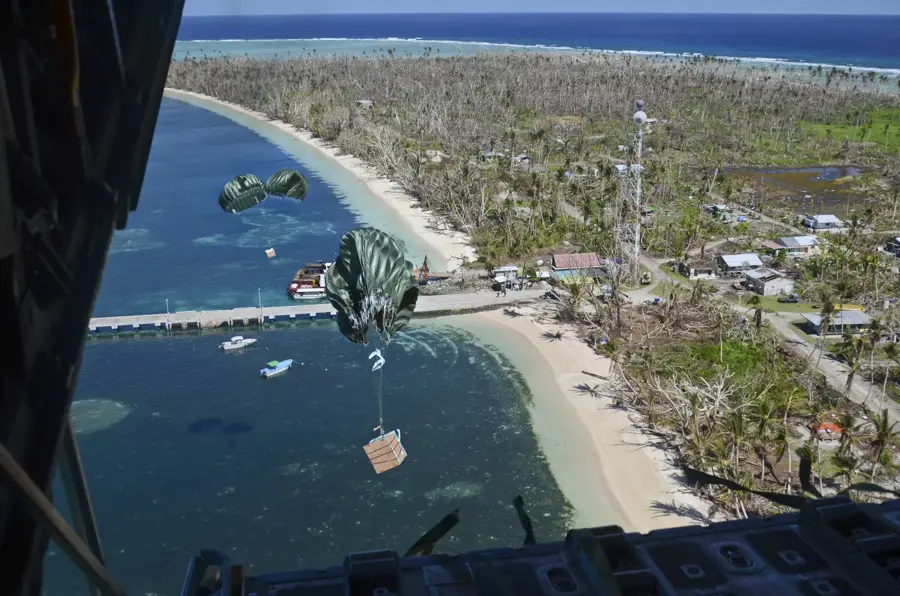
Kayangel Atoll
The northernmost atoll of Palau is known for its pristine coral reefs.
Learn more →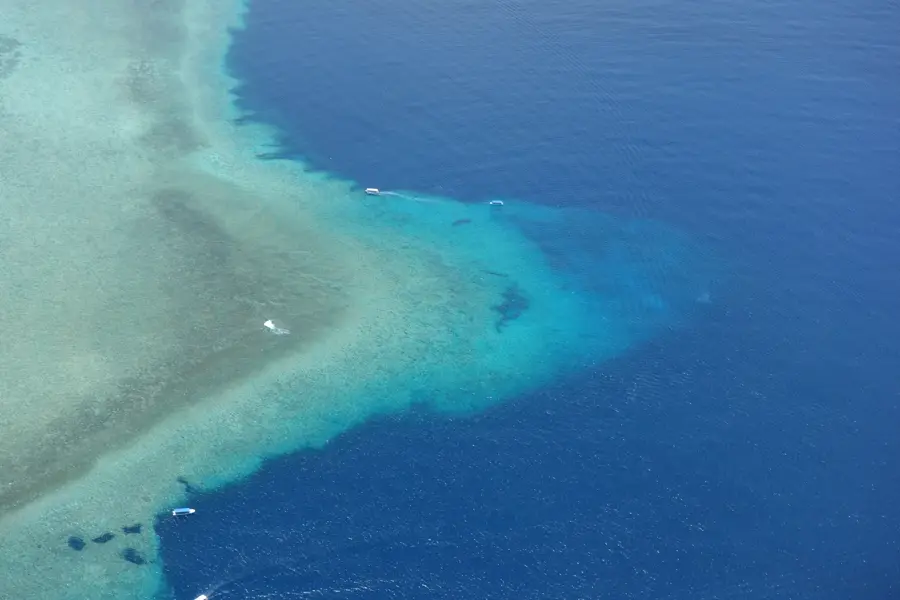
Blue Corner
One of the world's most famous diving sites with immense fish density.
Learn more →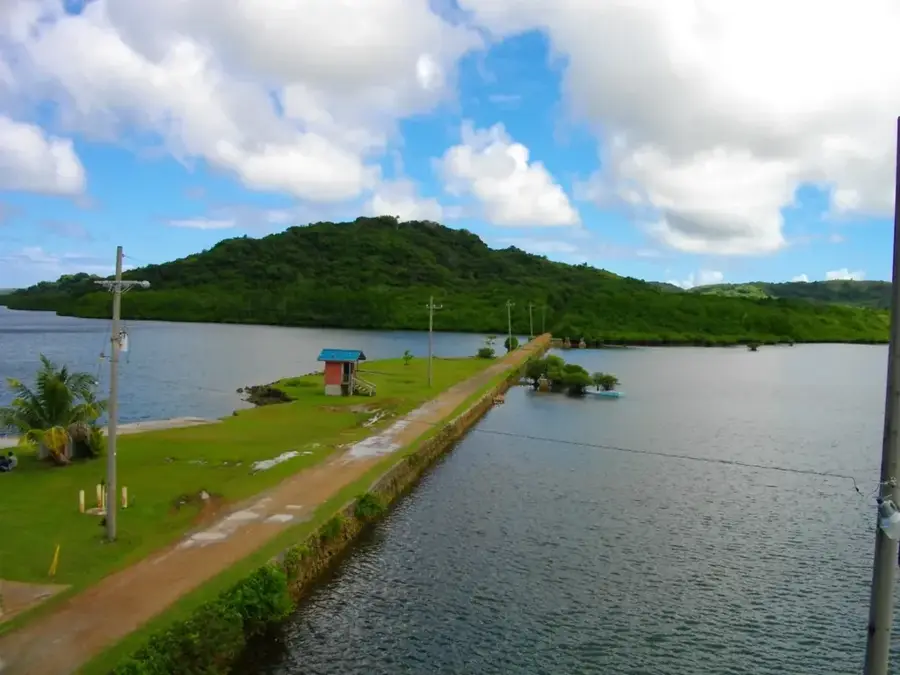
Ngardmau Waterfall
The tallest waterfall in Palau cascades from Mount Ngerchelchuus.
Learn more →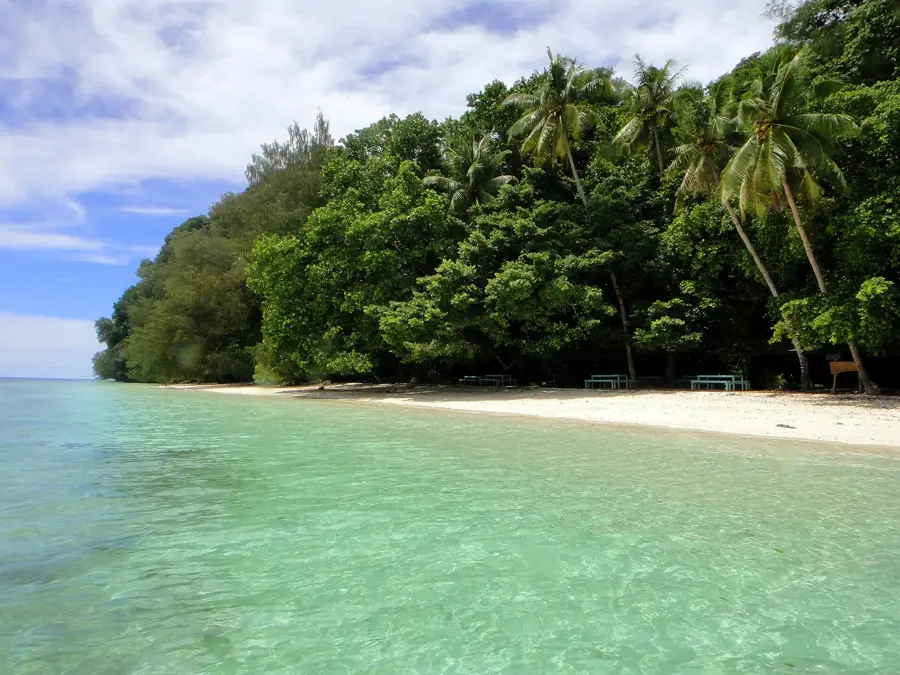
Ulong Island
Famous for its ancient rock paintings and rich flora.
Learn more →
Carp Island Reserve
A crescent-shaped island with rich coral gardens and mangroves.
Learn more →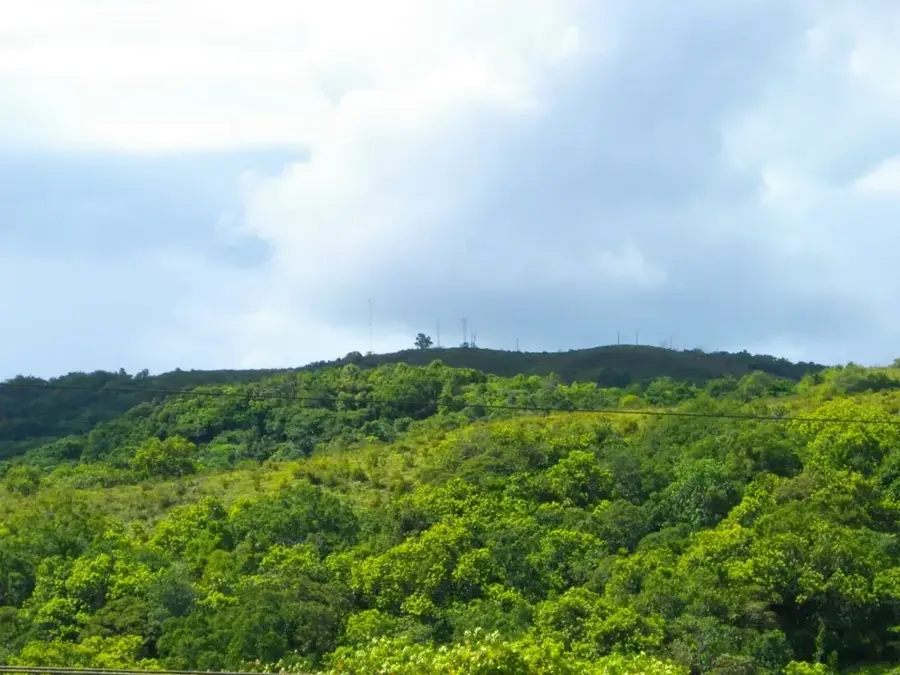
Mount Ngerchelchuus
Mount Ngerchelchuus is the highest point in Palau, reaching an elevation of 242 meters.
Learn more →
Ngaremeduu Conservation Area
This area encompasses the largest estuarine ecosystem in Palau, featuring mangrove forests and seagrass beds.
Learn more →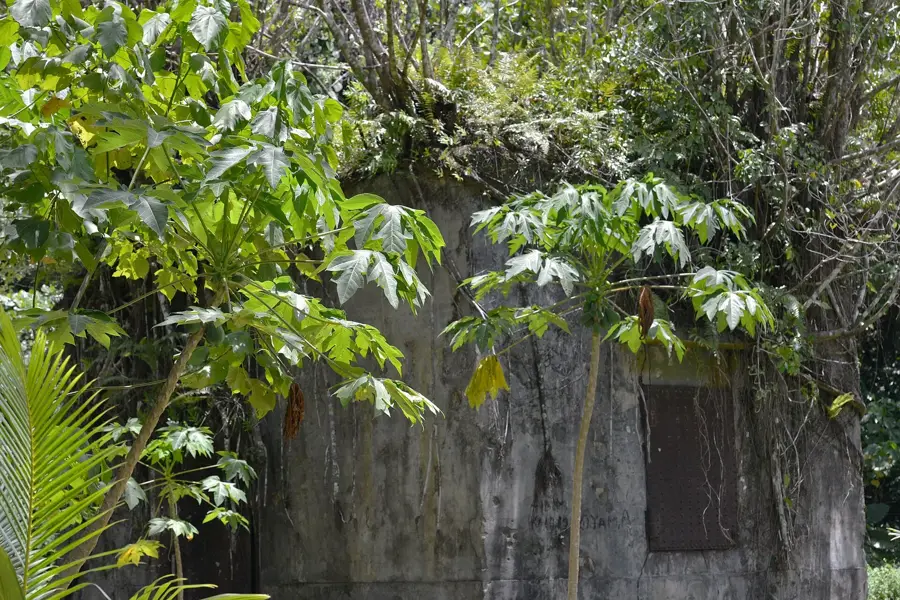
Bloody Nose Ridge
This rugged limestone ridge on Peleliu was a strategic point during World War II.
Learn more →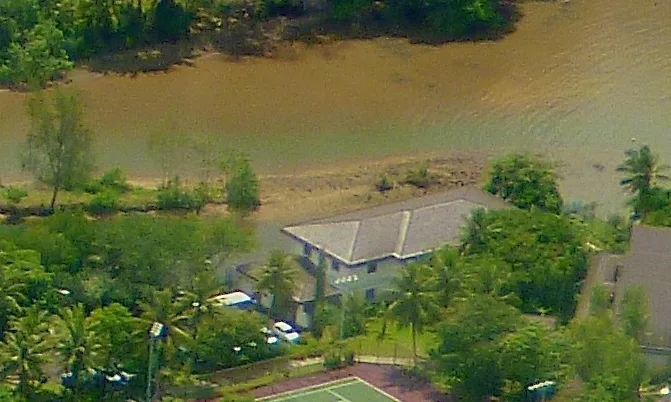
Ngerekebesang Hill
Ngerekebesang Hill is the highest elevation on Ngerekebesang Island.
Learn more →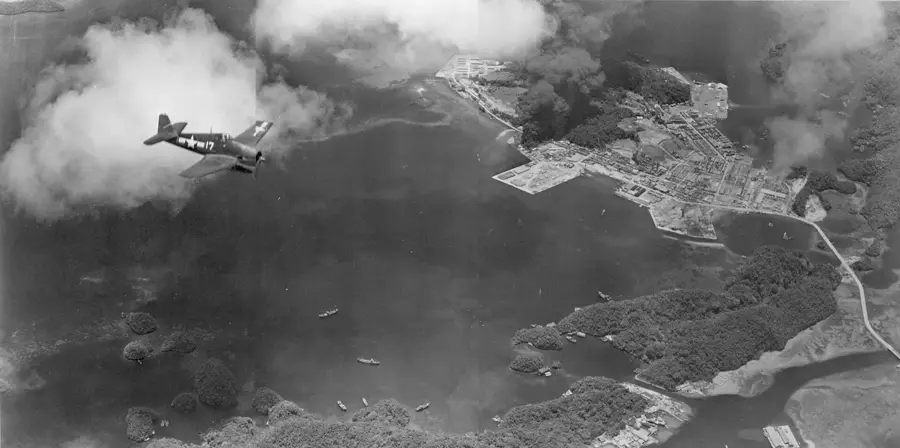
Malakal Peak
This hill on Malakal Island overlooks the most important harbor in Palau.
Learn more →Cities & Architecture
More highlights
Frequently asked questions
What are the top attractions in Palau?
Among the most popular are Palau National Stadium, Palau Capitol Building, Peleliu Island, Rock Islands, Eil Malk Island and many more – the full top 50 list is on this page.
When is the best time to visit Palau?
May to October offers the most pleasant weather; July and August are warmest and busiest.