Plizio Visual Lab
Ngiwal
ℹ️Practical info — Ngiwal
▾
🌤 Weather — 5 days
📍 Nearby
Sights nearby
💡 Tips
- Be respectful of local customs and always ask permission before exploring cultivated agricultural areas.
- The drive along the east coast to Ngiwal gives some of the most easy on the eye ocean views on the island.
- Stop by the local village center; it functions as the social heart of this tight-knit and welcoming community.
- Bring insect repellent if you plan to walk near the fertile, forested edges of the village.
🍽 Food
Ngiwal is known for its fertile soil; the taro grown by the villagers is a must-try.
Freshly caught fish is a dietary staple in this coastal village; best enjoyed grilled.
Enjoy locally grown bananas and papayas sourced directly from the village farmers.
🛍 Shopping · 🧘 Quiet spots
Purchase fresh produce and agricultural goods directly from the local growers.
Look for traditional Palauan weaving and baskets made by skilled local artisans.
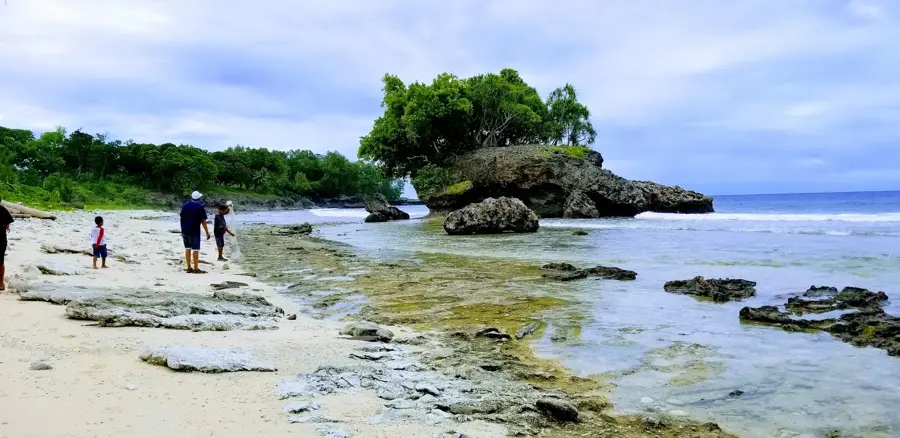
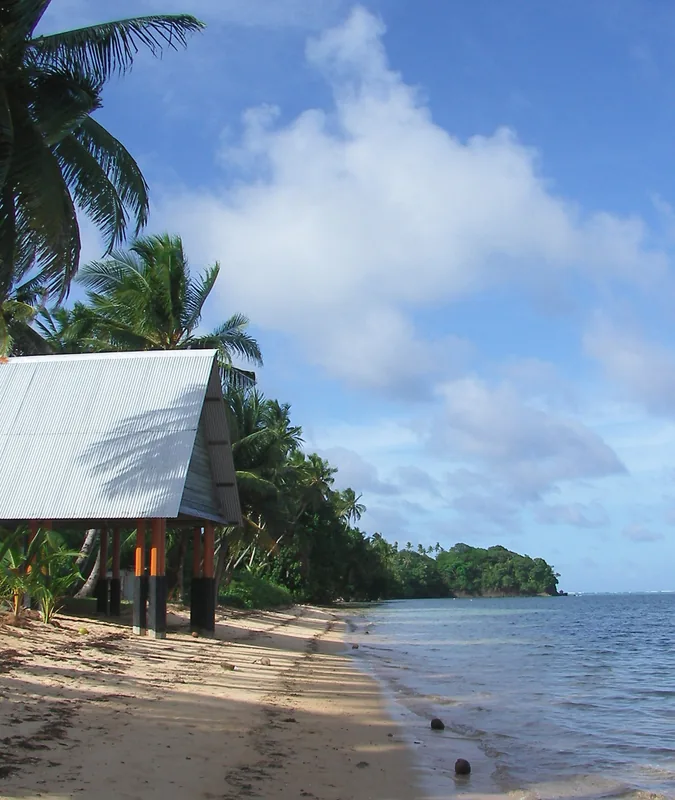
An untouched stretch of beach that is good for a quiet, meditative afternoon by the water.
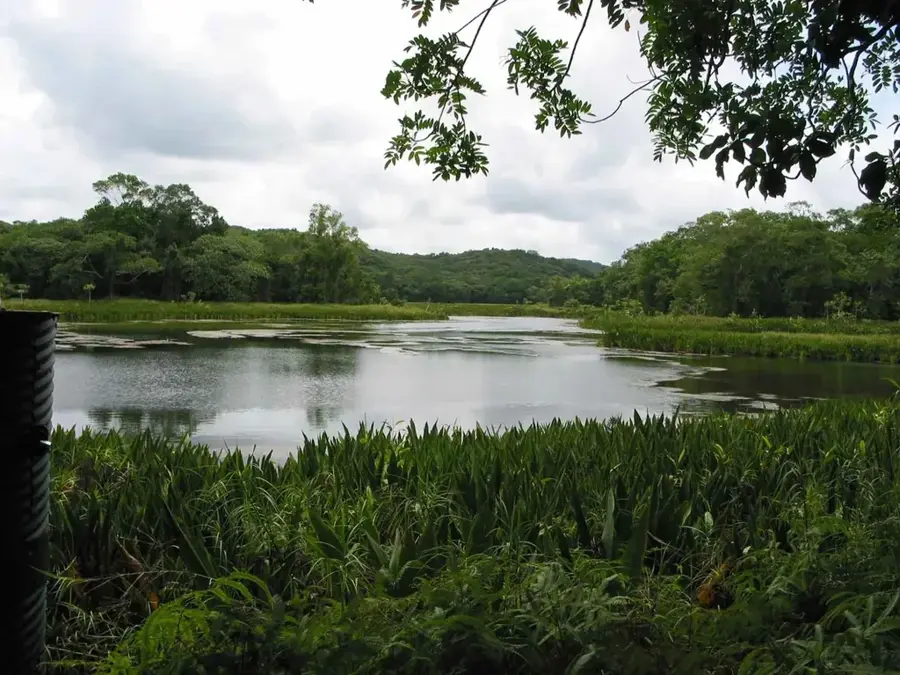
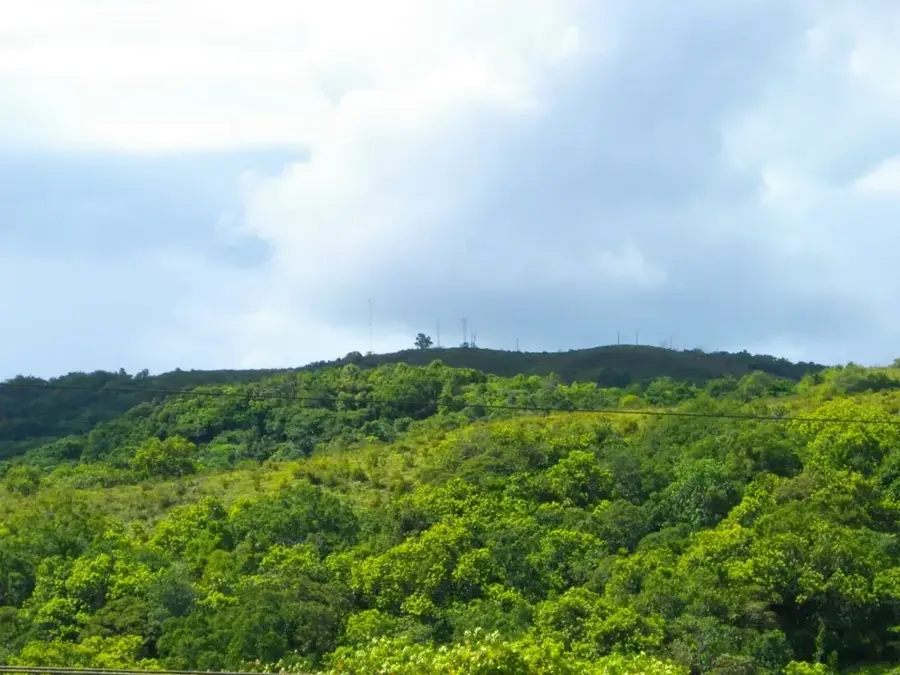
The lush green agricultural fields offer a wonderfully peaceful, traditional landscape.
Water temperature…
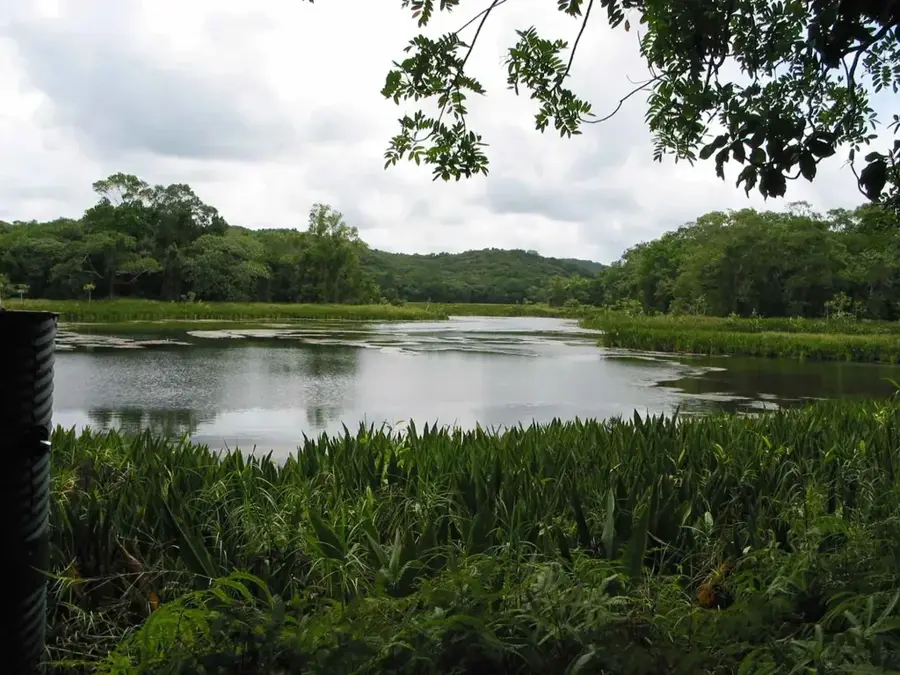
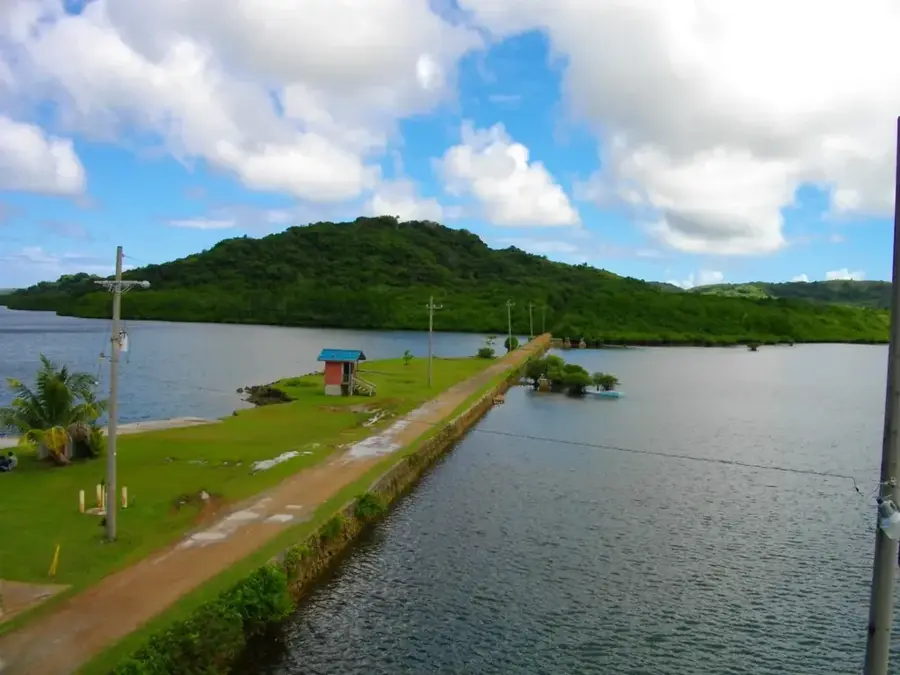
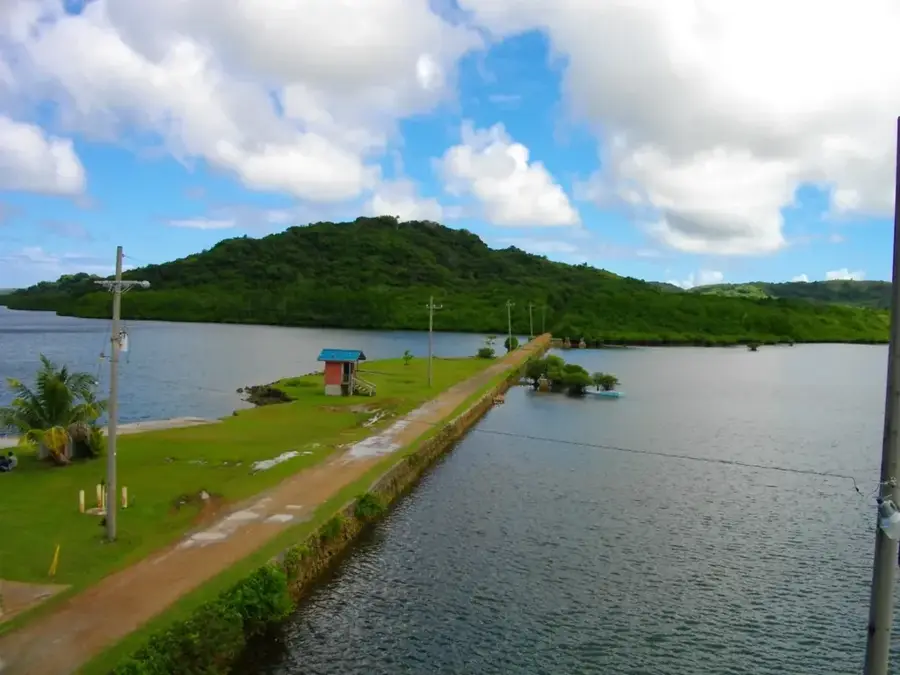
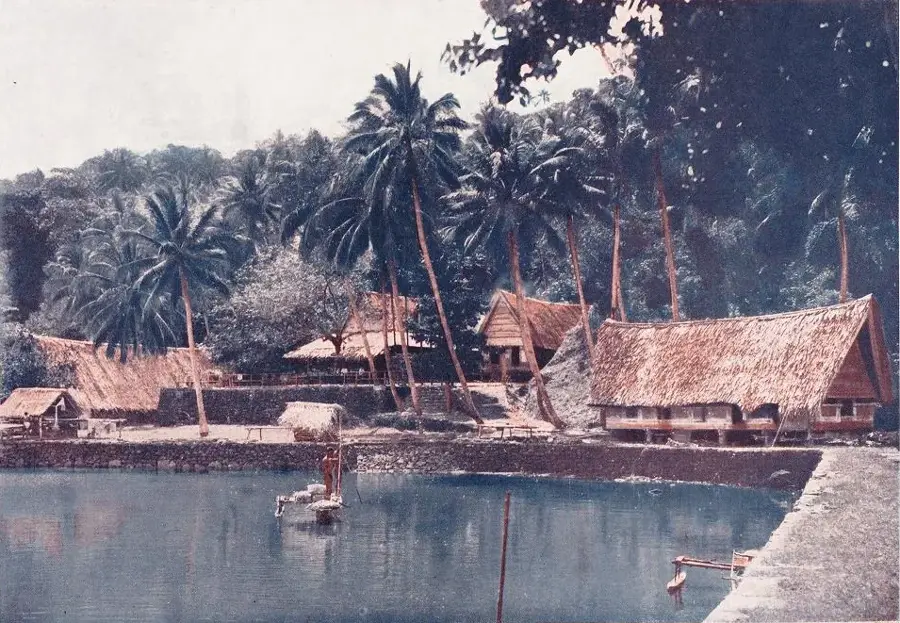
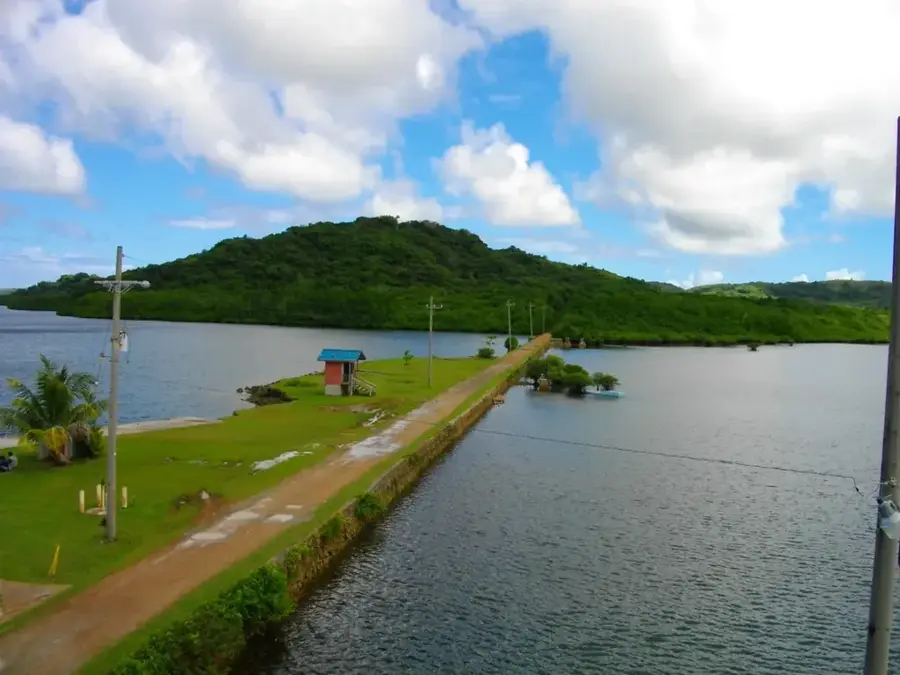
Ngiwal is a coastal village on the eastern side of Babeldaob, serving as the capital of Ngiwal State in Palau. Long referred to as the 'place of abundance,' the area is blessed with fertile soil that supports a variety of crops, most notably tapioca, for which the village is locally famous. The settlement is laid out along a beautiful coastline, where the community of roughly 220 people maintains a lifestyle balanced between land and sea. Agriculture remains the backbone of the local economy, and the village is a key producer of traditional staples for the country. For visitors, Ngiwal features an authentic look at Palauan village life, characterized by its scenic ocean views, lush garden plots, and a community deeply connected to the natural resources of their environment.
- Location: Palau
- Nearby: Ngerulmud (4 km)
- Population: ~223 (2026)
Best time to visit & climate
The most pleasant time to visit is Feb–Apr.
| Jan | Feb | Mar | Apr | May | Jun | Jul | Aug | Sep | Oct | Nov | Dec | |
|---|---|---|---|---|---|---|---|---|---|---|---|---|
| Avg °C | 28 | 28 | 28 | 28 | 28 | 28 | 28 | 28 | 28 | 28 | 28 | 28 |
| Rain mm | 216 | 197 | 183 | 177 | 279 | 331 | 375 | 303 | 284 | 236 | 239 | 246 |
Geography
Facts
- State on the east coast of Babeldaob
- Historic center for taro cultivation
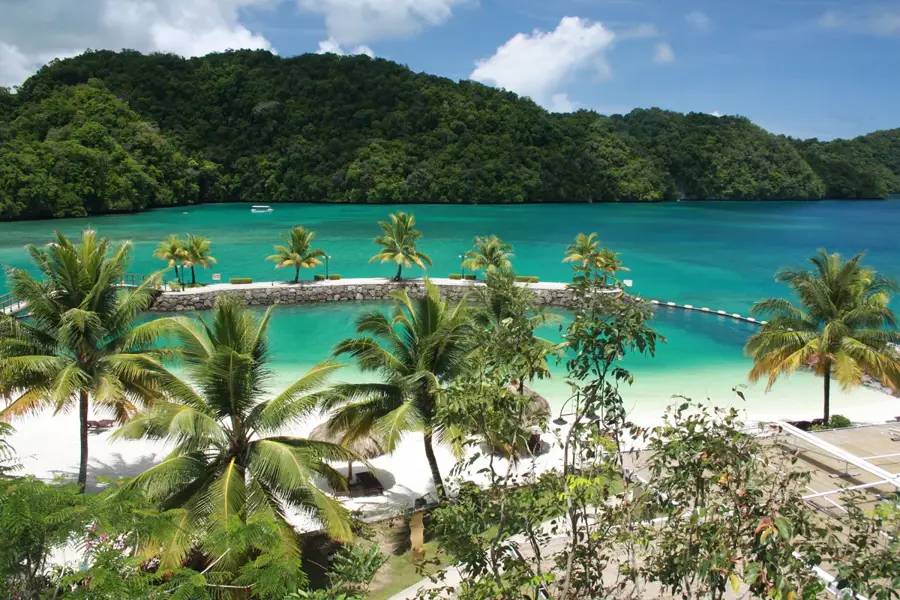
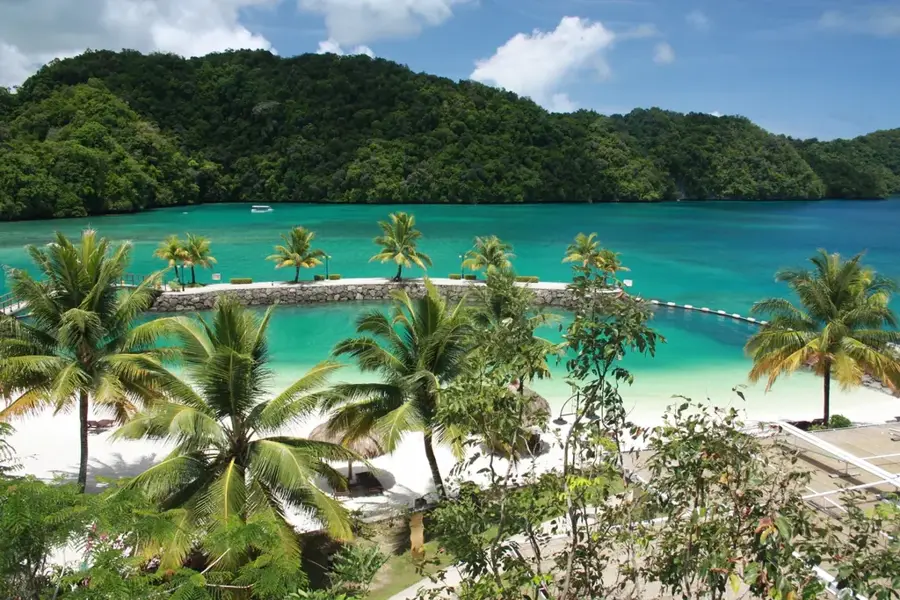
- Features white sand beaches
- Key agricultural site for Palau
- Rich marine ecosystem offshore
- Fishing is a primary local activity
Explore nearby
Notable places around
Route planner — Car & Motorhome
Where do you start? We build the route here, with stops and country notes along the way.
© OpenStreetMap contributors · OpenRouteService
Frequently asked questions
How long for Ngiwal?
Best time of year?
How to travel there?
Are there any sights?
Family-friendly?
Ngiwal: where is it located?
Ngiwal: when is the best time to visit?
Ngiwal: why is it worth visiting?
Nearby cities


History & landmarks


Nature
More places