Plizio Visual Lab

Angaur Battlefield

Plizio editorial teamData Sources
battlefield
—°4
Angaur Battlefield (Palau)

Weather…

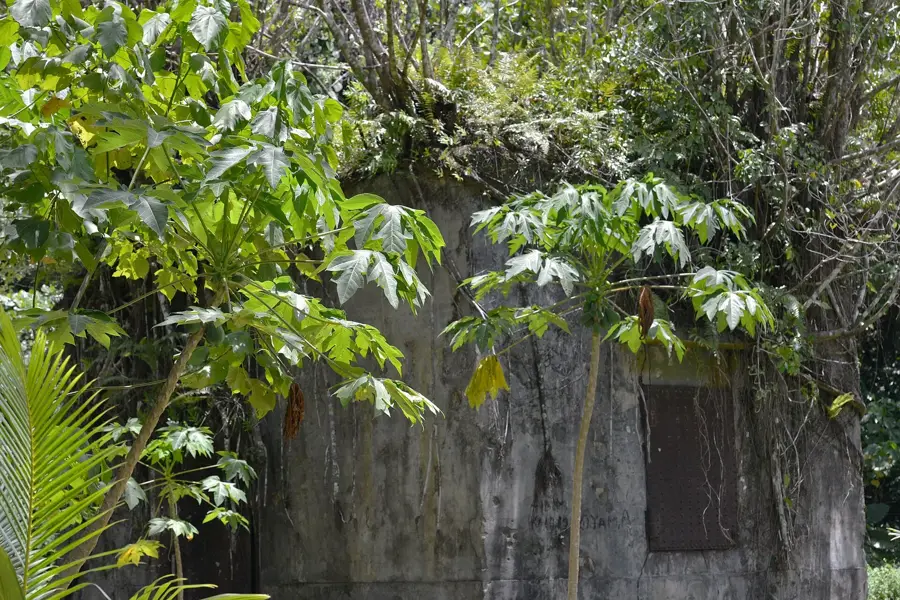
The Angaur Battlefield is a site of profound historical significance, marking one of the fiercest chapters of the Pacific Theater in 1944. The invasion by the U.S. Army's 81st Infantry Division aimed to secure the island as a strategic airbase to support the liberation of the Philippines. Japanese defenders utilized the island's rugged coral caves and abandoned phosphate mines to establish a formidable defensive network, leading to brutal, close-quarters combat with high casualty rates on both sides. The resistance in the "Northwest Corner" was particularly notorious, continuing for weeks after the island was officially declared secure. Today, while tropical growth is reclaiming the scars of battle, the island remains a somber open-air museum filled with rusted tanks, artillery pieces, and concrete bunkers. Numerous memorials and shrines honor those who fell, making Angaur a vital place of remembrance and a poignant reminder of the costs of war set against the backdrop of Palau's natural beauty.

Best time to visit & climate

The most pleasant time to visit is Feb–Apr.

JanFebMarAprMayJunJulAugSepOctNovDec
Avg °C282828282828282828282828
Rain mm207194182159264316343269248203215227

📋 Practical info

🚪
Visiting
This historic battlefield is generally open to the public as an outdoor site, allowing visitors to explore the remnants of military engagements set within a jungle setting. It provides a profound and often solemn opportunity to reflect on the intense events of the Second World War.
🕒
Typical hours
As it is primarily an unfenced, open-air outdoor site, you can normally visit during daylight hours when visibility is completely safe. There are no strict formal operating times, but exploring during the early morning is highly recommended to beat the exhausting midday tropical heat.
📷
Photography
Photography is entirely unrestricted throughout the site, providing ample opportunities to capture the rusting military relics contrasted against the lush, creeping tropical vegetation. However, please be careful to respect the historical value and do not disturb any fragile artifacts while taking pictures.
⏱️
Time needed
Visitors typically spend about one to two hours wandering along the jungle trails and examining the various preserved monuments and haunting equipment remnants. If you are deeply interested in military history, you will certainly want to allocate extra time for an extended, unhurried walk.
Combine with
Complement your historical battlefield tour with a short trip to the nearby pristine island beaches, where you can relax by the calm waters after reflecting on the troubled past. It also makes logical sense to include other World War II memorial sites across Palau into a more comprehensive itinerary.
🧭
Getting there
Accessing the island typically requires arranging a boat or a short domestic flight departing from Koror. Once you have actually arrived on Angaur, renting a bicycle or hiring a local knowledgeable guide is often the very best way to efficiently navigate the unpaved dirt roads to the battlefield site.
💡
Insider tip
Make absolutely sure to wear sturdy footwear and bring plenty of strong bug repellent and drinking water, as the tropical terrain can be quite rugged and facilities are lacking on-site. Never touch any unexploded ordnance if you happen to discover it while wandering off the main marked trails.

Geography

Coordinates
6.90600, 134.13100

Facts

  • The invasion began on September 17, 1944
  • Operation was part of the broader Stalemate II campaign
  • The U.S. Army's 81st Infantry Division led the assault
  • Approximately 1,300 Japanese soldiers defended the island
  • The island was declared secure on October 22, 1944
  • U.S. forces constructed two runways for B-24 bombers

Explore nearby

Notable places around

Route planner — Car & Motorhome

Where do you start? We build the route here, with stops and country notes along the way.

Vehicle
Only stops with (optional):

© OpenStreetMap contributors · OpenRouteService

Sights in the town Angaur Battlefield (4)

Our Lady of the Rosary Church

Catholic church on Angaur, a simple building with corrugated roof and bell tower.

Elechol Ra Nguruhei

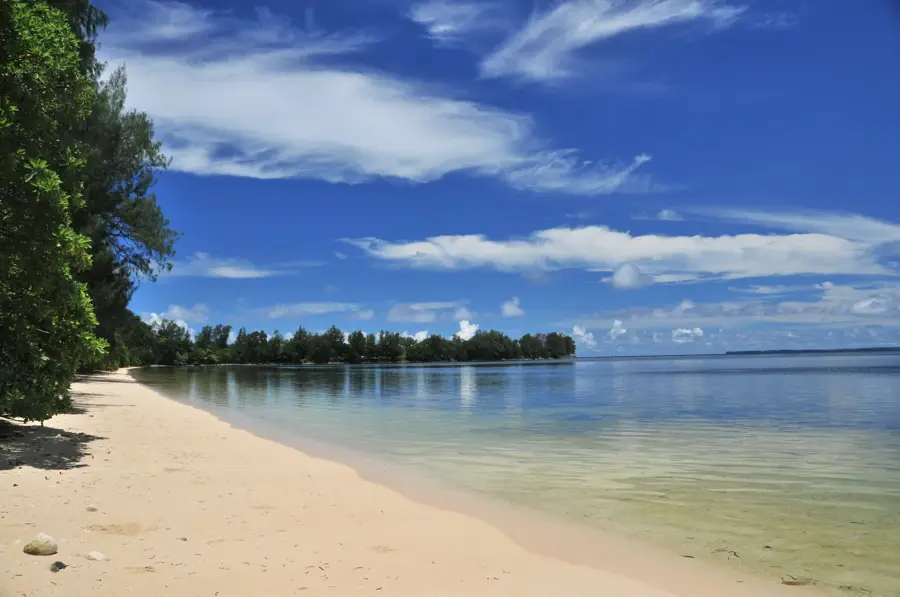
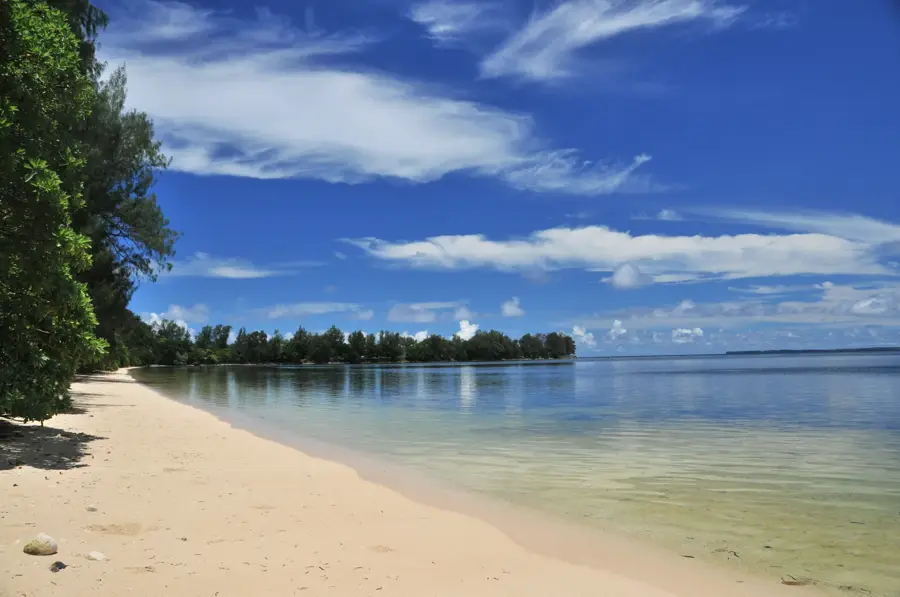
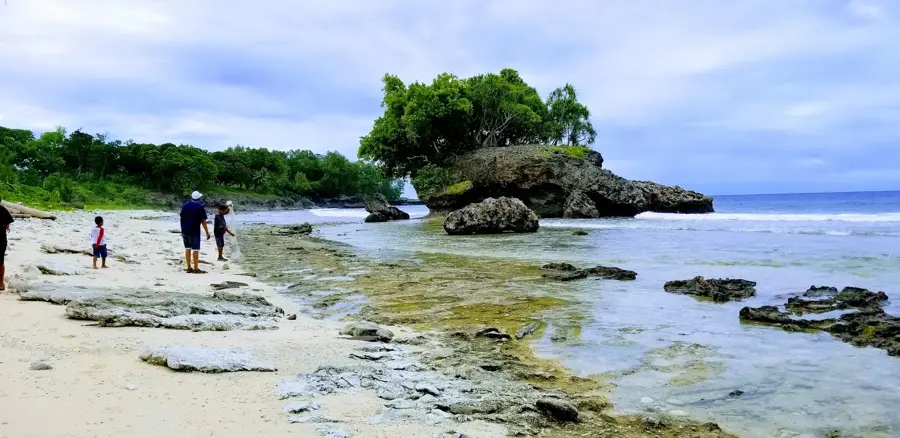
Sandy beach on Angaur's northwest coast, lined with palm trees and rocks.

Elechol Ra Ngmersau

Beach section on Angaur's west side, calm water and soft sand.

Elechol Ra Ngeriois

Coastal strip on eastern Angaur, rocky with a narrow sand band.

Sights nearby

Frequently asked questions

Why are there battlefield remnants here?
Angaur was the scene of fierce fighting between American and Japanese troops in 1944.
Is the terrain dangerous?
Stay on marked paths, as old ordnance could still exist in remote areas.
What is the best time to visit?
During the drier months to better traverse the dense undergrowth.
Do you need a visa for Angaur?
As part of Palau, the general entry requirements of Palau apply.
Are there museums there?
No, the battlefield itself serves as an open-air museum with informative signs.
Angaur Battlefield: where is it located?
Angaur Battlefield is located in Palau.
Angaur Battlefield: what is there to see?
Highlights include Our Lady of the Rosary Church, Elechol Ra Nguruhei, Elechol Ra Ngmersau.
Angaur Battlefield: when is the best time to visit?
The most pleasant time to visit is Feb, Apr.
Angaur Battlefield: why is it worth visiting?

The Angaur Battlefield is a site of profound historical significance, marking one of the fiercest chapters of the Pacific Theater in 1944.
View on map → The Top 50 Attractions → OpenStreetMap →
Oceania
Explore with Plizio Discover more places in Oceania
More places in Palau →

Nearby cities

History & landmarks
Nature
More places