Plizio Visual Lab

Ubar (Shisr)
Plizio editorial teamData Sources
ruin
—°1
Ubar (Shisr) (Oman)

Weather…

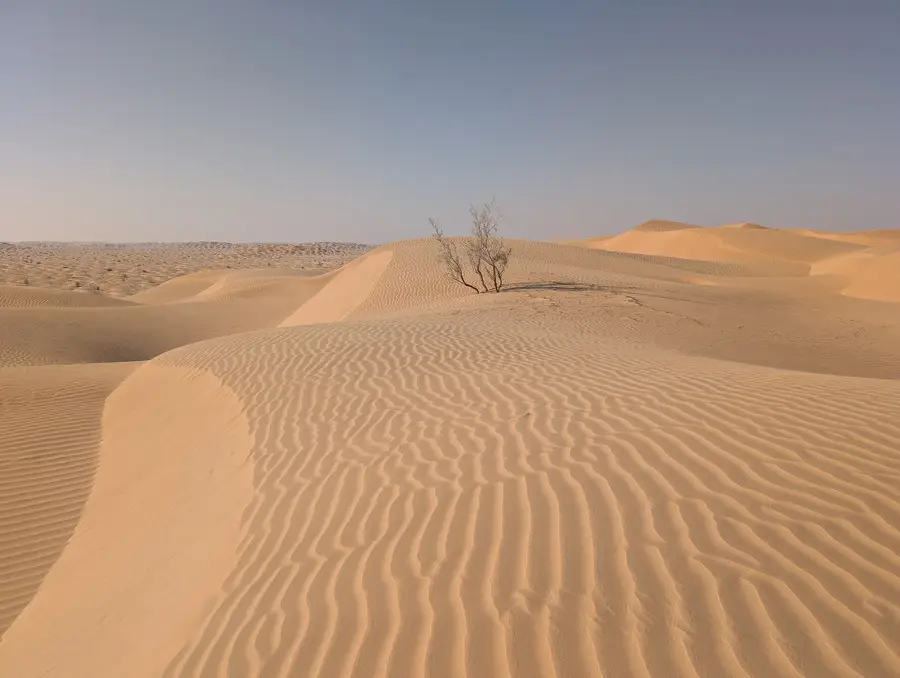
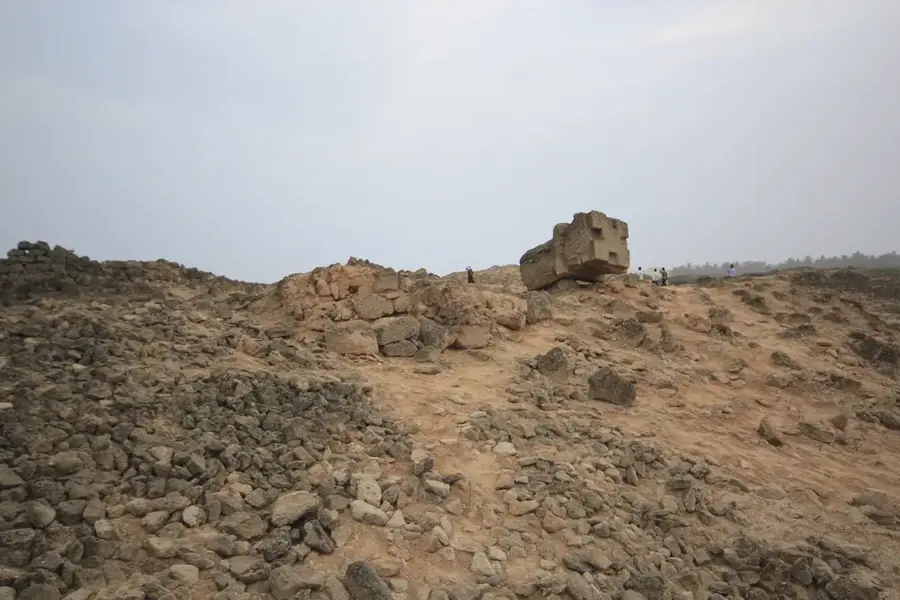
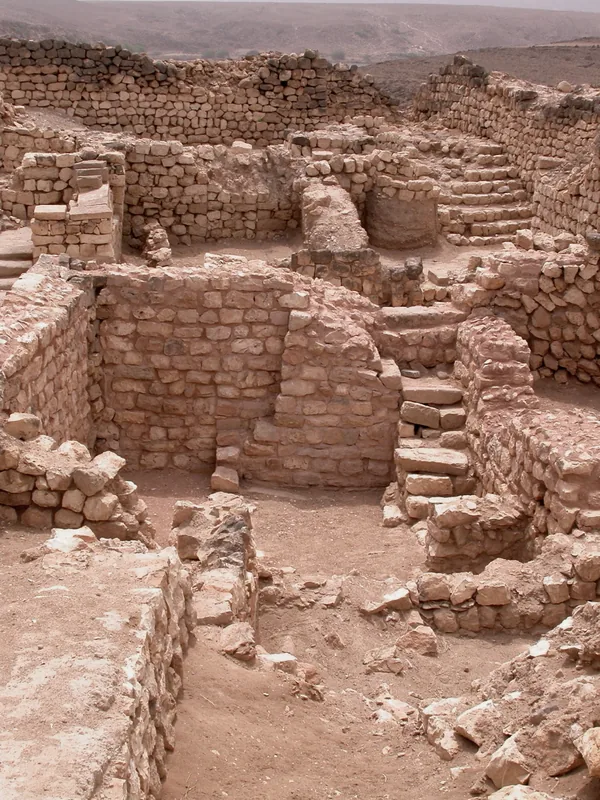
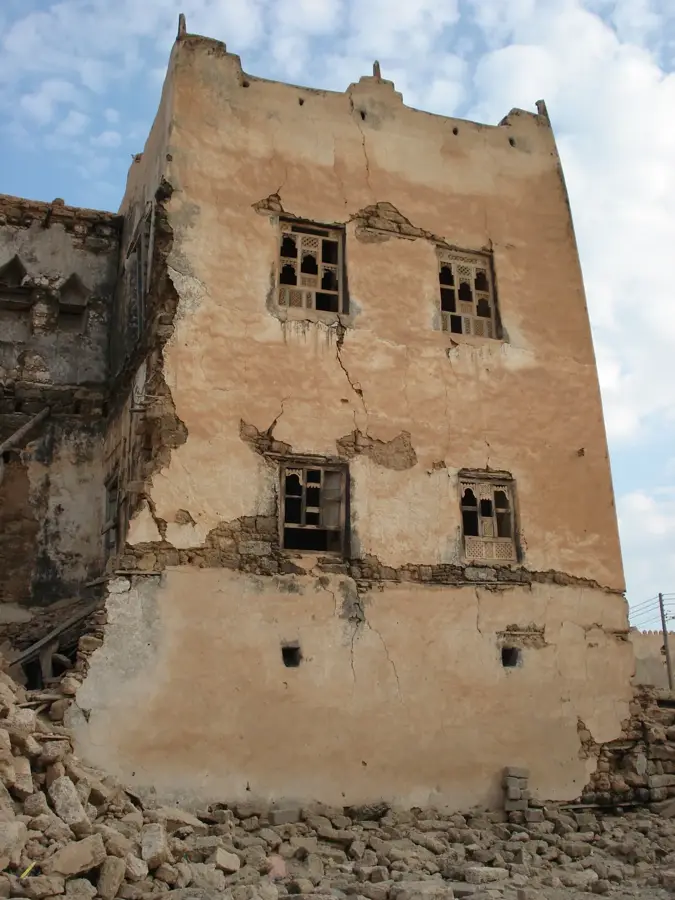
Ubar, often called the 'Atlantis of the Sands,' was a legendary lost city on the edge of the Rub' al Khali desert. For centuries, it was considered a myth until its remains were discovered in 1992 near the oasis of Shisr with the help of NASA satellite imagery. Ubar was a vital trading post on the frankincense route, flourishing from the 1st millennium BC until around 300 AD. Caravans would stop here to take on water before crossing the desert. The archaeological excavations unearthed an octagonal fortress with high towers. The city's demise was dramatic: it was built over a vast limestone cavern, which eventually collapsed under the weight of the fortress, swallowing the city. Today, the ruins bear witness to the former importance of this oasis city and its sudden, catastrophic end.

Best time to visit & climate

The most pleasant time to visit is Jan, Feb, Dec.

JanFebMarAprMayJunJulAugSepOctNovDec
Avg °C192125303335353532282420
Rain mm262451831086252

📋 Practical info

🚪
Visiting
The archaeological remains of the legendary city of Ubar can be extensively explored by visitors today. The walking tour leads mostly outdoors through the fascinating excavation site located in the desert landscape. A small on-site visitor center provides highly valuable background information about the discovery of this former trading hub.
🕒
Typical hours
The excavation site is typically open to the public during regular daytime hours throughout the week. It is highly advisable to choose the early morning or late afternoon for a visit to avoid the intense midday desert heat. During Islamic holidays, standard visiting hours may potentially be subject to variations.
📷
Photography
Photography is fully permitted throughout the site and gives highly unique motifs of desert archaeology. The dramatic light of the early morning or late afternoon beautifully highlights the fascinating contours of the ruins. Drone photography in Oman generally requires obtaining special permits from the relevant local authorities.
⏱️
Time needed
For a comprehensive tour of the ancient ruins and a visit to the small museum, you should plan for about one to two hours. Those who wish to delve deeper into the rich history can certainly spend more time reading the explanatory panels. The journey through the desert itself also takes up a significant portion of the day trip.
Combine with
Ubar can be excellently combined with an extended desert safari journey into the impressive Rub al Khali desert. The historical frankincense tree plantations in Wadi Dawkah are another UNESCO World Heritage site located in the Dhofar region. A visit to the coastal city of Salalah has an exciting contrast to the arid desert landscape.
🧭
Getting there
The site is located in the village of Shisr on the edge of the vast sand desert and is best accessed using a four-wheel-drive vehicle. The drive from Salalah typically takes about two to three hours via well-maintained roads and gravel tracks. It is highly recommended to join an organized guided tour led by an experienced desert driver.
💡
Insider tip
Be absolutely sure to bring plenty of drinking water, reliable sun protection, and a sturdy hat, as shade is extremely scarce across the site. Solid footwear is essential for safely navigating the uneven terrain of the ongoing excavation area. Read up on the fascinating legend of the city beforehand to better understand the sparse ruins within their historical context.

Geography

Coordinates
18.25580, 53.64920

Facts

  • It is mentioned in the Quran as the city of 'Iram of the Pillars'.
  • The discovery was led by Nicholas Clapp, an amateur archaeologist.
  • Finds include glassware from Rome and pottery from Persia.
  • The fortress had eight towers, one at each corner.
  • The oasis's water source was crucial for the caravan trade.
  • The site is part of the 'Land of Frankincense' UNESCO World Heritage site.

Explore nearby

Notable places around
Route planner — Car & Motorhome

Where do you start? We build the route here, with stops and country notes along the way.

Vehicle
Only stops with (optional):

© OpenStreetMap contributors · OpenRouteService

Sights in the town Ubar (Shisr) (1)

Camel farm📍 landmark

A farm near Shisr that showcases the traditional camel breeding of the Dhofar region.

Sights nearby

Frequently asked questions

Why is Ubar known?
It is known as the legendary 'Atlantis of the Sands', a trading city that sank into the sand.
What is there to see today?
The excavation site features insights into ancient fort structures and frankincense trade routes.
Do you need a guide?
A local guide is advisable, as the site is difficult to interpret in the vast desert.
How is the approach?
The trip to Shisr requires a 4WD vehicle and good travel planning.
Is it suitable for families?
Only with older children and with good preparation for the desert heat.
Ubar (Shisr): where is it located?
Ubar (Shisr) is located in Oman.
Ubar (Shisr): when is the best time to visit?
The most pleasant time to visit is Jan, Feb, Dec.
Ubar (Shisr): why is it worth visiting?

Ubar, often called the 'Atlantis of the Sands,' was a legendary lost city on the edge of the Rub' al Khali desert.
View on map → The Top 50 Attractions → OpenStreetMap →
Asia
Explore with Plizio Discover more places in Asia
More places in Oman →

Nearby cities

History & landmarks
Nature

More places