Plizio Visual Lab

Rub' al Khali
Plizio editorial teamData Sources
desert
—°
Rub' al Khali (Oman)

Weather…

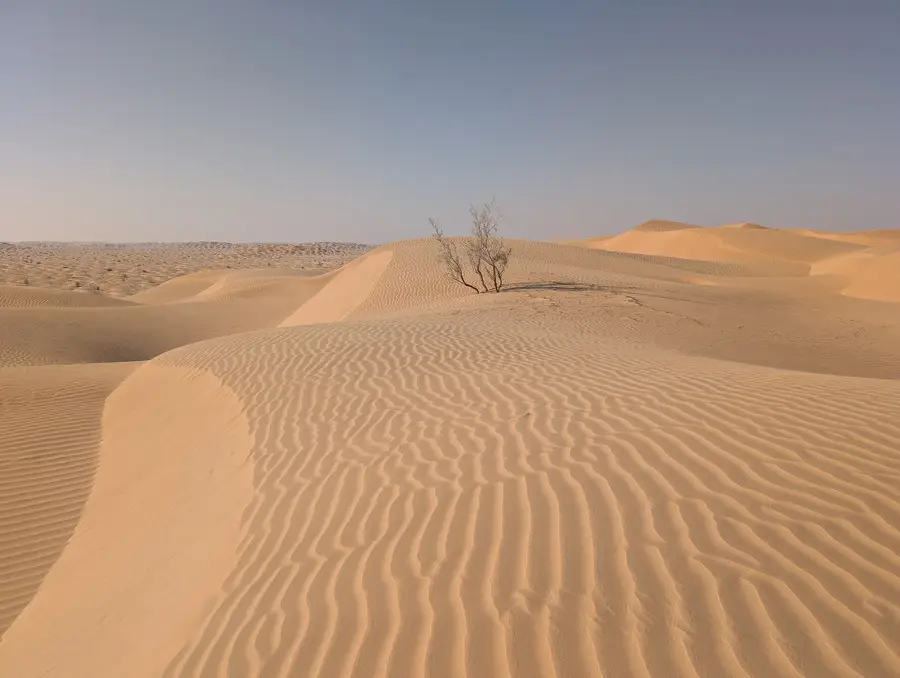
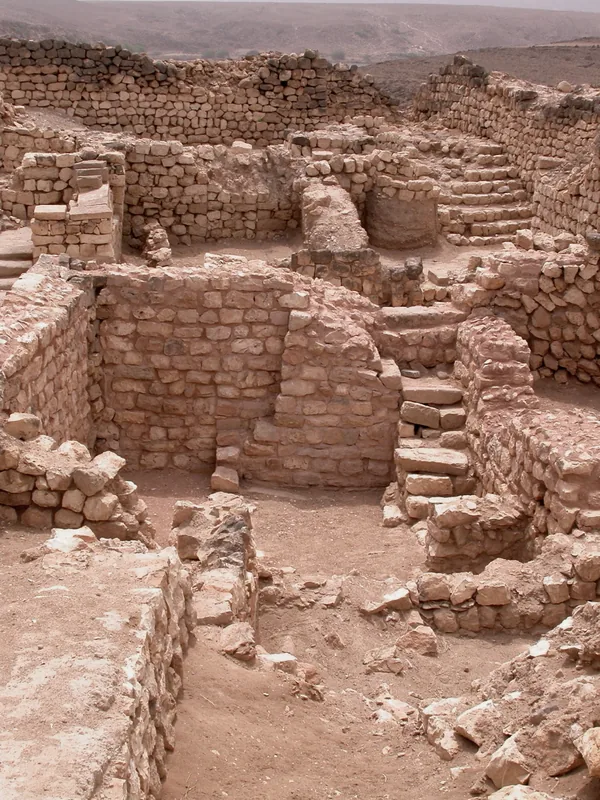
The Rub' al Khali, also known as the 'Empty Quarter,' is the largest contiguous sand desert in the world, covering vast areas of southern Oman. This massive expanse spans over 650,000 square kilometers and is characterized by towering sand dunes that can reach heights of up to 250 meters. Geologically, the Rub' al Khali consists of Quaternary sands overlying a basin of Mesozoic rocks that are exceptionally rich in oil and gas reserves. The climate is extremely arid, with summer temperatures frequently exceeding 50 degrees Celsius. Historically, the desert was considered nearly impassable until Wilfred Thesiger crossed and documented it in the 1940s. Near the Omani border lie the ruins of the legendary city of Ubar, once a hub of the frankincense trade before it vanished beneath the sands.

Best time to visit & climate

The most pleasant time to visit is Jan, Feb, Dec.

JanFebMarAprMayJunJulAugSepOctNovDec
Avg °C192125303336363633292521
Rain mm4144810112573242

📋 Practical info

🧭
Getting there
Accessing this colossal desert expanse demands a fully equipped expedition-grade 4x4 vehicle and professional off-road guidance. The most common entry points in Oman typically start from regional outposts like Thumrait or Haima in the deep south.
📅
Best season
Expeditions into the deep sands should only be attempted during the cooler mid-winter months spanning strictly from late November to February. Traveling outside this window exposes you to lethally high temperatures and severe sandstorms.
⛰️
Terrain & paths
The environment is a mesmerizing but hostile ocean of endlessly shifting, towering sand dunes interspersed with flat salt pans. The sand can be incredibly soft and treacherous, demanding expert knowledge of tire pressure management and momentum.
🎒
What to bring
Absolute survival essentials include extensive vehicle recovery equipment, sand ladders, heavy-duty air compressors, and redundant navigation systems. Carrying massive quantities of water, extra fuel, and medical supplies is critical for survival here.
🅿️
Parking
There is absolutely no structured parking anywhere within this immense void; vehicles park overnight in temporary desert camps set between protective dunes. Always ensure your vehicle is parked on solid, hard-packed ground to prevent sinking overnight.
⚠️
Safety
This is one of the most extreme environments on Earth; traveling alone without an experienced local guide and a multi-vehicle convoy is incredibly reckless. Satellite phones are absolutely mandatory as standard mobile networks do not exist here.
⏱️
Time needed
True exploration of this vast desert typically requires a dedicated commitment of four to seven days of intense overland travel. It is a major logistical undertaking that should not be rushed or attempted as a casual weekend excursion.

Geography

Coordinates
19.50000, 54.50000

Facts

  • The desert covers an area of approximately 650,000 square kilometers.
  • Sand dunes in the region can reach heights of up to 250 meters.
  • Summer temperatures frequently rise above 50°C (122°F).
  • Explorer Wilfred Thesiger crossed the desert in the late 1940s.
  • The lost city of Ubar is located on the edge of the desert.
  • The basin contains some of the world's largest oil and gas fields.

Explore nearby

Notable places around
Route planner — Car & Motorhome

Where do you start? We build the route here, with stops and country notes along the way.

Vehicle
Only stops with (optional):

© OpenStreetMap contributors · OpenRouteService

Sights nearby

Frequently asked questions

What is special about the Rub al-Chali?
It is the largest continuous sand desert in the world with fascinating dunes.
Can you explore Rub al-Chali alone?
No, a guided tour with experienced guides is mandatory for safety.
When should you visit this region?
Only in winter when temperatures are bearable.
Are there tourist accommodations there?
Only in organized desert camps, no fixed hotel structures.
What is important for the equipment?
Extreme amounts of water, sun protection, and satellite communication are vital.
Rub' al Khali: where is it located?
Rub' al Khali is located in Oman.
Rub' al Khali: when is the best time to visit?
The most pleasant time to visit is Jan, Feb, Dec.
Rub' al Khali: why is it worth visiting?

The Rub' al Khali, also known as the 'Empty Quarter,' is the largest contiguous sand desert in the world, covering vast areas of southern Oman.
View on map → The Top 50 Attractions → OpenStreetMap →
Asia
Explore with Plizio Discover more places in Asia
More places in Oman →

Nearby cities

History & landmarks
More places