Plizio Visual Lab
Mount Kuwol

Weather…
Water temperature…
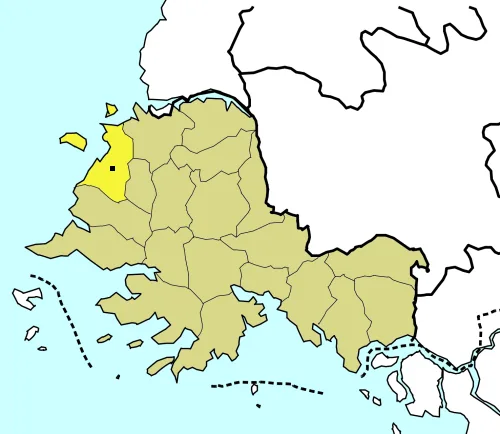
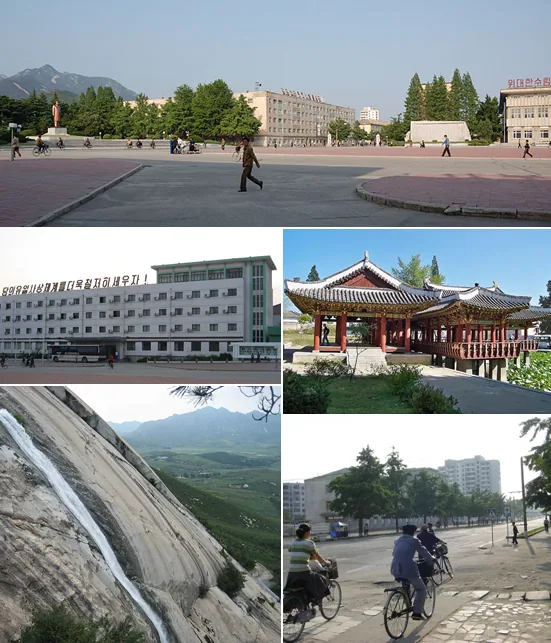
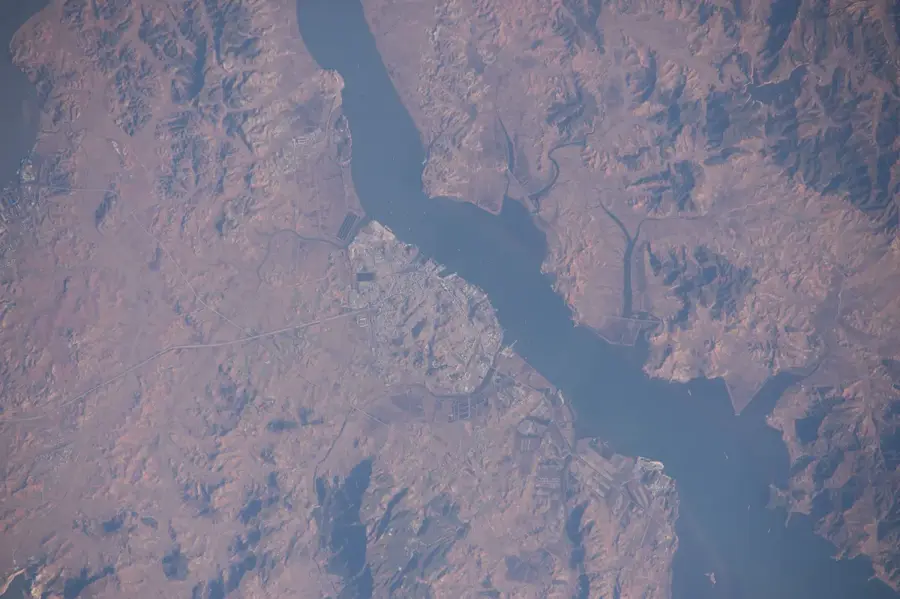
Mount Kuwol, also known as Kuwolsan, is located in South Hwanghae Province, North Korea, and is recognized as one of the five celebrated mountains of the Korean Peninsula. Reaching a peak elevation of 954 meters above sea level, the mountain massif covers an area of approximately 110 square kilometers near the West Sea coast. The region was established as a national park in 1976 and is home to several historical sites, most notably the 9th-century Woljongsa Buddhist temple. Geologically, the area is composed of Mesozoic granite, which has been eroded over millions of years into jagged peaks and deep, forested valleys. In Korean mythology, the mountain holds sacred status due to its association with Dangun, the legendary founder of Go-Joseon. The diverse ecosystem includes various pine and maple species, contributing to the mountain's renown for its lively autumnal scenery. Today, it serves as a vital protected area and was designated as a UNESCO Biosphere Reserve in 2004.
- Location: North Korea
- Top sights: Guwolsan Mountain · Eunryul Market
- Nearby: Mount Kuwol (22 km)
Best time to visit & climate
The most pleasant time to visit is May, Jun, Sep.
| Jan | Feb | Mar | Apr | May | Jun | Jul | Aug | Sep | Oct | Nov | Dec | |
|---|---|---|---|---|---|---|---|---|---|---|---|---|
| Avg °C | -5 | -3 | 3 | 10 | 17 | 22 | 24 | 24 | 19 | 13 | 5 | -3 |
| Rain mm | 10 | 18 | 22 | 53 | 75 | 92 | 265 | 229 | 98 | 41 | 44 | 17 |
📋 Practical info
Geography
Facts
- The highest peak of the massif reaches 954 meters above sea level.
- The mountain area covers approximately 110 square kilometers of land.
- Woljongsa Temple was originally established in 846 AD during the Silla era.
- The site was designated as a UNESCO Biosphere Reserve in 2004.
- The name Kuwol translates to September Mountain for its autumn colors.
- The geological composition is primarily Jurassic-period granite rock.
Explore nearby
Notable places around




Route planner — Car & Motorhome
Where do you start? We build the route here, with stops and country notes along the way.
© OpenStreetMap contributors · OpenRouteService
Sights in the town Mount Kuwol (2)
Sights nearby
Frequently asked questions
Why is the mountain called 'September Mountain'?
Are there waterfalls there?
Is Kuwol-san historically significant?
How long does a summit hike take?
Are there parking spaces for visitors?
Mount Kuwol: where is it located?
Mount Kuwol: what is there to see?
Mount Kuwol: when is the best time to visit?
Mount Kuwol: why is it worth visiting?

Nearby cities

History & landmarks
Nature
More places