Plizio Visual Lab
Woljong Temple
Weather…
Water temperature…
Woljong Temple in Kangwon Province was once one of the most significant Silla-period Buddhist temples in the region. Founded in the 7th century, it was known for its photogenic location in the mountains. The temple was an important center for Buddhist practice and learning. Unfortunately, the original temple complex was completely destroyed during the Korean War. What is referred to as Woljong Temple today are the ruins and a few reconstructed buildings on the original site. The most notable surviving structure is the octagonal nine-story stone pagoda, a classic example of Silla architecture that withstood the destruction. The site is a melancholic but important place, reminiscent of the rich Buddhist heritage that was lost to conflict.
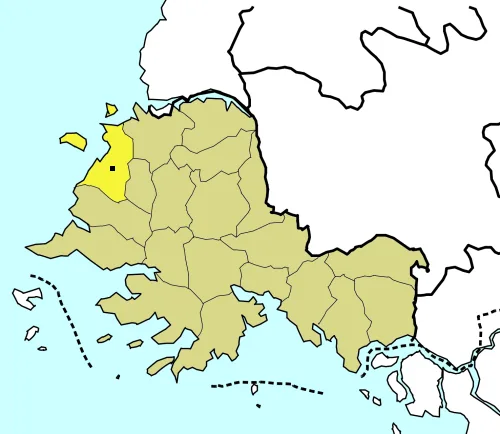
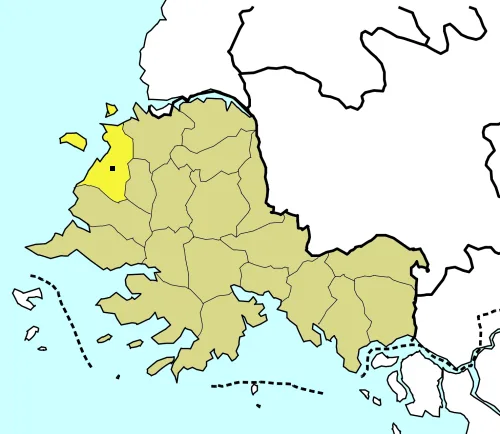
- Location: North Korea
- Nearby: Mount Kuwol (21 km)
Best time to visit & climate
The most pleasant time to visit is May, Jun, Sep.
| Jan | Feb | Mar | Apr | May | Jun | Jul | Aug | Sep | Oct | Nov | Dec | |
|---|---|---|---|---|---|---|---|---|---|---|---|---|
| Avg °C | -5 | -3 | 3 | 10 | 17 | 22 | 24 | 24 | 19 | 13 | 5 | -3 |
| Rain mm | 10 | 18 | 22 | 53 | 75 | 92 | 265 | 229 | 98 | 41 | 44 | 17 |
📋 Practical info
Geography
Facts
- Founded in 643 by the monk Jajang.
- The name 'Woljong' means 'Moon Essence'.
- Was one of the main temples of the Hwaom order.
- The surviving pagoda is a National Treasure of South Korea (the temple has a more famous namesake in the South).
- The temple in North Korea was destroyed during the Korean War.
- The ruins are located near Mount Kumgang.
- The site testifies to the wide spread of Buddhism during the Silla period.
Explore nearby
Notable places around



Route planner — Car & Motorhome
Where do you start? We build the route here, with stops and country notes along the way.
© OpenStreetMap contributors · OpenRouteService
Sights in the town Woljong Temple (1)
Sights nearby
Frequently asked questions
In which region is the Woljong Temple located?
From which period does the temple complex date?
Are there special rules of conduct during the visit?
What is the best way to reach the Woljong Temple?
Are the buildings preserved in their original state?
Woljong Temple: where is it located?
Woljong Temple: when is the best time to visit?
Woljong Temple: why is it worth visiting?

Nearby cities
History & landmarks
Nature

More places