Plizio Visual Lab
Tomb of King Wang Gon
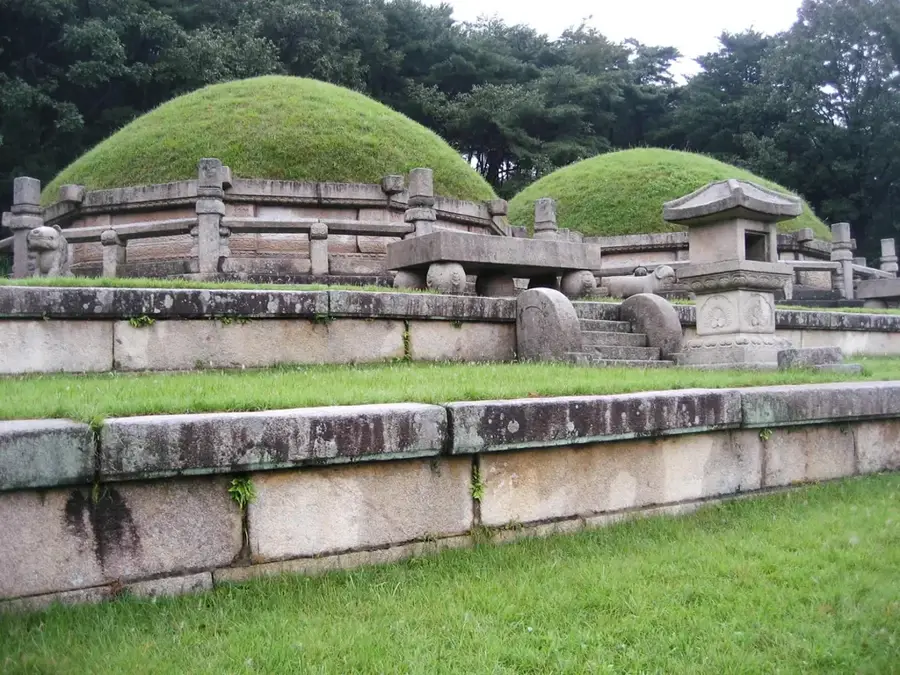
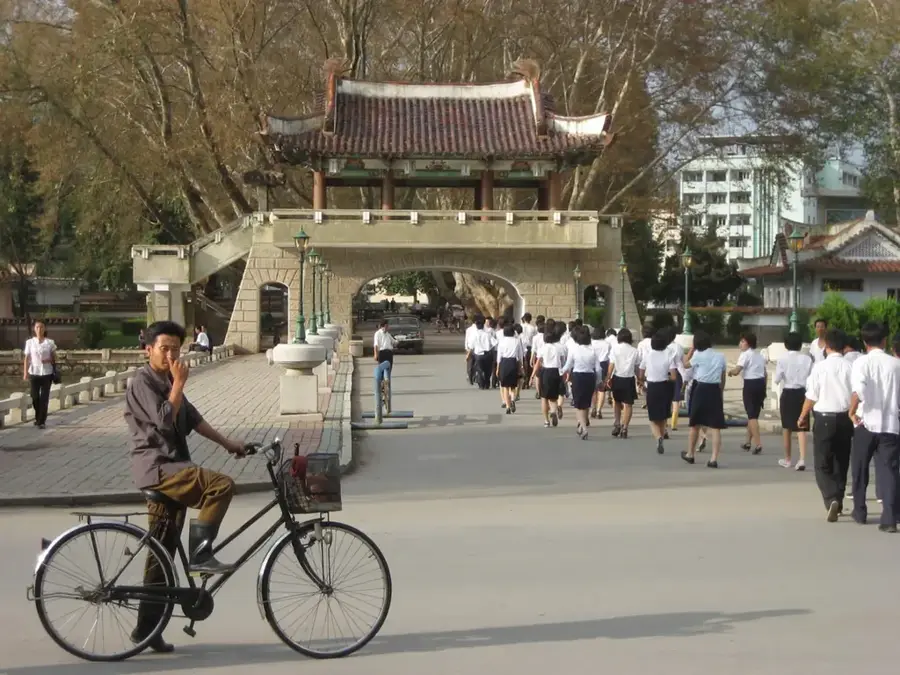
The Tomb of King Wang Geon, the founder of the Koryo Dynasty, is a significant historical site located in Kaesong. Wang Geon, posthumously known as King Taejo, unified the Later Three Kingdoms of Korea in 936 and established Koryo. His original tomb, known as Hyolleung, was severely damaged and neglected during the 16th-century Japanese invasions. The current tomb is a 1994 reconstruction based on archaeological excavations and historical records. The large burial mound is flanked by stone statues of civil and military officials, as well as animal sculptures, reflecting the king's status. Despite being a modern reconstruction, the site serves as an important memorial to the founder of one of Korea's most influential dynasties.
- Location: North Korea
- Nearby: Kaesong (6 km)
Best time to visit & climate
The most pleasant time to visit is May, Jun, Sep.
| Jan | Feb | Mar | Apr | May | Jun | Jul | Aug | Sep | Oct | Nov | Dec | |
|---|---|---|---|---|---|---|---|---|---|---|---|---|
| Avg °C | -5 | -2 | 3 | 10 | 16 | 21 | 24 | 25 | 20 | 13 | 5 | -2 |
| Rain mm | 14 | 24 | 28 | 60 | 88 | 101 | 332 | 258 | 118 | 47 | 45 | 19 |
📋 Practical info
Geography
Facts
- Wang Geon reigned from 918 to 943.
- The original tomb was in a different location and was moved.
- The reconstruction was carried out by North Korean archaeologists.
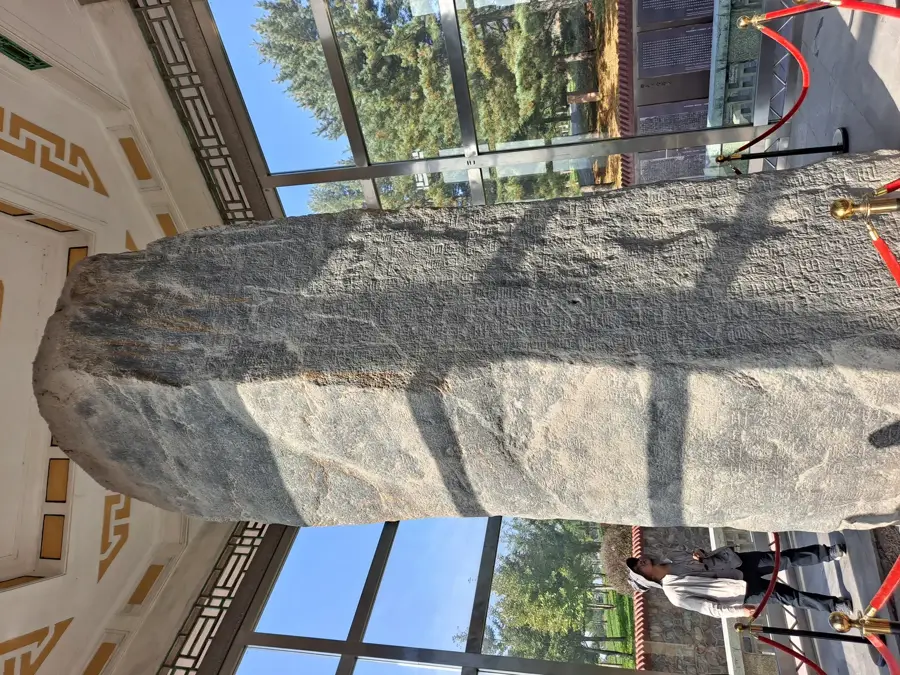
- The complex includes a shrine and a commemorative stele.
- The statues are modeled after the Koryo Dynasty style.
- The site was extensively renovated in the 1990s to promote national pride.
- It is a popular location for historical field trips in North Korea.
Explore nearby
Notable places around
Route planner — Car & Motorhome
Where do you start? We build the route here, with stops and country notes along the way.
© OpenStreetMap contributors · OpenRouteService
Sights in the town Tomb of King Wang Gon (1)
Sights nearby
Frequently asked questions
Who was King Wang Gon?
Can you visit the inside of the burial chamber?
Where is the tomb located?
Is the tomb original?
What can you see on the grounds?
Tomb of King Wang Gon: where is it located?
Tomb of King Wang Gon: when is the best time to visit?
Tomb of King Wang Gon: why is it worth visiting?
Nearby cities


History & landmarks
Nature
More places