Plizio Visual Lab

Sinjajevina Biodiversity Area

Plizio editorial teamData Sources
Forest
—°3
Sinjajevina Biodiversity Area (Montenegro)

Weather…

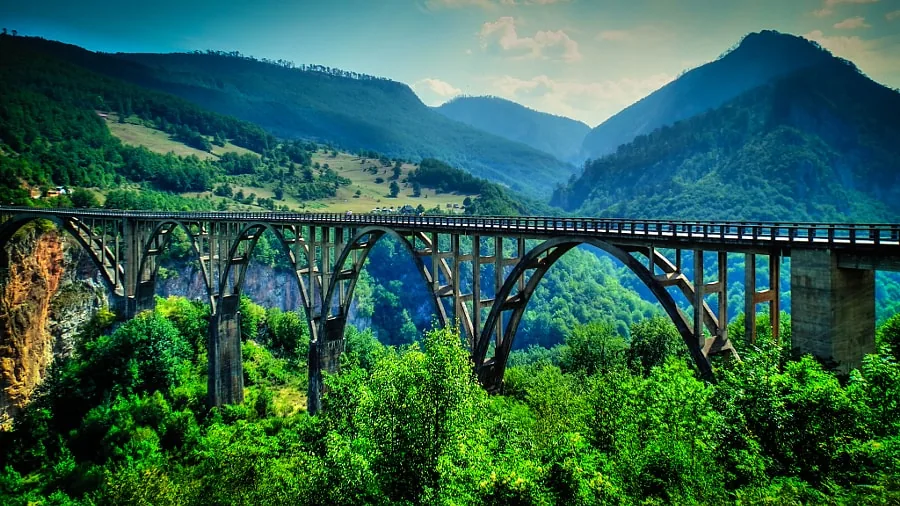
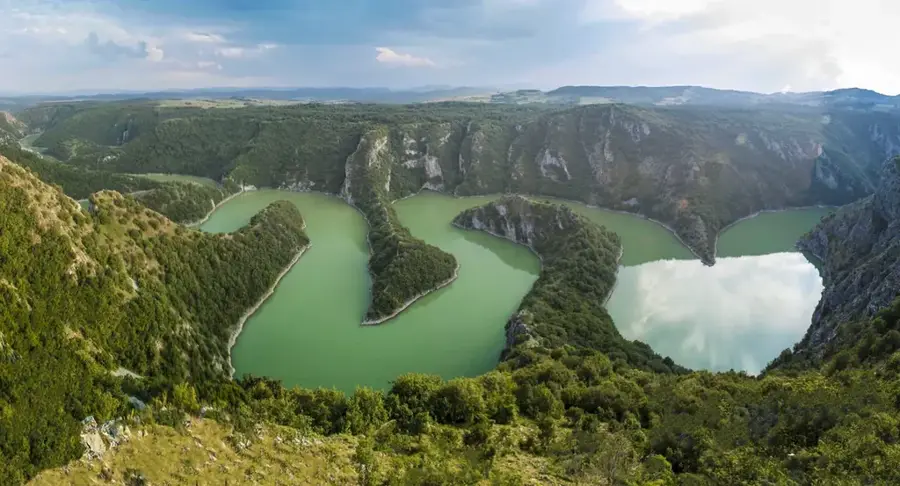
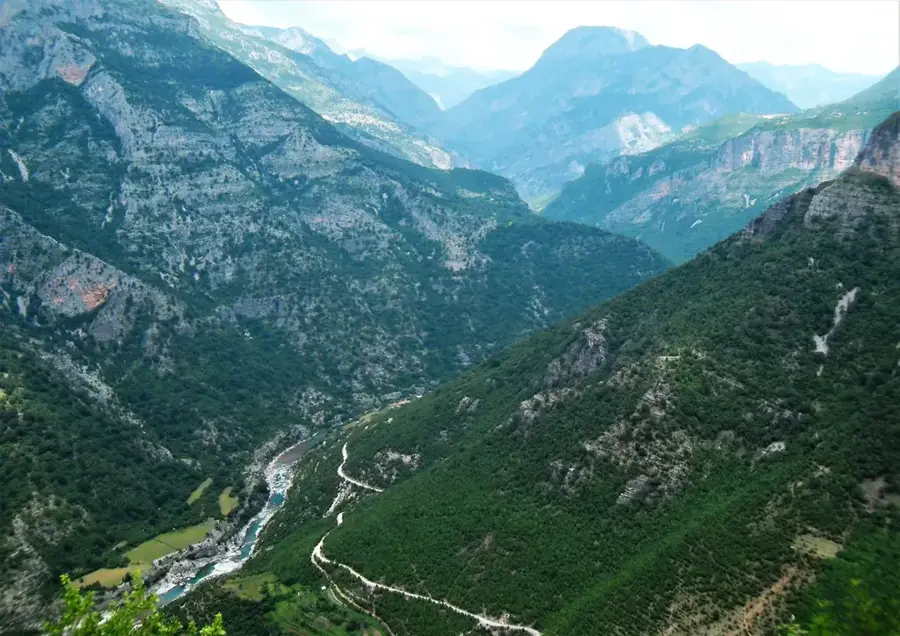
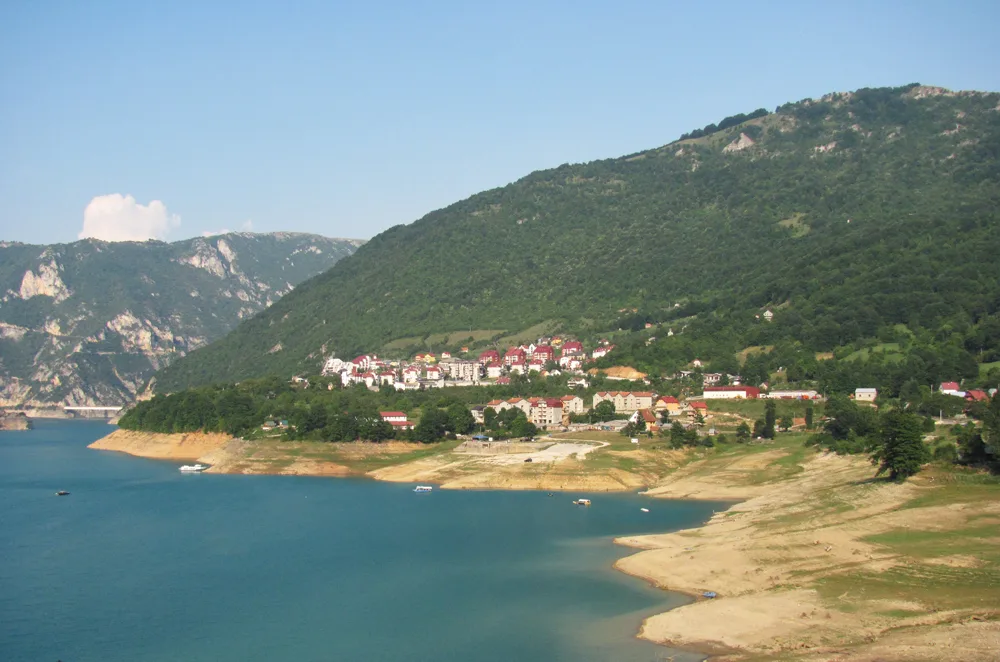
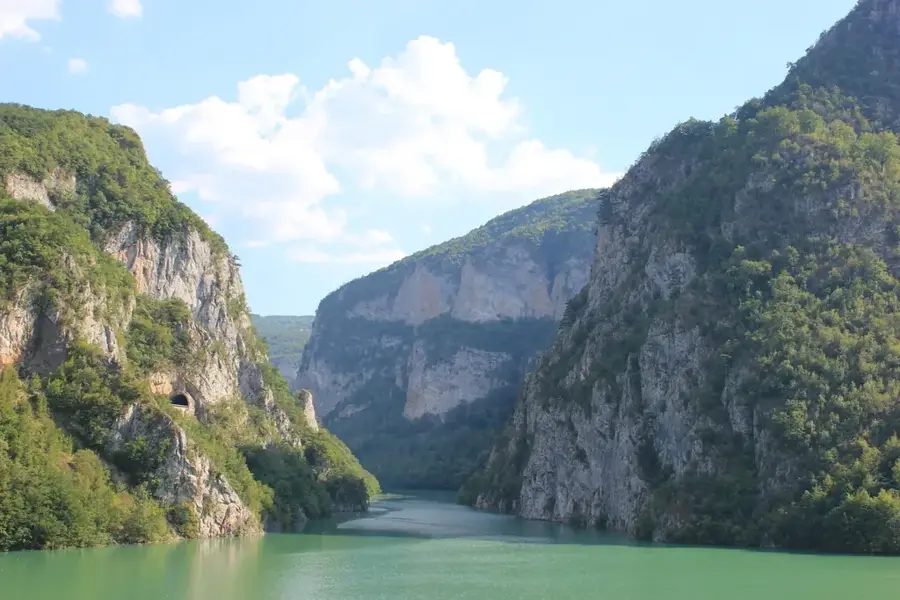
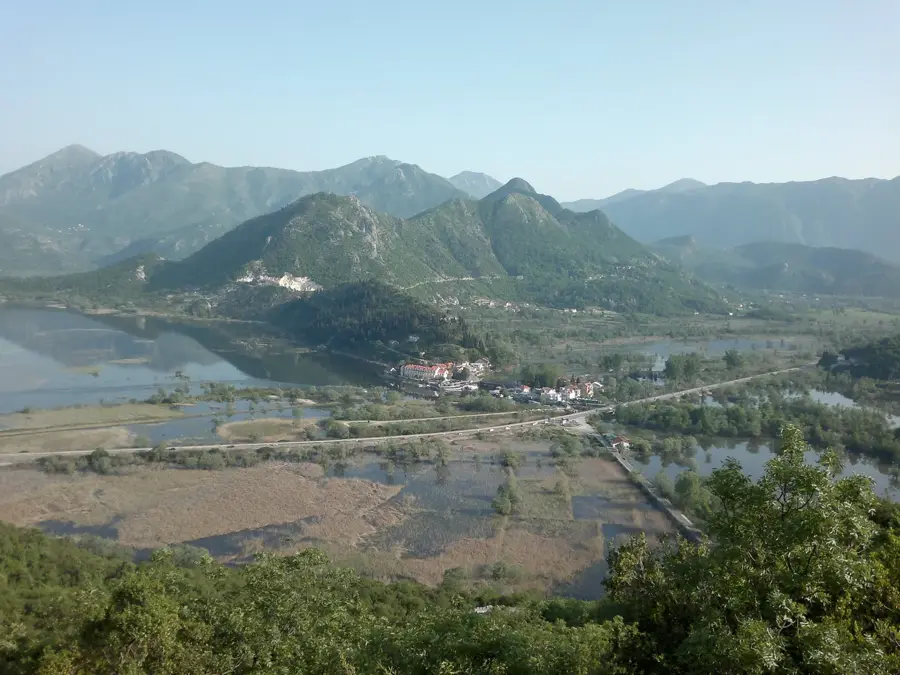
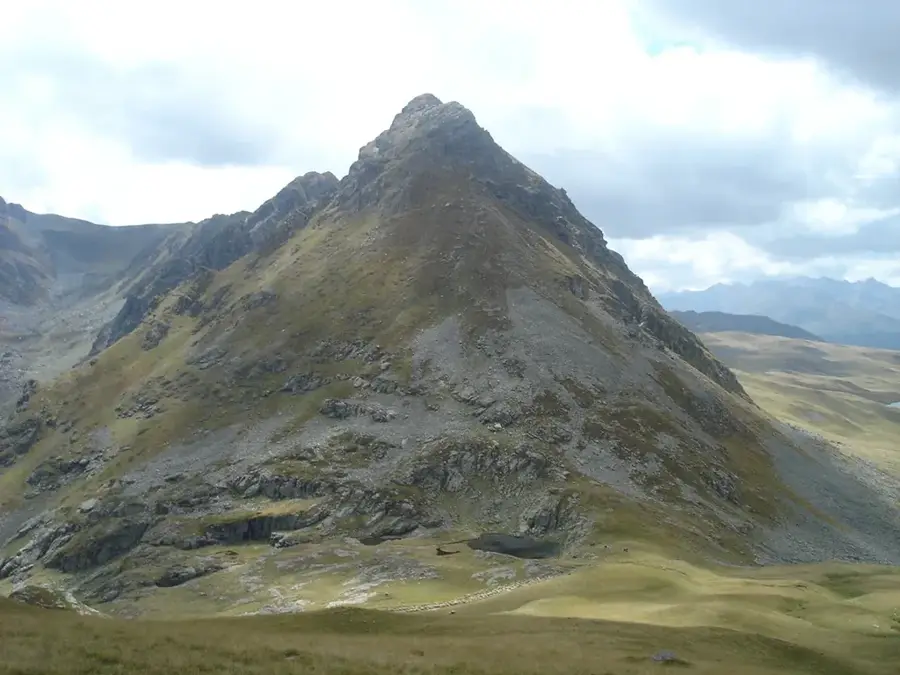
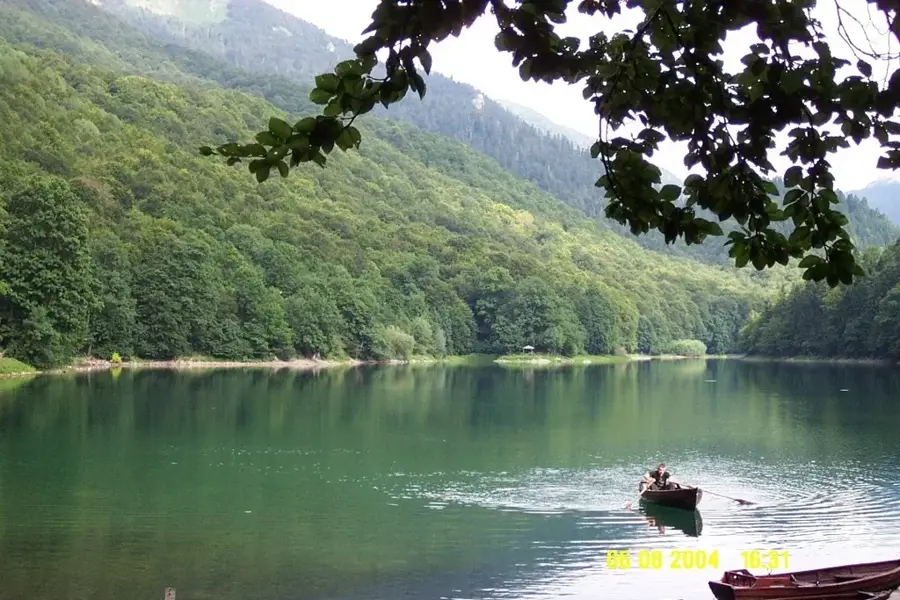
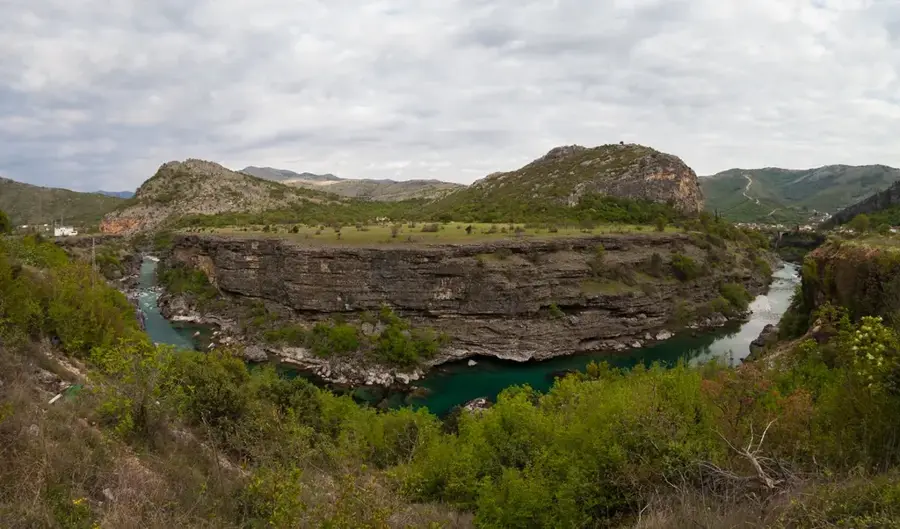
Sinjajevina is the largest mountain plateau in Montenegro and arguably the most extensive highland pasture in the Balkans, spanning roughly 450 square kilometers. At an average elevation of 1,600 meters, this vast karst landscape is bounded by the dramatic Tara River Canyon to the north and the Morača River valley to the south. The biodiversity of Sinjajevina is of international significance, hosting over 1,300 species of flora, including numerous endemics and rare medicinal herbs that thrive in its unique microclimate. For centuries, the plateau has been the epicenter of traditional Montenegrin pastoralism, characterized by seasonal 'katun' settlements where livestock graze during the summer. Its highest peak, Babji Zub, rises to 2277 meters, serving as a prominent landmark in the central Montenegrin highlands. Ongoing efforts seek to establish the area as a protected regional park to safeguard its fragile ecosystem from industrial threats and to preserve the centuries-old cultural heritage of its shepherd communities.

Best time to visit & climate

The most pleasant time to visit is Jun–Aug.

JanFebMarAprMayJunJulAugSepOctNovDec
Avg °C-4-316101417171283-2
Rain mm114109110879592645697114146129

📋 Practical info

🧭
Getting there
This vast upland area is perfectly best approached from the surrounding valley towns via highly rough, unpaved mountain tracks. A high-clearance or robust 4x4 vehicle is strongly recommended, as many access routes are deeply rocky, unpaved, and quite steep.
📅
Best season
The short window from June to September is definitively the most reliable time to visit, perfectly coinciding with the period when traditional shepherds are present. Outside these summer months, heavy snow completely covers the plateau, making it an isolated environment.
⛰️
Terrain & paths
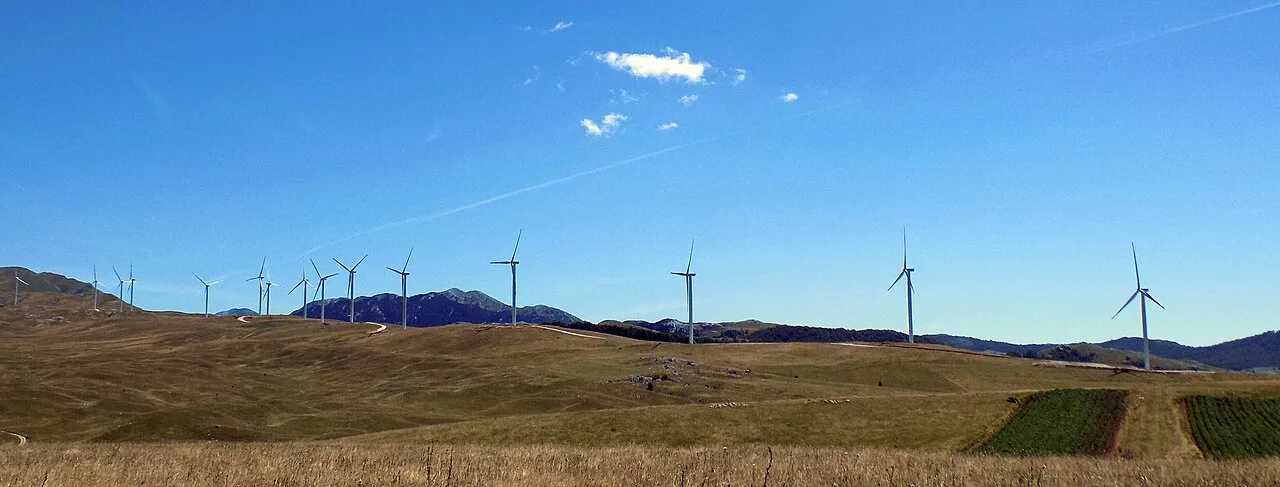
The landscape is entirely dominated by rolling, seemingly endless grassy steppes interspersed with rocky limestone formations and shallow sinkholes. While gradients are gentle, the extreme lack of defined trails means visitors often hike directly across rough grassland.
🎒
What to bring
Comfortable but highly durable walking boots are absolutely essential for navigating the highly uneven, pathless pastures and rocky limestone patches. Sun protection is incredibly critical due to the complete lack of tree cover, alongside a vital GPS navigation device.
🅿️
Parking
Formal parking truly does not exist on the plateau; visitors usually pull over onto firm grass verges near traditional seasonal shepherd settlements. It is incredibly crucial not to block the narrow, rough access tracks that local farmers constantly rely on.
⚠️
Safety
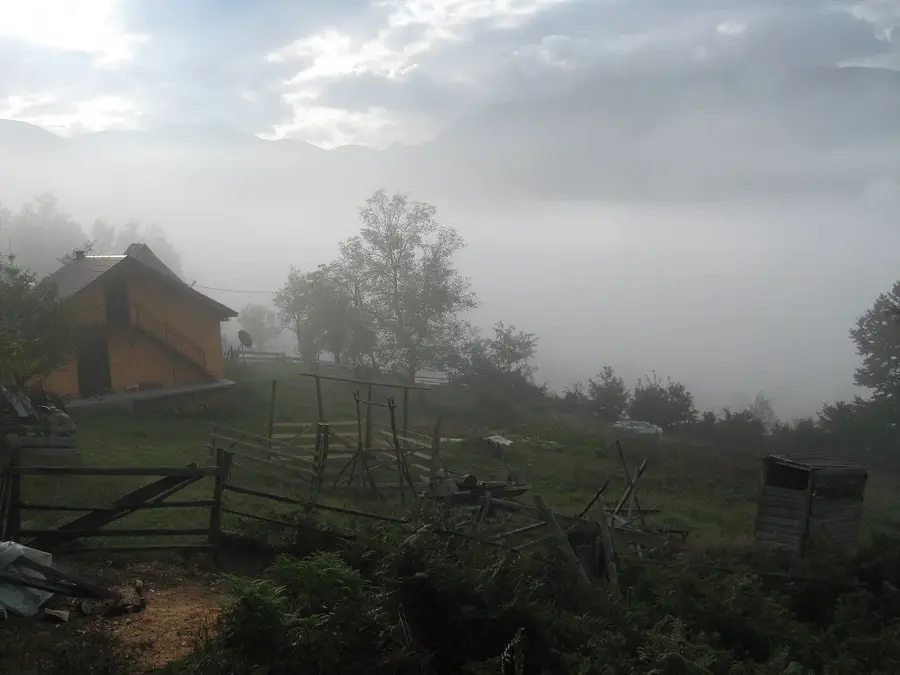
Navigation can quickly become incredibly disorienting when sudden fogs roll across the totally featureless pasture landscape, a frequent occurrence. Visitors must respect traditional farming operations, keep a very safe distance from herd dogs, and watch for sinkholes.
⏱️
Time needed
Exploring the immediate edges of the biodiversity area or visiting a nearby summer pasture settlement usually takes about three to five hours. Truly immersing oneself in the immense scale of the plateau and hiking between distant huts demands a highly exhausting, full day.

Geography

Coordinates
42.98330, 19.33330

Facts

  • Covers a total area of approximately 450 square kilometers.
  • Average elevation of the plateau is about 1,600 meters.
  • The highest summit, Babji Zub, stands at 2,277 meters.
  • Home to more than 1,300 distinct species of high-altitude flora.
  • Ranked as the largest mountain pasture in the Balkan region.
  • Traditional 'katun' settlements remain active during summer.

Explore nearby

Notable places around

Route planner — Car & Motorhome

Where do you start? We build the route here, with stops and country notes along the way.

Vehicle
Only stops with (optional):

© OpenStreetMap contributors · OpenRouteService

Sights in the town Sinjajevina Biodiversity Area (3)

Kulina📍 landmark

One of the peaks within the extensive Sinjajevina biodiversity area.

Goveđa glava📍 landmark

A mountain peak overlooking the wide landscape of Sinjajevina.

Mali Pećarac📍 landmark

A mountain peak in northern Montenegro within the Sinjajevina massif.

Sights nearby

Frequently asked questions

What makes the Sinjajevina high plateau ecologically valuable?
It is one of the largest pasture landscapes in Europe with an enormous variety of medicinal plants.
What activities are possible in Sinjajevina?
Well-suited for mountain biking, extensive hiking, and observing traditional mountain pastoralism.
Are there settlements there?
There are no permanent villages, only temporary summer settlements for shepherds known as 'katuns'.
What is the terrain like?
It is an expansive limestone plateau at about 1,600 meters altitude with rolling hills.
Do you need a guide for tours?
Due to its vastness and lack of distinct landmarks, a guide or GPS is highly recommended.
Sinjajevina Biodiversity Area: where is it located?
Sinjajevina Biodiversity Area is located in Montenegro.
Sinjajevina Biodiversity Area: what is there to see?
Highlights include Kulina, Goveđa glava, Mali Pećarac.
Sinjajevina Biodiversity Area: when is the best time to visit?
The most pleasant time to visit is Jun, Aug.
Sinjajevina Biodiversity Area: why is it worth visiting?

Sinjajevina is the largest mountain plateau in Montenegro and arguably the most extensive highland pasture in the Balkans, spanning roughly 450 square kilometers.
View on map → The Top 50 Attractions → OpenStreetMap →
Europe
Explore with Plizio Discover more places in Europe
More places in Montenegro →

Nearby cities

History & landmarks
Nature
More places