Plizio Visual Lab
Malé
ℹ️Practical info — Malé
▾
🌤 Weather — 5 days
📍 Nearby
Sights nearby
💡 Tips
- Walking is often faster than taking a taxi due to the heavy traffic on the narrow streets.
- Dress modestly throughout the city (shoulders and knees covered), as it is the administrative and religious capital.
- Alcohol is strictly prohibited on the island; stick to fresh juices and mocktails at local cafes.
- Visit the bustling Fish Market in the late afternoon when the dhonis (local boats) return with their catch.
- The ferry terminal provides frequent and cheap connections to Hulhumalé and the airport island.
🍽 Food
A delicious pastry filled with tuna, egg, and cabbage; grab them at small cafes during evening tea time.
Traditional Maldivian fish curry, widely available in restaurants around the harbor.
Stop by the vendors near the Local Market to buy freshly cut coconuts (Kurumba).
🛍 Shopping · 🧘 Quiet spots
The main street crossing the island, filled with shops selling clothes, electronics, and accessories.
Best place to buy local snacks, dried fish, and authentic Maldivian sweet treats like coconut honey.
A beautifully landscaped green oasis in the heart of the concrete city, well-suited for a break.
Go early in the morning for a quiet stroll and a refreshing swim before the crowds arrive.
Walk towards the eastern edge of the city near the bridge for a relaxing view of the ocean and passing boats.
Water temperature…
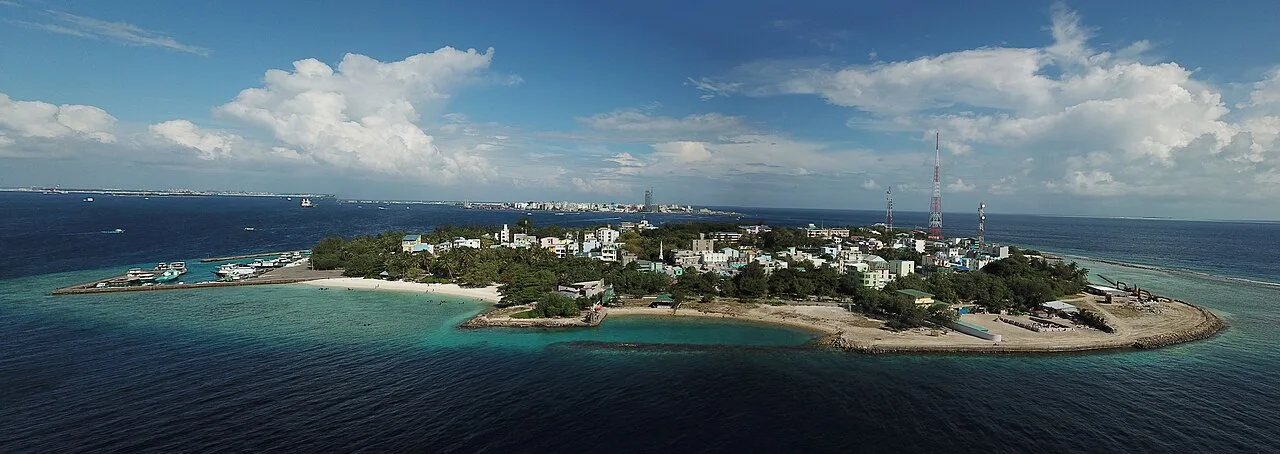
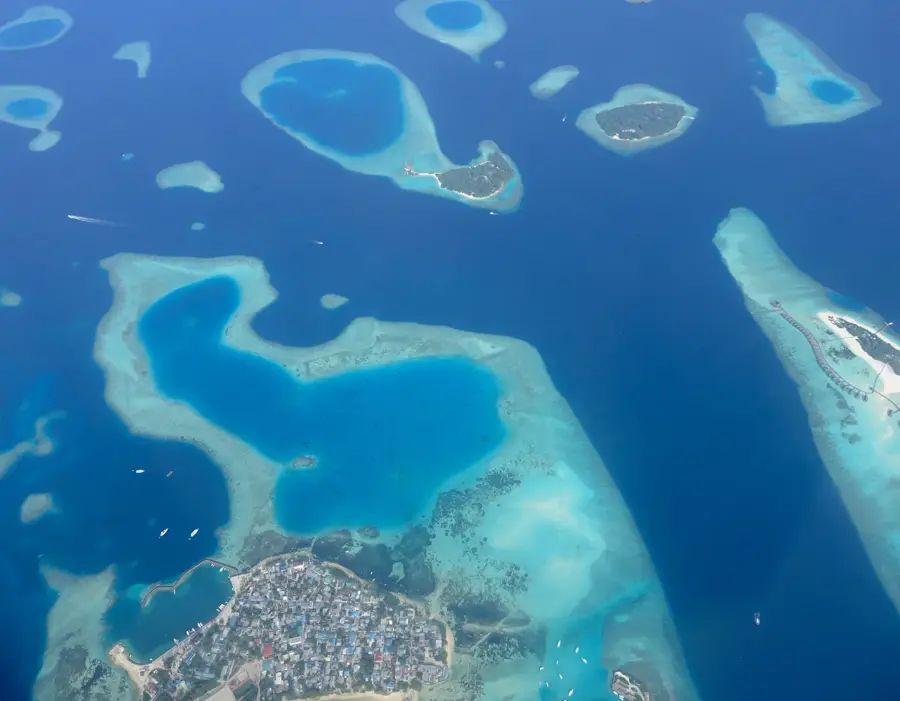
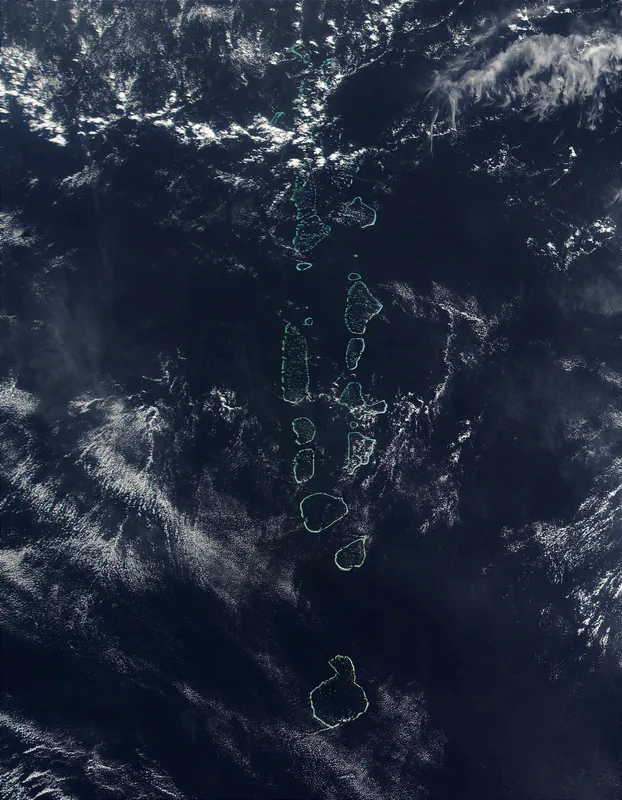
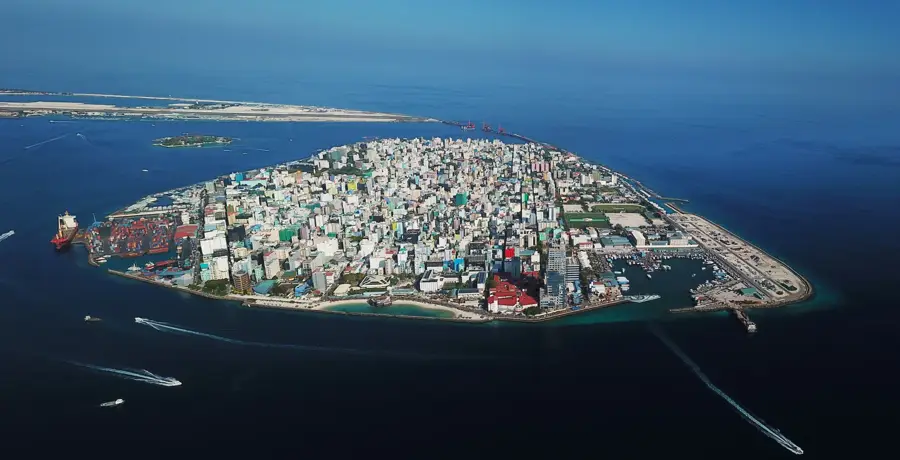
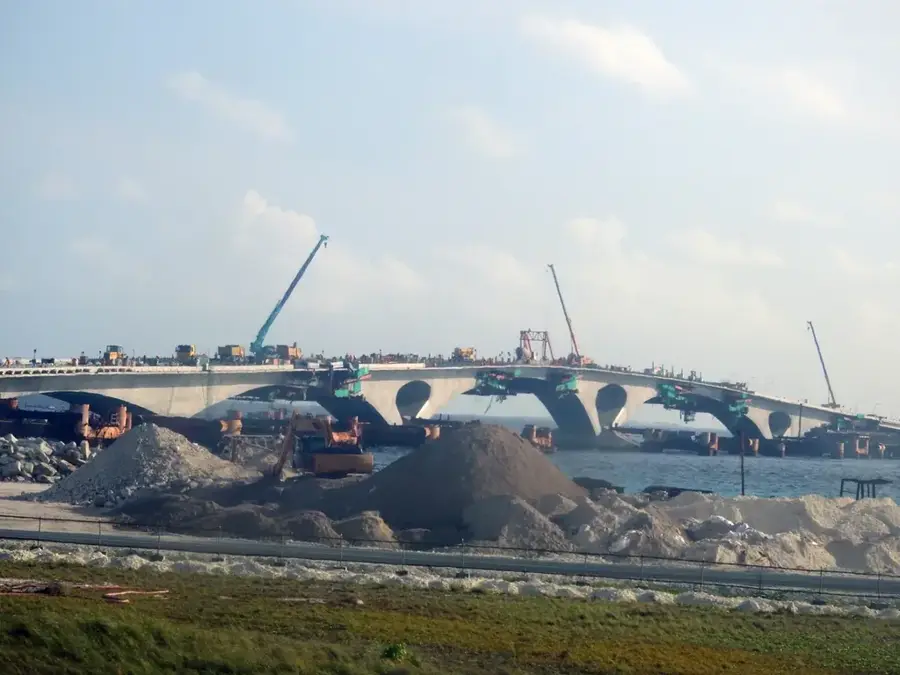
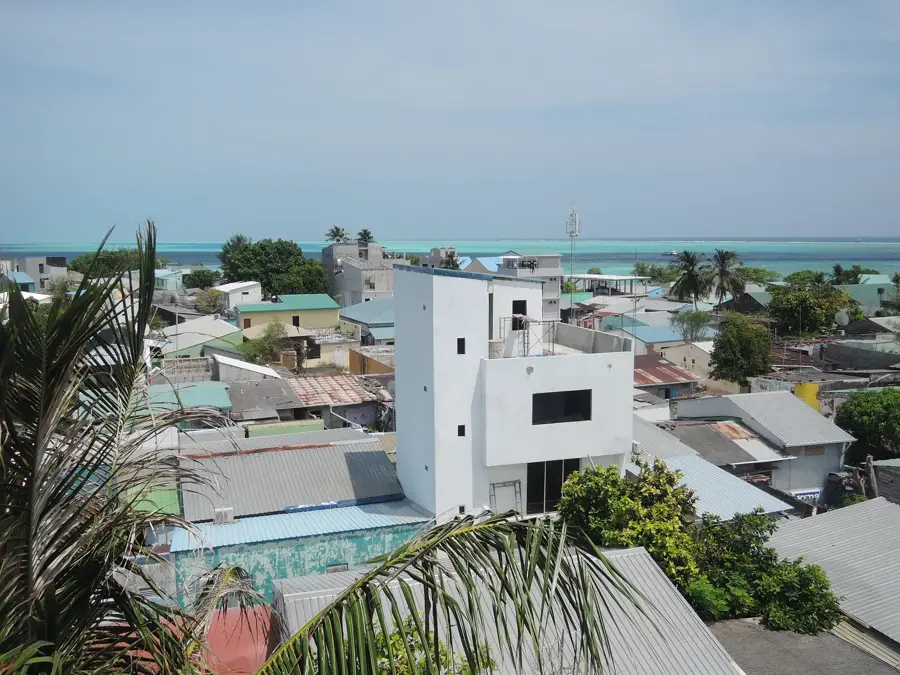
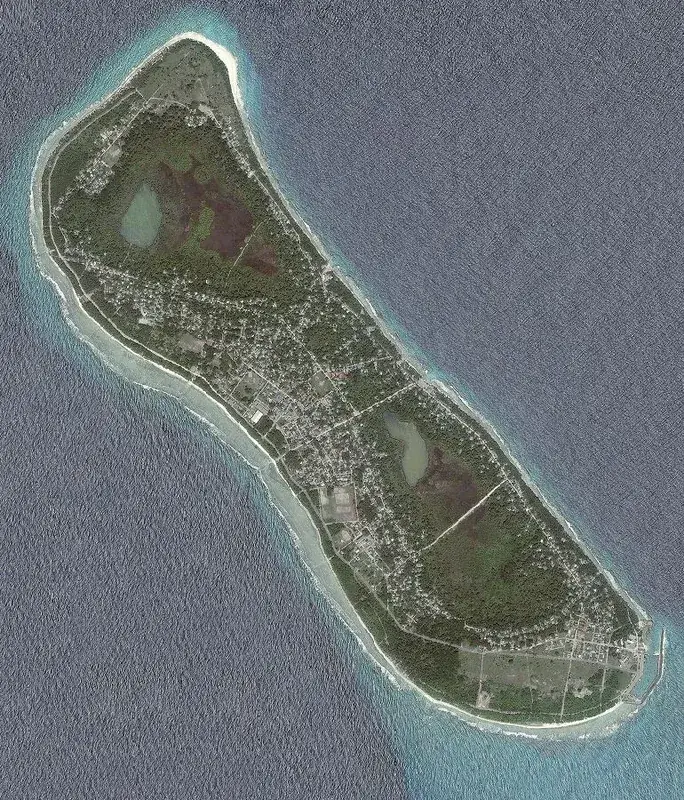
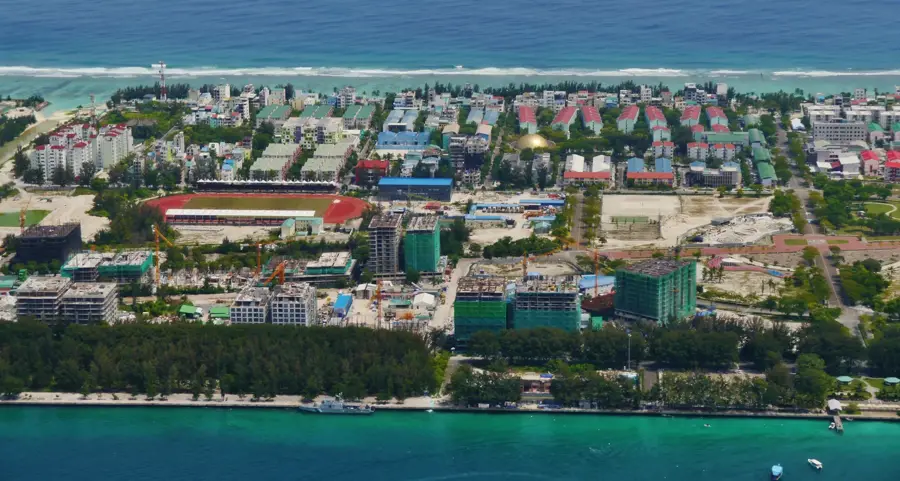
Malé is the compact and spirited capital of the Maldives, serving as the geopolitical and commercial heart of the island nation. Occupying an area of only about 8.3 square kilometers, it is famously one of the most densely populated urban centers on Earth, with high-rise buildings and bustling streets replacing the traditional palm-fringed beaches found elsewhere in the archipelago. The city is the primary gateway for all national affairs, housing the central government, the supreme court, and the main trading ports that connect the Maldives to global markets. Historically, Malé was the walled seat of the Maldivian Sultans, and remnants of this royal past can still be seen in the Sultan Park and the ancient coral-stone Hukuru Miskiy mosque, which dates back to 1658. The modern landscape is characterized by its colorful residential blocks, several artificial beach areas, and a busy waterfront where traditional dhonis (boats) jostle for space with modern speedboats. To combat the extreme land shortage, the government developed the nearby artificial island of Hulhumalé, now linked to Malé by the Sinamalé Bridge. Economically, while tourism is the country's mainstay, the capital thrives on fishing, retail, and administrative services. The local culture is deeply influenced by Islamic traditions, which dictate the rhythm of daily life and social etiquette. Despite facing significant environmental threats from rising sea levels, Malé continues to evolve, investing in smart-city infrastructure and sustainable energy to secure its future as a resilient oceanic capital.
- Location: Maldives
- Top sights: Bihuroazu Kamanaa Mosque · Masjidhul Zikra
- Nearby: Gulhi (6 km)
- Population: ~103.693 (2025)
Best time to visit & climate
The most pleasant time to visit is Jan–Mar.
| Jan | Feb | Mar | Apr | May | Jun | Jul | Aug | Sep | Oct | Nov | Dec | |
|---|---|---|---|---|---|---|---|---|---|---|---|---|
| Avg °C | 27 | 28 | 28 | 29 | 29 | 28 | 28 | 28 | 28 | 28 | 27 | 27 |
| Rain mm | 53 | 37 | 50 | 98 | 191 | 148 | 165 | 193 | 185 | 186 | 233 | 184 |
Live webcam – Malé
See what it looks like near Malé right now.
Malé › North-east: Malé - Jetty, Maldives · 0.6 km · Open webcam on Windy · Webcams provided by Windy.com
Geography
Facts
- Surface area of the main island is approximately 2 square kilometers.
- Population density is over 65,000 people per square kilometer.
- The Old Friday Mosque is built entirely from carved coral blocks.
- The city is protected by a sea wall partially funded by Japan.
- Connected to Velana International Airport by the Sinamalé Bridge.
- The Maldives' only national university is headquartered here.
- The fish market is the economic soul of the northern waterfront.
- Average annual temperature remains steady around 30 degrees Celsius.
Explore nearby
Notable places around
Route planner — Car & Motorhome
Where do you start? We build the route here, with stops and country notes along the way.
© OpenStreetMap contributors · OpenRouteService
Sights in the town Malé (2)
Frequently asked questions
How many days should I plan for Malé?
Are there cultural dress codes?
Where can I find typical Maldivian food?
Is Malé a good destination for families?
How is the best way to get around the city?
Malé: where is it located?
Malé: what is there to see?
Malé: when is the best time to visit?
Malé: why is it worth visiting?
Nearby cities

Nature