Plizio Visual Lab
Šalčininkėliai
ℹ️Practical info — Šalčininkėliai
▾
🌤 Weather — 5 days
📍 Nearby
Sights nearby
💡 Tips
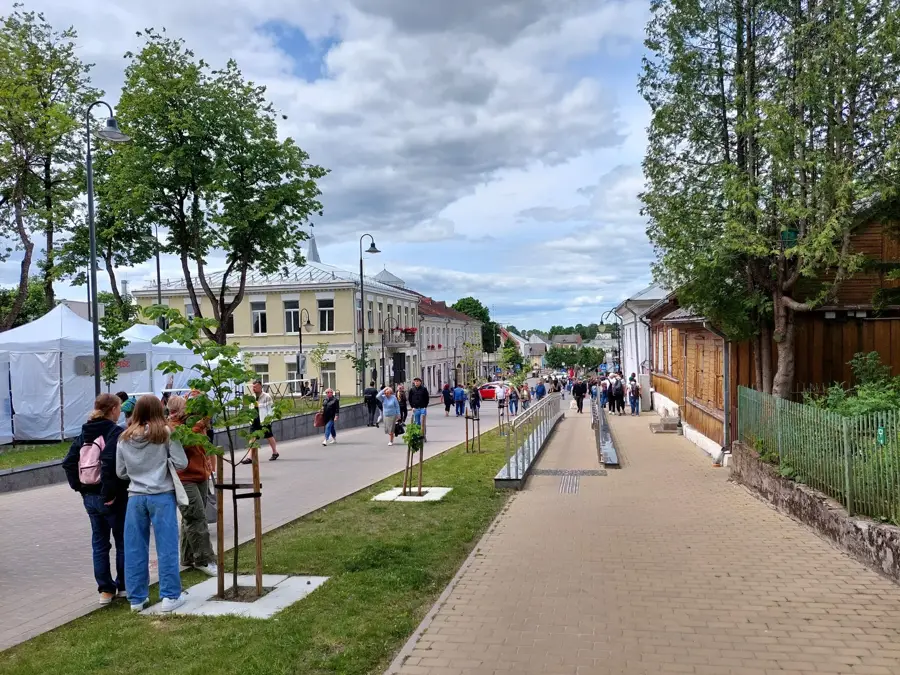
- The village is small and easily walkable, offering an authentic glimpse into everyday rural life in southeastern Lithuania.
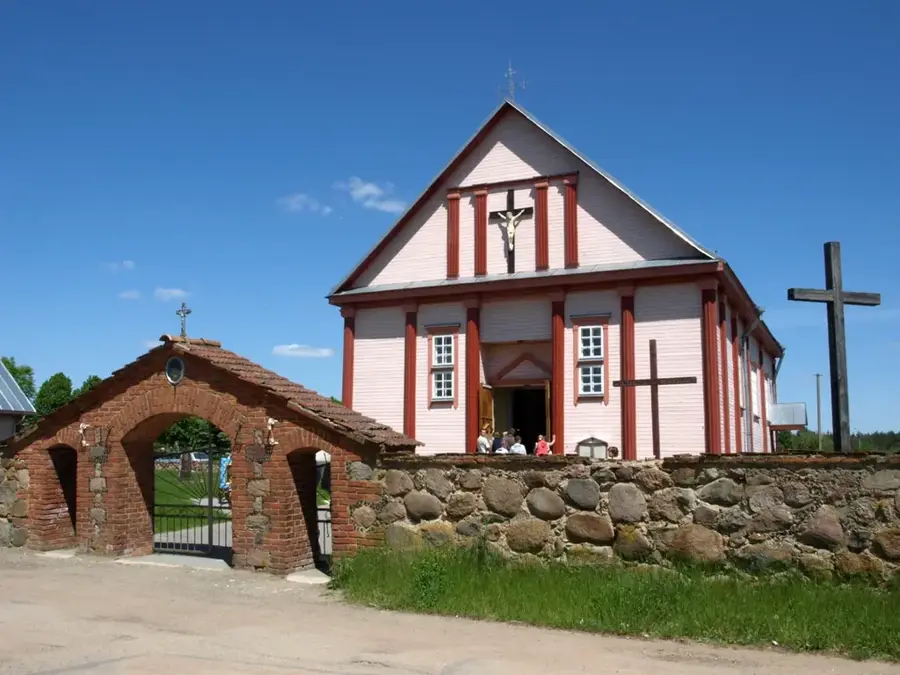
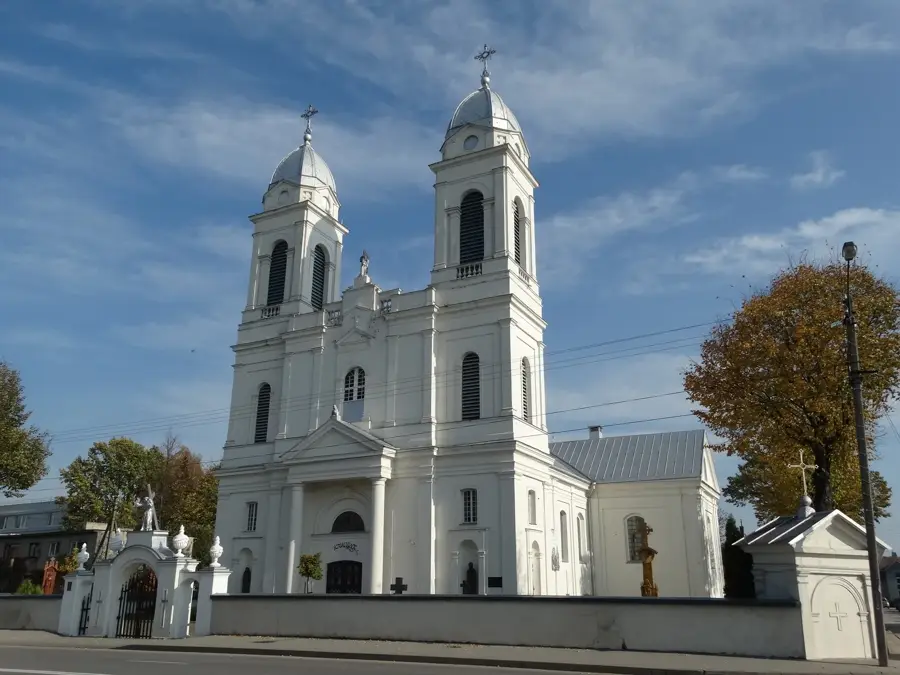
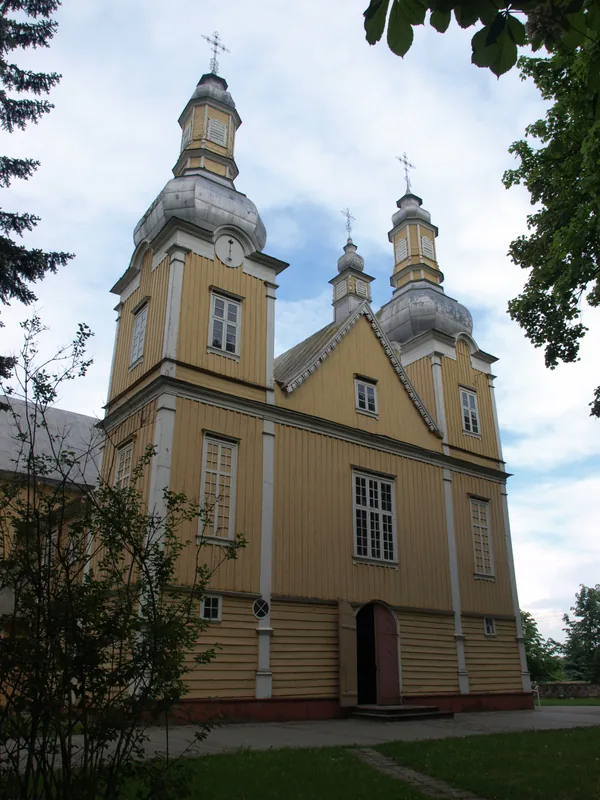
- Make sure to see the local wooden church, which is a classic example of traditional regional architecture.
- Its close proximity to Šalčininkai makes it a great, quiet base camp for exploring the wider region.
- During summer months, keep an eye out for roadside farm stands selling fresh, locally grown seasonal produce.
🍽 Food
A refreshing fermented bread drink, often made at home and sold during the hot summer months.
Look for traditional smoked sausages and meats at the small village grocery shops.
Pick up these sweet, chocolate-covered cottage cheese treats from the village store for a quick snack.
🛍 Shopping · 🧘 Quiet spots
Fresh berries, apples, and root vegetables are frequently sold directly by locals in the summer.
The local village store usually stocks fresh traditional dark rye bread.
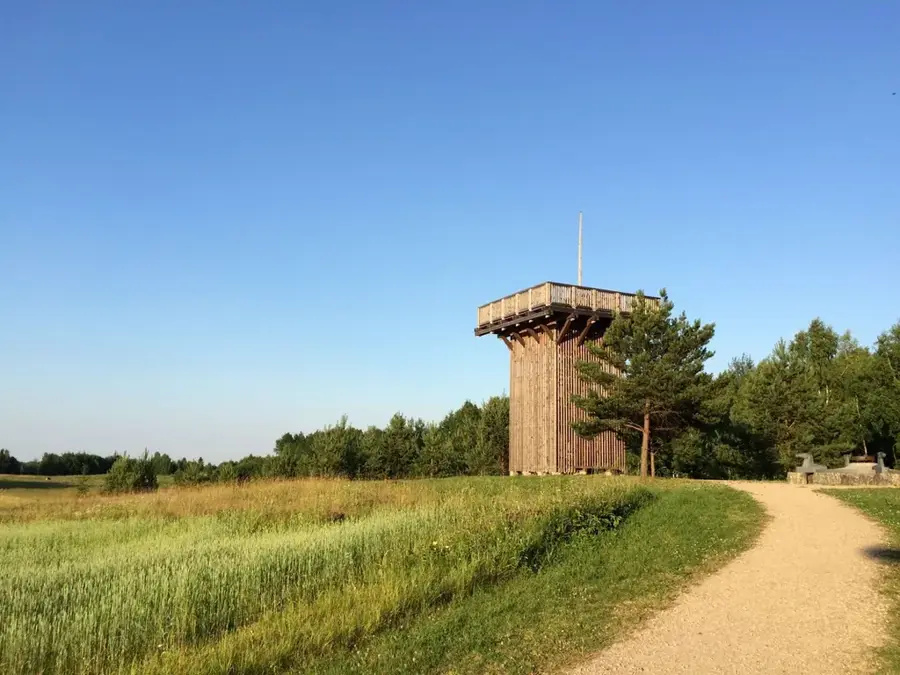
Walk along the quiet dirt paths leading out of the settlement for peaceful views of the farmland.
A serene, tree-shaded spot that is well-suited for a few moments of quiet relaxation.
Water temperature…
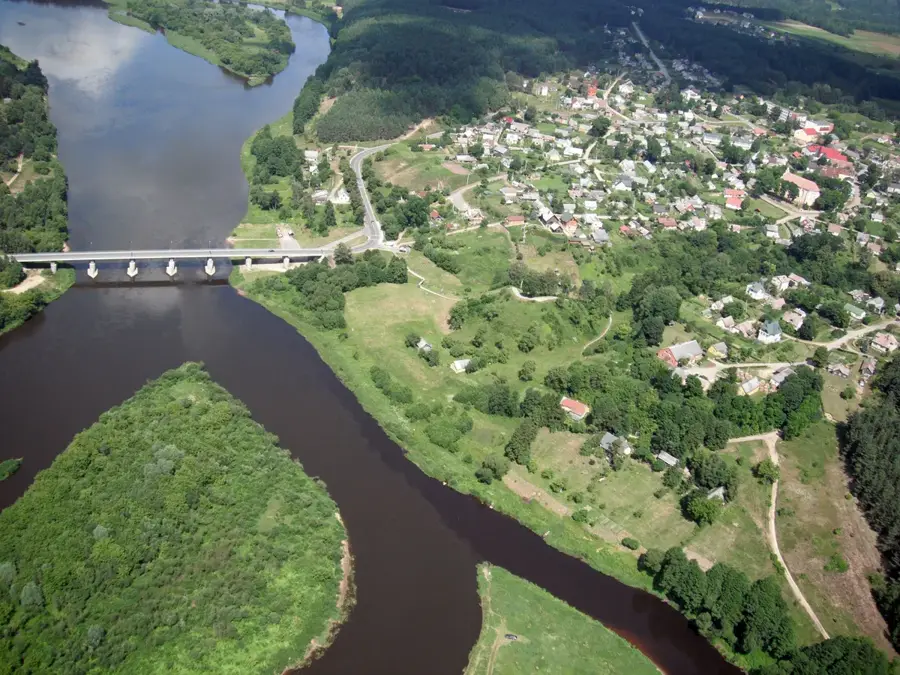
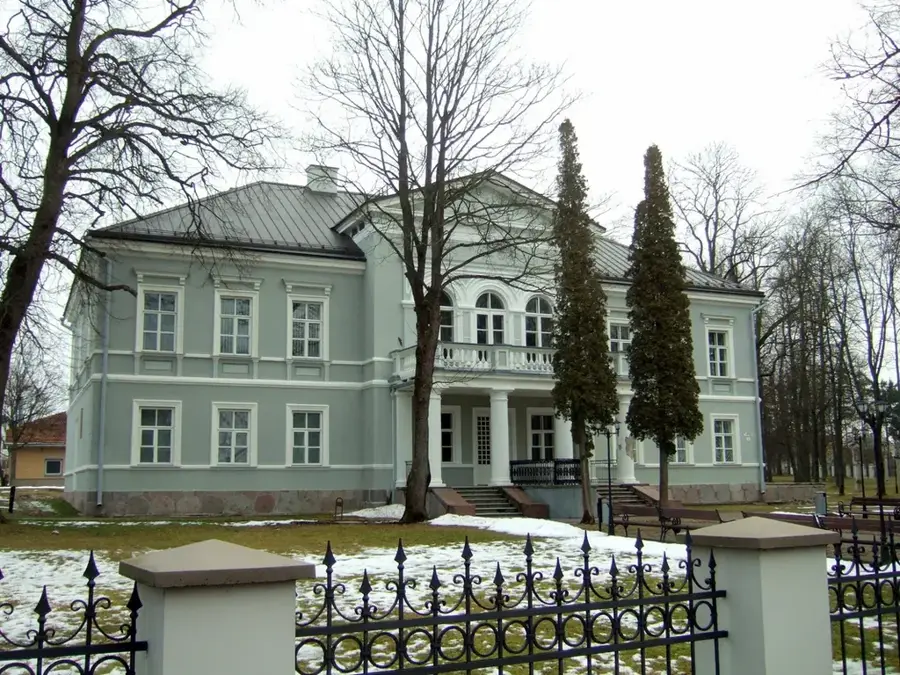
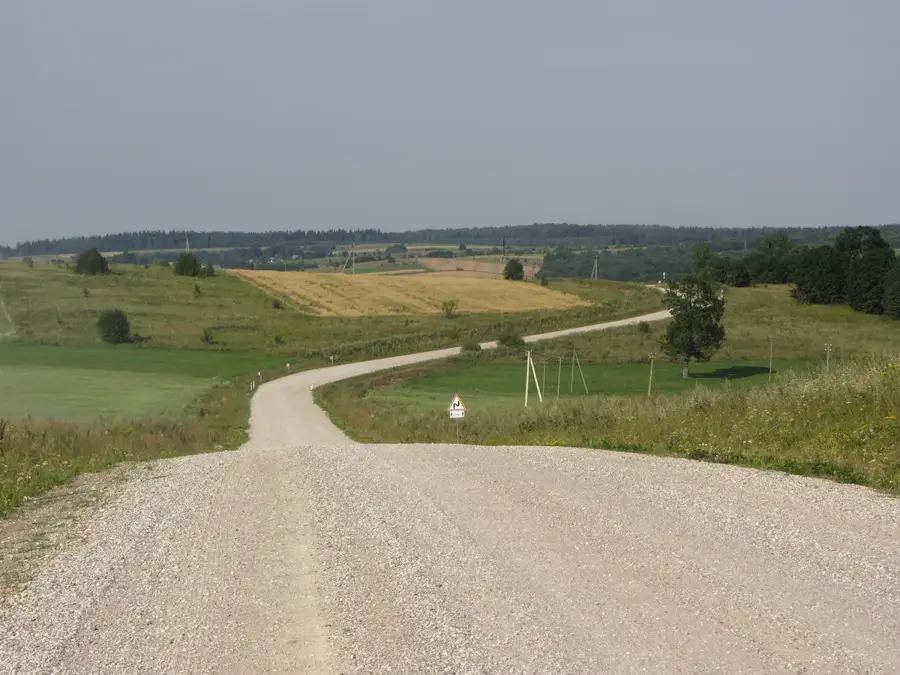
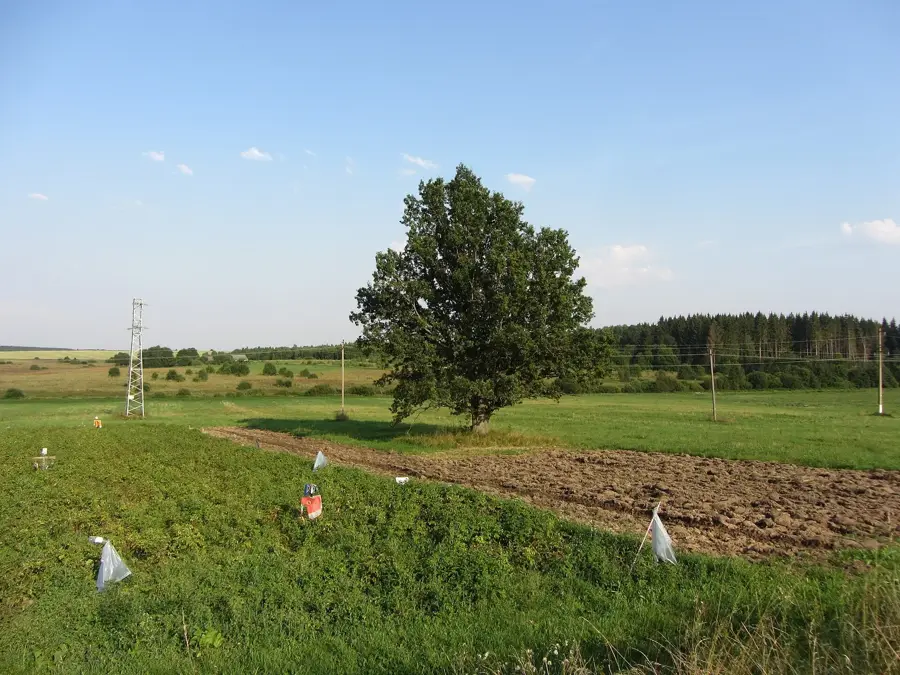
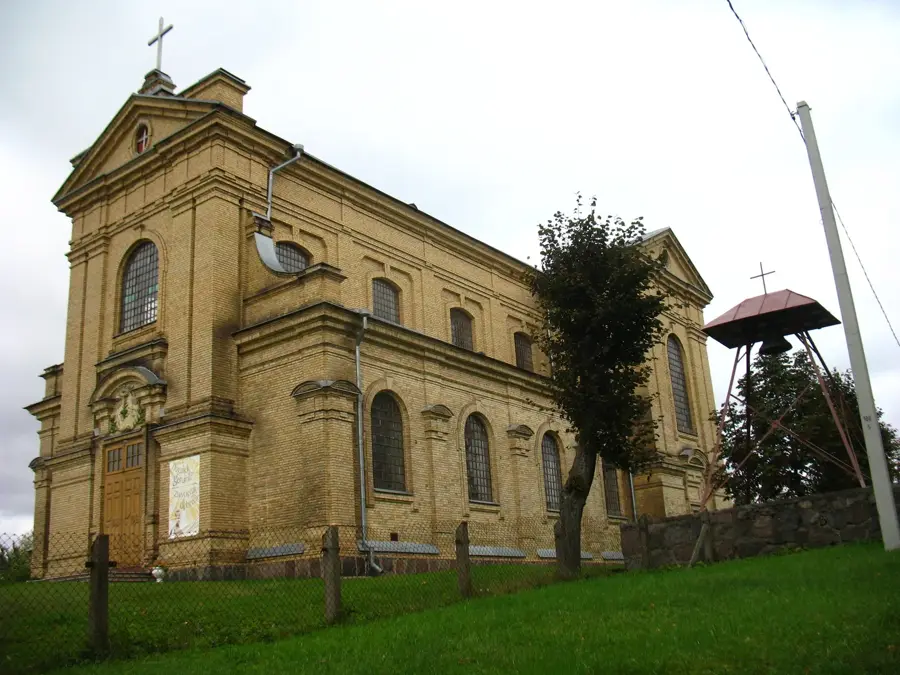
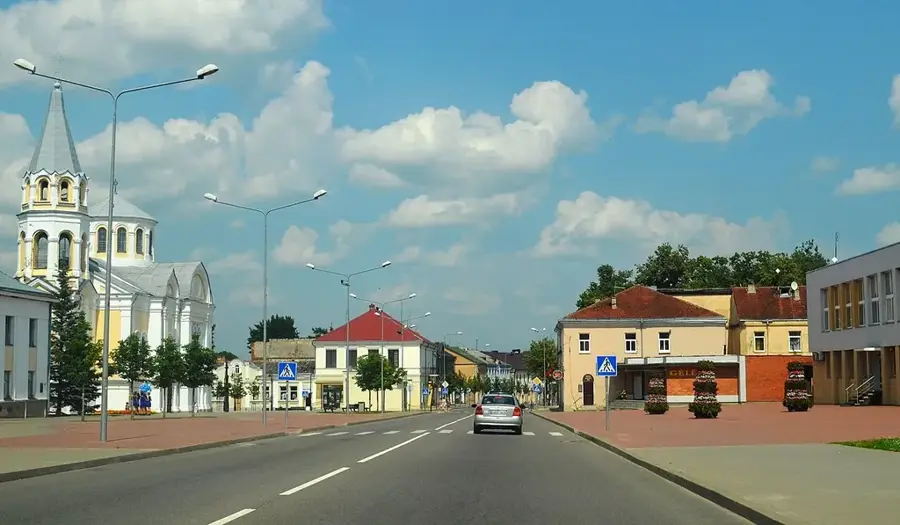
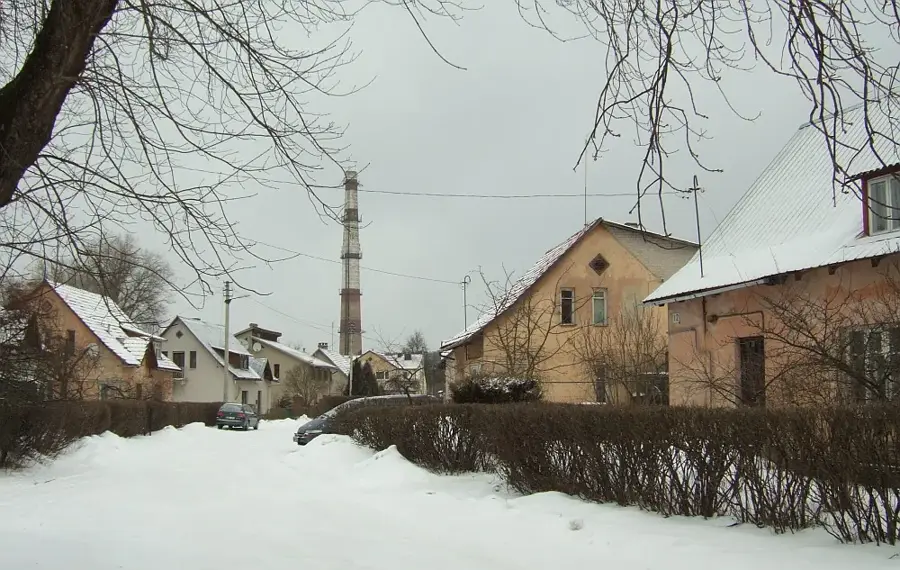
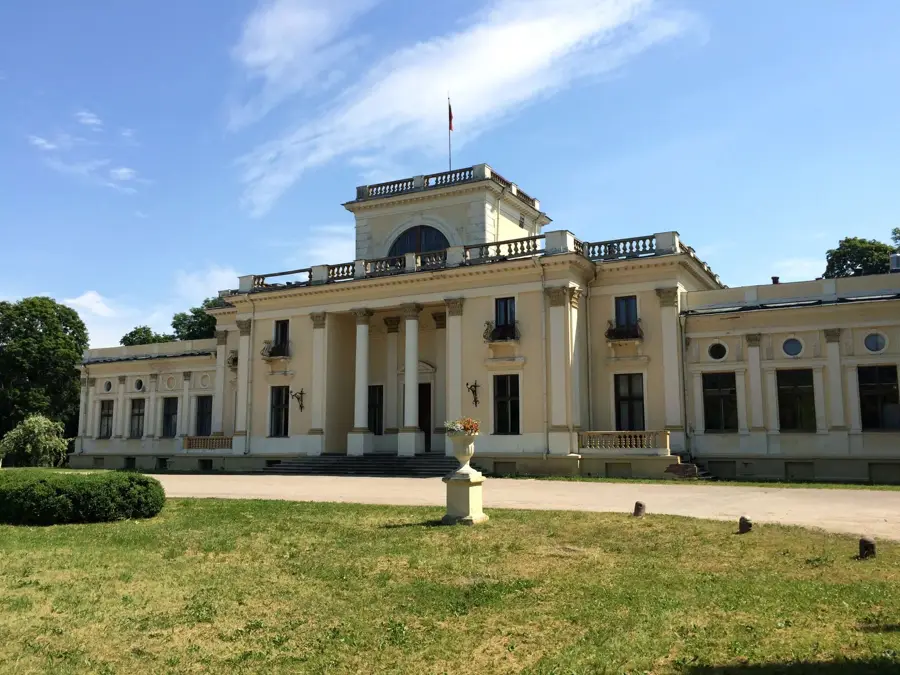
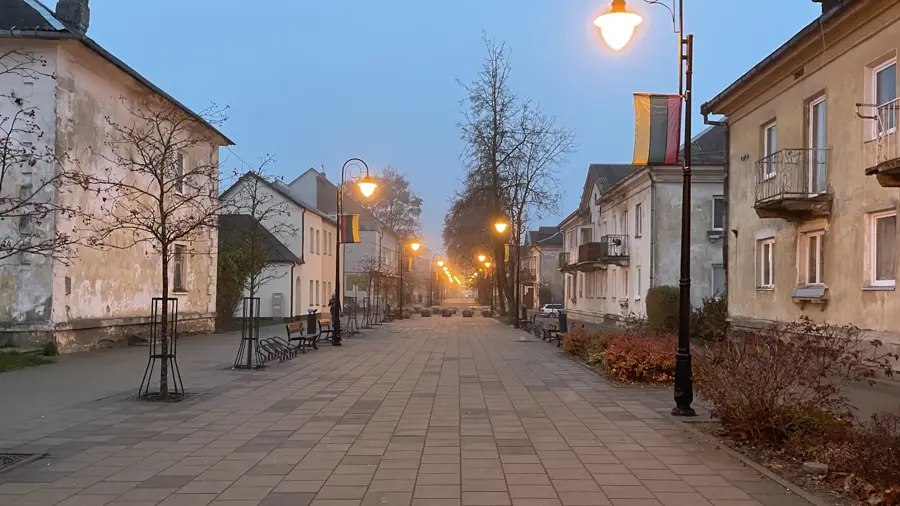
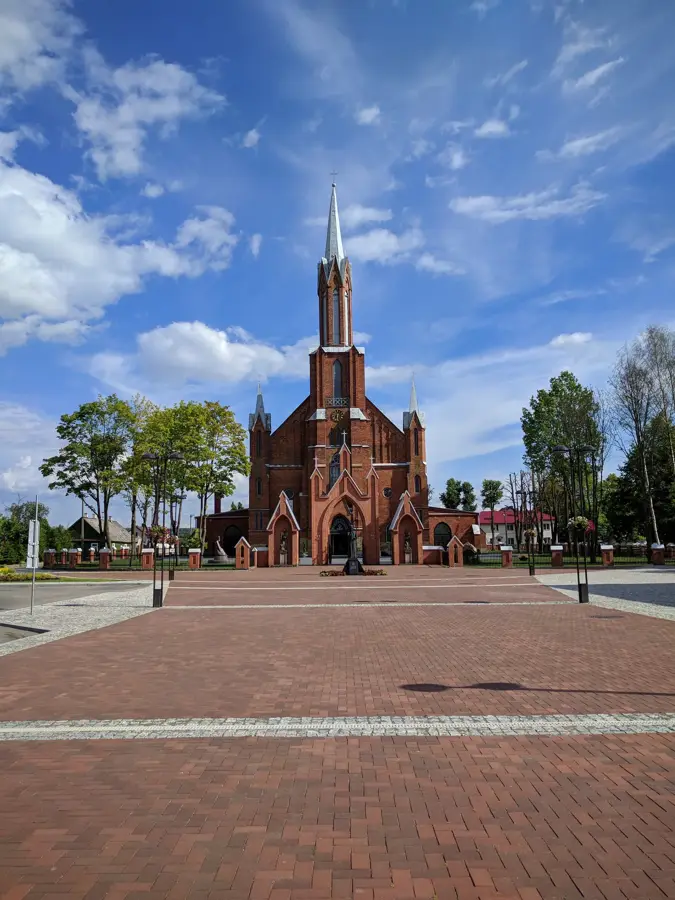
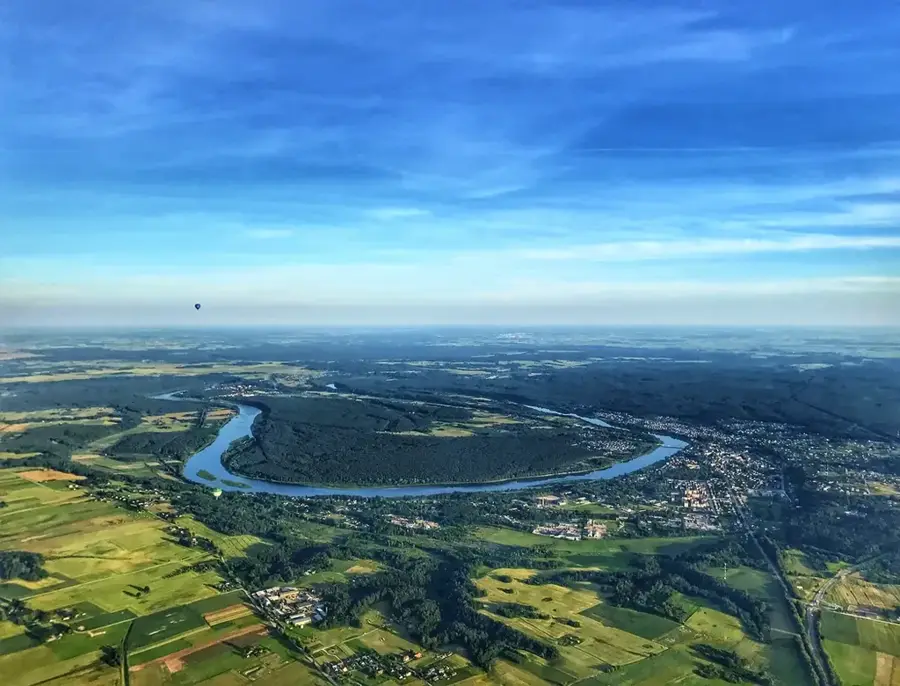
Šalčininkėliai is a pleasant settlement in the Šalčininkai District of southeastern Lithuania, known for its well-preserved wooden architecture and local historical significance. Located on the banks of the Šalčia River, the village's history is closely intertwined with the Glebavičius noble family, who held an estate here as early as the 16th century. The most prominent architectural landmark is the wooden Church of St. George, originally constructed in 1770 and later expanded with Neoclassical elements. Geographically, the region is characterized by rolling hills and extensive woodlands, making Šalčininkėliai a tranquil rural retreat. The settlement has maintained its traditional layout and currently serves as an important local hub for the surrounding agricultural community. The cultural diversity of the village is particularly noteworthy, representing a convergence of Lithuanian, Polish, and Belarusian traditions. Its proximity to the national border and the district center of Šalčininkai gives the place a distinct strategic and cultural relevance within the region.
- Location: Lithuania
- Nearby: Šalčininkai (6 km)
- Population: ~6.891
Best time to visit & climate
The most pleasant time to visit is Jun–Aug.
| Jan | Feb | Mar | Apr | May | Jun | Jul | Aug | Sep | Oct | Nov | Dec | |
|---|---|---|---|---|---|---|---|---|---|---|---|---|
| Avg °C | -7 | -6 | -1 | 6 | 13 | 16 | 19 | 18 | 13 | 6 | 1 | -4 |
| Rain mm | 52 | 43 | 44 | 47 | 74 | 77 | 102 | 83 | 54 | 68 | 56 | 54 |
Geography
Facts
- The wooden Church of St. George was originally built in 1770.
- The name of the settlement is derived from the Šalčia River.
- First written mentions of the village date back to the 16th century.
- Šalčininkėliai is located just 7 kilometers north of the town of Šalčininkai.
- In the 19th century, the village was a center for local weaving crafts.
- The region is known for its significant Polish-speaking population.
Explore nearby
Notable places around
Route planner — Car & Motorhome
Where do you start? We build the route here, with stops and country notes along the way.
© OpenStreetMap contributors · OpenRouteService
Frequently asked questions
What can you see in Šalčininkėliai?
What cultural influence does the place have?
Is Šalčininkėliai located near the border?
What is the environment like?
Is a visit worth it for history buffs?
Šalčininkėliai: where is it located?
Šalčininkėliai: when is the best time to visit?
Šalčininkėliai: why is it worth visiting?

Nearby cities
History & landmarks