Plizio Visual Lab
Baltoji Vokė
Plizio editorial teamData Sources
City
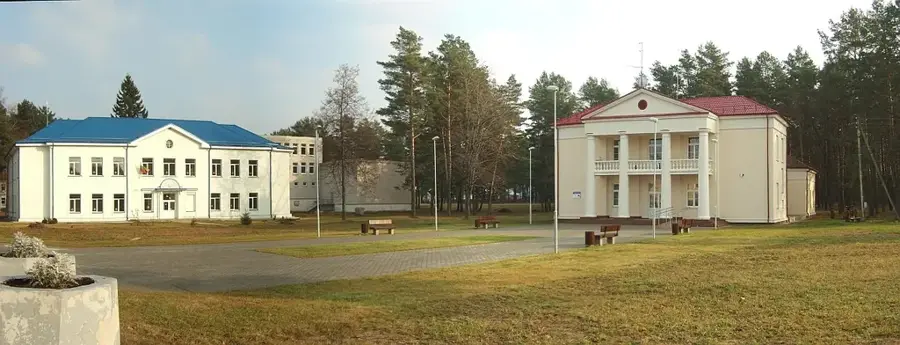
ℹ️Practical info — Baltoji Vokė
▾
🌤 Weather — 5 days
📍 Nearby
Sights nearby
💡 Tips
- The town layout is a fascinating example of mid-20th-century industrial worker settlement design.
- It's an easy trip from Vilnius; consider cycling part of the way if you're active.
- Bring binoculars if you plan to visit Papio Lake, as it's a great spot for birdwatching.
- Stick to marked paths in the nearby Rūdninkai forest, which has a complex history and old military sites.
🍽 Food
🍽
Kibinai Pastries
Karaite savory pastries, often available in local bakeries in the Vilnius region.
🍽
Hearty Stews
Great comfort food at a local cafe after hiking in the Rūdninkai forest.
🍽
Cepelinai
Traditional potato dumplings, usually found in casual local diners.
🛍 Shopping · 🧘 Quiet spots
🛍
Fresh Forest Berries
Often sold by local foragers during the summer months.
🛍
Picnic Provisions
Stock up at the local convenience store for a lunch by the lake.
🧘
Papio Lake (Papis)
A tranquil, slightly wild lake setting great for bird watching and relaxing.
🧘
Rūdninkai Forest Paths
Vast, deep pine forests that offer pure silence and nature.
Water temperature…
Baltoji Vokė is a relatively young industrial town in the Vilnius District, whose development is intrinsically linked to the systematic exploitation of local peat bogs during the 20th century. The settlement emerged in its modern form around 1950, following the establishment of a large-scale peat extraction enterprise that became the economic backbone of the region. Geographically, the town is situated in a flat, formerly marshy lowland on the banks of the Vokė River, which was extensively regulated to support the drainage of the surrounding wetlands. The urban architecture is characterized by the functional styles of the Soviet era, yet the surrounding forests and reclaimed water bodies provide high ecological value. Today, Baltoji Vokė is part of the Šalčininkai District Municipality and serves as a local economic hub striving to balance its industrial past with modern conservation efforts. The area is particularly significant for ornithology, as the former peat excavation sites have transformed into vital habitats for rare migratory and resident water birds.
- Location: Lithuania
- Nearby: Trakų Vokė (8 km)
- Population: ~1.071
Best time to visit & climate
The most pleasant time to visit is Jun–Aug.
| Jan | Feb | Mar | Apr | May | Jun | Jul | Aug | Sep | Oct | Nov | Dec | |
|---|---|---|---|---|---|---|---|---|---|---|---|---|
| Avg °C | -6 | -5 | 0 | 6 | 13 | 16 | 19 | 18 | 13 | 6 | 2 | -3 |
| Rain mm | 54 | 43 | 45 | 46 | 71 | 77 | 100 | 84 | 54 | 68 | 56 | 55 |
Geography
Facts
- The town was officially granted city status in the year 1958.
- Peat extraction operations were significantly expanded starting in 1950.
- It is located approximately 30 kilometers south of the capital city, Vilnius.
- The Vokė River flows through the town and was modified for drainage.
- A large percentage of the local population belongs to the Polish minority.
- The nearby wetlands are part of important regional bird conservation efforts.
Explore nearby
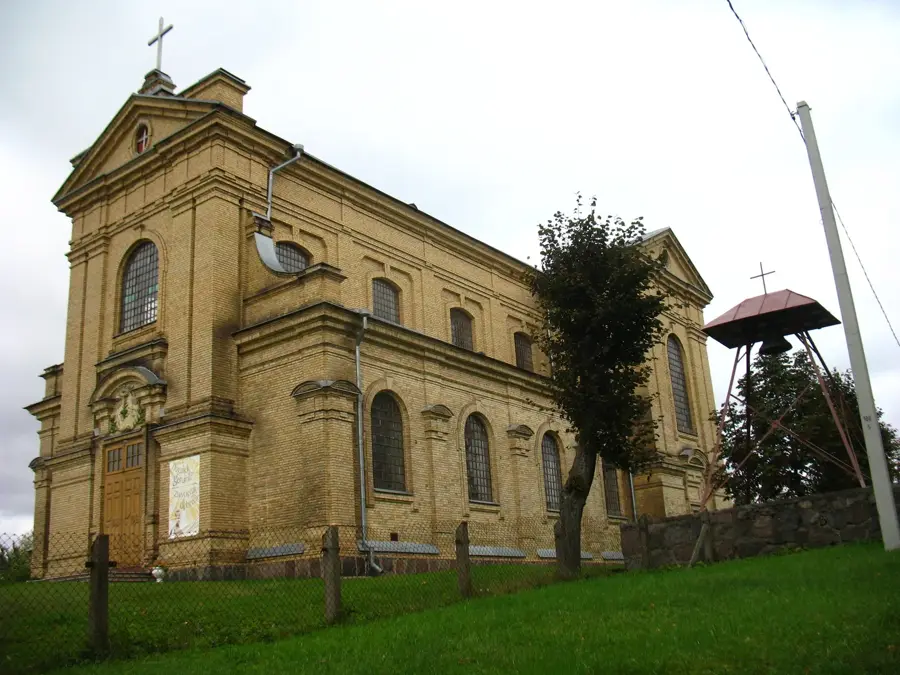
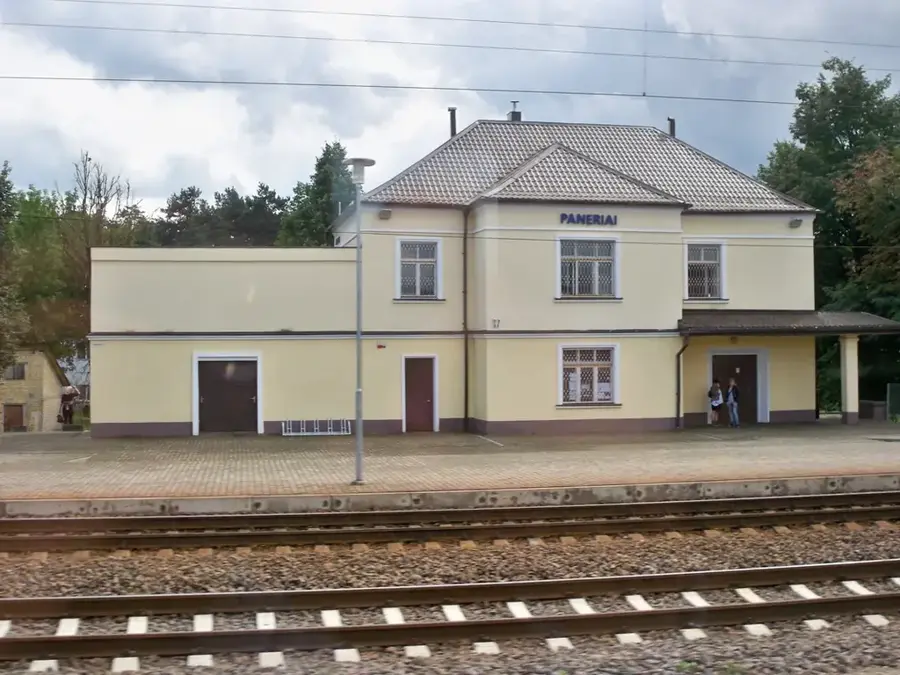
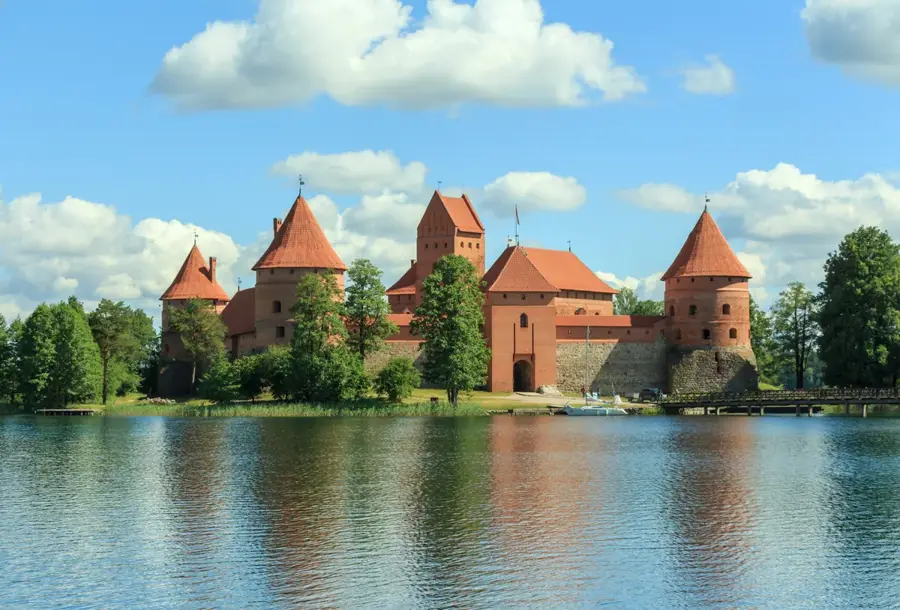
Notable places around

Route planner — Car & Motorhome
Where do you start? We build the route here, with stops and country notes along the way.
Vehicle
Only stops with (optional):
© OpenStreetMap contributors · OpenRouteService
Sights in the town Baltoji Vokė (1)
Frequently asked questions
What characterizes Baltoji Vokė?
The town is closely linked to peat mining and the surrounding forests, such as the Rūdninkai forest.
Are there nature reserves nearby?
Yes, the Papys bird sanctuary is an important refuge for rare bird species in the wetlands.
How far is Baltoji Vokė from Vilnius?
The town is about 30 km south of the capital and easily accessible for nature observation.
What activities does the surroundings offer?
Hiking and bird watching in the untouched bog and forest landscapes are particularly popular.
What is the origin of the name Baltoji Vokė?
The name refers to the Vokė river and translates to 'White Vokė'.
Baltoji Vokė: where is it located?
Baltoji Vokė is located in Lithuania.
Baltoji Vokė: when is the best time to visit?
The most pleasant time to visit is Jun, Aug.
Baltoji Vokė: why is it worth visiting?
Baltoji Vokė is a relatively young industrial town in the Vilnius District, whose development is intrinsically linked to the systematic exploitation of local peat bogs during the 20th century.

Explore with Plizio
Discover more places in Europe
More places in Lithuania →
Nearby cities
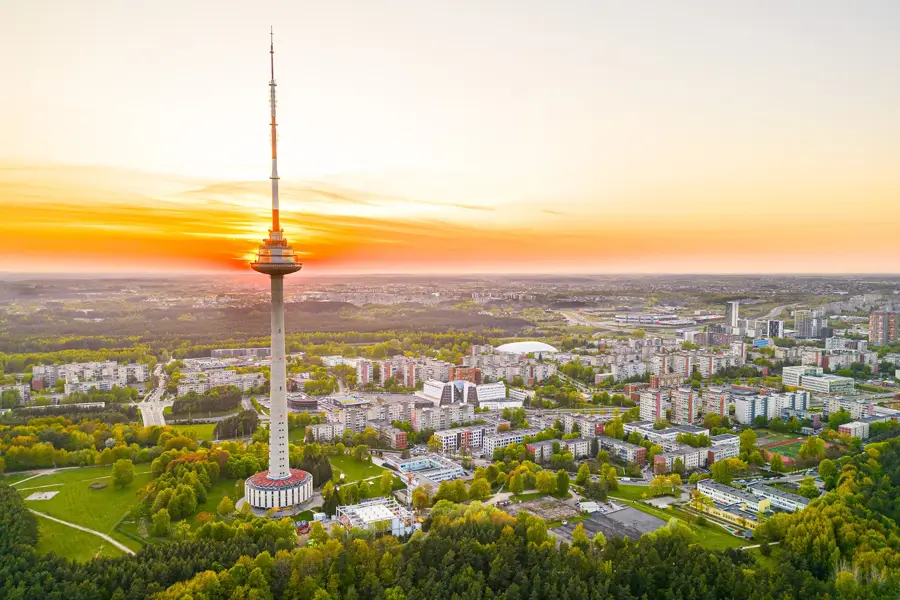
Alytus
Alytus is the unofficial capital of the Dzūkija region in southern Lithuania.
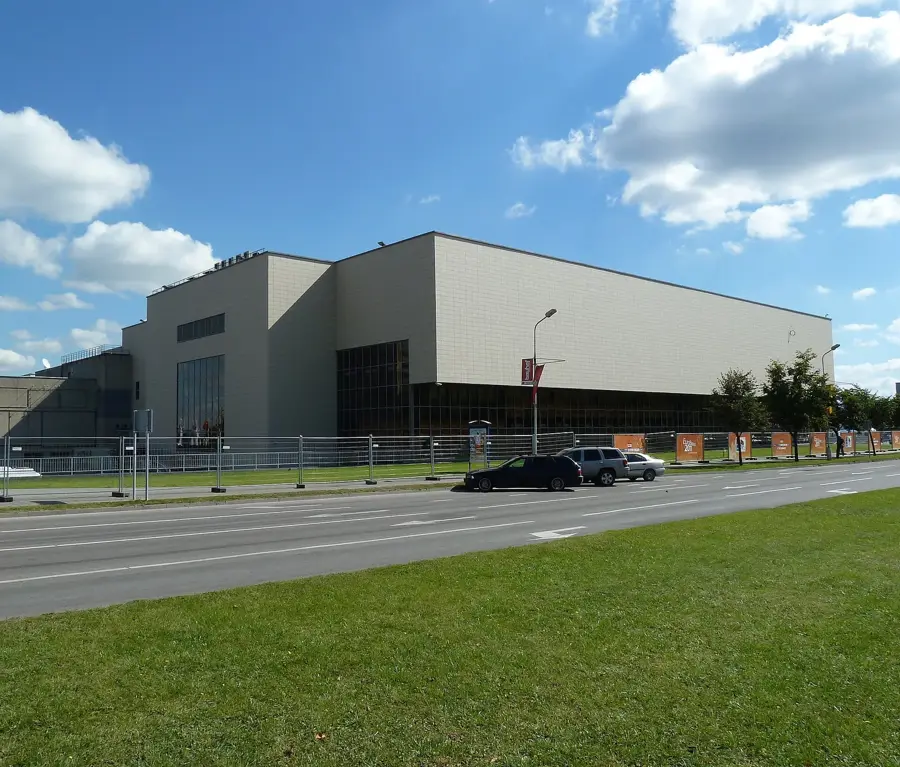
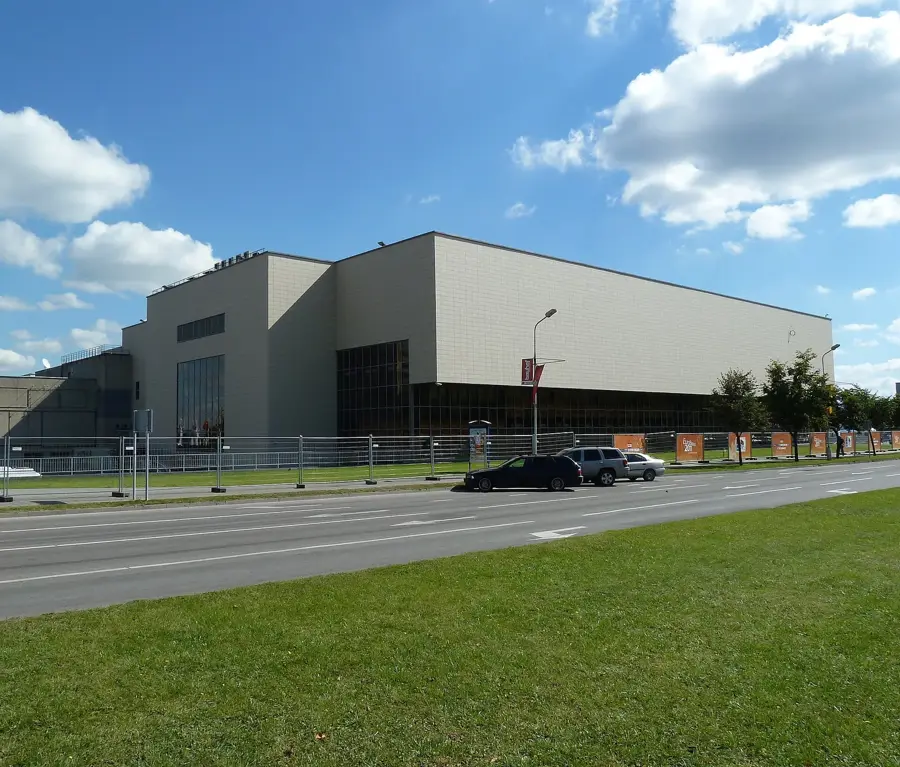
Alytus area
The area around Alytus lies on the banks of the Nemunas.
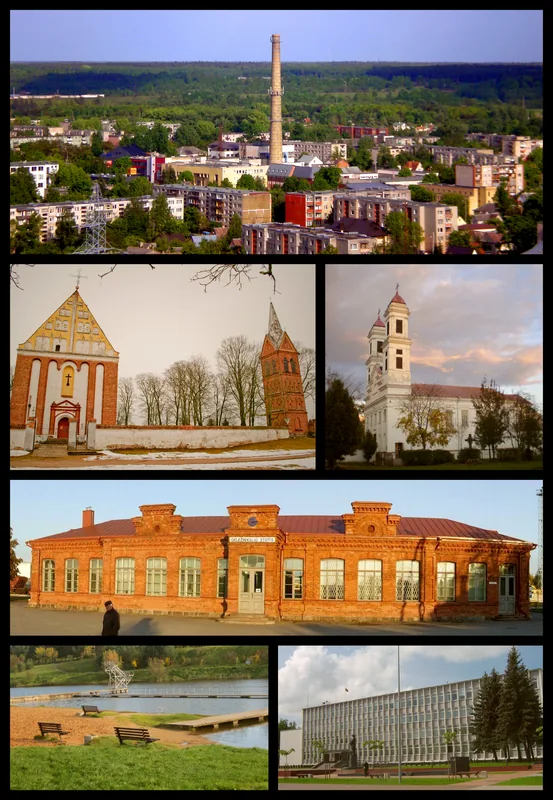
Jonava
Jonava is a city in central Lithuania known for its chemical industry.
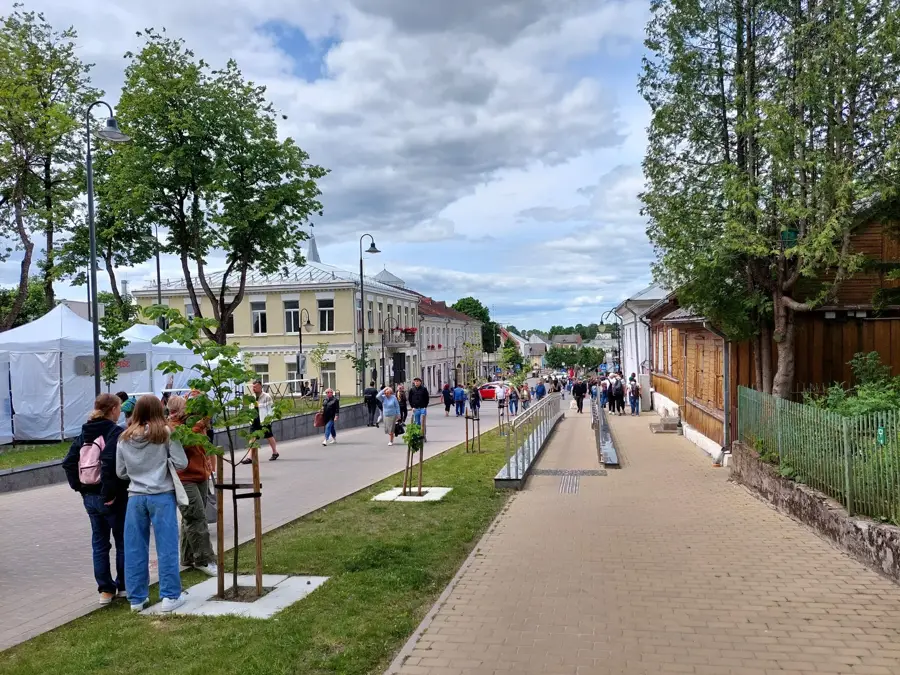
Ukmergė
Ukmergė is one of the oldest cities in Lithuania and is located on the Šventoji River.
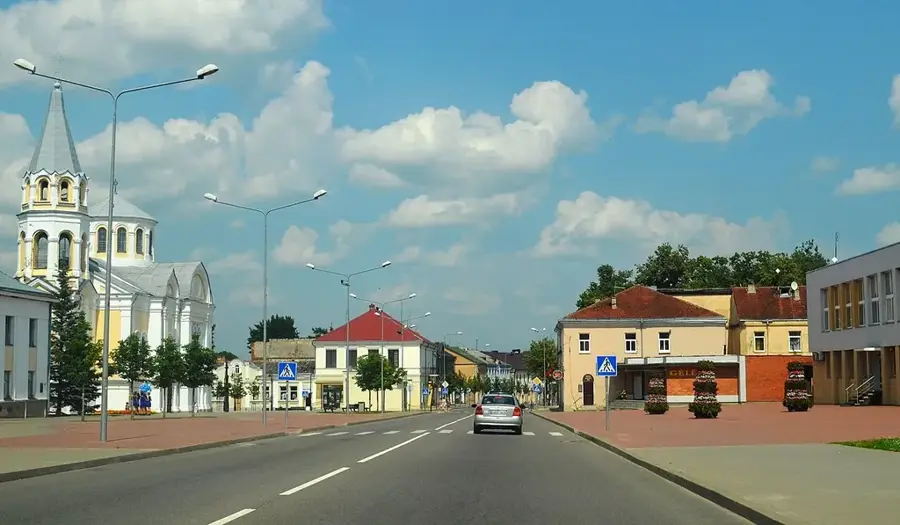
Ukmergė area
The rural area around Ukmergė offers a varied landscape with many historical manors.
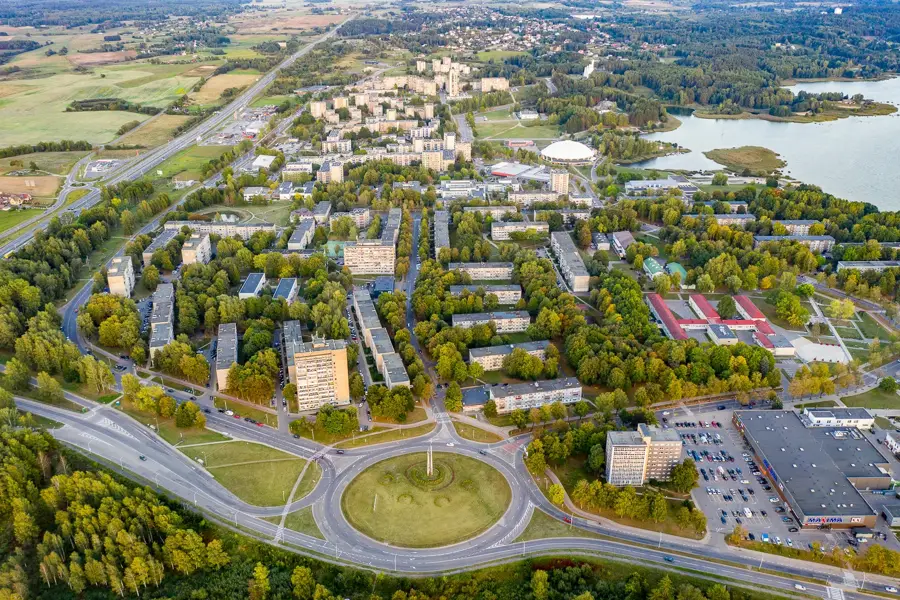
Elektrėnai
Elektrėnai is a modern city founded during the Soviet era as a residence for the workers of the local power plant.
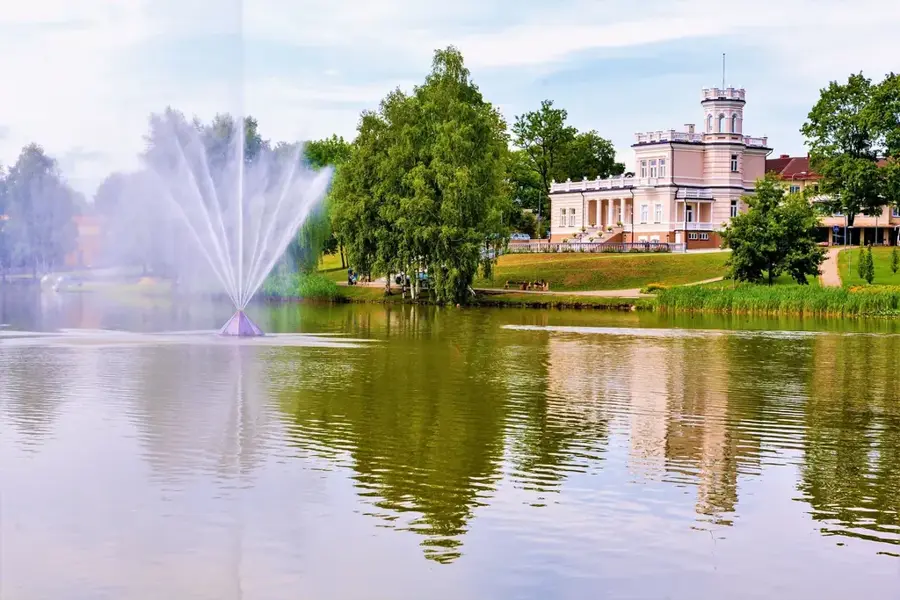
Druskininkai
Druskininkai is a renowned spa resort in southern Lithuania.
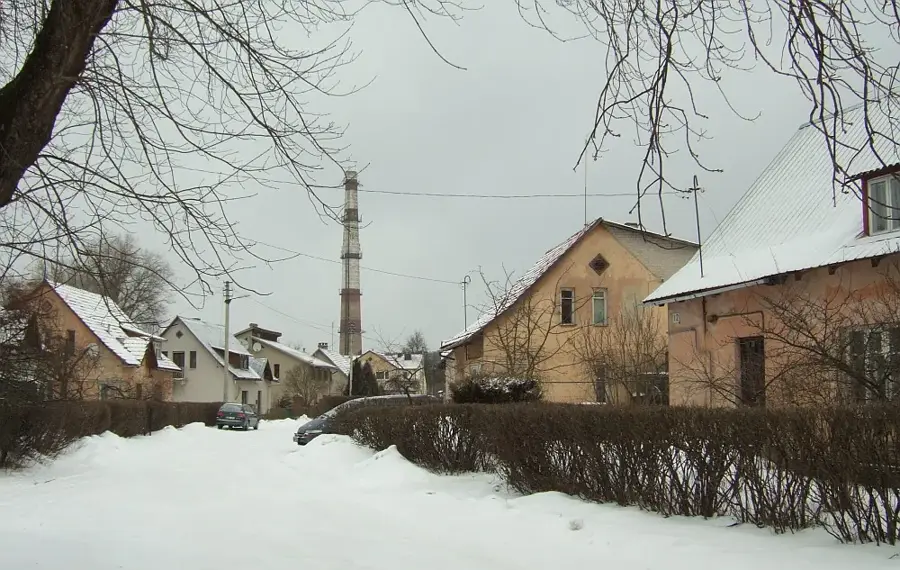
Grigiškės
Grigiškės is an industrial city west of Vilnius on the Voke River.
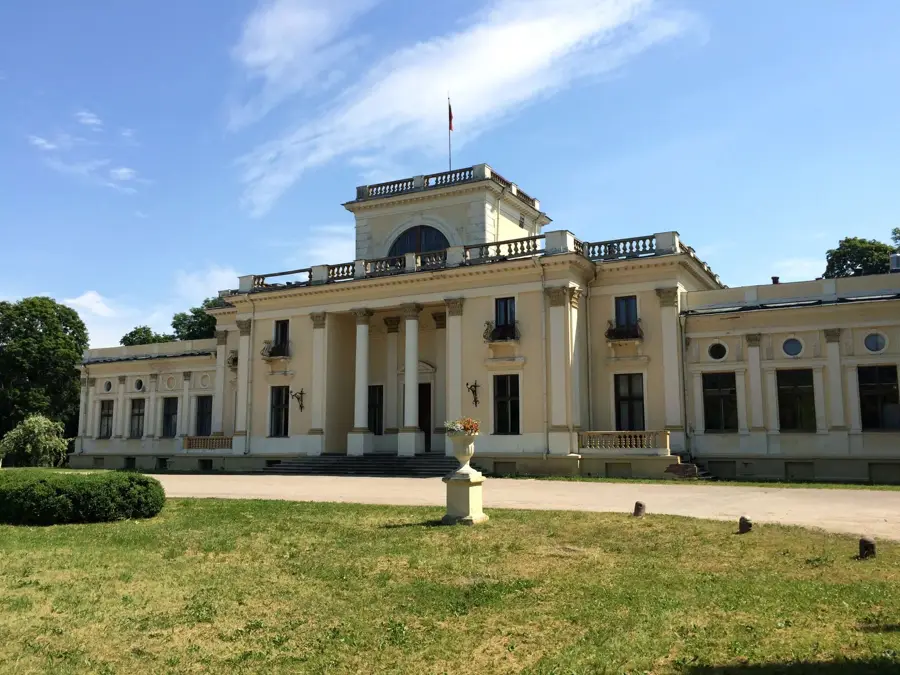
Trakų Vokė
Trakų Vokė is located in the suburban area of Vilnius.
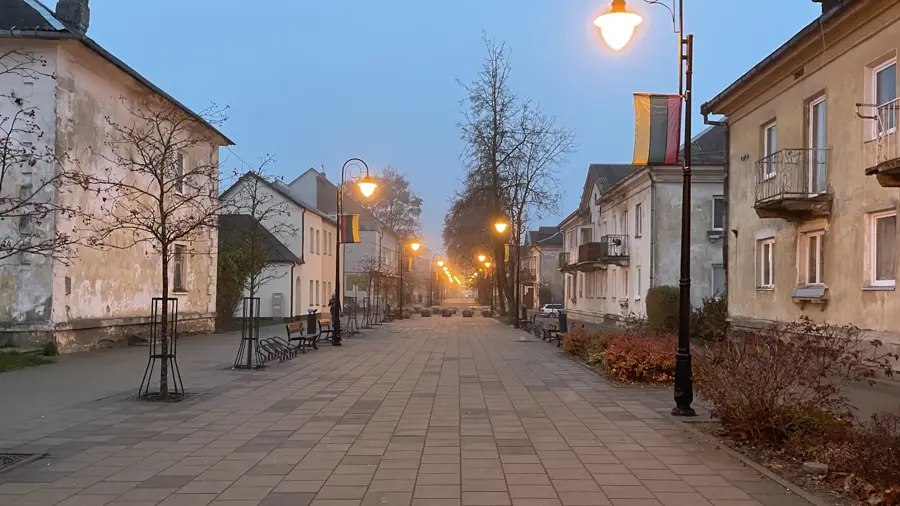
Lentvaris
Lentvaris is an industrial city near Vilnius and Trakai.
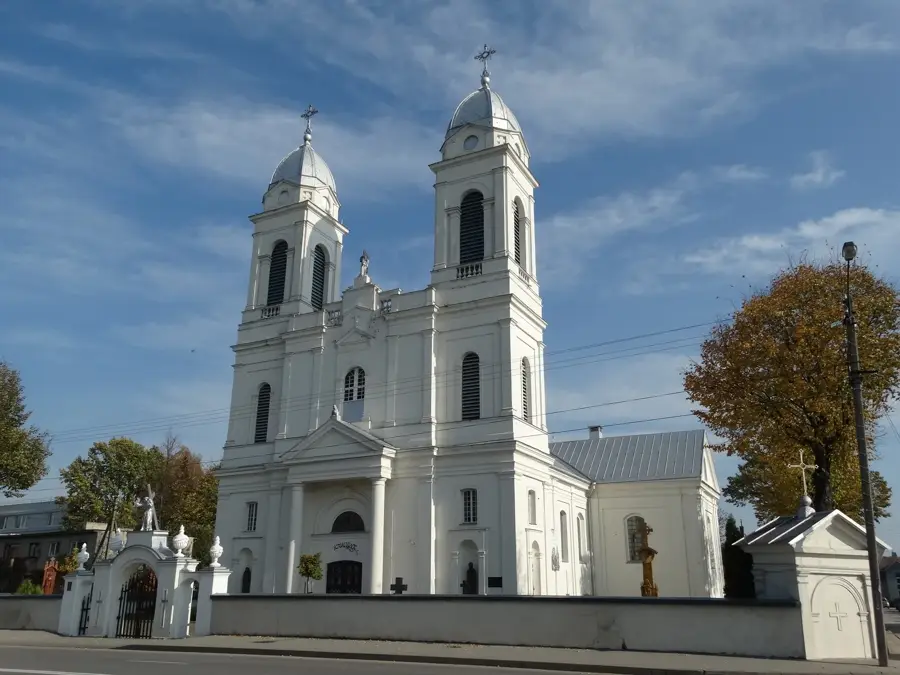
Garliava
Garliava is a growing city located immediately south of Kaunas.
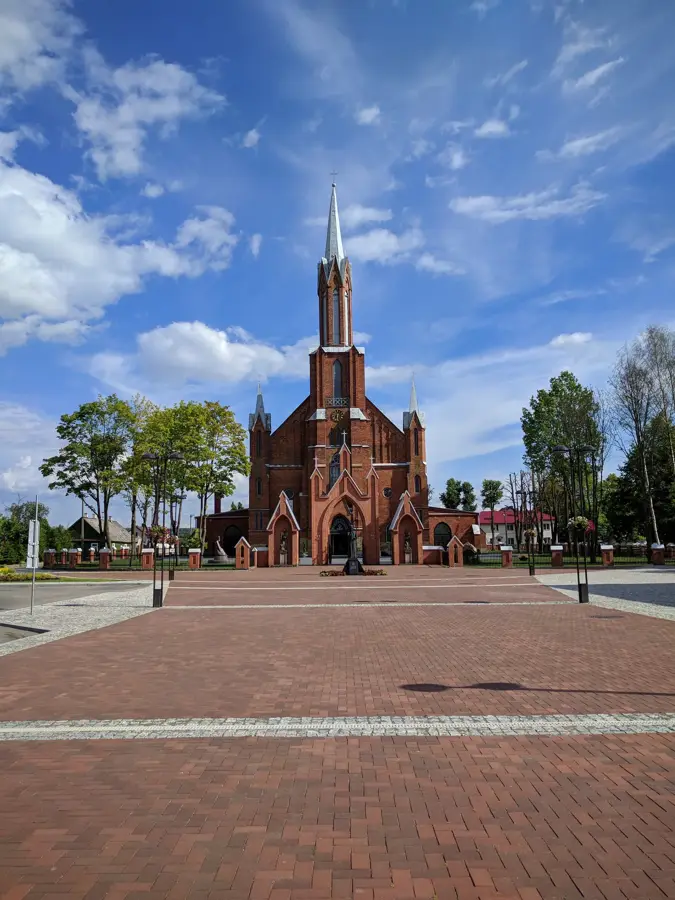
Kaišiadorys
Kaišiadorys is an important railway junction between Vilnius and Kaunas.
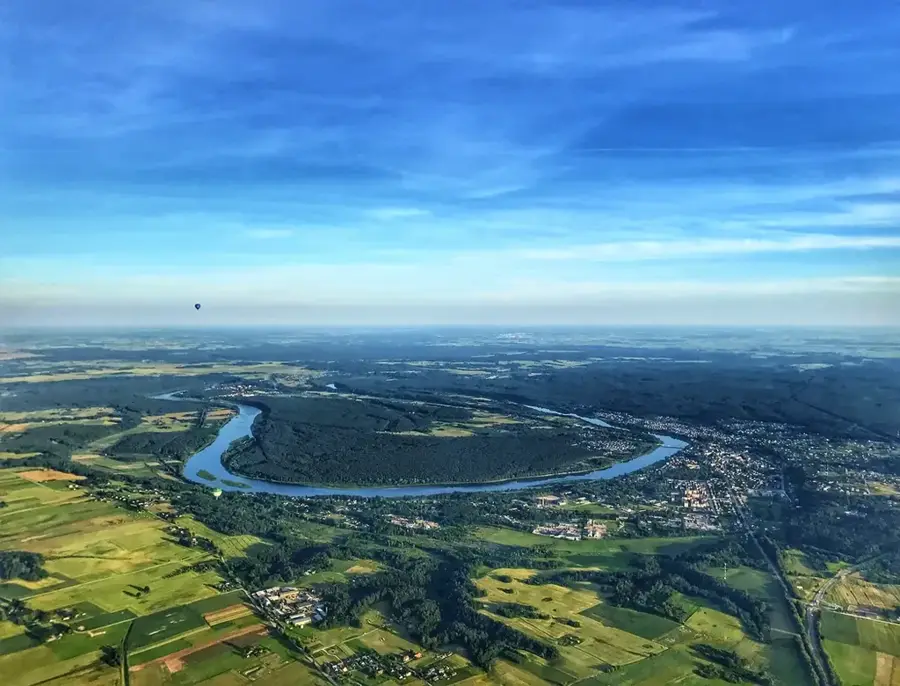
Prienai area
Prienai lies in a scenic region on the Nemunas.
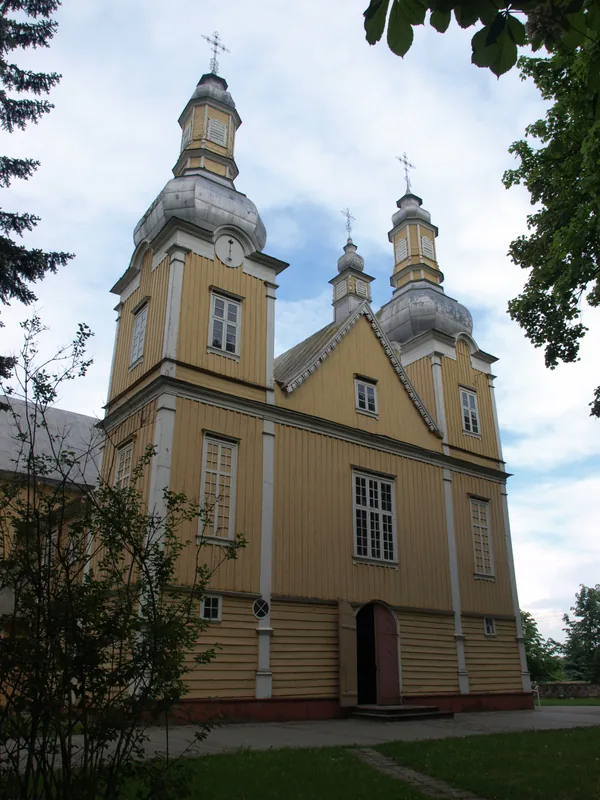
Prienai
Prienai is located on the picturesque bends of the Nemunas in south-central Lithuania.
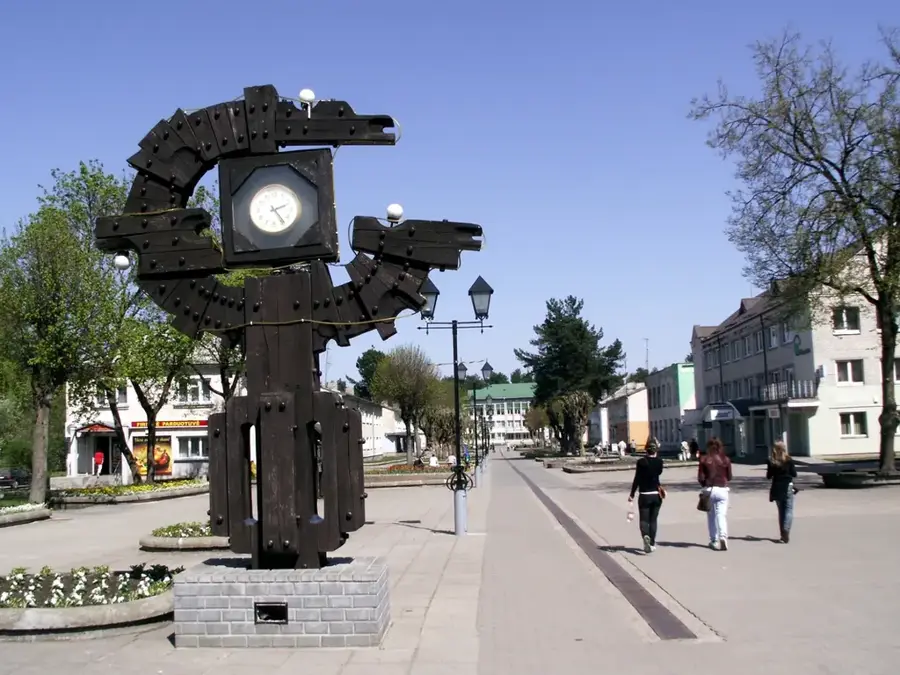
Varėna
Varėna is a city in southern Lithuania surrounded by dense forests.
History & landmarks
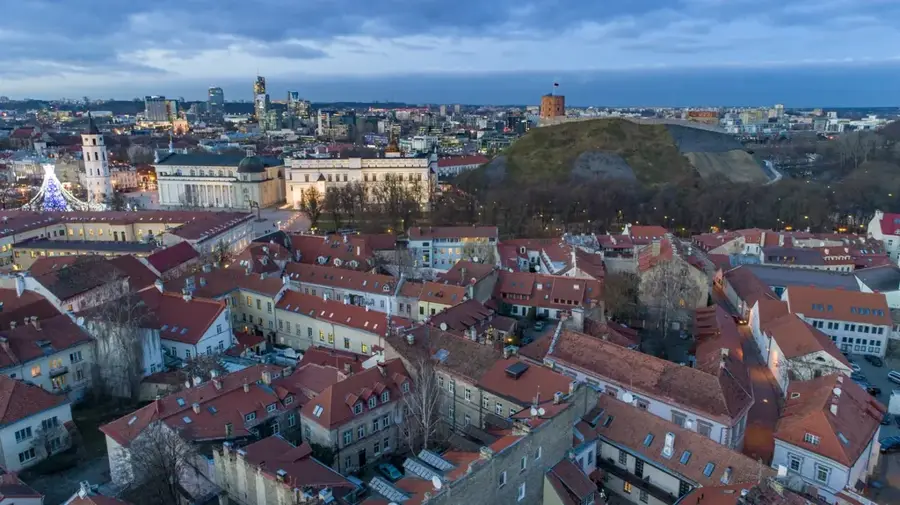
Vilnius Old Town
Vilnius Old Town is one of the largest surviving medieval town centers in Northern Europe.
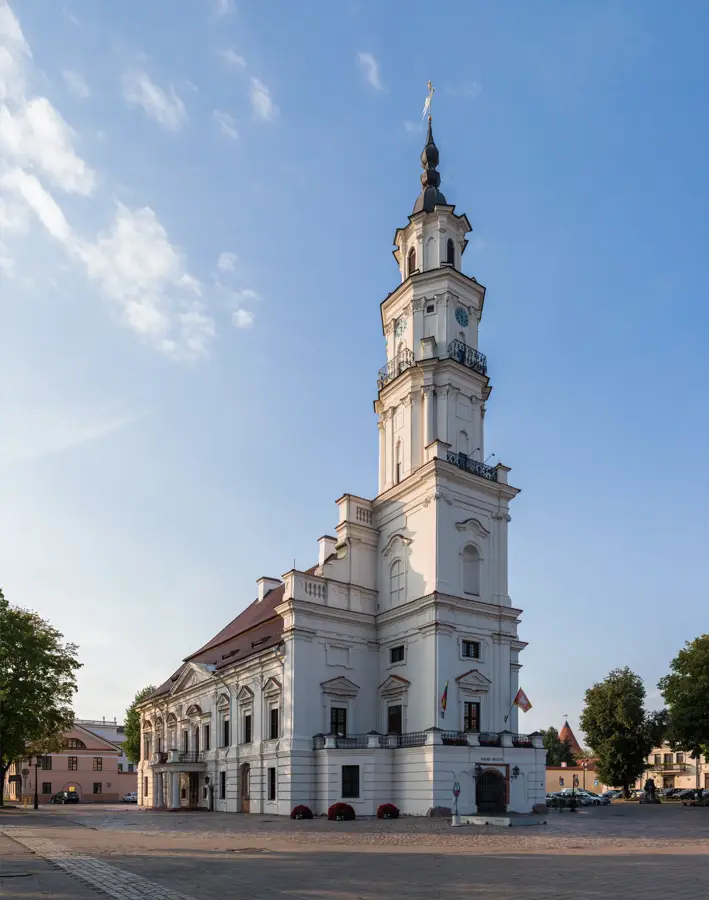
Kaunas Town Hall
The Town Hall in the main square of Kaunas is often called the 'White Swan' due to its elegant shape and white facade.
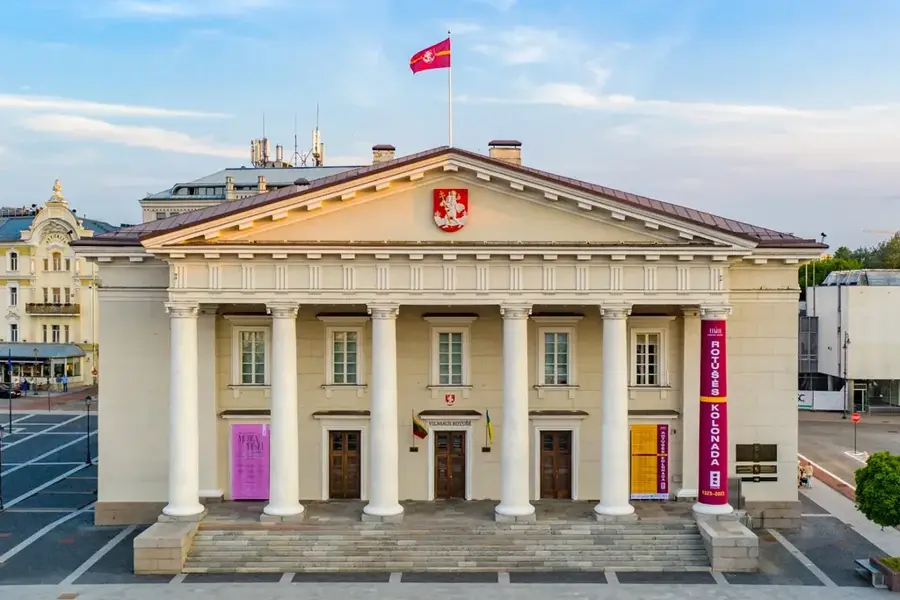
Vilnius Town Hall
A Neoclassical landmark in the heart of the Old Town, designed by Laurynas Gucevičius.
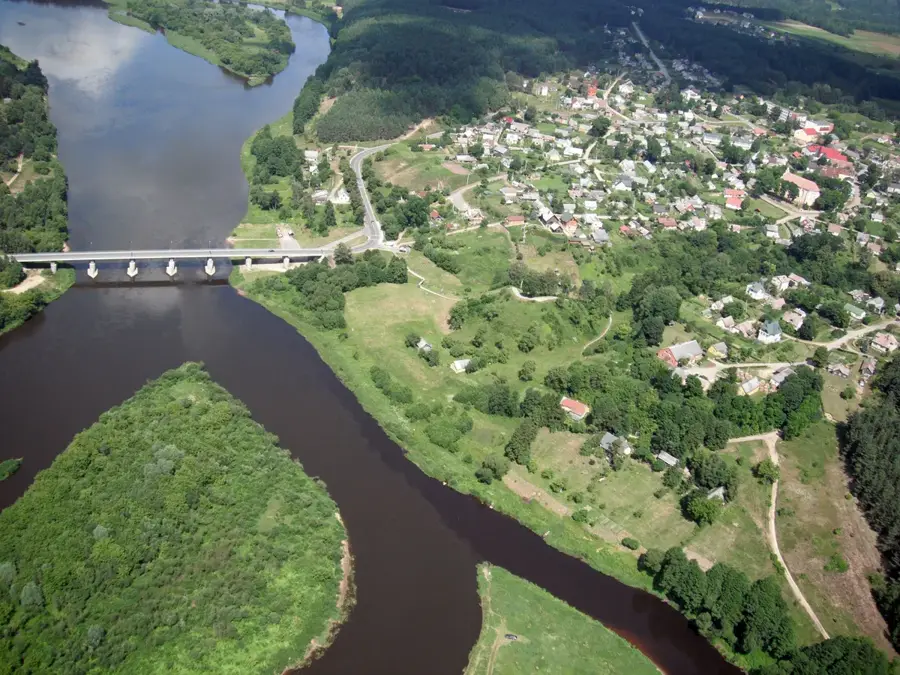
Merkinė
A historic settlement at the confluence of the Nemunas and Merkys rivers, famous for its massive hillfort.