Plizio Visual Lab
Šalčininkai
ℹ️Practical info — Šalčininkai
▾
🌤 Weather — 5 days
📍 Nearby
Sights nearby
💡 Tips
- Keep your passport or ID card handy at all times, as there are frequent border police checks due to the close proximity to Belarus.
- You will notice a strong Polish cultural influence here; greeting locals with "Dzień dobry" is often as welcome as "Laba diena".
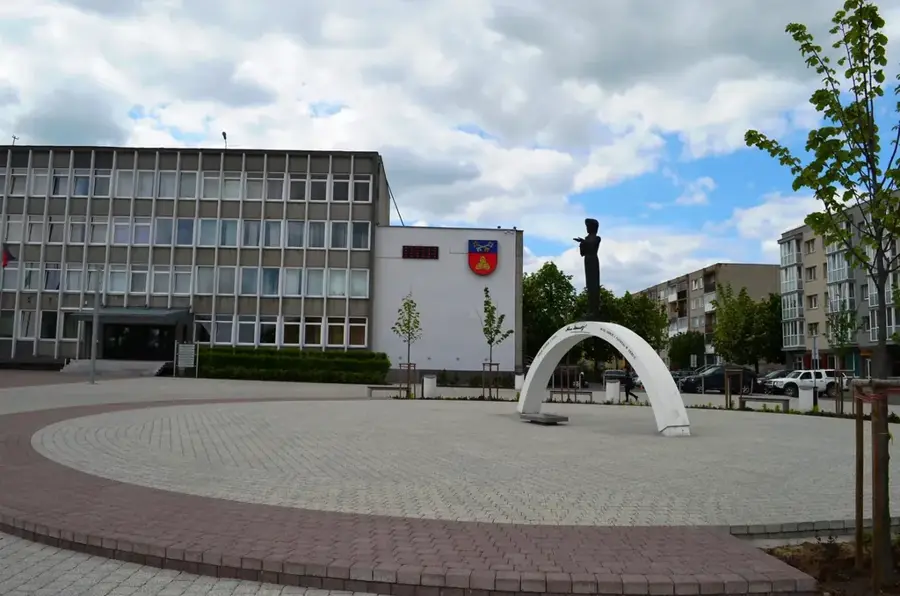
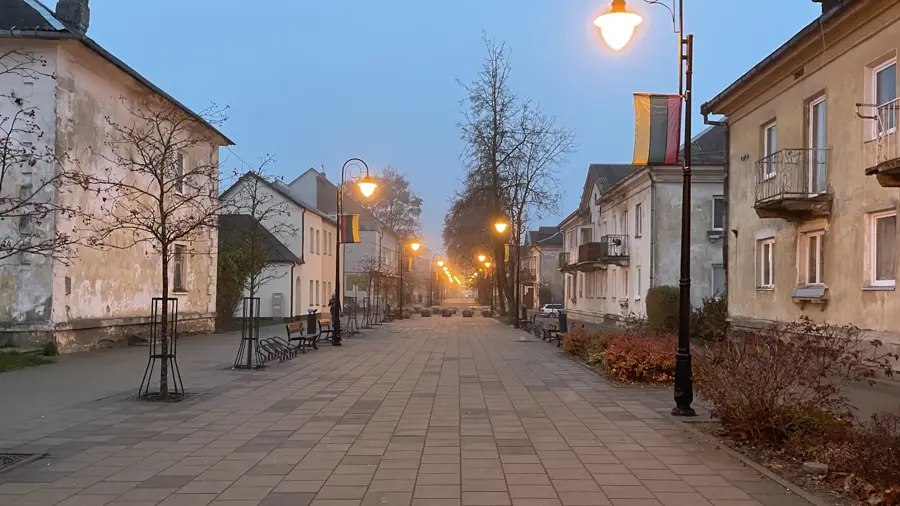
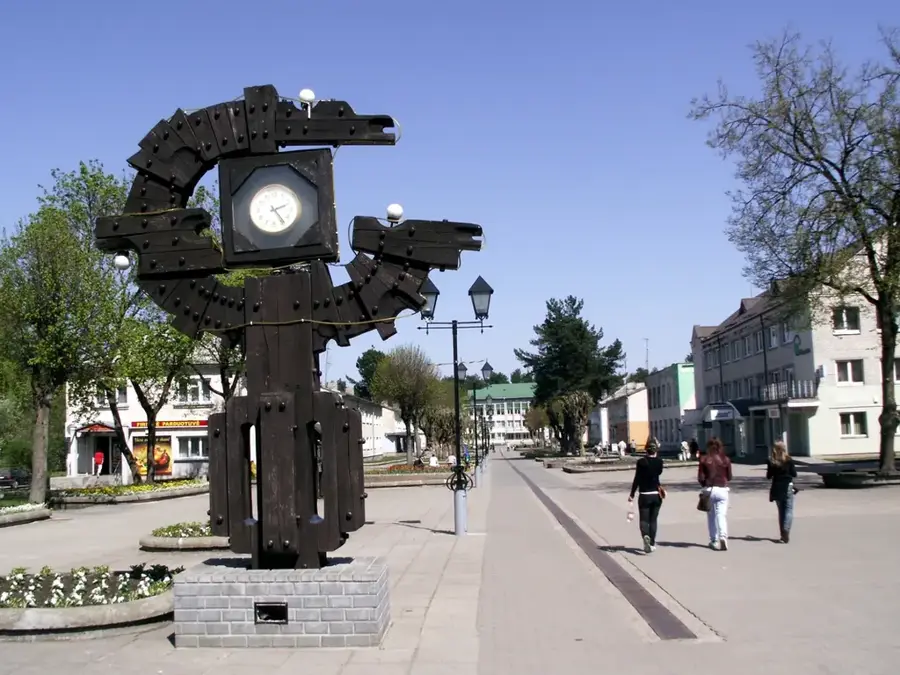
- The town itself is small and easily walkable, with most amenities concentrated around the main square.
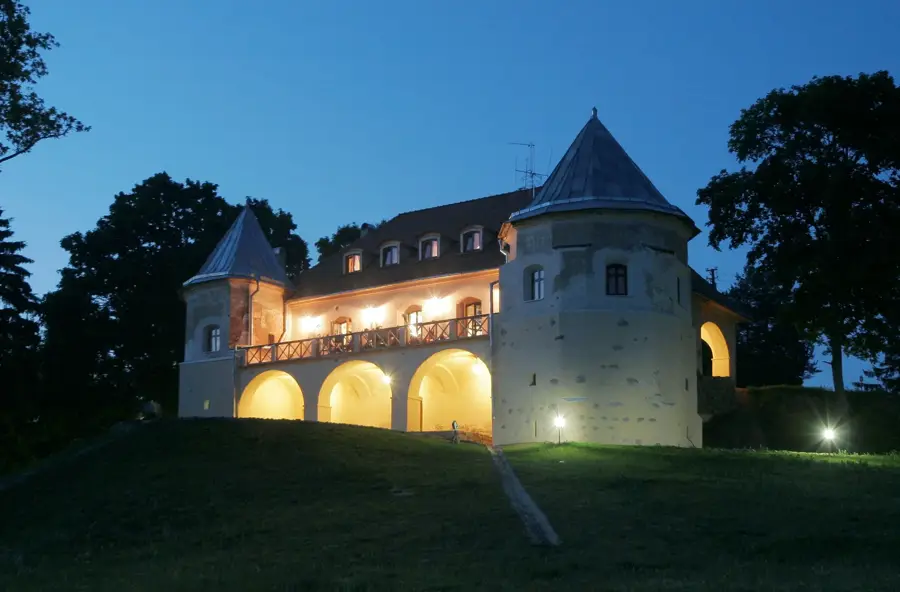
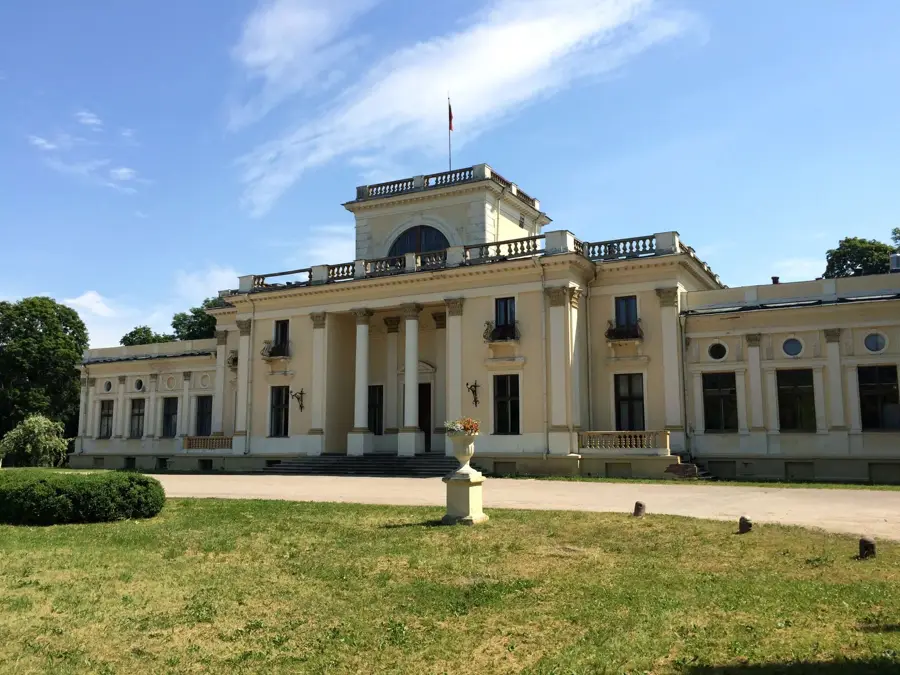
- Take a short drive out to the nearby Jašiūnai Manor; its park is beautifully maintained and provides a glimpse into local history.
🍽 Food
Try the local meat-filled dumplings, which often feature a mix of Lithuanian and Polish culinary traditions.
Look for this rich cabbage and meat stew in local diners, reflecting the area's strong Polish heritage.
Fresh cottage cheese and sour cream from nearby farms are a staple in the regional diet.
🛍 Shopping · 🧘 Quiet spots
Stop by a local bakery near the center for fresh traditional Polish-style sweet buns and pastries.
The local open-air market gives a unique mix of Lithuanian agricultural produce and cross-border goods.
A peaceful park with walking paths and small ponds, first-rate for a relaxing break in the center.
Just outside the town, these extensive restored historical gardens offer a very quiet and scenic retreat.
Water temperature…
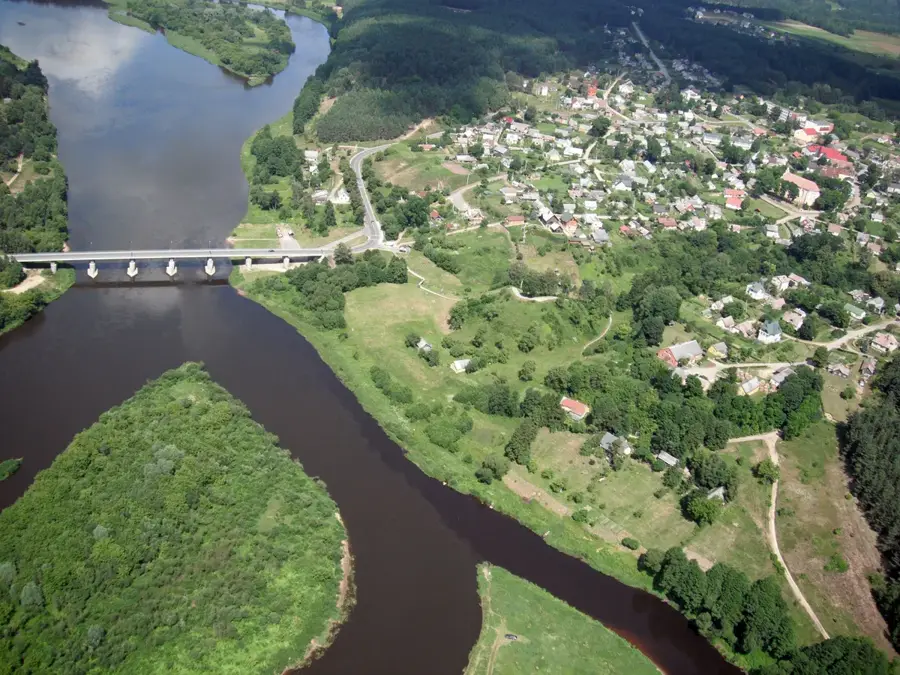
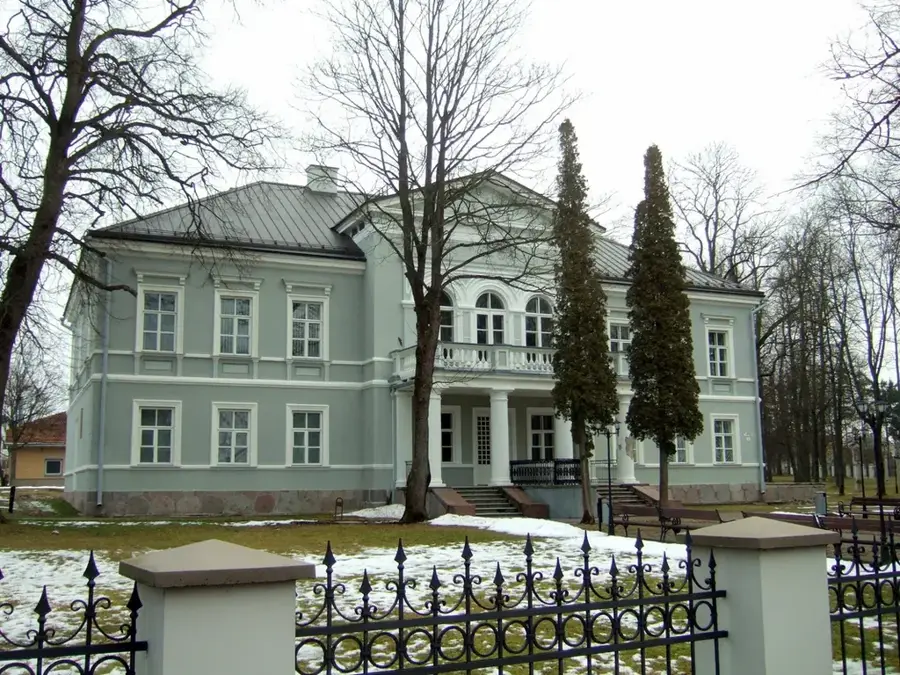
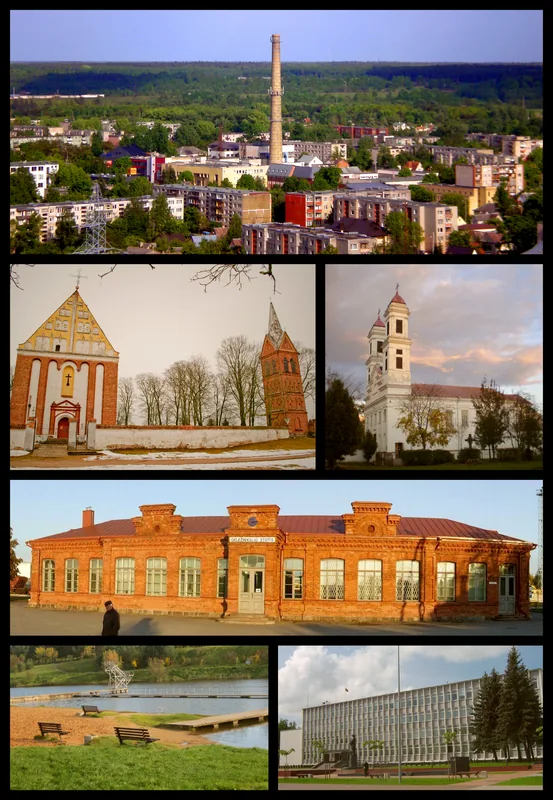
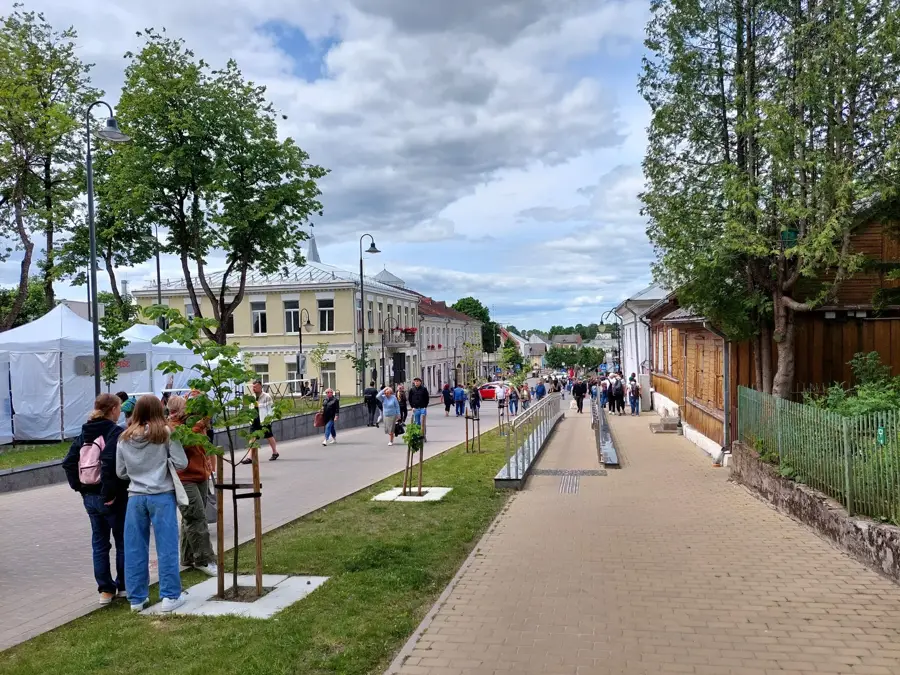
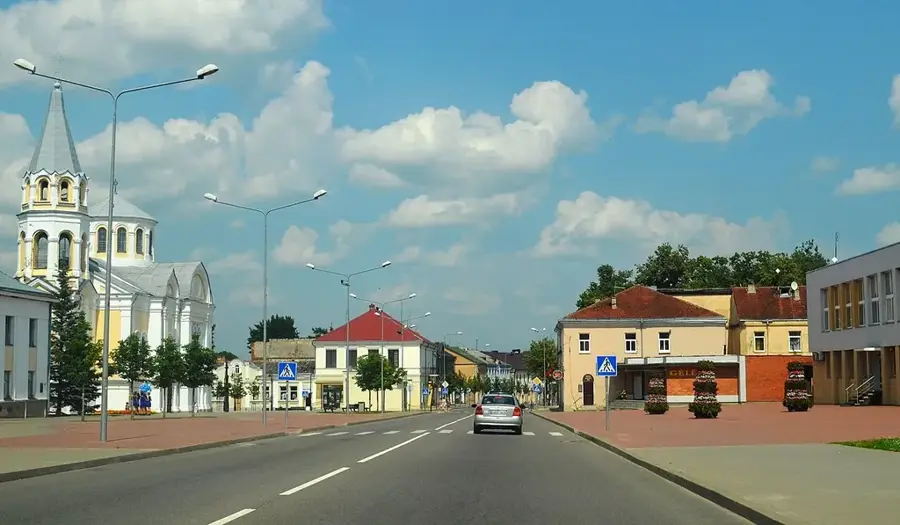
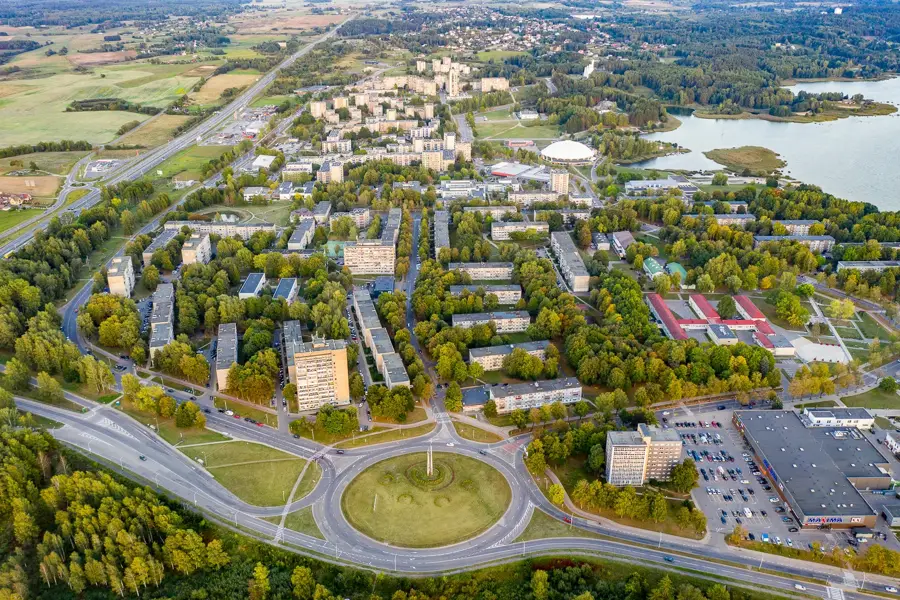
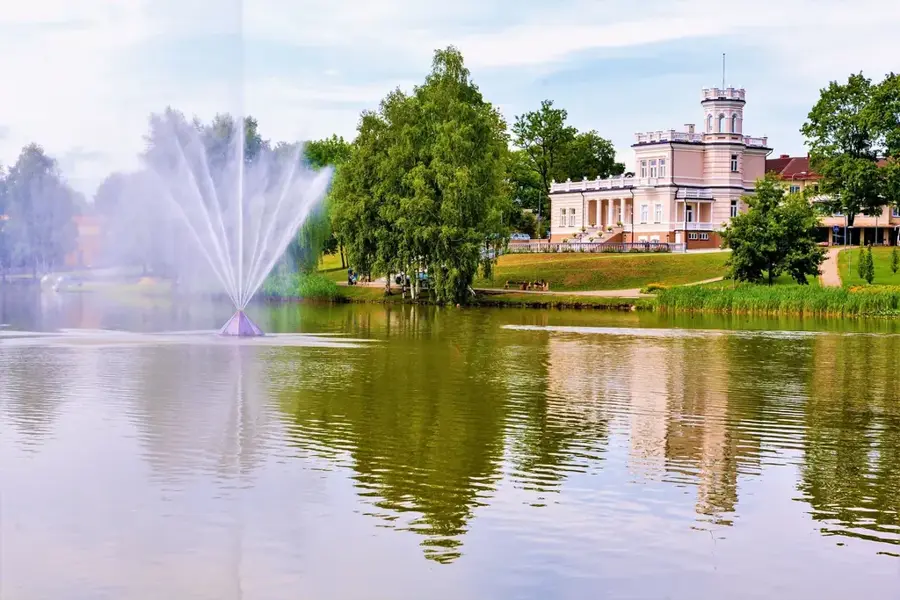
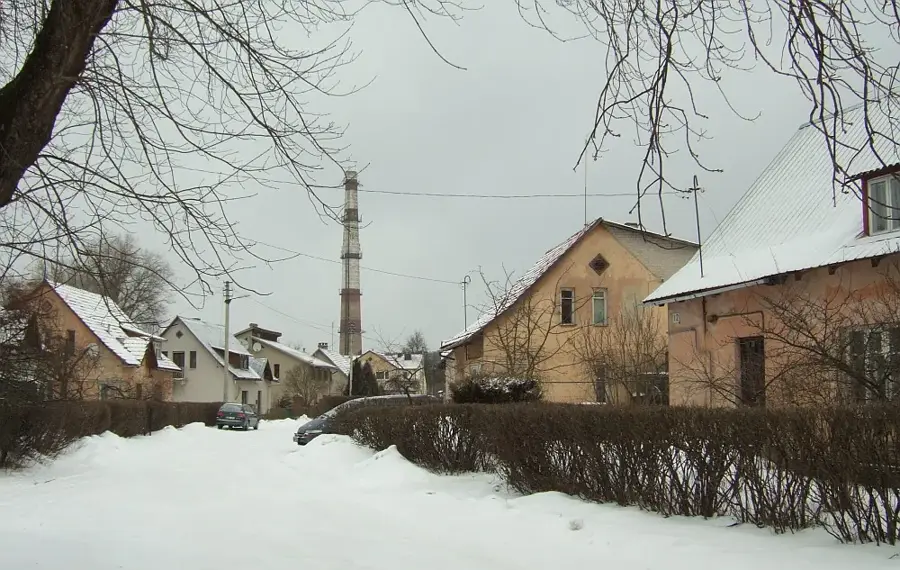
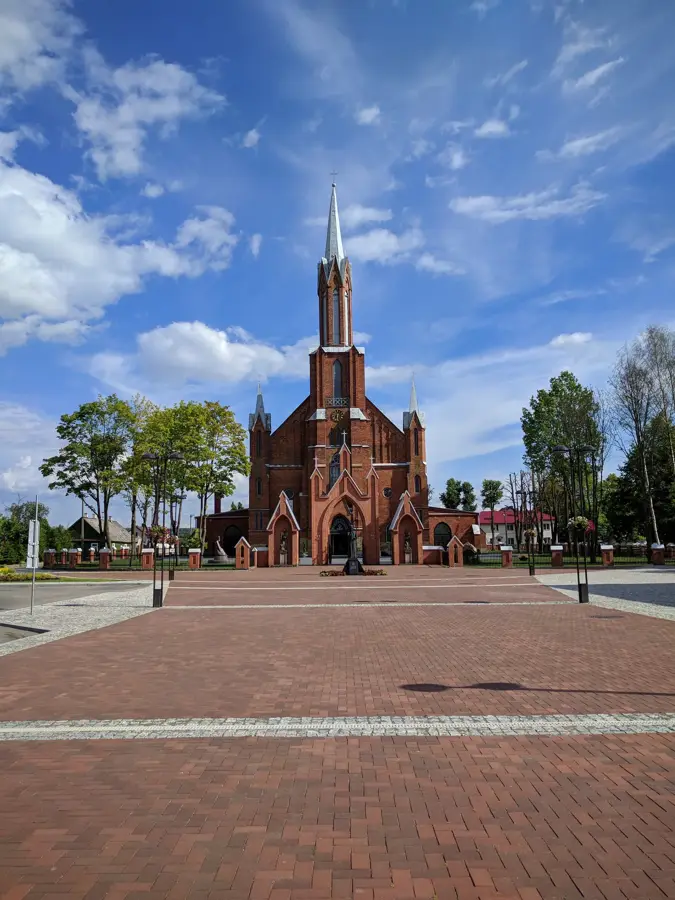
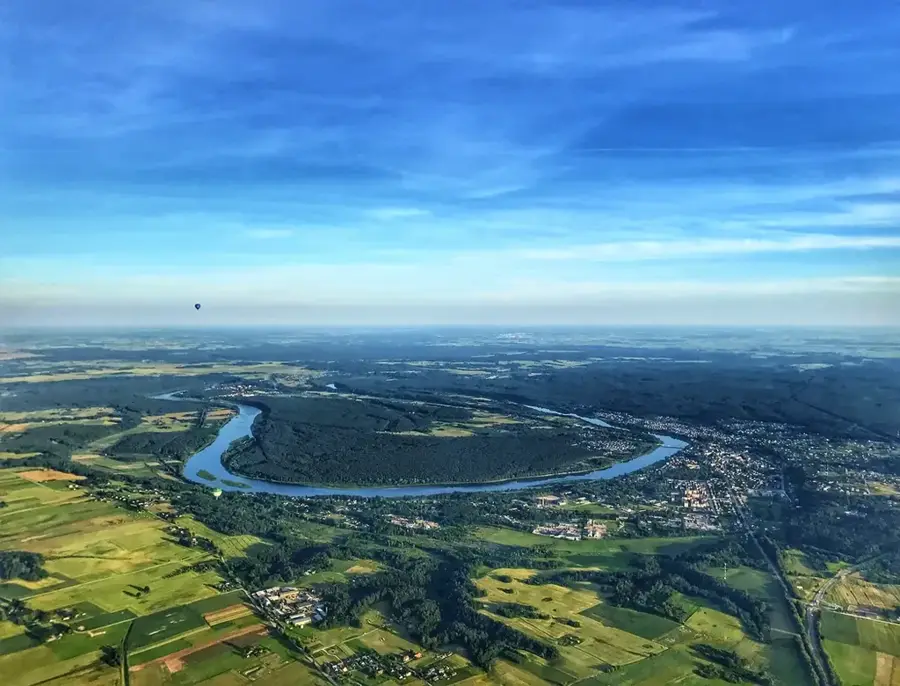
Šalčininkai is located in southeastern Lithuania, positioned directly on the border with Belarus, and serves as the administrative center of the Šalčininkai district. The town's recorded history begins in 1311, when it was mentioned in Teutonic Knight chronicles during their military campaigns. For centuries, the region has been a cultural crossroads, characterized today by having the largest percentage of ethnic Poles in Lithuania. A significant architectural landmark is the neoclassical Wagner family manor, built in the 19th century, which now functions as a local music school. Geographically, the town lies in the valley of the Šalčia River, surrounded by agricultural plains and expansive forests that dominate the regional landscape. Šalčininkai is known for its peaceful, small-town atmosphere, rooted in strong communal ties and enduring religious traditions. Modern development focuses on enhancing public spaces and fostering cross-border cooperation initiatives. The local economy is primarily based on farming, border-related trade, and small-scale manufacturing, while the cultural life is lively with folk festivals and multicultural celebrations.
- Location: Lithuania
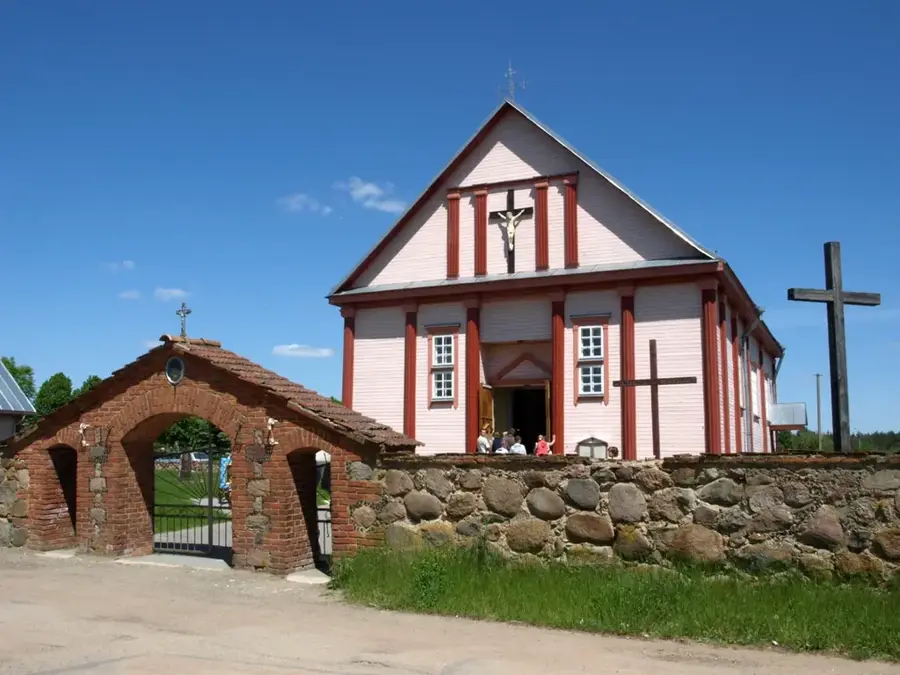
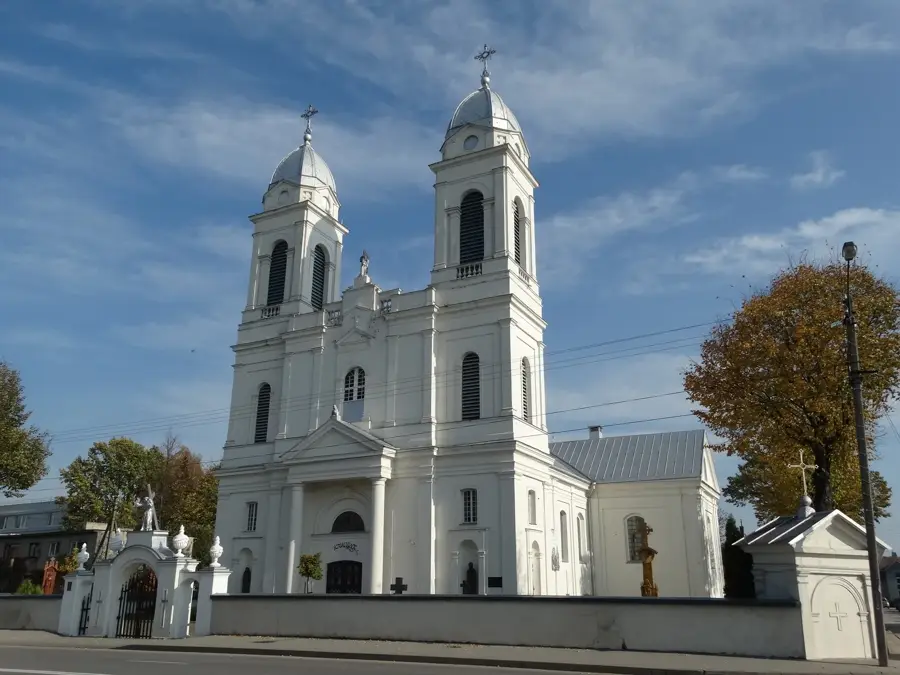
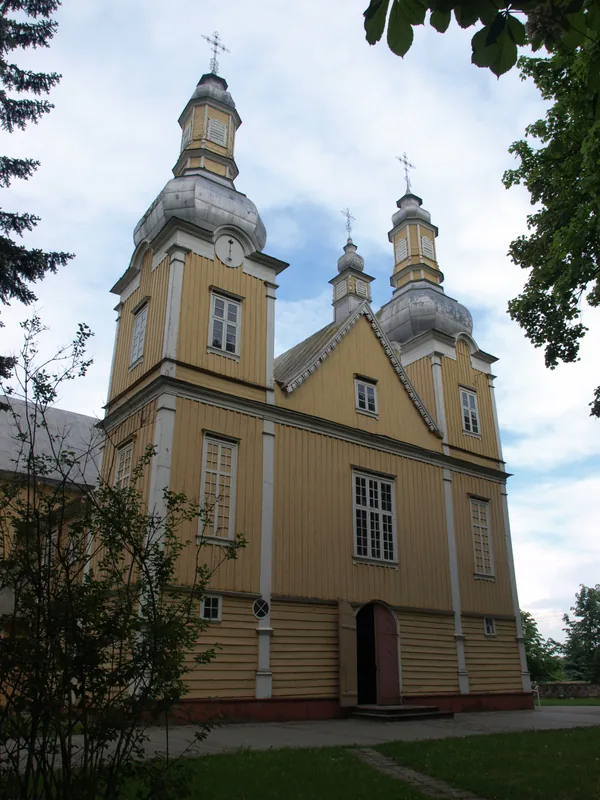
- Top sights: Šalčininkų dvaro sodyba · Šalčininkų Šv. apaštalo Petro bažnyčia · Šalčininkų Šv. Tichono maldos namai
- Nearby: Šalčininkėliai (6 km)
- Population: ~6.891
Best time to visit & climate
The most pleasant time to visit is Jun–Aug.
| Jan | Feb | Mar | Apr | May | Jun | Jul | Aug | Sep | Oct | Nov | Dec | |
|---|---|---|---|---|---|---|---|---|---|---|---|---|
| Avg °C | -7 | -6 | -1 | 6 | 13 | 16 | 19 | 18 | 13 | 6 | 1 | -4 |
| Rain mm | 52 | 43 | 44 | 47 | 74 | 77 | 102 | 83 | 54 | 68 | 56 | 54 |
Geography
Facts
- Šalčininkai was first mentioned in historical chronicles in the year 1311.
- The town has the highest percentage of ethnic Polish residents in all of Lithuania.
- The Wagner Manor was constructed in the late 19th century as a noble residence.
- The Šalčia River, which runs through the town, is a tributary of the Merkys River.
- The town is located approximately 45 kilometers south of the capital city, Vilnius.
- Šalčininkai officially gained its city status in the year 1956.
Explore nearby
Notable places around
Route planner — Car & Motorhome
Where do you start? We build the route here, with stops and country notes along the way.
© OpenStreetMap contributors · OpenRouteService
Sights in the town Šalčininkai (6)
Frequently asked questions
What is Šalčininkai culturally known for?
Is there a manor nearby?
Which river flows through the region?
Where is Šalčininkai located?
Are there natural monuments?
Šalčininkai: where is it located?
Šalčininkai: what is there to see?
Šalčininkai: when is the best time to visit?
Šalčininkai: why is it worth visiting?

Nearby cities
History & landmarks