Plizio Visual Lab
Šalčininkai area
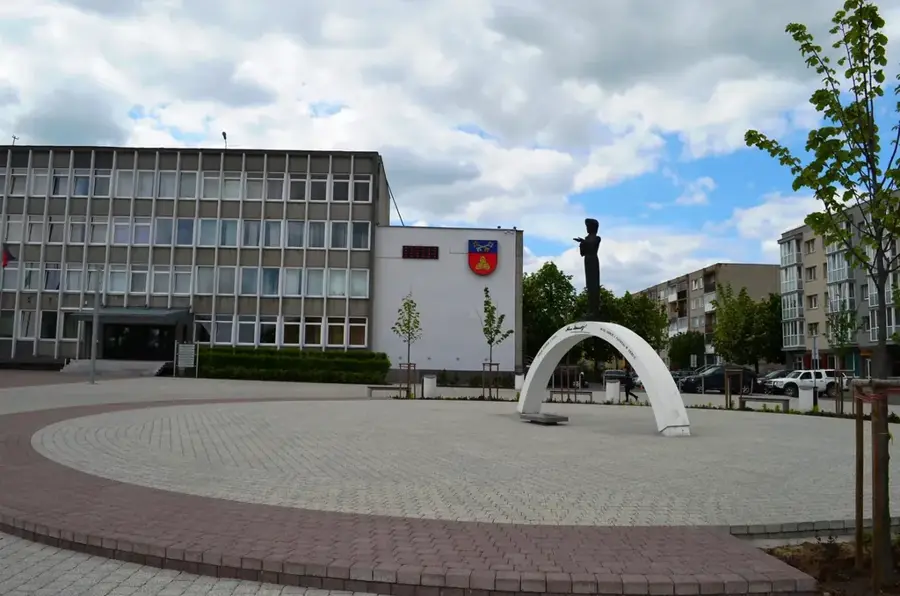
ℹ️Practical info — Šalčininkai area
▾
🌤 Weather — 5 days
📍 Nearby
Sights nearby
💡 Tips
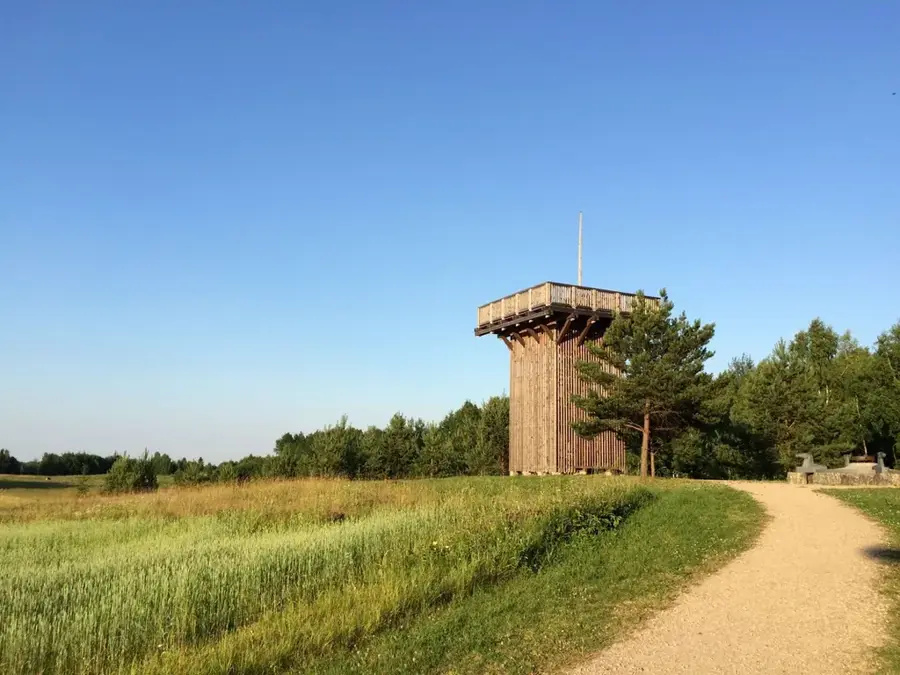
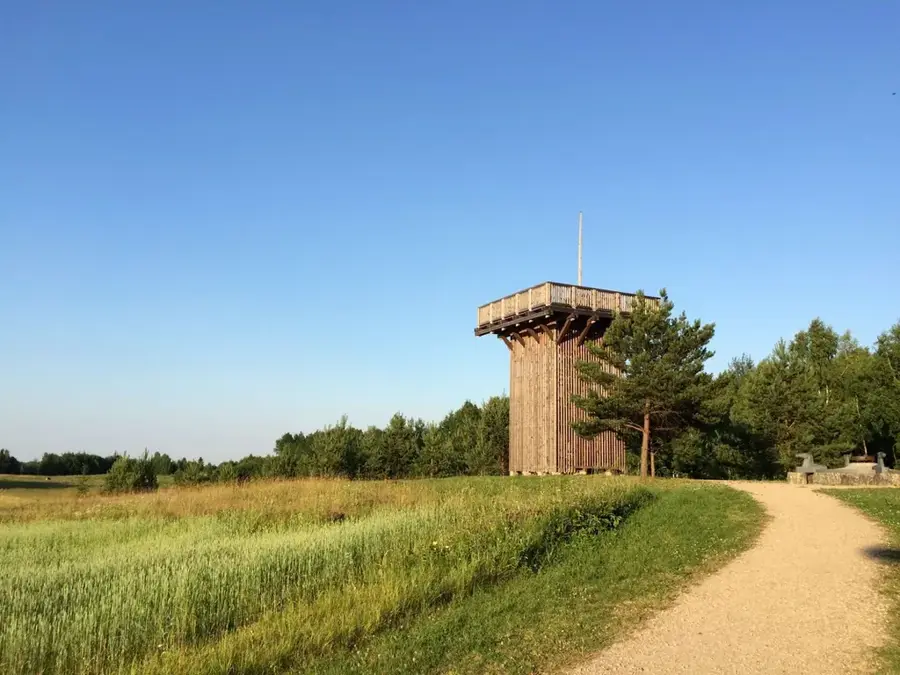
- Explore the fascinating ruins of the Paulava Republic, an 18th-century self-governing micro-nation.
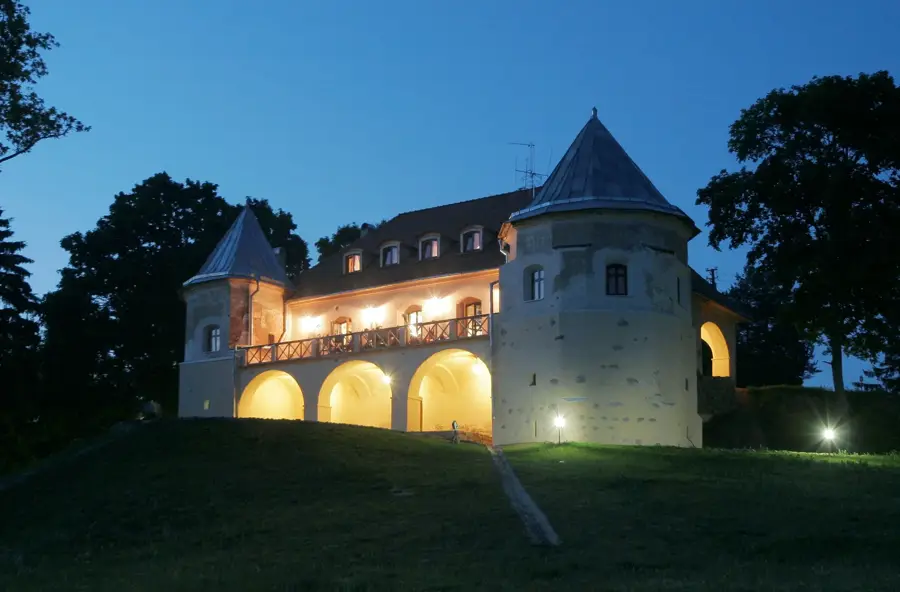
- Norviliškės Castle is situated right on the Belarusian border; always carry your passport or ID as border police patrol the area.
- This region is highly multicultural; you'll likely hear Polish and Belarusian spoken as often as Lithuanian.
- Public transport options are quite limited, so having a car is highly recommended to reach remote historical sites.
🍽 Food
Thanks to strong Slavic influences, various styles of savory and sweet pancakes are popular in local eateries.
Dumplings here have a distinct Polish influence; find them at countryside taverns.
A savory potato pie commonly baked in this region, ask for it in traditional countryside restaurants.
🛍 Shopping · 🧘 Quiet spots
Buy fresh farmers' cheese and thick sour cream at rural markets in the district.
Beekeeping is popular here, so look for natural honey and hand-rolled beeswax candles.
A remarkably isolated and peaceful spot right at the literal edge of the country.
Enjoy unspoiled nature and traditional wooden village layouts without the crowds.
Water temperature…
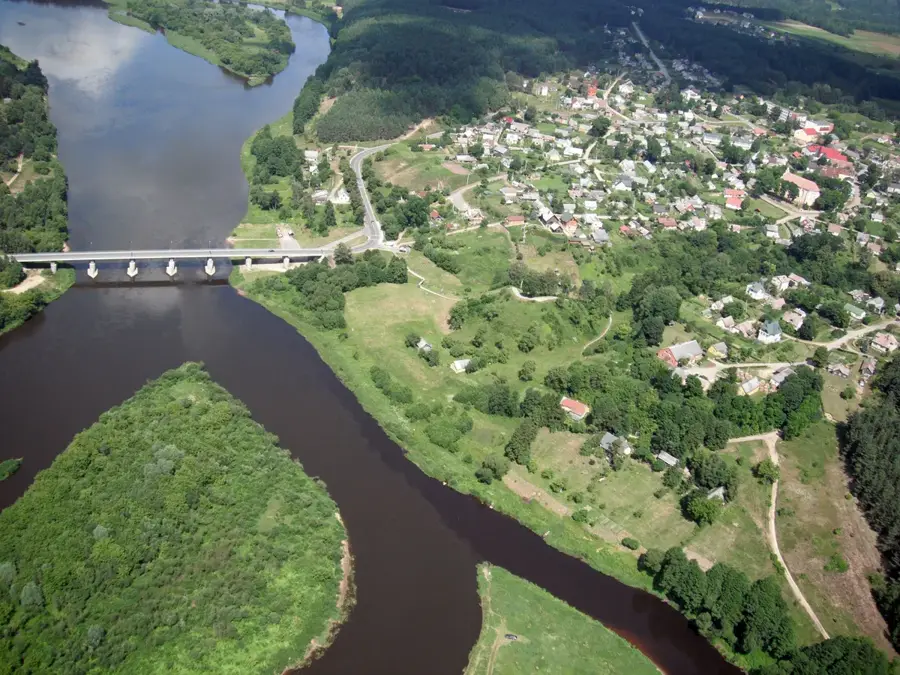
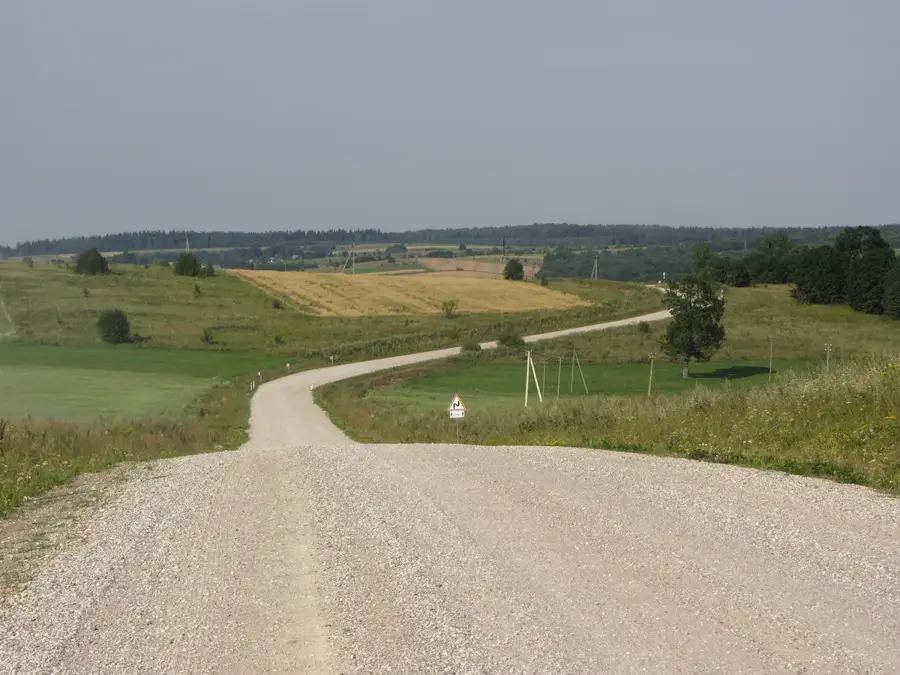
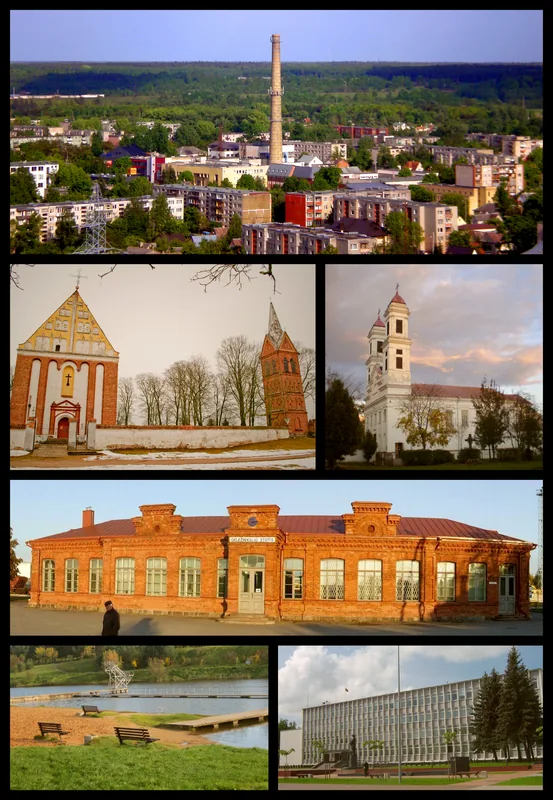
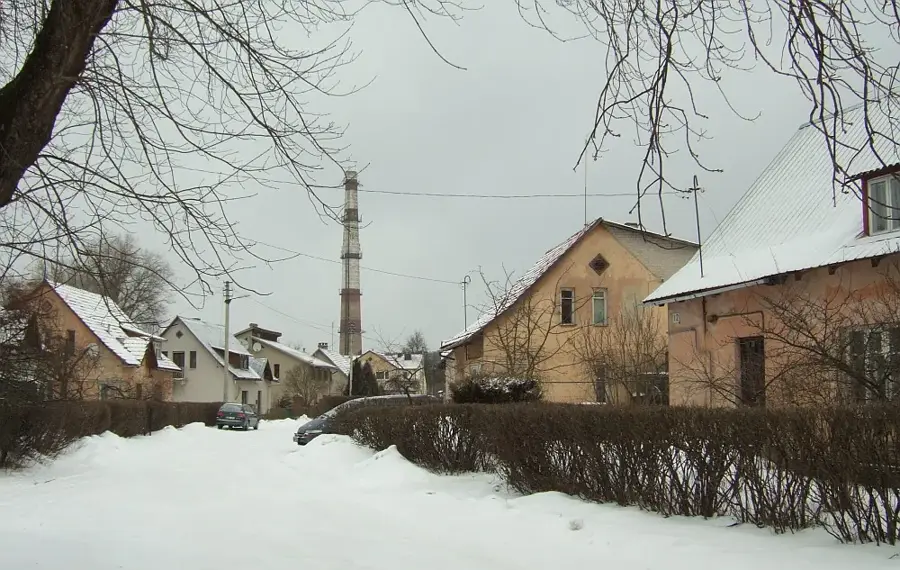
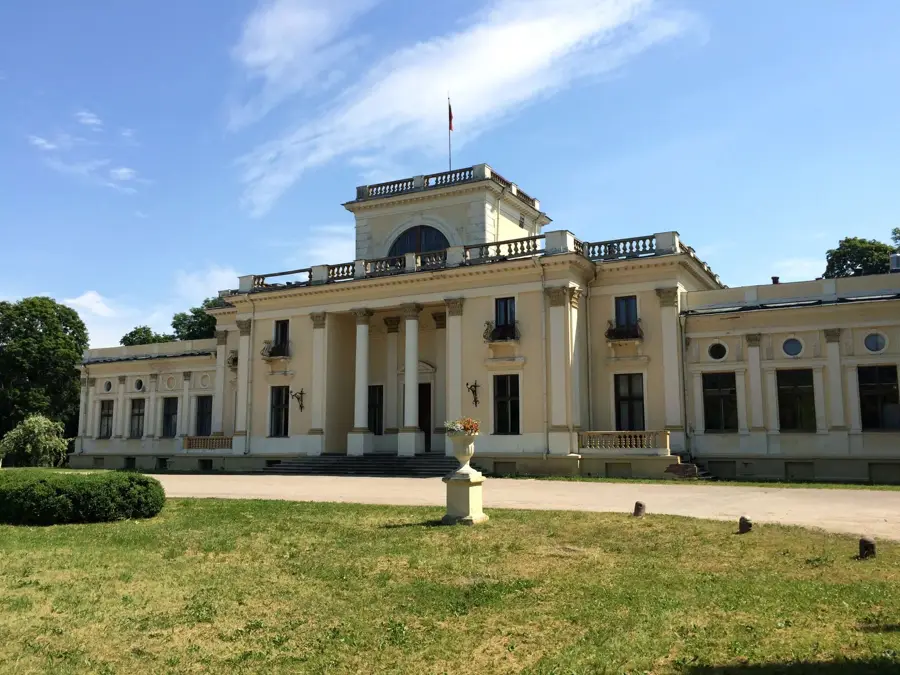
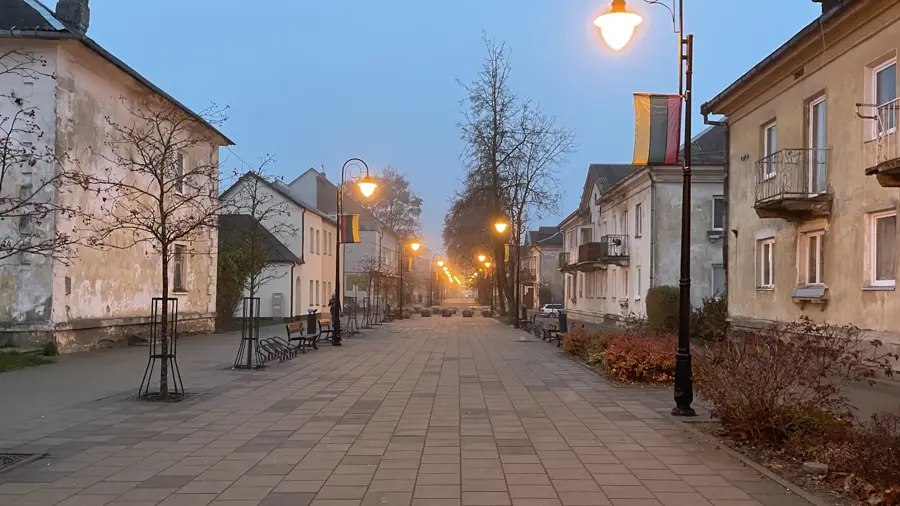
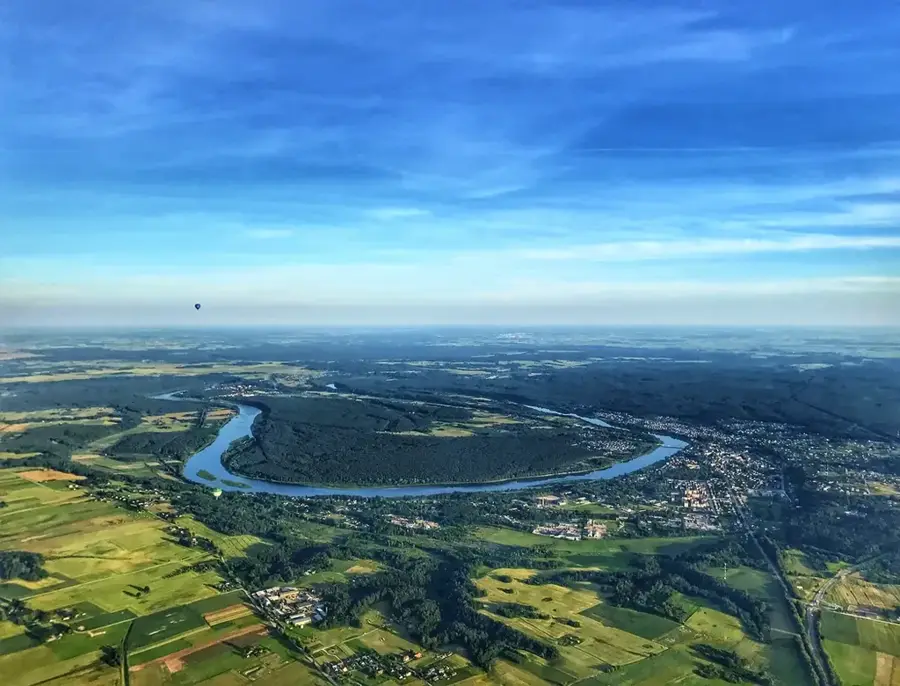
The Šalčininkai area in southeastern Lithuania is distinguished by its unique multi-ethnic composition and its location directly on the border with Belarus. Historically, the region was an integral part of the Grand Duchy of Lithuania, significantly shaped by Polish noble families such as the Baliński and Śniadecki clans. The Jašiūnai Manor stands as a primary architectural monument of this era, having served in the 19th century as a prominent intellectual hub for scholars associated with Vilnius University. Geographically, the environs are characterized by the vast Rūdninkai Forest and the rolling hills of the Southeastern Highland. Today, the local economy revolves around forestry, agriculture, and small-scale manufacturing. The district is notable for having a majority Polish-speaking population, which contributes to a rich cultural tapestry of traditions, languages, and religious practices that define the social fabric of the area.
- Location: Lithuania
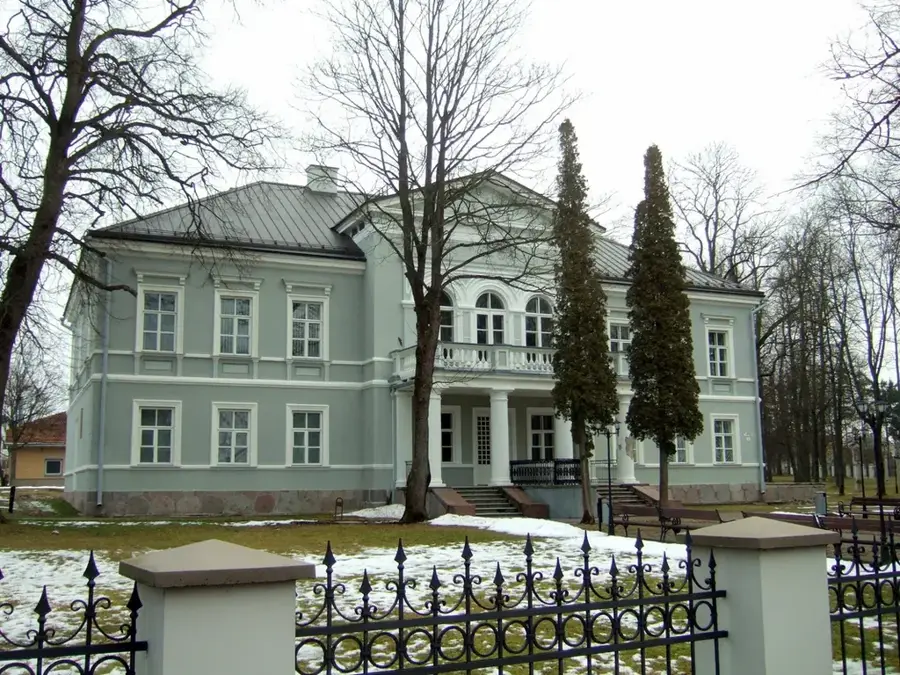
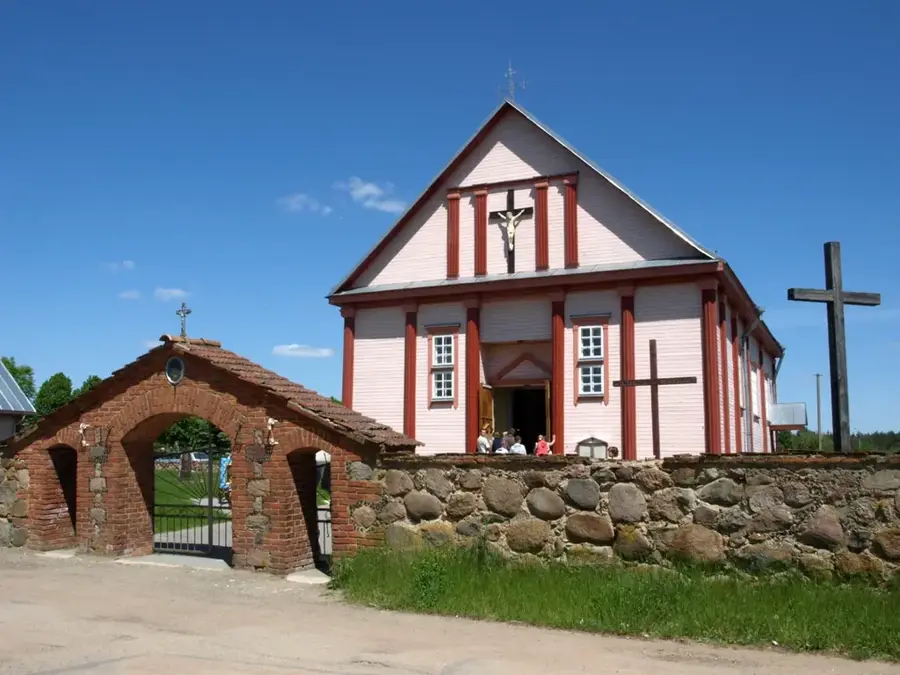
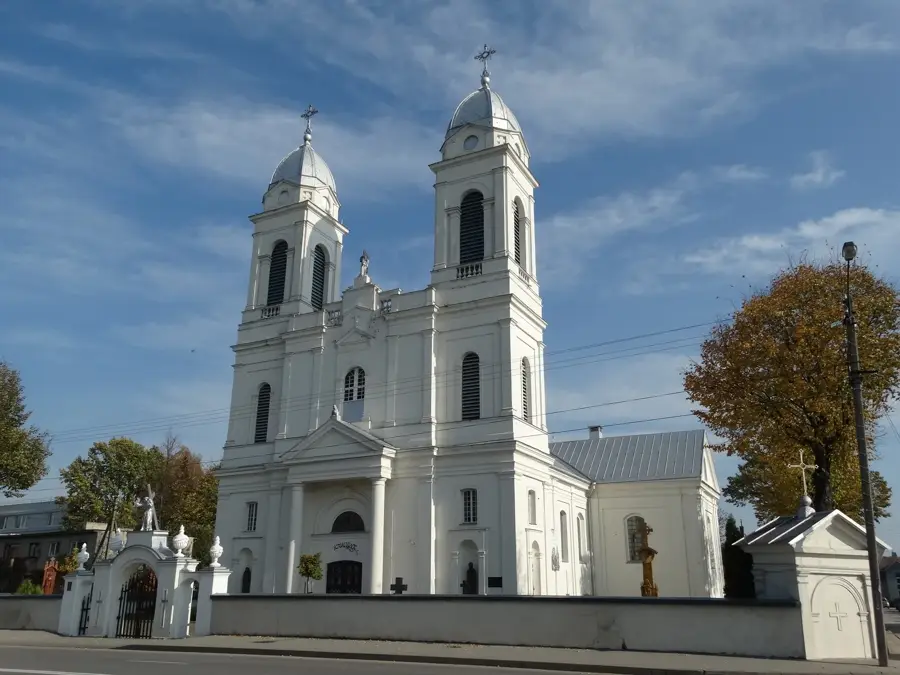
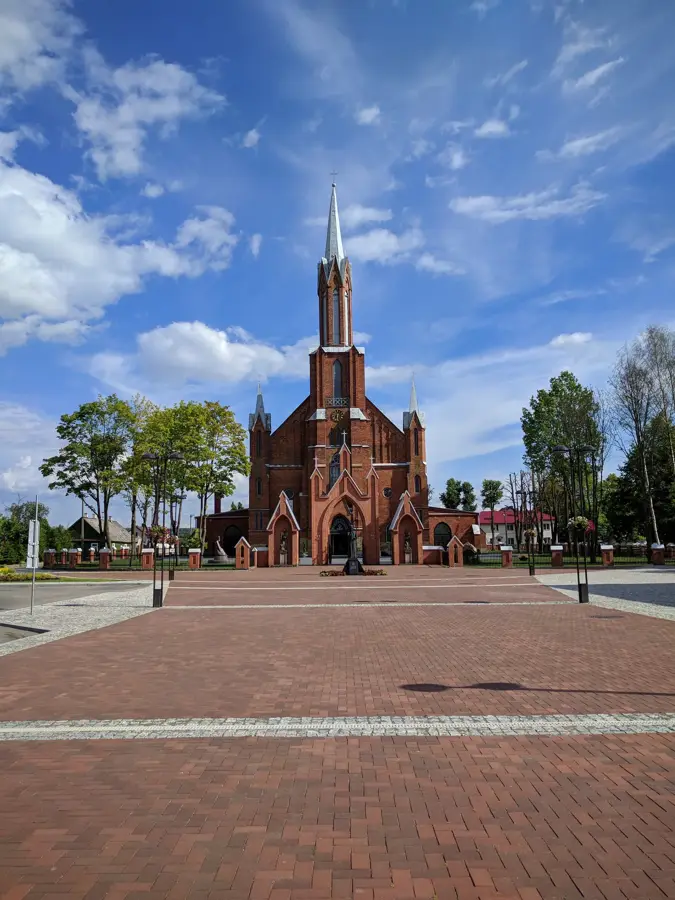
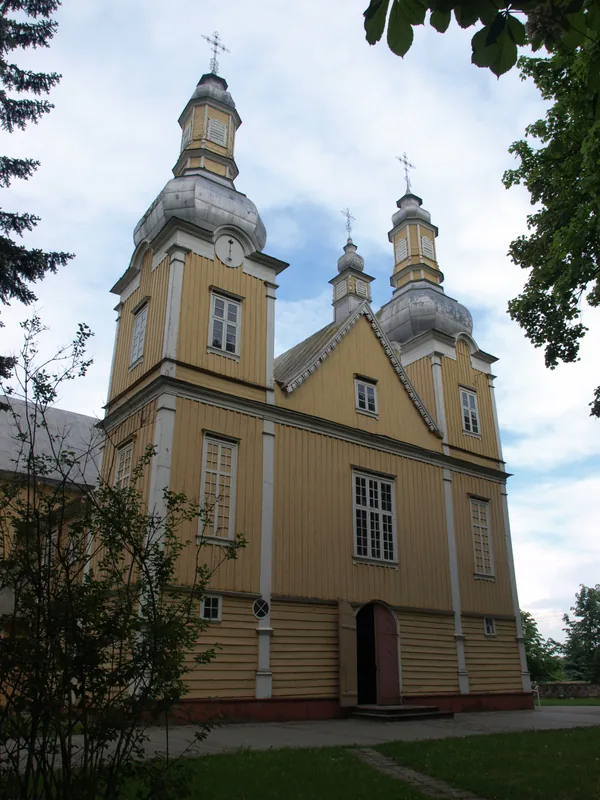
- Top sights: Šalčininkų Šv. apaštalo Petro bažnyčia · Šalčininkų Šv. Tichono maldos namai · Šalčininkų dvaro sodyba
- Nearby: Šalčininkėliai (7 km)
- Population: ~6.891
Best time to visit & climate
The most pleasant time to visit is Jun–Aug.
| Jan | Feb | Mar | Apr | May | Jun | Jul | Aug | Sep | Oct | Nov | Dec | |
|---|---|---|---|---|---|---|---|---|---|---|---|---|
| Avg °C | -7 | -6 | -1 | 6 | 13 | 16 | 19 | 18 | 13 | 6 | 1 | -4 |
| Rain mm | 52 | 43 | 44 | 47 | 74 | 77 | 102 | 83 | 54 | 68 | 56 | 54 |
Geography
Facts
- Over 75% of the population in the Šalčininkai district belongs to the Polish ethnic minority.
- The Jašiūnai Manor was constructed between 1824 and 1828 in a late Neoclassical style.
- The Rūdninkai Forest nearby covers an area of approximately 26,000 hectares.
- Šalčininkai was first mentioned in the records of the Teutonic Order in 1311.
- The region is the final resting place of the famous astronomer Jan Śniadecki.
- The state border with Belarus forms a significant part of the district's southern perimeter.
Explore nearby
Notable places around
Route planner — Car & Motorhome
Where do you start? We build the route here, with stops and country notes along the way.
© OpenStreetMap contributors · OpenRouteService
Sights in the town Šalčininkai area (3)
Frequently asked questions
What is the Šalčininkai region known for?
What can you see at Jašiūnai Manor?
Are there castles nearby?
Is the area good for forest walks?
How far is Šalčininkai from Vilnius?
Šalčininkai area: where is it located?
Šalčininkai area: what is there to see?
Šalčininkai area: when is the best time to visit?
Šalčininkai area: why is it worth visiting?

Nearby cities
History & landmarks