Plizio Visual Lab
Lifosa Phosphate Plant
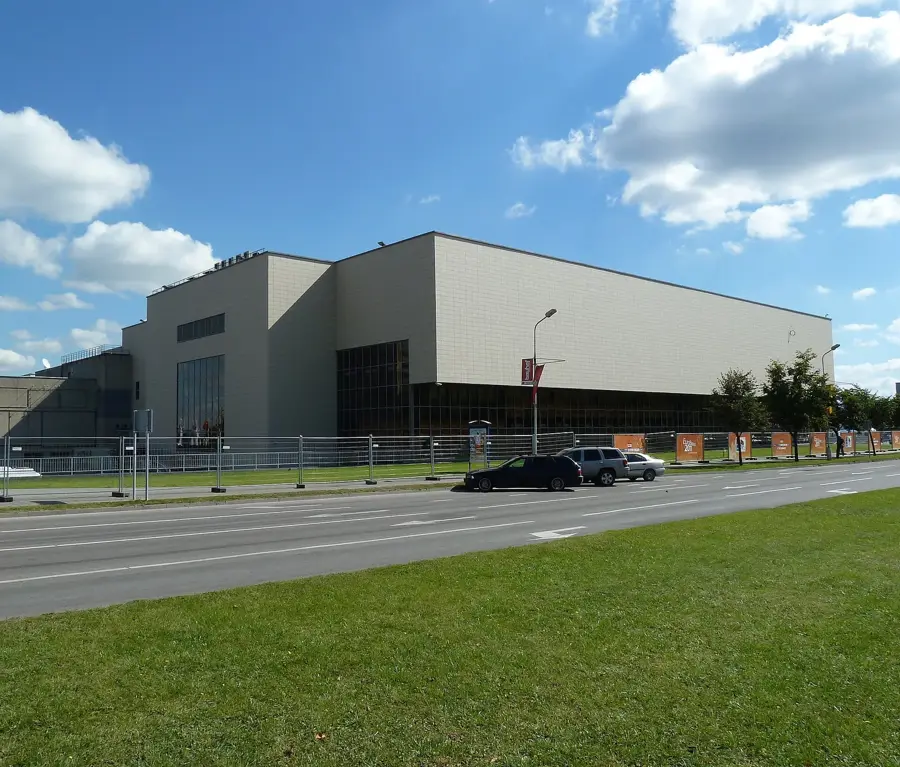
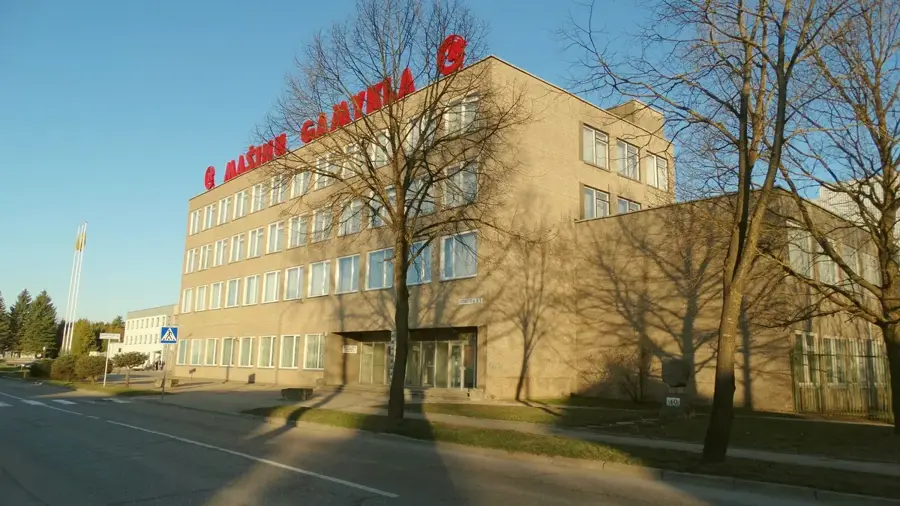
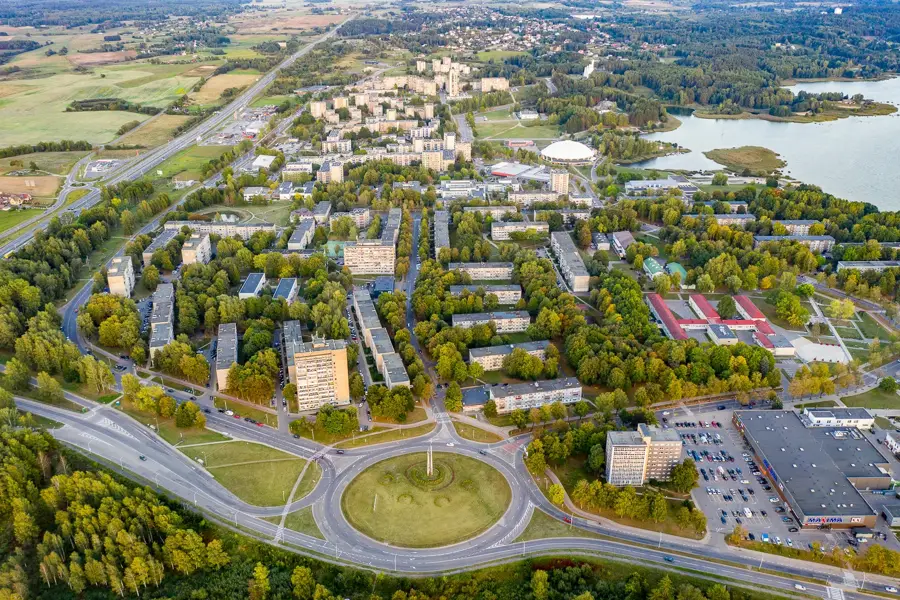
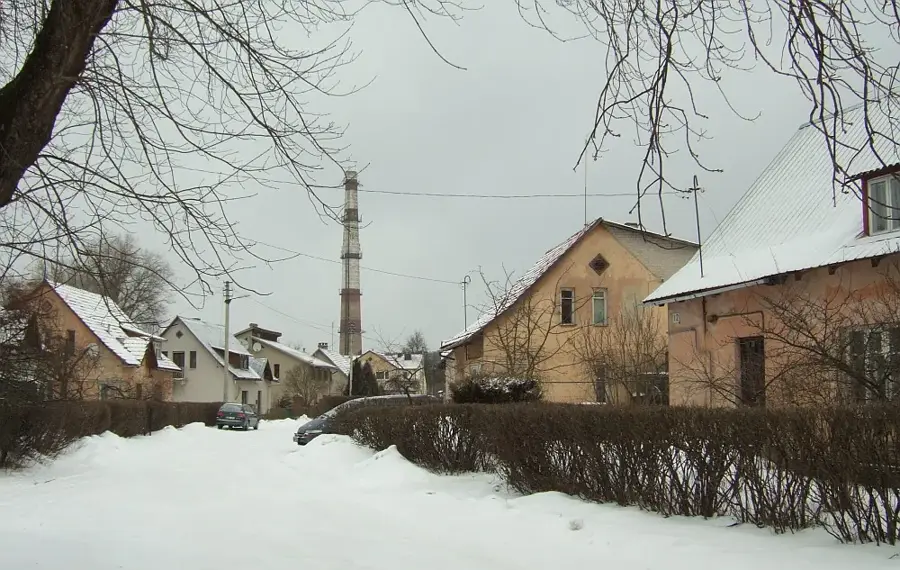
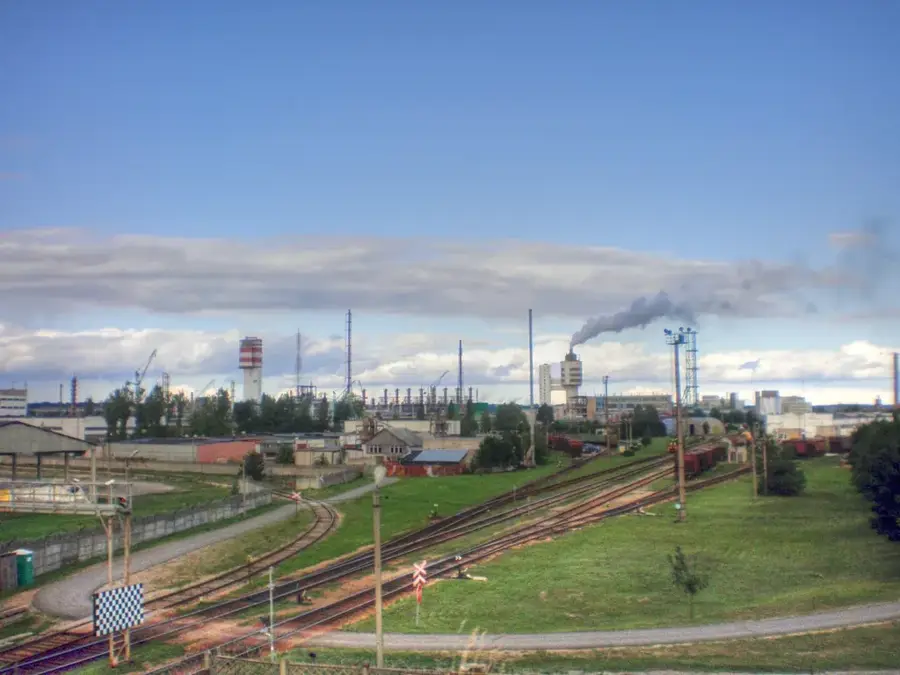
The Lifosa phosphate plant in Kėdainiai is a prime example of Lithuanian heavy industry and has established itself as one of the leading European producers of phosphate fertilizers. Since its founding in the early 1960s, the company has grown steadily and now primarily produces diammonium phosphate (DAP), which is highly sought after in agricultural markets worldwide. The production process at Lifosa is highly integrated, with a significant portion of the required electricity being generated from the waste heat of sulfuric acid production, drastically increasing the facility's energy efficiency. A distinctive, albeit controversial, feature of the factory are the so-called "Alps of Kėdainiai", massive white mountains of phosphogypsum, a byproduct of fertilizer manufacturing, that define the landscape. The company exports the vast majority of its products through the Port of Klaipėda, thereby making a substantial contribution to Lithuania's trade balance.
- Location: Lithuania
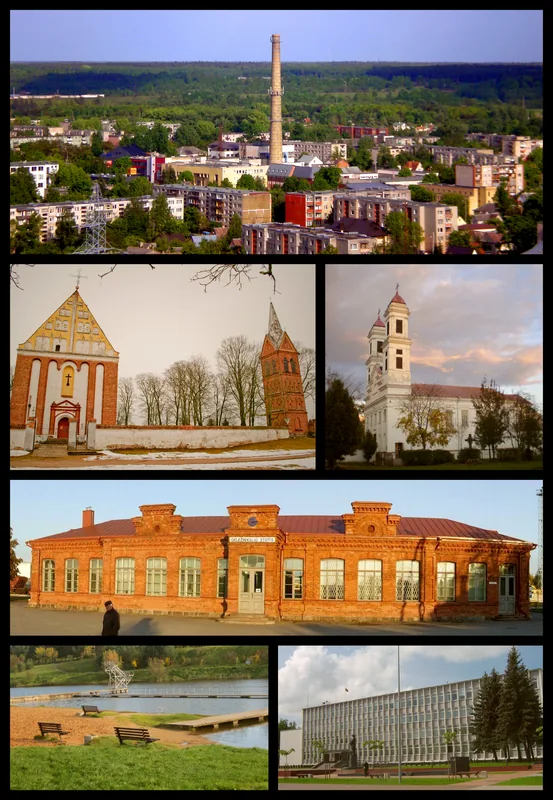
- Top sights: Vaivorykštės tiltas · Tradicinių amatų centras Arnetų namas · Kunigaikščių Radvilų mauzoliejus evangelikų reformatų bažnyčioje
- Nearby: Krakės (22 km)
Best time to visit & climate
The most pleasant time to visit is Jun–Aug.
| Jan | Feb | Mar | Apr | May | Jun | Jul | Aug | Sep | Oct | Nov | Dec | |
|---|---|---|---|---|---|---|---|---|---|---|---|---|
| Avg °C | -6 | -5 | 0 | 6 | 12 | 16 | 18 | 17 | 12 | 6 | 2 | -3 |
| Rain mm | 55 | 44 | 44 | 45 | 63 | 80 | 93 | 82 | 57 | 69 | 62 | 56 |
📋 Practical info
Geography
Facts
- One of the largest DAP fertilizer producers in Europe
- Waste heat from the sulfuric acid plant generates 250 million kWh of power
- Over 90 percent of annual production is exported
- The characteristic white mountains are over 60 meters high
- Certified according to ISO standards for environment and quality
- Important sponsor for sports and cultural events in Kėdainiai
Explore nearby
Notable places around
Route planner — Car & Motorhome
Where do you start? We build the route here, with stops and country notes along the way.
© OpenStreetMap contributors · OpenRouteService
Sights in the town Lifosa Phosphate Plant (10)
Tradicinių amatų centras Arnetų namas
Traditional crafts center in Kėdainiai. Exhibition and workshop in a historic house.
Kunigaikščių Radvilų mauzoliejus evangelikų reformatų bažnyčioje🏛 museum
Mausoleum of the Radziwiłł princes in the Reformed church. Visit arranged via the museum.
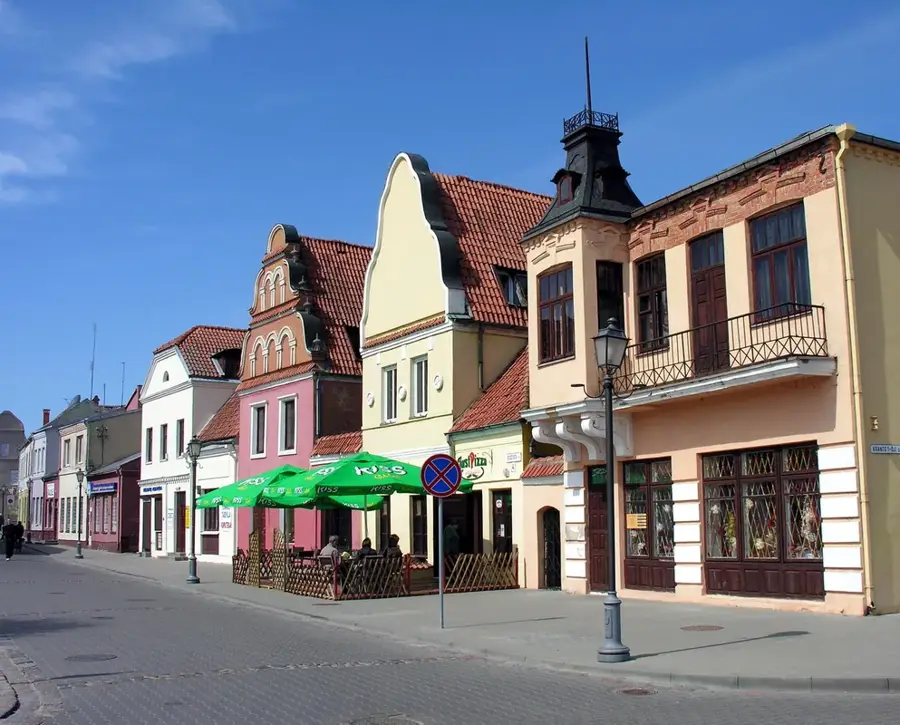
Škotų pirklių namas
House of Scottish merchants in Kėdainiai. Historic building from the trade era.
Kėdainių evangelikų liuteronų bažnyčia
Evangelical Lutheran church in Kėdainiai. Place of worship for the Lutheran community.
Kėdainių Šv. Juozapo bažnyčia
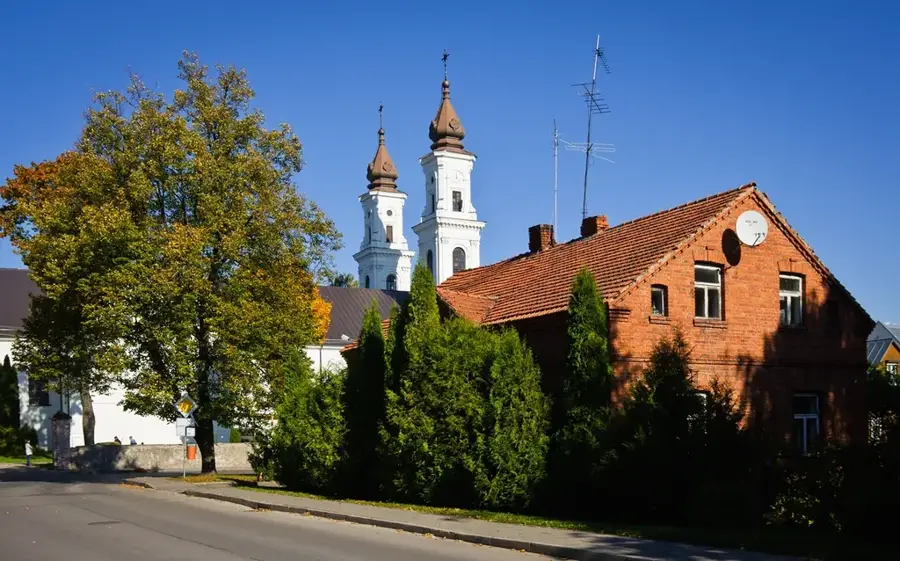
Wooden Baroque church in Kėdainiai. Built in 1703 by Carmelites, with a bell tower.
Kėdainių krašto muziejus🏛 museum
Museum of the Kėdainiai region. Permanent exhibition on local history and culture.
Kėdainių senoji sinagoga
Old synagogue in Kėdainiai. Former Jewish house of worship from the 17th century.
Vytauto Ulevičiaus medžio skulptūrų muziejus🏛 museum
Museum of wood sculptures by Vytautas Ulevičius in Kėdainiai. Display of carved artworks.
Sights nearby
Frequently asked questions
What are the 'Kėdainiai Alps'?
Can you visit the white mountains?
What does Lifosa produce?
Is there a museum in Kėdainiai?
Is the factory still active?
Lifosa Phosphate Plant: where is it located?
Lifosa Phosphate Plant: what is there to see?
Lifosa Phosphate Plant: when is the best time to visit?
Lifosa Phosphate Plant: why is it worth visiting?

Nearby cities