Plizio Visual Lab
Kaunas Botanical Garden
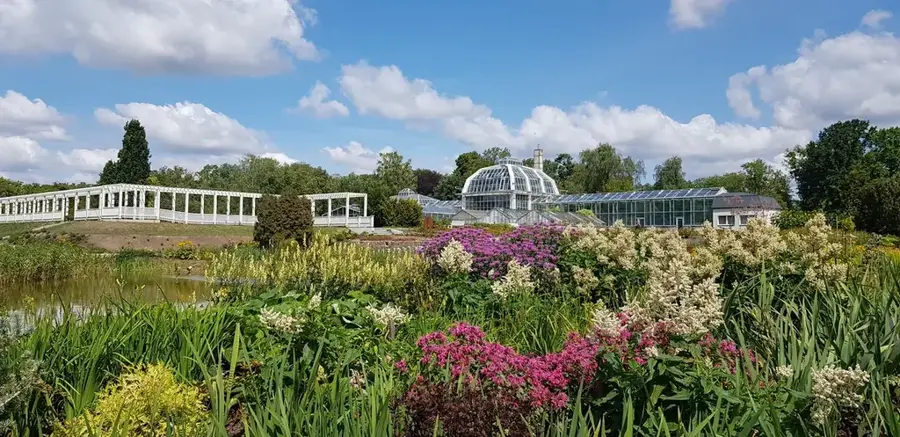
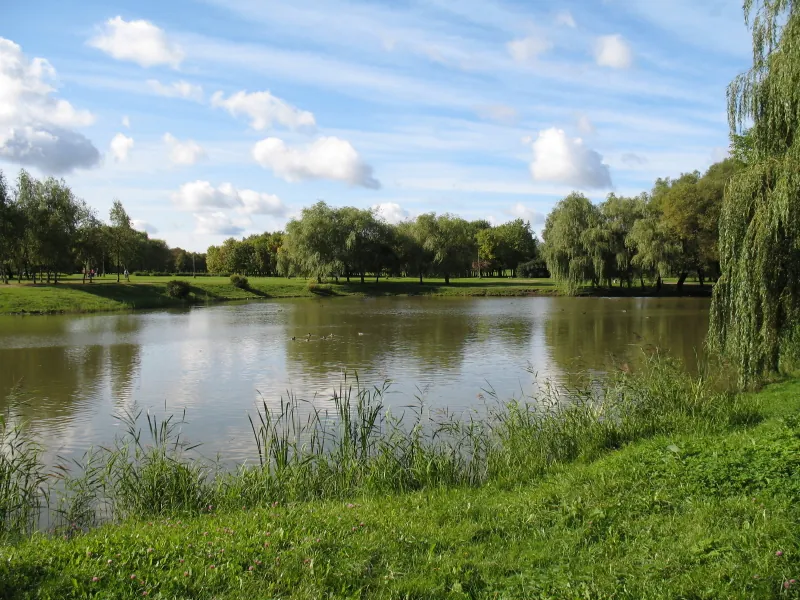
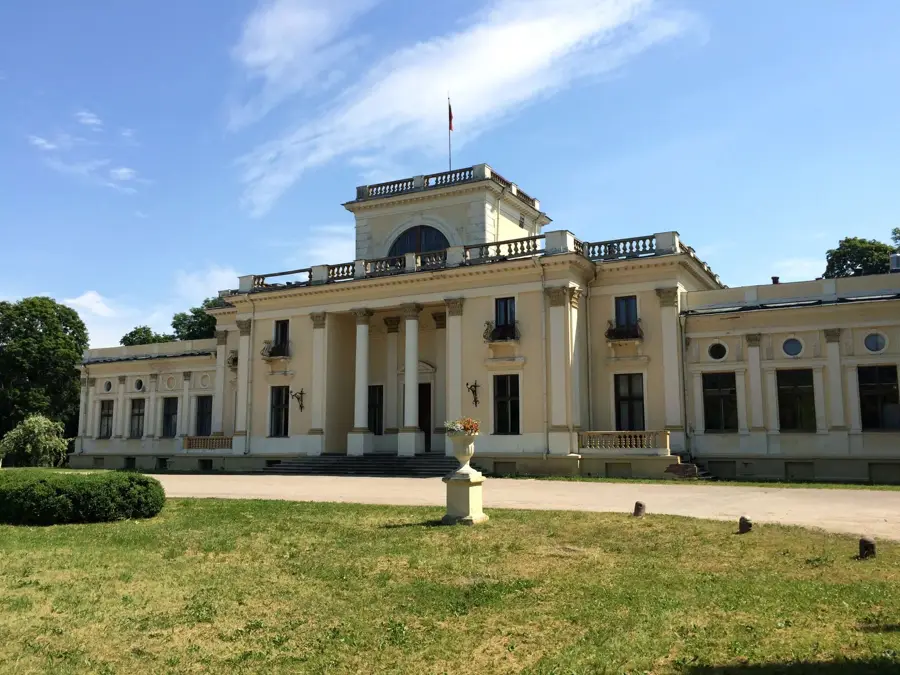
The Kaunas Botanical Garden, officially the Botanical Garden of Vytautas Magnus University, was established in 1923 by biologist Constantin von Regel and serves as one of the city's most vital green oases. The garden is beautifully situated on the historic grounds of the former Upper Freda (Aukštoji Freda) estate, where a neoclassical manor house and ancient, interconnected ponds imbue the area with a unique romantic and historical charm. Spanning an area of approximately 62 hectares, the garden cultivates an impressive collection of over 7,000 plant species and cultivars. A standout feature is the large, historic palm house, the largest greenhouse of its kind in the Baltic states, which provides a sanctuary for exotic tropical and subtropical plants, and frequently hosts enchanting butterfly exhibitions. Outdoors, the garden dazzles visitors with expansive collections of peonies, dahlias, and tulips, alongside a highly respected medicinal plant garden that reflects the institution's long academic heritage. The Botanical Garden operates as a dynamic center for scientific research, public education, and tranquil recreation.
- Location: Lithuania
- Nearby: Garliava (6 km)
Best time to visit & climate
The most pleasant time to visit is Jun–Aug.
| Jan | Feb | Mar | Apr | May | Jun | Jul | Aug | Sep | Oct | Nov | Dec | |
|---|---|---|---|---|---|---|---|---|---|---|---|---|
| Avg °C | -6 | -5 | 0 | 7 | 13 | 16 | 19 | 18 | 13 | 7 | 2 | -3 |
| Rain mm | 58 | 45 | 46 | 44 | 65 | 81 | 99 | 87 | 56 | 70 | 60 | 57 |
📋 Practical info
Geography
Explore nearby
Notable places around


Route planner — Car & Motorhome
Where do you start? We build the route here, with stops and country notes along the way.
© OpenStreetMap contributors · OpenRouteService
Sights in the town Kaunas Botanical Garden (1)
Sights nearby
Frequently asked questions
What is the highlight in Kaunas?
When do the roses bloom?
Where is the garden located?
Is there an entrance fee?
Is there parking available?
Kaunas Botanical Garden: where is it located?
Kaunas Botanical Garden: when is the best time to visit?
Kaunas Botanical Garden: why is it worth visiting?

Nearby cities




History & landmarks