Plizio Visual Lab

Akkar Plateau
Plizio editorial teamData Sources
plateau
—°3
Akkar Plateau (Lebanon)

Weather…

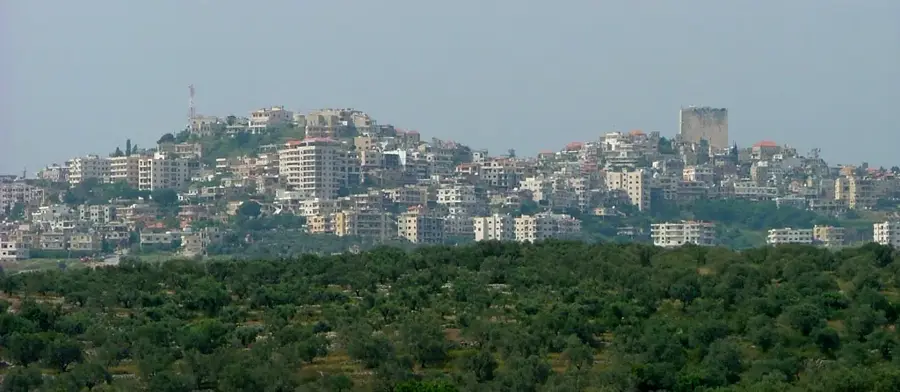
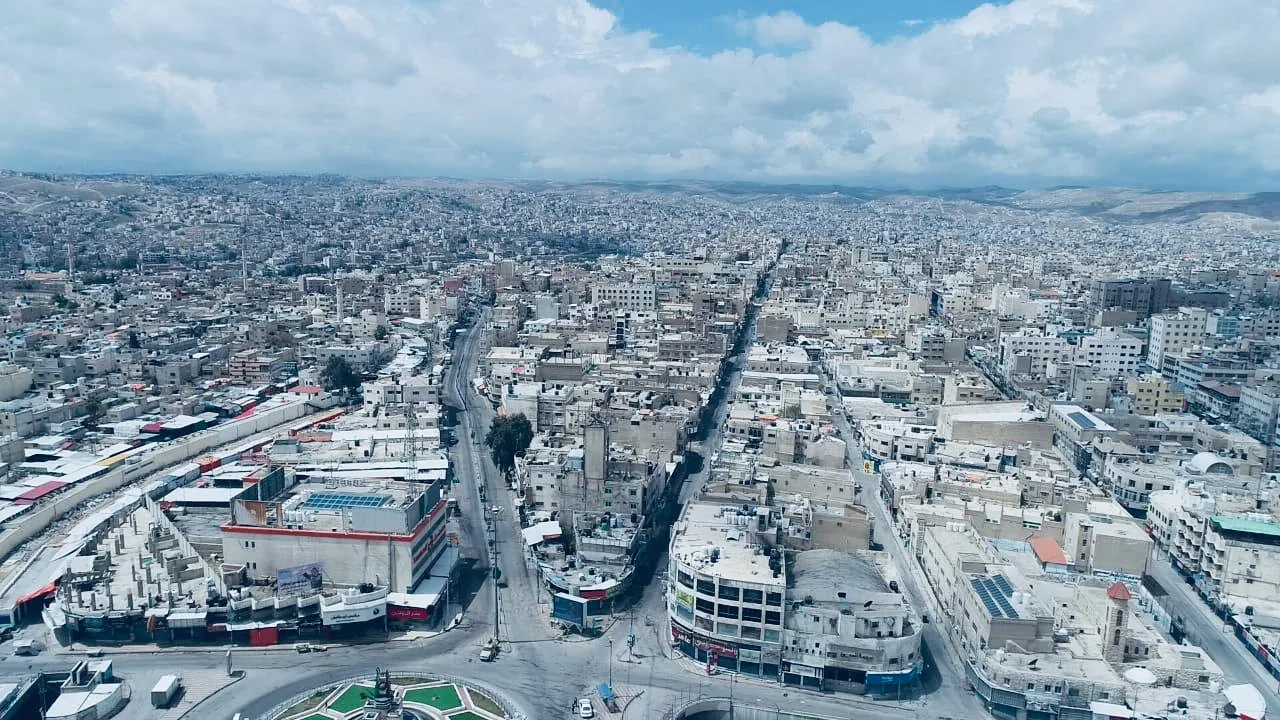
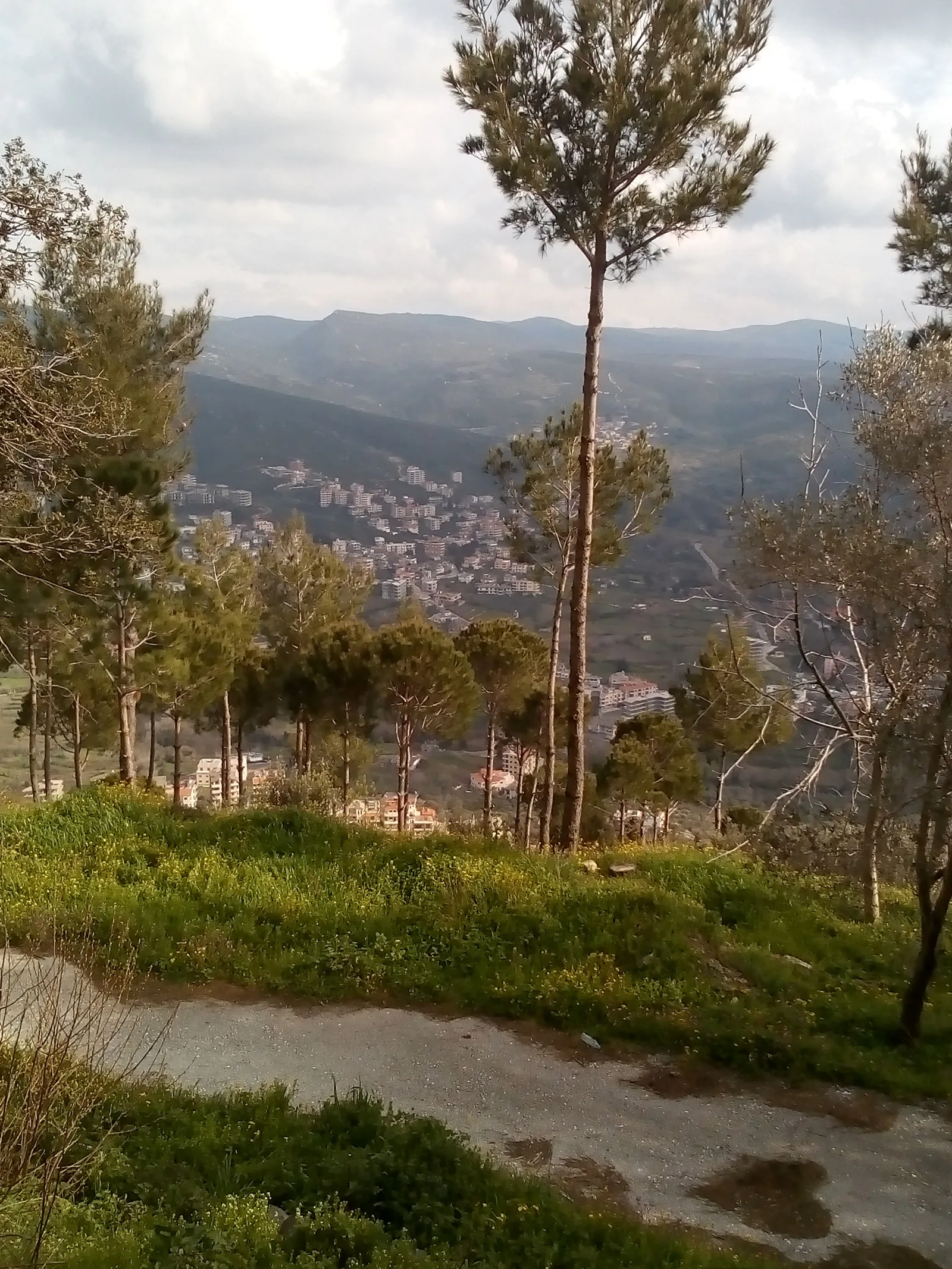
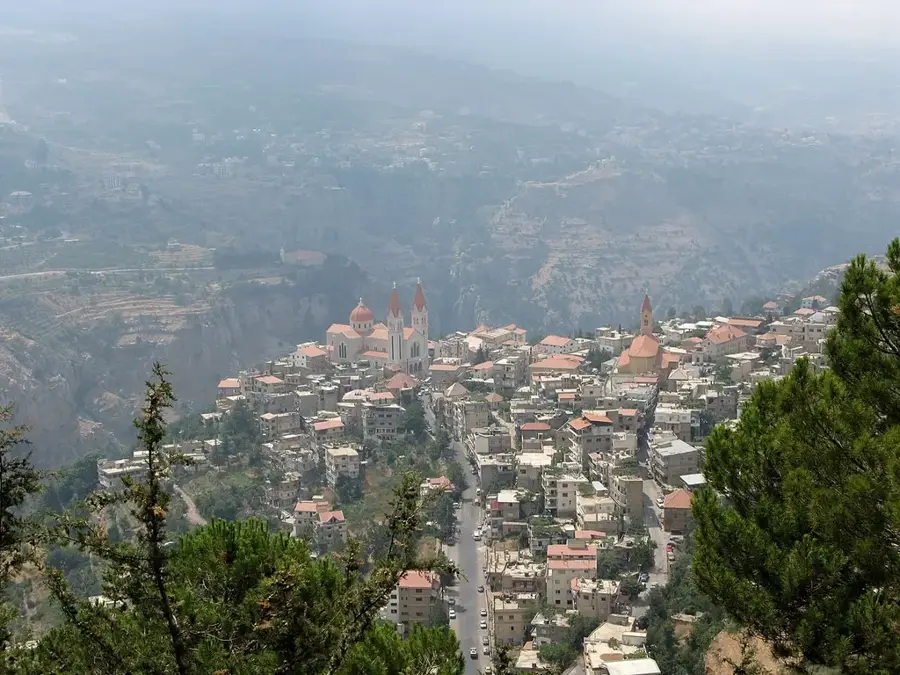
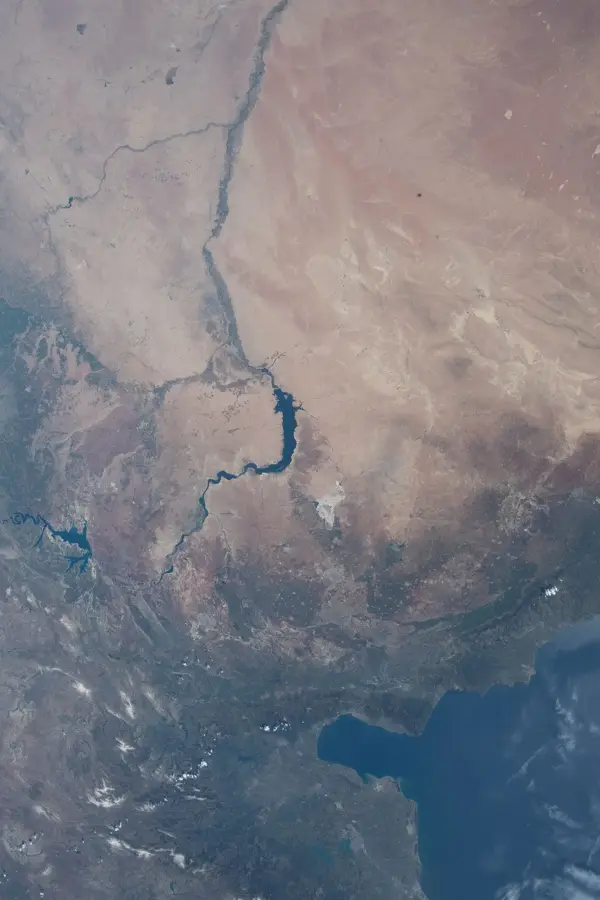
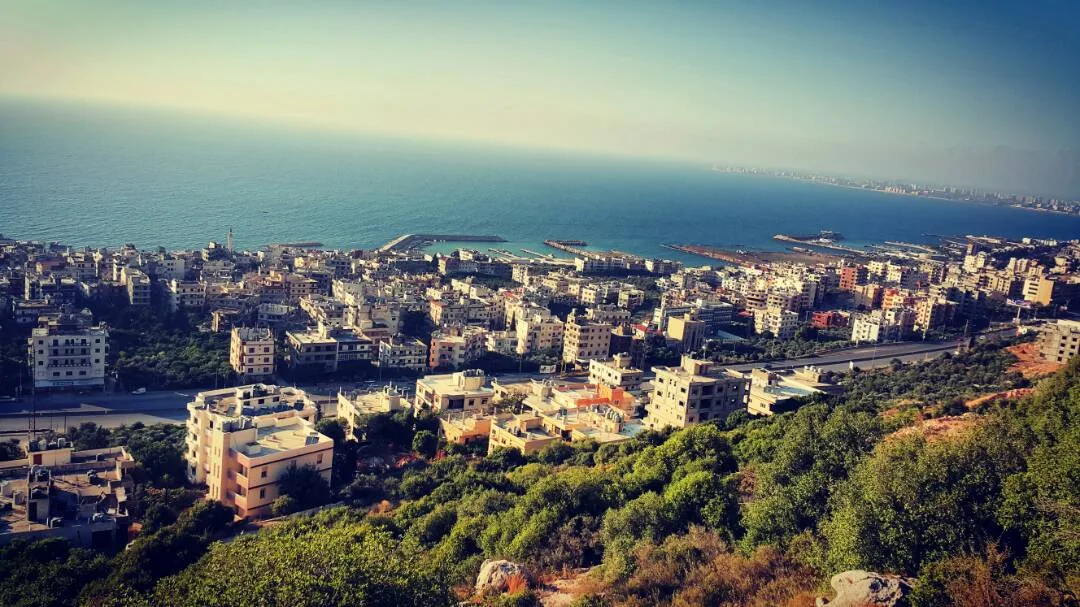
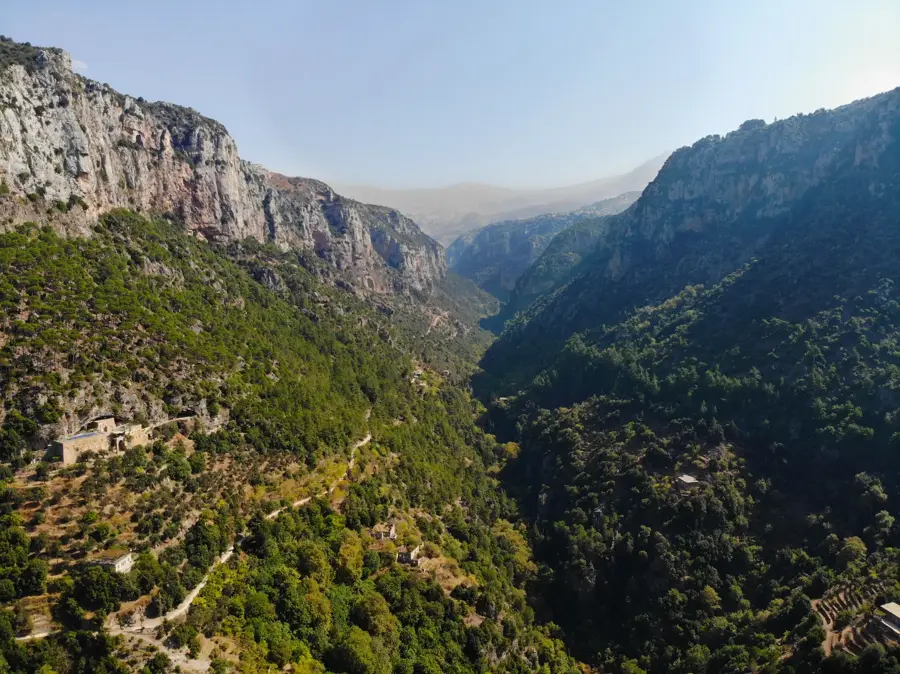
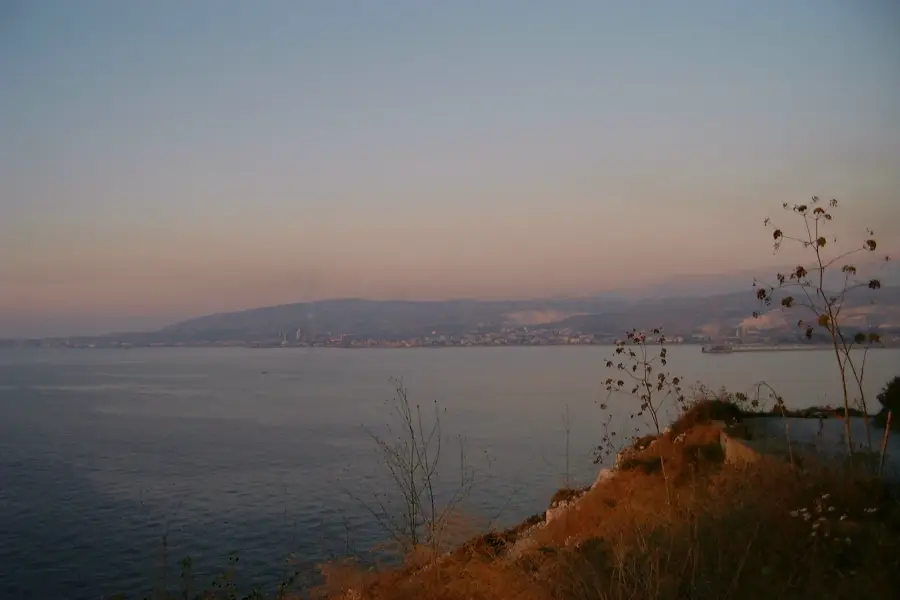
The Akkar Plateau in northern Lebanon is a vital geographic region extending from the Mediterranean coast to the foothills of the Mount Lebanon range. It forms the southern part of the Homs Gap, a strategic lowland corridor between the Lebanese and Alawite mountains. The plateau is characterized by rich alluvial soils deposited by rivers such as the Nahr al-Kabir, which marks the international border with Syria. Historically, the area served as a crucial transit route for trade caravans and military forces moving between the coast and the Syrian interior. Today, it is considered Lebanon's primary agricultural hub, producing significant quantities of cereals, potatoes, and citrus fruits. The landscape is dotted with numerous small farming communities and the administrative center of Halba. Despite its economic contribution to the national food supply, the region remains largely rural and faces developmental challenges compared to the country's central urban areas.

Best time to visit & climate

The most pleasant time to visit is May, Jun, Sep.

JanFebMarAprMayJunJulAugSepOctNovDec
Avg °C671014192325252319138
Rain mm91684424124119234671

📋 Practical info

🧭
Getting there
The plateau is typically accessed by road from Tripoli or Halba, driving up winding mountain routes into the northern highlands. Public transport is very limited, so a private vehicle or a hired driver is usually required.
📅
Best season
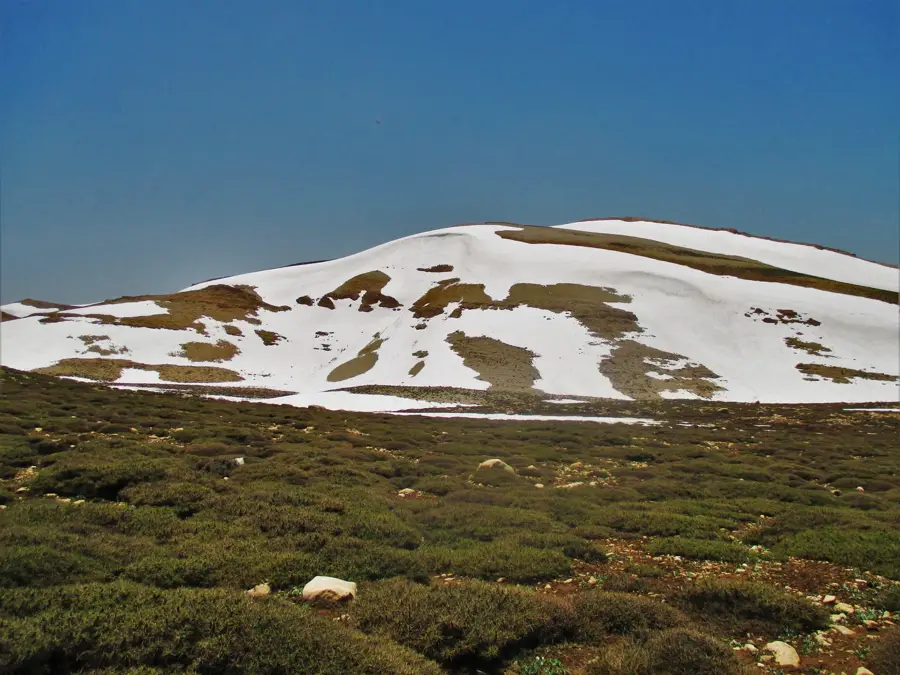
The best time to visit is generally during the spring (April to June) when the fertile soils are lush and covered with wildflowers, or in autumn for mild weather. Winters can be cold and potentially snowy at higher elevations.
⛰️
Terrain & paths
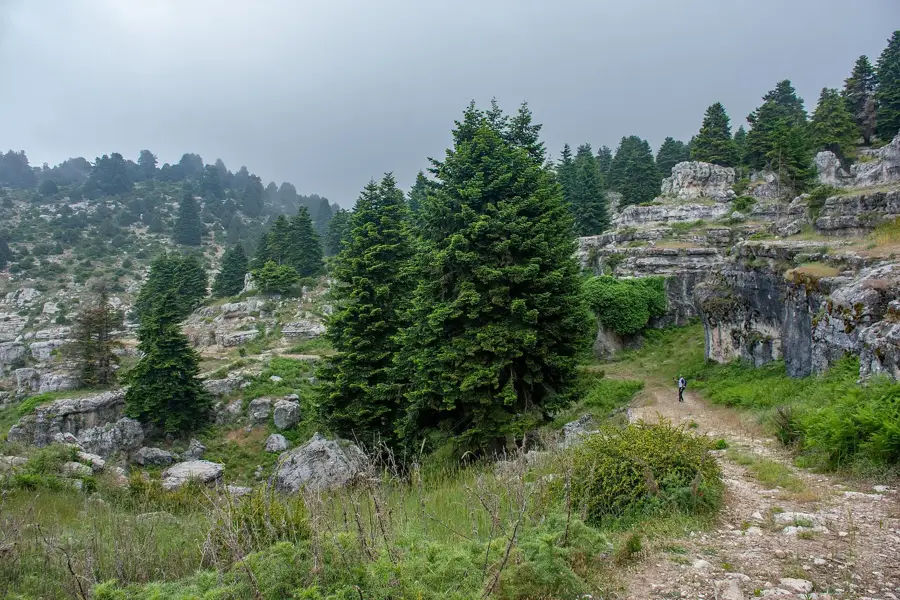
Expect a mix of rolling hills, flat expanses, and occasional volcanic rocky outcrops. The paths are mostly unpaved rural tracks and natural trails, requiring a reasonable level of fitness for extended hikes across the wide landscape.
🎒
What to bring
It is highly recommended to wear sturdy, closed walking shoes for navigating the uneven rocky soil. Bring a daypack with sufficient water, sun protection, snacks, and layers of clothing to adapt to changing mountain temperatures.
🅿️
Parking
Finding formal parking is rare; visitors typically leave their cars in nearby villages or safely pulled over on the shoulder of rural roads. Always ensure your vehicle is not blocking local farm access or narrow mountain thoroughfares.
⚠️
Safety
Always check the latest local news and travel advisories regarding the northern border region before planning your trip. Stick to established paths to avoid trespassing on private farmland and be cautious of sudden weather shifts.
⏱️
Time needed
A typical excursion to explore the plateau and its surrounding natural beauty lasts between a half day and a full day. To fully appreciate the wide, rolling landscapes and local villages, allocate at least four to six hours of daylight.

Geography

Coordinates
34.56670, 36.13330

Facts

  • The plateau covers an area of approximately 500 square kilometers.
  • The Nahr al-Kabir river forms the northern border with Syria.
  • Halba serves as the administrative capital of the Akkar Governorate.
  • The Homs Gap allows Mediterranean climatic influences to reach the interior.
  • Archaeological sites in the area date back to the Bronze Age.
  • Akkar is responsible for a major share of Lebanon's grain output.

Explore nearby

Notable places around

Route planner — Car & Motorhome

Where do you start? We build the route here, with stops and country notes along the way.

Vehicle
Only stops with (optional):

© OpenStreetMap contributors · OpenRouteService

Sights in the town Akkar Plateau (3)

Deir Mar Jeryos📍 landmark

Deir Mar Jeryos is a Christian monastery positioned into the hilly landscape of the Akkar Plateau.

St. George Church📍 landmark

St. George Church on the Akkar Plateau is a traditional Christian house of worship serving the local community as a place of devotion.

Grand Tall Maayan Mosque📍 landmark

Grand Tall Maayan Mosque is a prominent Islamic structure on the Akkar Plateau where faithful Muslims of the region gather.

Sights nearby

Frequently asked questions

What is the Akkar plateau known for?
It is known for its fertile agriculture and untouched mountain landscapes in northern Lebanon.
Is the plateau open to visitors?
Yes, it is a rural region handy for hiking and eco-tourism.
Is there a visitor center?
There is no central visitor center, but local guides offer organized tours.
When is the best time to visit?
Spring (April-June) is best when everything is in bloom and temperatures are pleasant.
What is located near the plateau?
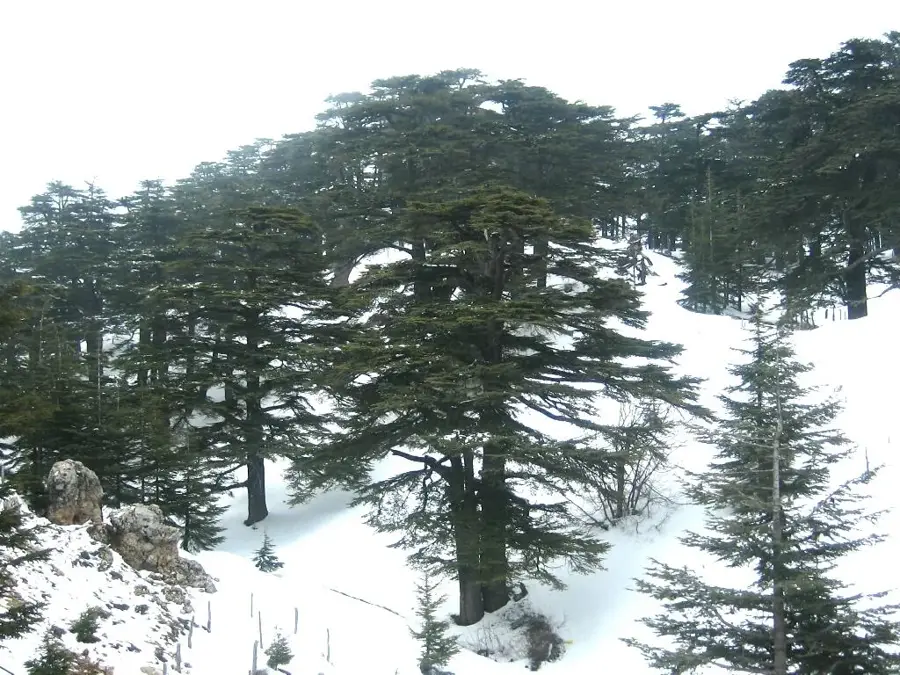
The Qammouaa Forest with its giant cedars and junipers is located very close by.
Akkar Plateau: where is it located?
Akkar Plateau is located in Lebanon.
Akkar Plateau: what is there to see?
Highlights include Deir Mar Jeryos, St. George Church, Grand Tall Maayan Mosque.
Akkar Plateau: when is the best time to visit?
The most pleasant time to visit is May, Jun, Sep.
Akkar Plateau: why is it worth visiting?
The Akkar Plateau in northern Lebanon is a vital geographic region extending from the Mediterranean coast to the foothills of the Mount Lebanon range.
View on map → The Top 50 Attractions → OpenStreetMap →
Asia
Explore with Plizio Discover more places in Asia
More places in Lebanon →

Nearby cities

History & landmarks
Nature
More places