Plizio Visual Lab
Vostok Island
Weather…
Water temperature…
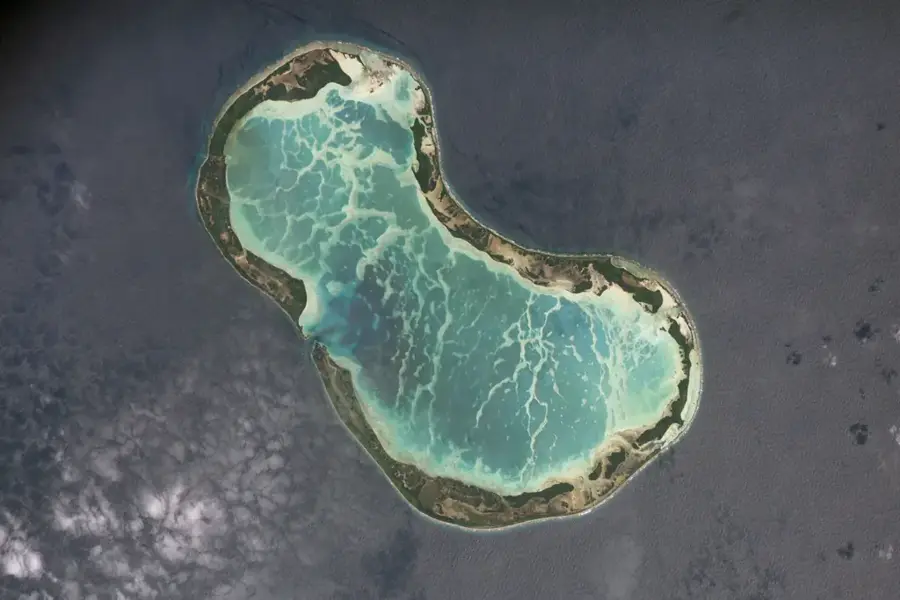
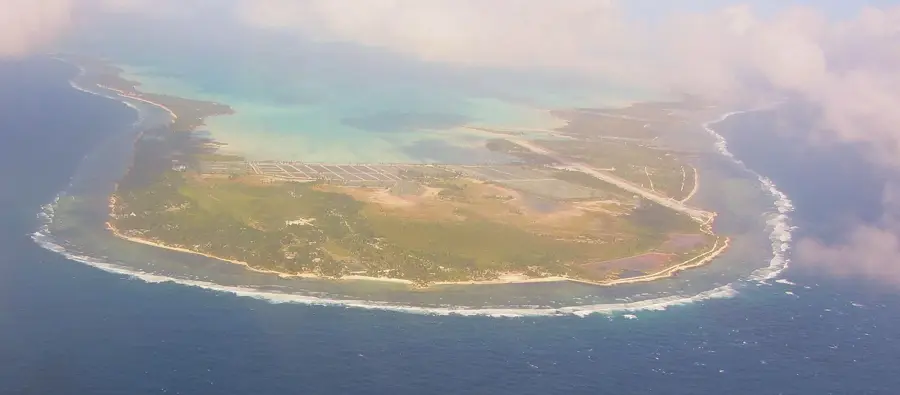
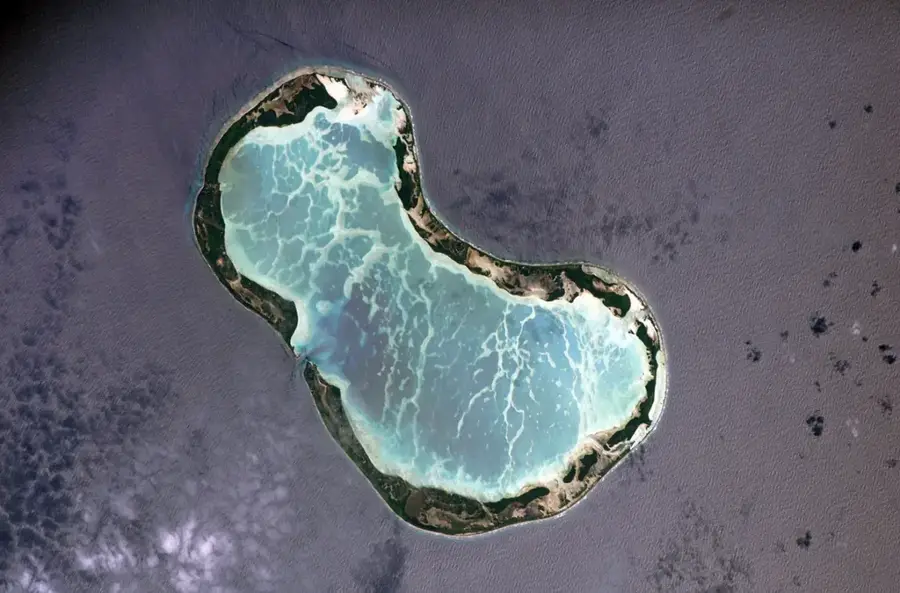
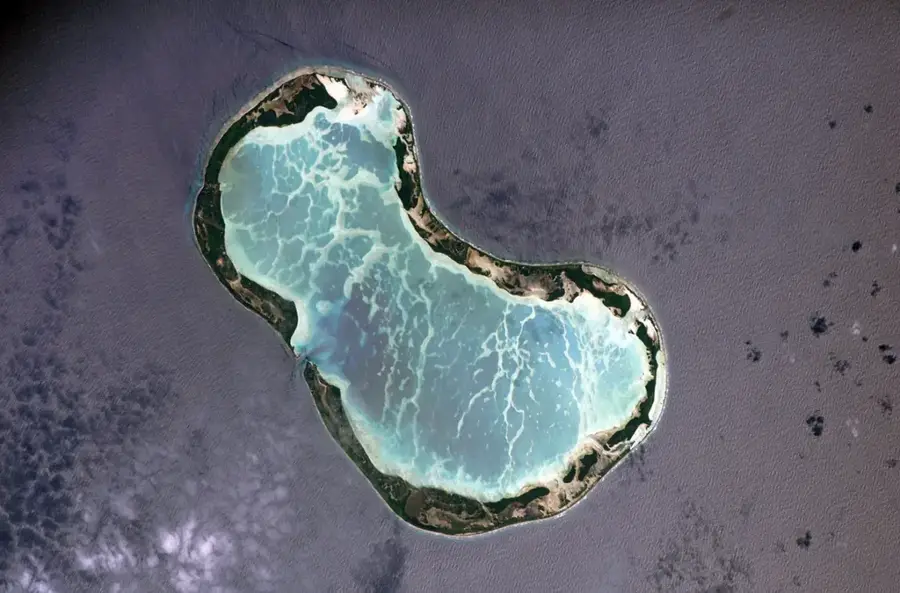
Vostok Island is a remote, uninhabited coral island located in the central Pacific Ocean as part of the Line Islands, governed by Kiribati. Measuring just 0.24 square kilometers, the island is almost entirely cloaked in a dense, primeval forest of Pisonia grandis trees, which grow up to 30 meters tall, creating a solid canopy that blocks out most sunlight. Lacking permanent freshwater and surrounded by a narrow, treacherous reef, the island has remained largely untouched by human development. This isolation has made Vostok a critical sanctuary for seabirds; it hosts massive breeding colonies of sooty terns, red-footed boobies, and great frigatebirds. The interior is noted for its deep layers of peat and guano, built up over centuries of avian occupancy. Because it remains free of rats and other invasive species common to the Pacific, Vostok Island stands as a rare example of a pristine island ecosystem, providing scientists with a vital baseline for studying tropical maritime environments.
Best time to visit & climate
The most pleasant time to visit is Aug–Oct.
| Jan | Feb | Mar | Apr | May | Jun | Jul | Aug | Sep | Oct | Nov | Dec | |
|---|---|---|---|---|---|---|---|---|---|---|---|---|
| Avg °C | 28 | 28 | 28 | 28 | 28 | 28 | 28 | 27 | 27 | 27 | 28 | 28 |
| Rain mm | 153 | 119 | 105 | 74 | 81 | 62 | 57 | 34 | 42 | 60 | 83 | 111 |
📋 Practical info
Geography
Facts
- Area: 0.24 km²
- Highest elevation: 5 m
- Population: uninhabited
- No lagoon
- Seabird population: up to 500,000 breeding pairs
- Part of Phoenix Islands Protected Area since 2006
Route planner — Car & Motorhome
Where do you start? We build the route here, with stops and country notes along the way.
© OpenStreetMap contributors · OpenRouteService
Sights nearby
Frequently asked questions
What type of forest is found on Vostok?
Why is the forest important for seabirds?
Is there water on Vostok?
How is the island protected?
How far is Vostok from the nearest civilization?
Vostok Island: where is it located?
Vostok Island: when is the best time to visit?
Vostok Island: why is it worth visiting?
Nearby cities

History & landmarks
Nature
More places