Plizio Visual Lab
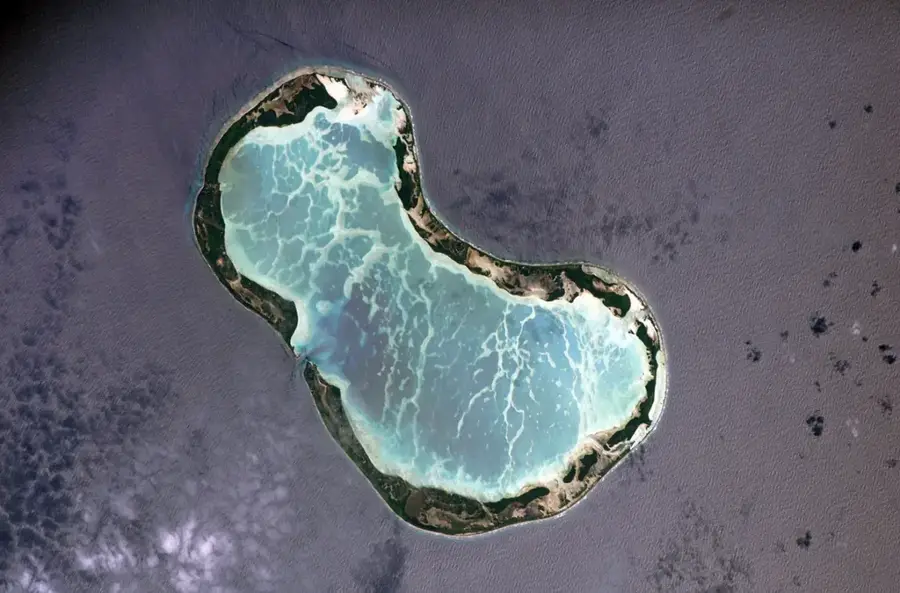
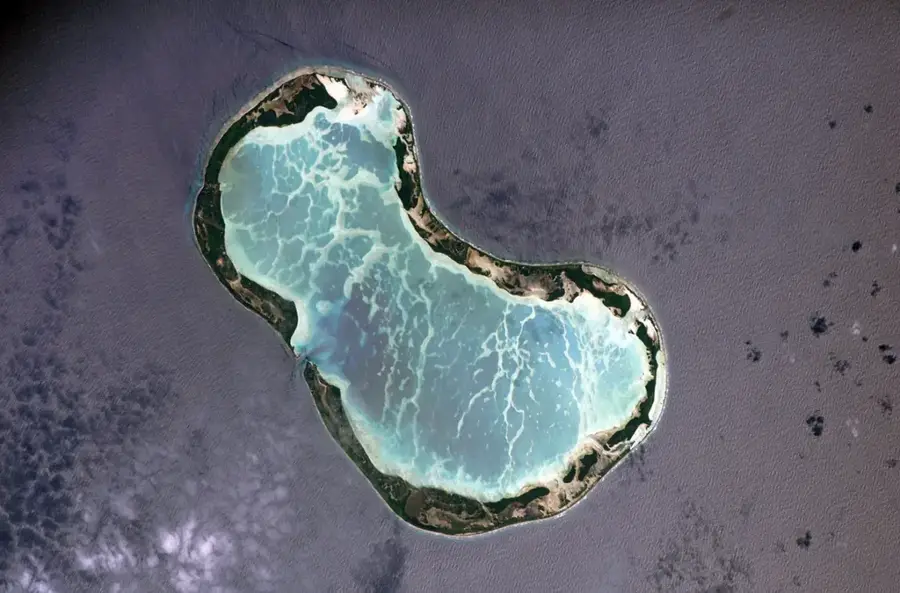
Flint Island

Weather…
Water temperature…
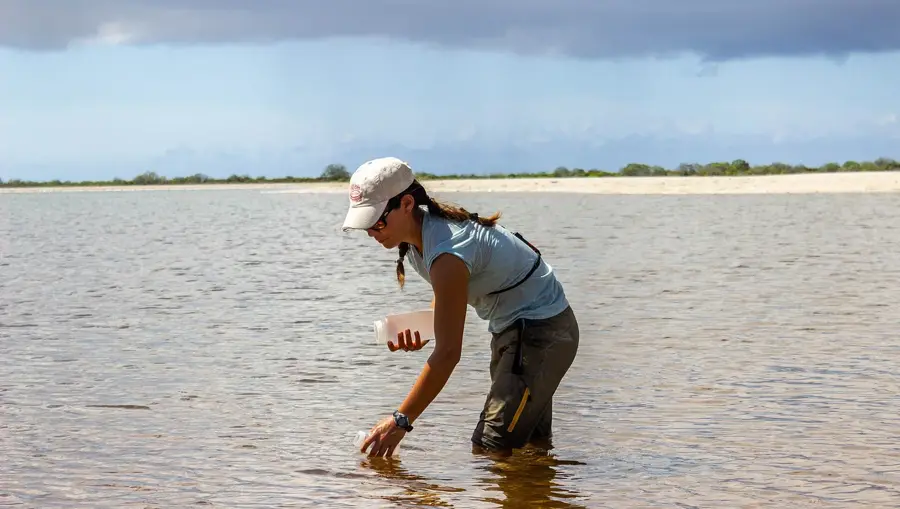
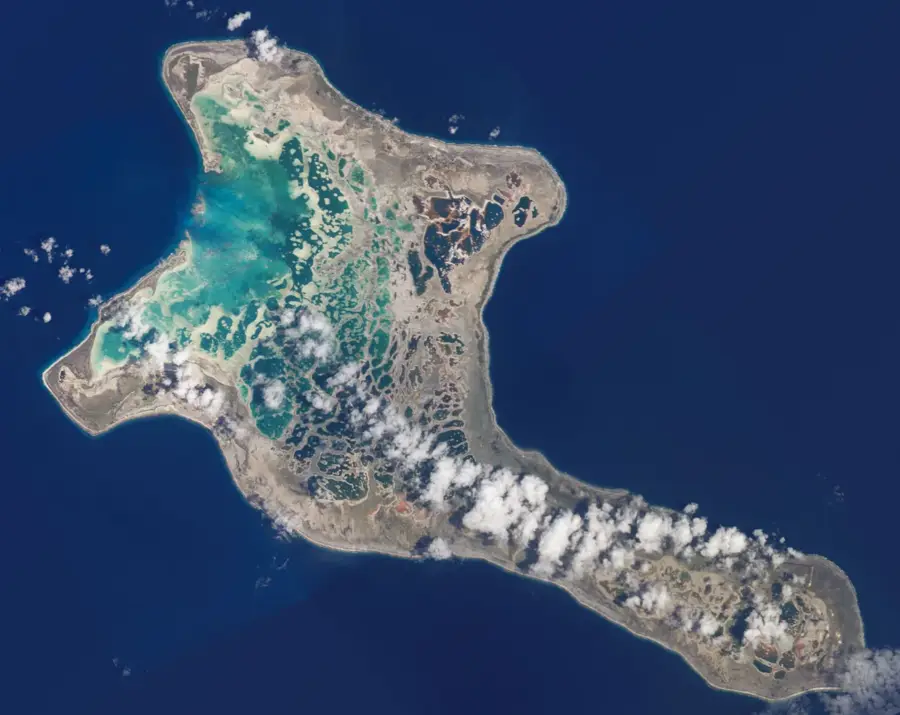
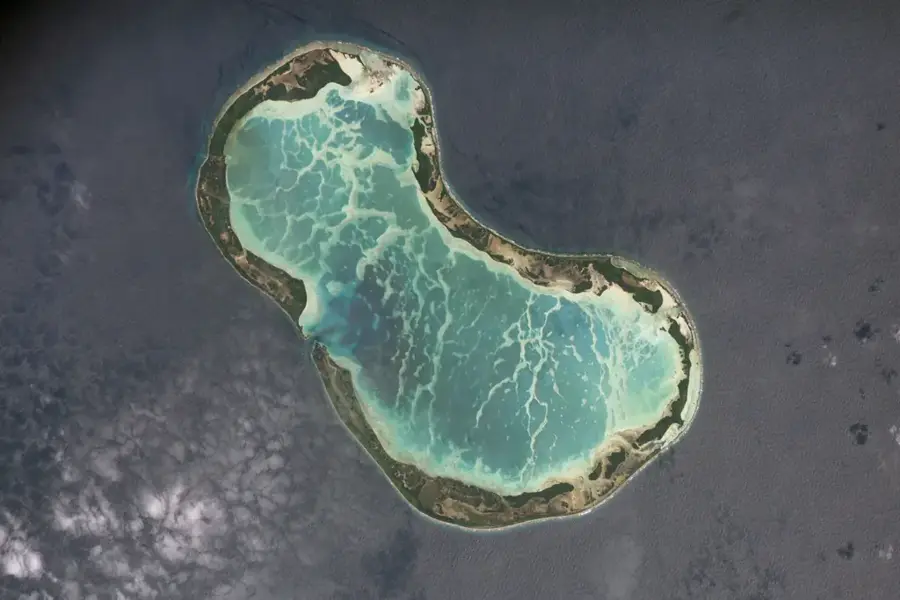
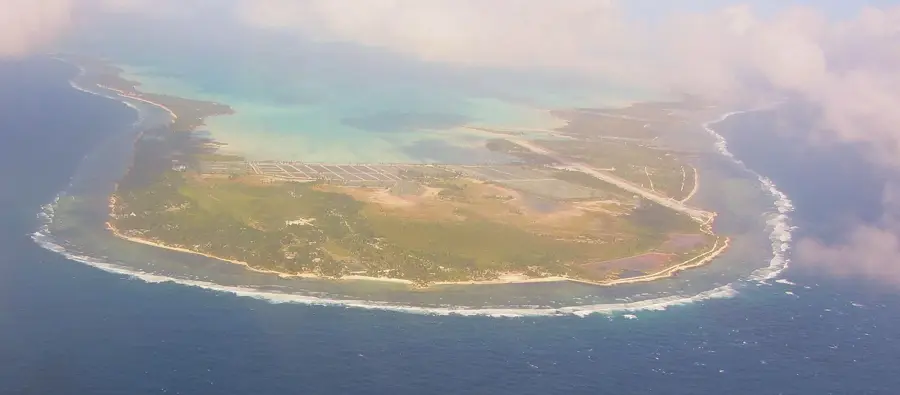
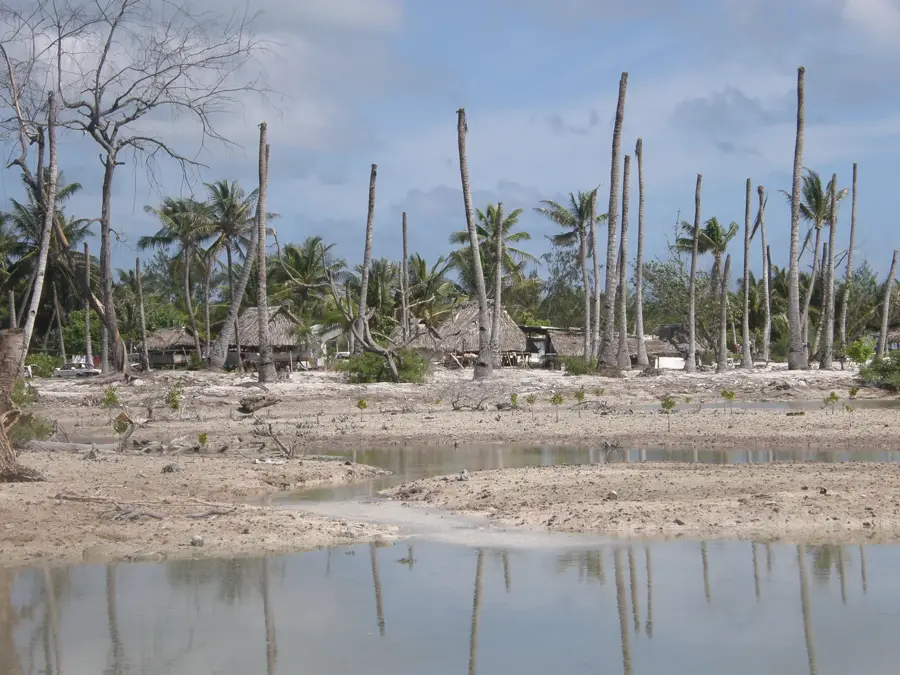
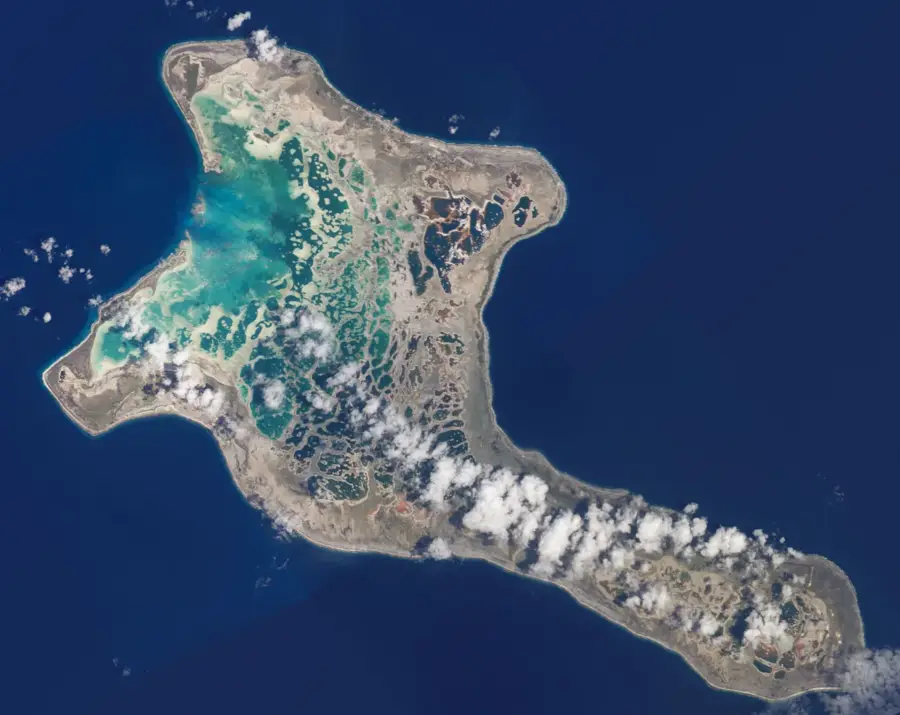
Flint Island is a remote, uninhabited raised coral island located at the southern end of the Line Islands. The island's interior is characterized by dense forests of coconut palms and towering Pisonia trees, creating a lush canopy that shelters a unique ecosystem. Historically, the island gained significance in the mid-19th century as a major site for guano mining, with remnants of old pits and tramways still visible today as silent witnesses to its industrial past. The most famous resident of Flint Island is the coconut crab, the world's largest land-living arthropod, which maintains a thriving population here due to the lack of natural predators and human interference. The surrounding coral reefs are notoriously sharp and dangerous, making landings difficult and preserving the island's pristine state. For scientists, it serves as a vital laboratory for studying tropical biodiversity and the resilience of isolated Pacific habitats.
Best time to visit & climate
The most pleasant time to visit is Jul–Sep.
| Jan | Feb | Mar | Apr | May | Jun | Jul | Aug | Sep | Oct | Nov | Dec | |
|---|---|---|---|---|---|---|---|---|---|---|---|---|
| Avg °C | 28 | 28 | 28 | 28 | 28 | 28 | 27 | 27 | 27 | 27 | 28 | 28 |
| Rain mm | 182 | 151 | 113 | 74 | 79 | 67 | 55 | 30 | 40 | 72 | 110 | 148 |
📋 Practical info
Geography
Facts
- Land area: 3.0 km²
- Lagoon: 0.5 km²
- Highest elevation: 8 m
- Population: uninhabited
- Guano mining: 1870–1890
- Part of Phoenix Islands Protected Area since 2006
Route planner — Car & Motorhome
Where do you start? We build the route here, with stops and country notes along the way.
© OpenStreetMap contributors · OpenRouteService
Sights nearby
Frequently asked questions
What is the most prominent landmark on Flint Island?
Are there beaches on Flint Island?
Can you stay overnight on the island?
Are there wild animals there?
What historical significance does the island have?
Flint Island: where is it located?
Flint Island: when is the best time to visit?
Flint Island: why is it worth visiting?
Nearby cities


History & landmarks
Nature
More places