Plizio Visual Lab
Archaeological Area of Aquileia
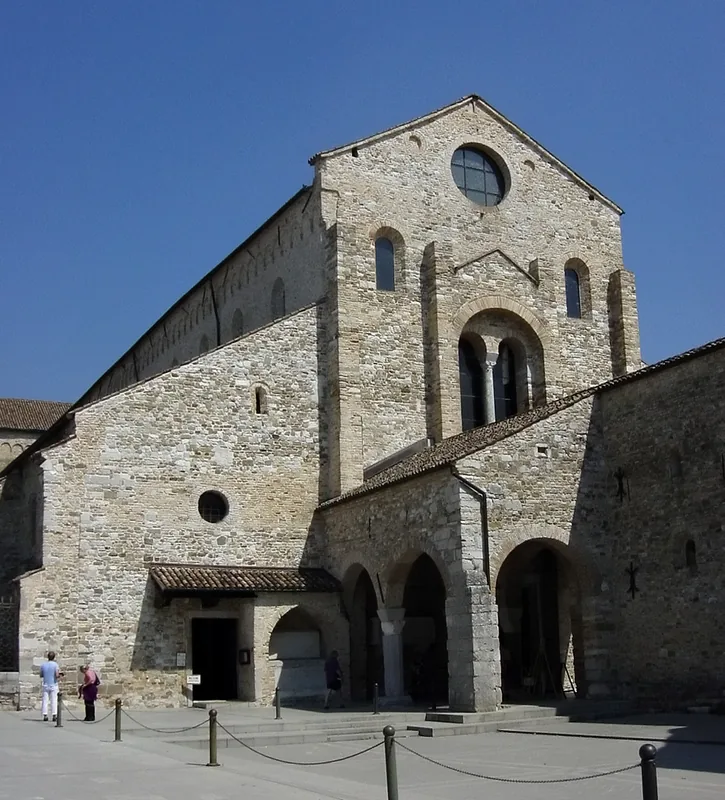
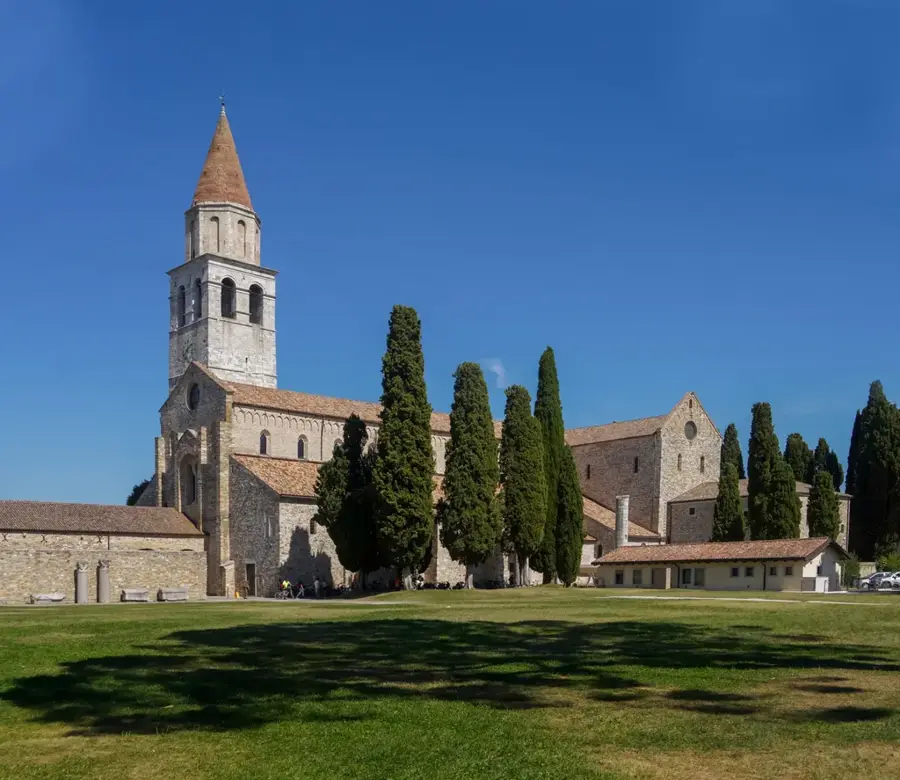
Aquileia, founded in 181 BC as a Roman military colony, grew into one of the largest and most prosperous cities of the Roman Empire. Located at the northern tip of the Adriatic Sea, the city served as a strategic gateway to the Balkans and Central Europe. Today, the archaeological site impresses with the remains of the ancient river port, the forum, and the magnificent Basilica of Aquileia. The basilica is particularly famous for its 4th-century mosaic floor, which at approximately 760 square meters is the largest Christian mosaic complex in the Western world. In the 5th century, the city was destroyed during Attila's invasion, forcing residents to flee to the Venetian lagoon. However, Aquileia maintained its significance as a spiritual center, serving as the seat of the Patriarchate until the 18th century. Since 1998, the entire archaeological zone has been a UNESCO World Heritage site. Excavations are still ongoing, continuously revealing new treasures of Roman daily culture and sacred art.
- Location: Italy
- Top sights: Museo Paleocristiano · Domus delle bestie ferite · Domus dei putti danzanti
- Nearby: Bistrigna (11 km)
Best time to visit & climate
The most pleasant time to visit is Jun–Aug.
| Jan | Feb | Mar | Apr | May | Jun | Jul | Aug | Sep | Oct | Nov | Dec | |
|---|---|---|---|---|---|---|---|---|---|---|---|---|
| Avg °C | 0 | 1 | 5 | 10 | 14 | 19 | 21 | 21 | 16 | 11 | 6 | 1 |
| Rain mm | 65 | 76 | 77 | 75 | 96 | 86 | 81 | 95 | 116 | 111 | 121 | 96 |
📋 Practical info
Geography
Facts
- UNESCO World Heritage site since 1998 for the archaeological area and basilica
- Founded in 181 BC to defend against Celts and Histrians
- The basilica's mosaic floor covers about 760 square meters from the 4th century
- Aquileia was Italy's fourth largest city in the 2nd century AD
- Destruction by Attila the Hun in 452 AD
- The ancient river port on the Natissa was over 350 meters long
Explore nearby
Notable places around
Route planner — Car & Motorhome
Where do you start? We build the route here, with stops and country notes along the way.
© OpenStreetMap contributors · OpenRouteService
Sights in the town Archaeological Area of Aquileia (10)
Sponda orientale del porto
Eastern quay of the ancient Roman port.
Monumento ai Militi Ignoti
Monument to the unknown soldiers.
Basilica di Santa Maria Assunta
Church building in Aquileia, Italy, an important early Christian basilica.
Museo Archeologico Nazionale🏛 museum
National archaeological museum with finds from Aquileia.
Monumento alla Resistenza
Resistance memorial monument.
Pinacoteca Civica
Civic art gallery with paintings from various periods.
Sights nearby
Frequently asked questions
Why is Aquileia historically significant?
What is the main attraction of the Basilica?
Can the old Roman port be seen?
How far is Aquileia from the sea?
Is there an archaeological museum?
Archaeological Area of Aquileia: where is it located?
Archaeological Area of Aquileia: what is there to see?
Archaeological Area of Aquileia: when is the best time to visit?
Archaeological Area of Aquileia: why is it worth visiting?

Nearby cities
History & landmarks
More places