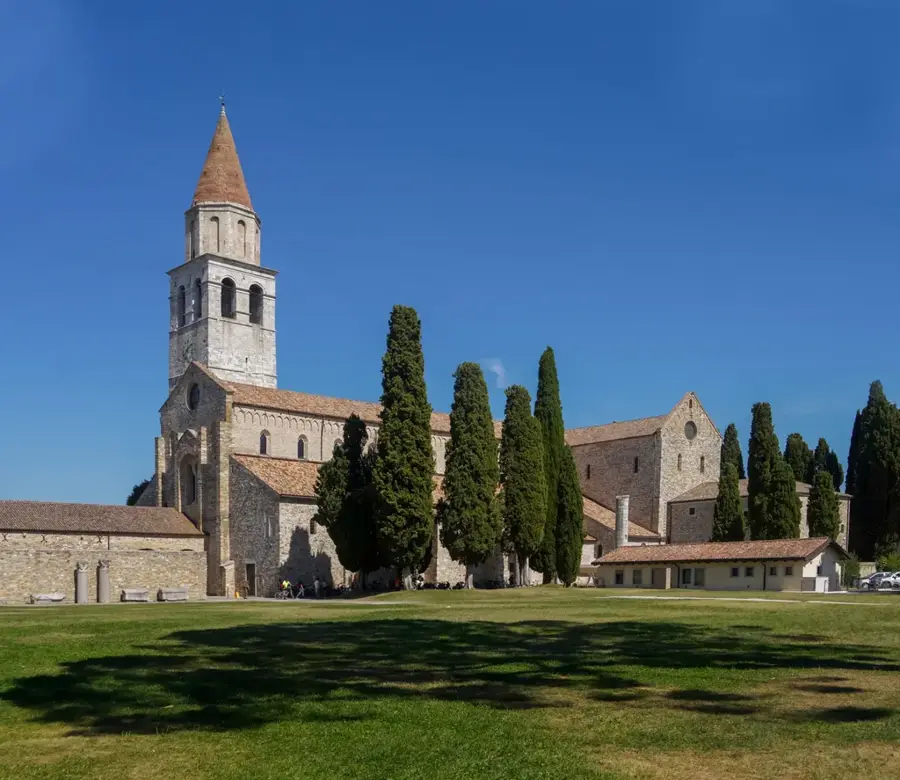
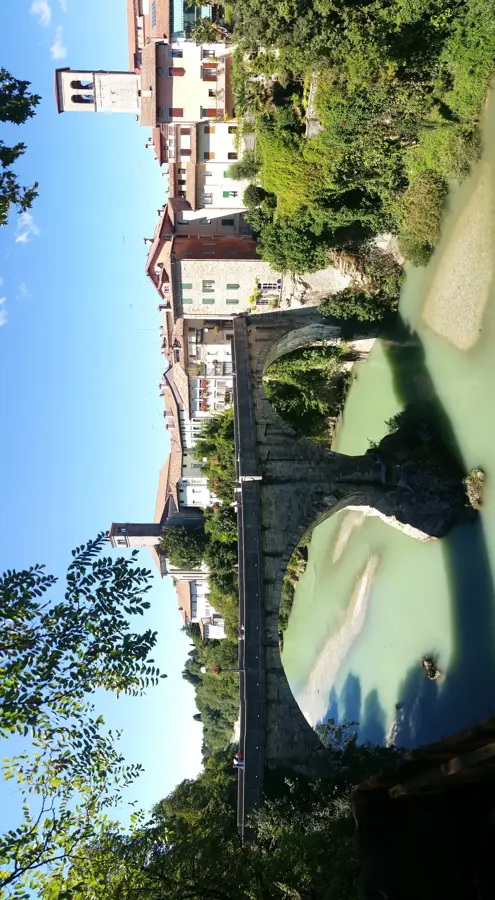
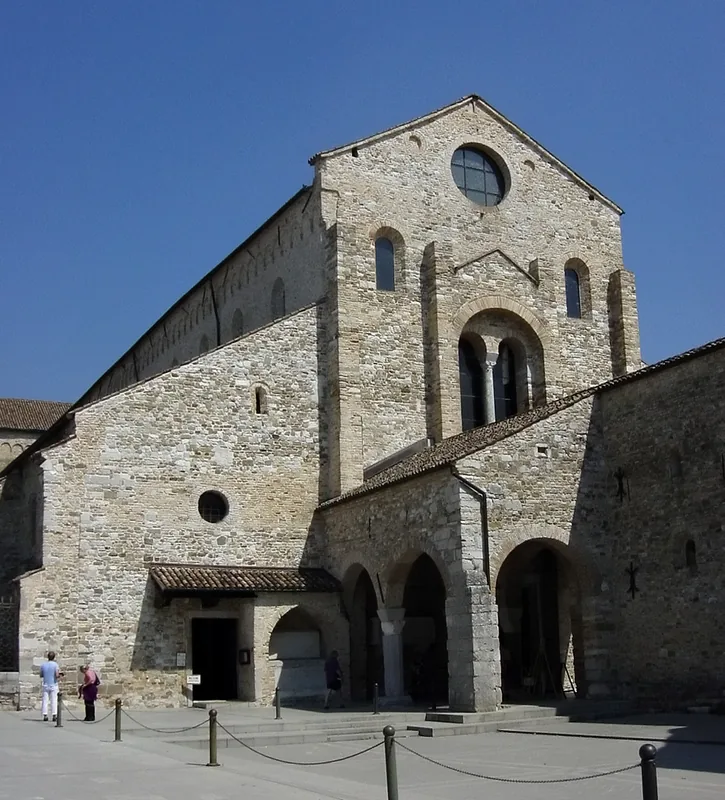
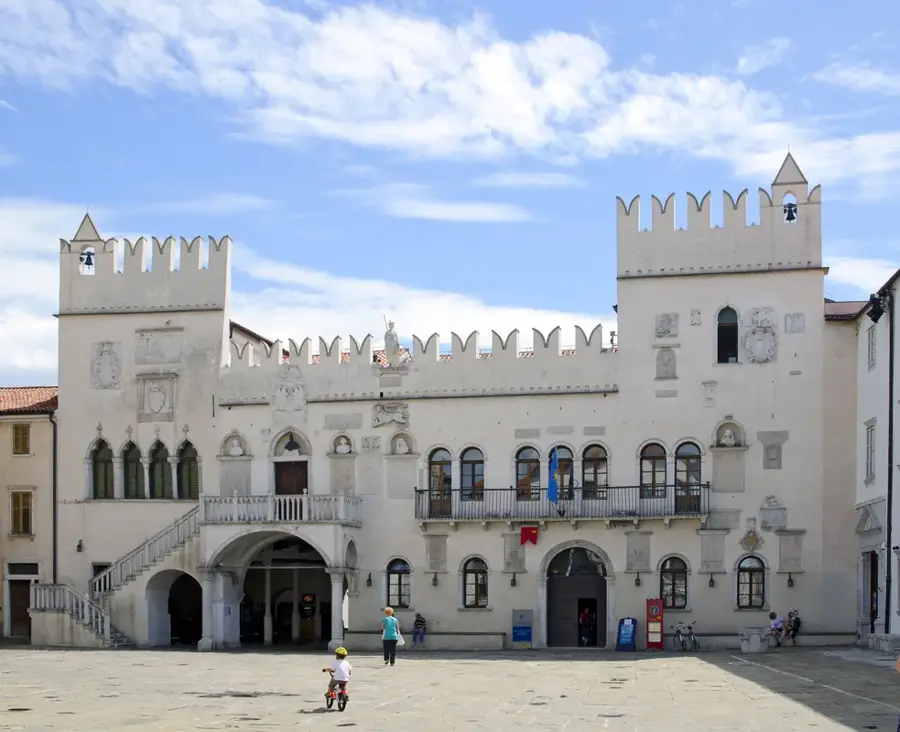
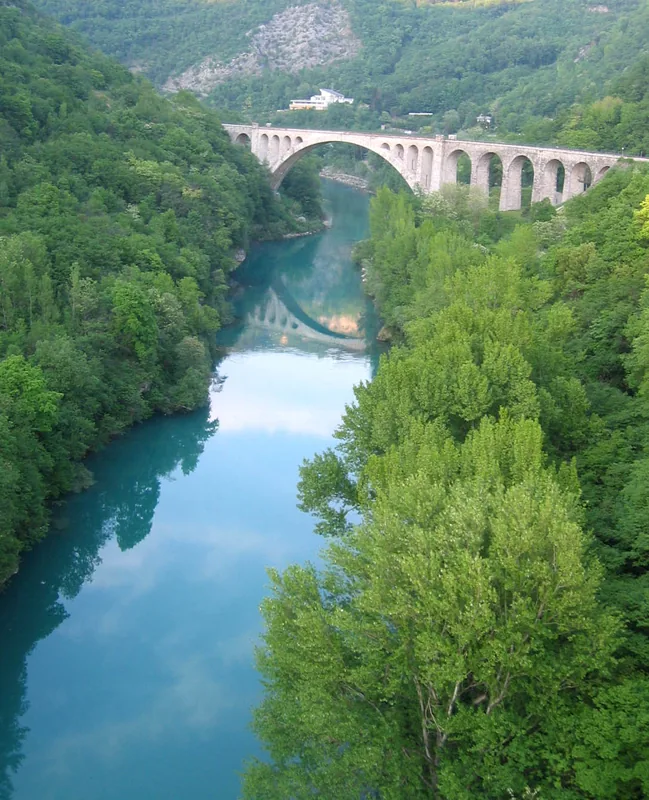
Once one of the largest and wealthiest cities of the Roman Empire, Aquileia is now a quiet village housing an archaeological site of inestimable value, a UNESCO World Heritage site. Aquileia's true splendor lies underground and in the remnants of its glorious past. The highlight is the Basilica of Santa Maria Assunta, its floor covered by a vast and exceptionally well-preserved 4th-century early Christian mosaic, the largest in the Western world. It narrates biblical stories, creating a fascinating link to the early Christian community. Visitors can also explore the remains of the Roman forum, the river port, and a mausoleum. The National Archaeological Museum holds an impressive collection of Roman artifacts. A walk through Aquileia is like a journey back in time, a quiet and profound experience away from the tourist crowds.
Location: Italy
Top sights: Basilica di Santa Maria Assunta · Foro Romano · Porto Fluviale
Pick weather + travel mode, get a concrete day plan.
09:00→15:241.2 km walk6 places0/6
Day budget: ≈ 19–25 €Entries 22€ · Transport 0€
Morning: Start at the majestic Foro Romano, imagining the bustling ancient life, then explore the nearby ancient port.
Midday: Discover the well-preserved Domus di Titus Macer and head to the magnificent Basilica for its legendary mosaics.
Afternoon: Wander along the shaded Via Sacra, soaking in the serene archaeological park atmosphere.
Evening: Conclude at the Museo Archeologico Nazionale to fully appreciate the region's vast historical treasures.
← swipe for more places →
📍
09:10 · 45'
Foro Romano
Admire the ancient columns of this Roman forum, the once-bustling political heart of the city, and visit early to avoid the midday sun and crowds.
Explore the beautifully preserved floor mosaics of this wealthy Roman home, and be sure to wear flat shoes to comfortably navigate the excavation area.
The morning starts at the Forum, seeking shelter under the ancient porticoes from the drizzle. At noon, the covered Domus and the Basilica provide a dry sanctuary among stunning mosaics. In the afternoon, we delve into history at the Archaeological Museum while the rain taps on the windows. The evening concludes with the mystical sight of wet ruins reflecting the soft city lights.
← swipe for more places →
📍
09:10 · 45'
Foro Romano
Admire the ancient columns from the shelter of the surrounding arcades, as the stone slabs can become very slippery in the rain; wear shoes with good grip.
Take advantage of the modern protective roof to view the magnificent mosaic floors of this Roman villa completely dry, no matter how hard it rains outside.
A crisp winter morning at the Forum invites an invigorating walk in the clear air. At noon, we warm up inside the Basilica, admiring the winter light dancing on the ancient mosaics. The afternoon offers a golden sunset over the Via Sacra before the early twilight. We spend the evening in the cozy halls of the museum, sheltered from the biting cold.
← swipe for more places →
📍
09:10 · 45'
Foro Romano
Enjoy the clear views of the ruins without the summer heat, but dress in layers as the wind blows unobstructed across the open forum area.
The winter sun hangs low over the canal, offering fantastic light for photos; a thermos of hot tea will be a well-suited companion on this riverside walk.
The excavation site is pleasantly quiet in winter; take advantage of the sheltered area under the roof to study the details of ancient living in peace.
Morning: Cycle to the Museo Paleocristiano and admire early Christian art, then pedal toward the historic Porto Fluviale.
Midday: Visit the ancient Foro Romano and the iconic Basilica di Santa Maria Assunta, the true heart of Aquileia.
Afternoon: Explore the rich artifacts at the Museo Archeologico Nazionale, diving deep into local Roman history.
Evening: Ride out to the beautiful Laguna di Grado to enjoy a breathtaking sunset and the calm coastal breezes.
← swipe for more places →
📍
09:10 · 45'
Museo Paleocristiano
Uncover the fascinating early Christian artifacts housed in an old monastery, and ask the museum staff about the hidden crypts beneath the structure.
A rainy morning on two wheels requires caution on the wet roads leading to the museum. At noon, we find shelter by the river port and forum between showers. The afternoon visits to the Basilica and museum provide a necessary dry break. We end the evening at the lagoon, where the rain brings a quiet, mystical calm over the water.
← swipe for more places →
📍
09:10 · 45'
Museo Paleocristiano
Park your bike close to the entrance and enjoy the early Christian treasures in the dry; the excavations are excellently protected from the rain.
A frosty morning starts with a quick ride to the Paleo-Christian Museum to escape the cold. At noon, we take advantage of the clear winter sun to visit the port and the forum. In the afternoon, we warm up in the Basilica before heading to the museum. The evening ends at the lagoon with a spectacular, early winter sunset by the water.
← swipe for more places →
📍
09:10 · 45'
Museo Paleocristiano
Start here to warm up after the first short ride; the interiors are well-tempered and provide shelter from the morning frost.
Morning: Drive to the Grandi Terme to see the ancient baths, then quickly visit the imposing Mausoleo di Aquileia.
Midday: Park near the Foro Romano for a glimpse of civic history, followed by the awe-inspiring Basilica.
Afternoon: Head south towards the coast, taking a scenic drive away from the main ruins.
Evening: Arrive at the stunning Laguna di Grado, ending your day trip with panoramic views of the water.
← swipe for more places →
🏛️
09:10 · 80'
Grandi Terme
Inspect the grand remains of the sprawling Roman baths that once hosted local citizens, and picture the sheer scale of ancient luxury and engineering.
A rainy day in Aquileia is best navigated by car, starting from the thermal baths. At noon, we visit the Mausoleum and the Forum, using the car as a dry home base. We spend the afternoon within the thick walls of the Basilica, sheltered from the pouring rain. The day concludes with a drive to the lagoon, enjoying the grey panorama from the car.
← swipe for more places →
🏛️
09:10 · 80'
Grandi Terme
Use the nearby parking and view the ruins of the baths; waterproof shoes are recommended for the unpaved sections between the stones in the rain.
A clear winter morning begins comfortably with a drive to the baths while the car's heater keeps you cozy. At noon, we visit the Mausoleum and the Forum under the brilliant, low sun. The afternoon belongs to the splendid Basilica before we target the early sunset. The day concludes with a drive to the lagoon to admire the winter lights over the water.
← swipe for more places →
🏛️
09:10 · 80'
Grandi Terme
View the ruins in the crisp morning air; the parking's proximity allows for a quick return to the warm car if a biting frost sets in.
A towering Roman funerary monument, reconstructed to showcase the grandeur of imperial Aquileia.
Museo Paleocristiano
Built over an ancient basilica complex, it houses impressive early Christian mosaics and sculptural fragments.
Via Sacra
A scenic path connecting the main archaeological areas, running along the historic Natissa riverbed.
Laguna di Grado🌿 nature
This lagoon near Aquileia is a special natural area that invites observation and relaxation.
Domus di Titus Macer🏺 historical
Remains of a luxurious Roman dwelling with well-preserved floor mosaics in Aquileia.
💶
Grandi Terme🏺 historical
Ruins of a large Roman thermal bath complex in the ancient city of Aquileia.
Arco San Felice🏺 historical
An ancient honorary arch in Aquileia, marking a historical entrance to the city.
Frequently asked questions
Why is Aquileia historically significant?
It was one of the largest cities of the Roman Empire and an important center of early Christianity.
What can you see in the Basilica of Aquileia?
The Basilica houses the largest early Christian mosaic floor in Western Europe, dating from the 4th century.
Can the Roman excavations be visited for free?
Some outdoor areas like the river port are free to access, while museums and the Basilica charge admission.
How much time should I plan for Aquileia?
For the main sights (Basilica, Forum, Archaeological Museum), you will need about 3 to 4 hours.
Is Aquileia a good day trip from Grado?
Yes, it is only about 10 km away and can be reached in 15 minutes by bus or bicycle.
Aquileia: where is it located?
Aquileia is located in Italy.
Aquileia: what is there to see?
Highlights include Basilica di Santa Maria Assunta, Foro Romano, Porto Fluviale.
Aquileia: when is the best time to visit?
The most pleasant time to visit is Jun, Aug.
Aquileia: why is it worth visiting?
Once one of the largest and wealthiest cities of the Roman Empire, Aquileia is now a quiet village housing an archaeological site of inestimable value, a UNESCO World Heritage site.