Complete Tour of the Environmental Art Collection
A comprehensive experience of the Collezione Gori, where nature and modern art merge perfectly.
Plizio Visual Lab
The famous almond biscuits, traditionally dipped in Vin Santo. Find them at traditional bakeries in the historic center.
A unique local cold cut flavored with spices and alchermes liqueur. Ask for it at a local deli (salumeria).
Stuffed celery, a classic local dish. Look for it in traditional trattorias around Piazza Mercatale.
Explore the boutiques in the center for high-quality locally produced fabrics and knitwear.
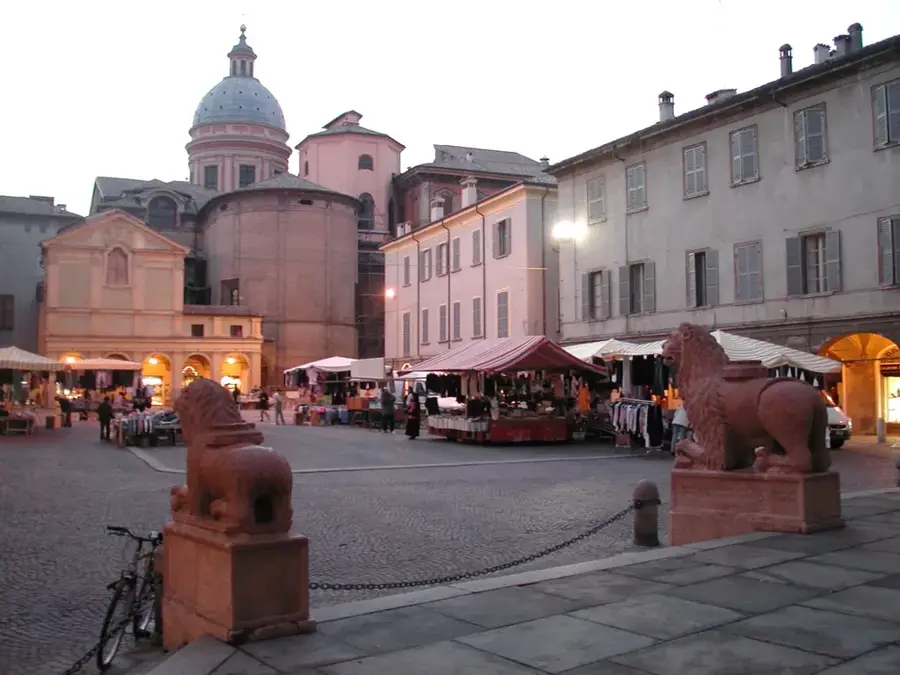
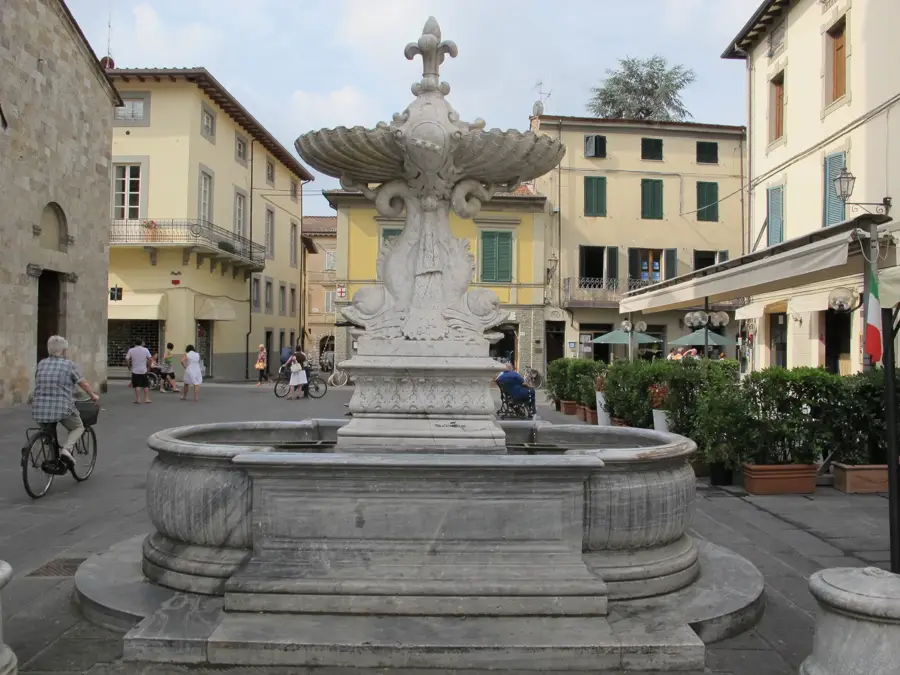
A large weekly market in Piazza Mercatale where you can find clothes, shoes, and fresh produce.
A vast historical park south of the city, good for a peaceful walk or a bike ride.
A relaxing pedestrian path along the Bisenzio river with nice views of the city.
Water temperature…
A comprehensive experience of the Collezione Gori, where nature and modern art merge perfectly.
Discover the harmonious blend of literature and fine arts within the unique Collezione Gori.
A guided walk through the stunning sculpture gardens and historic grounds of Fattoria di Celle.
Combine contemporary art with the authentic flavors of the Tuscan countryside.
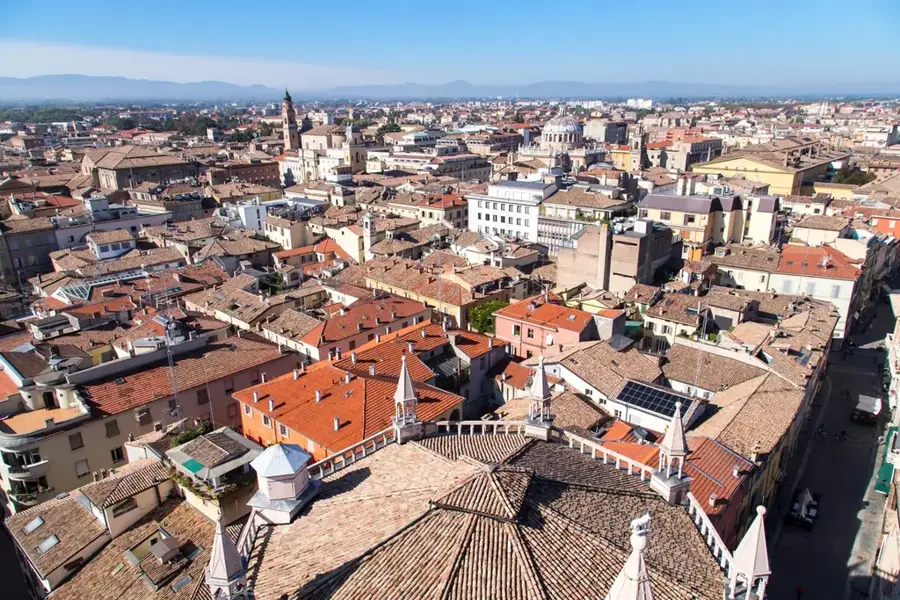
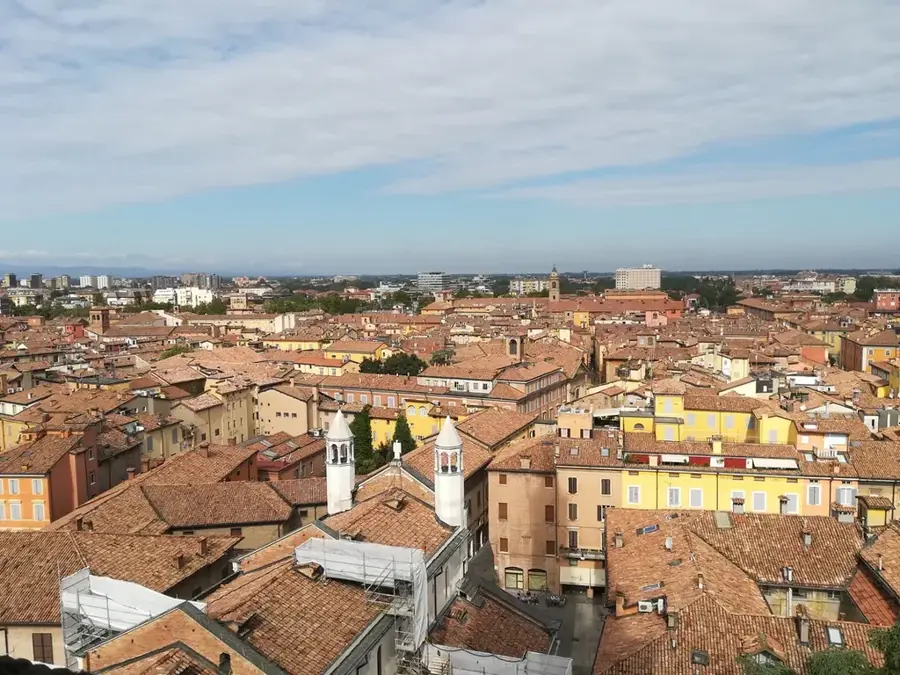
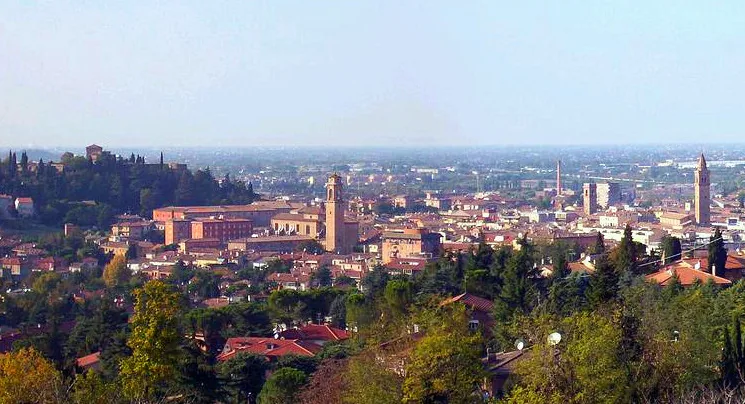
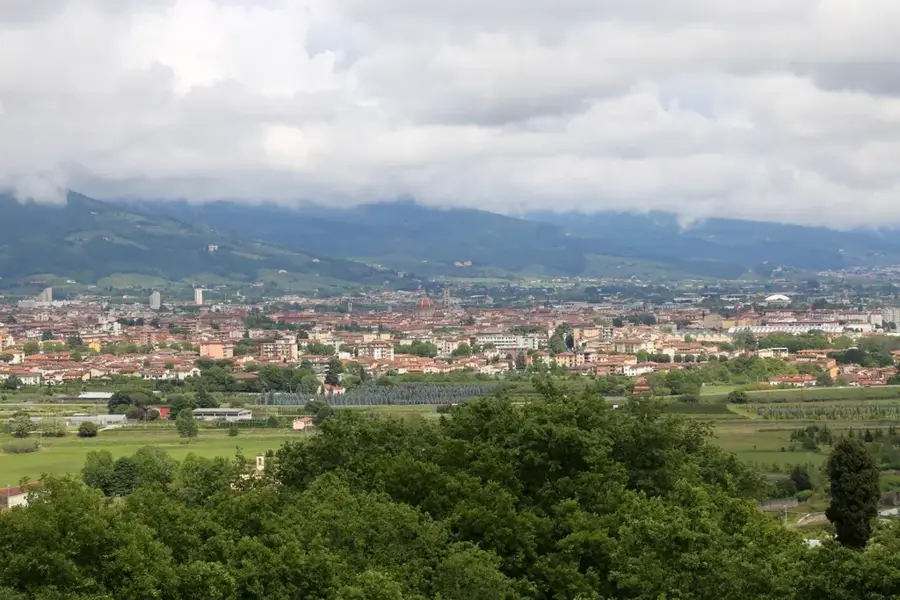
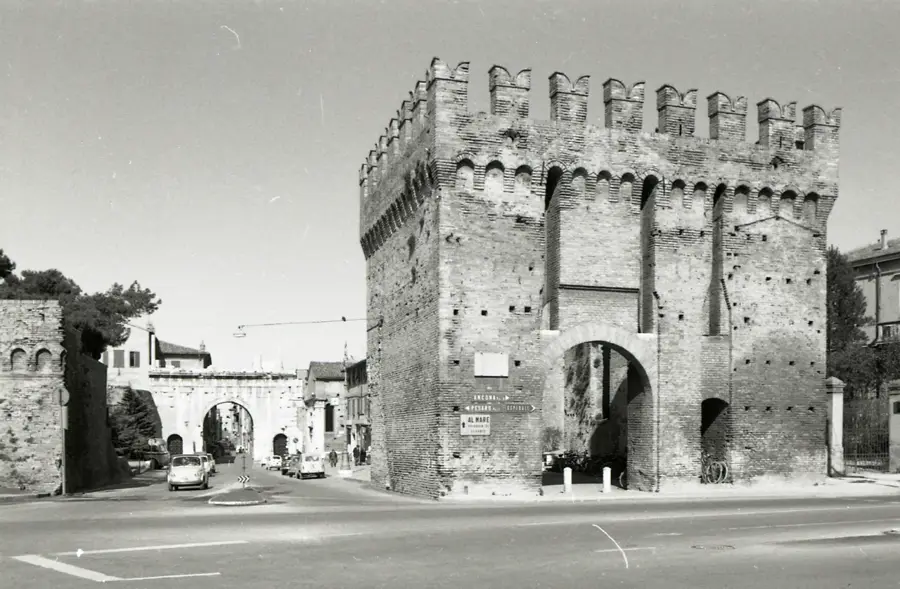
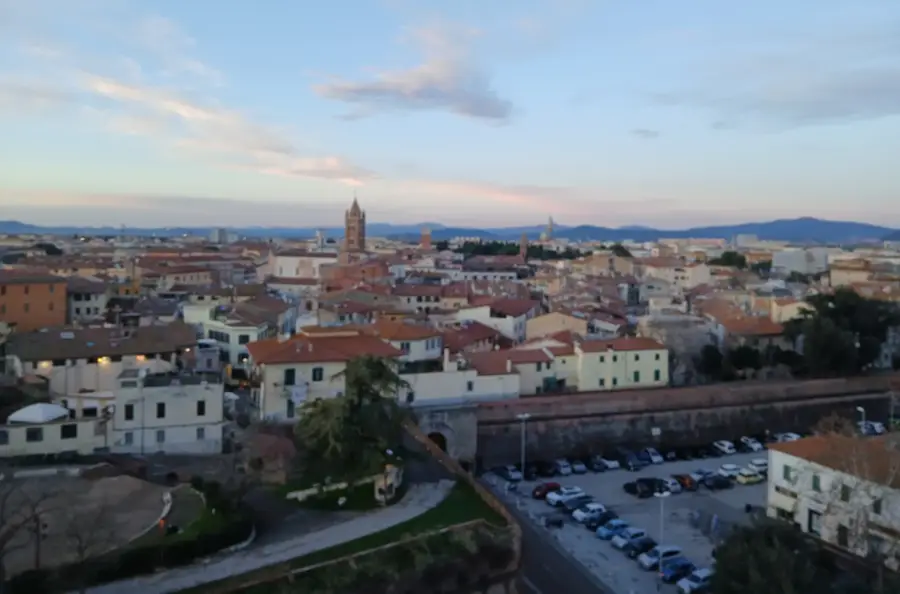
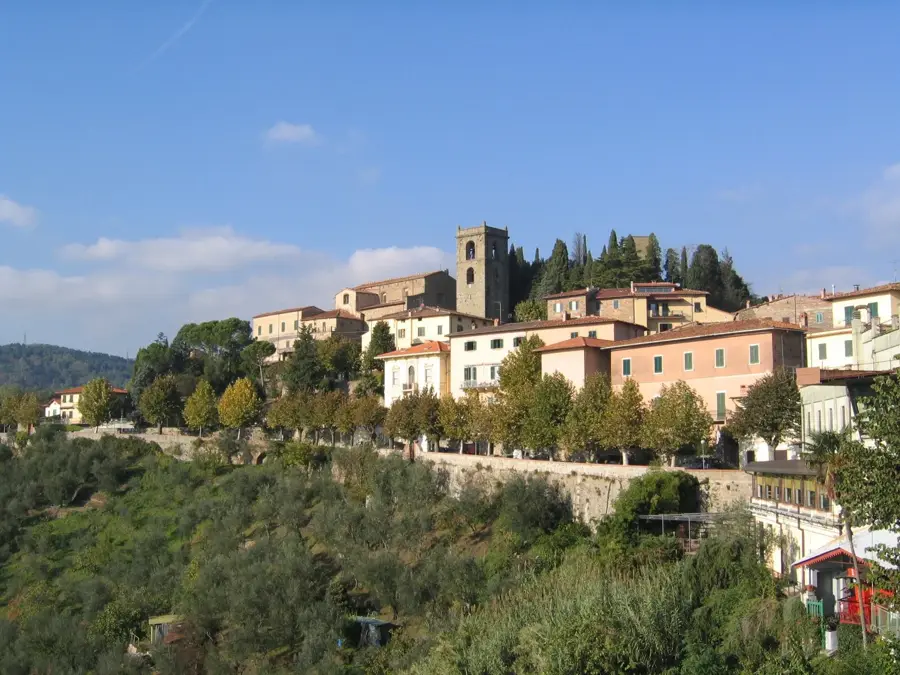
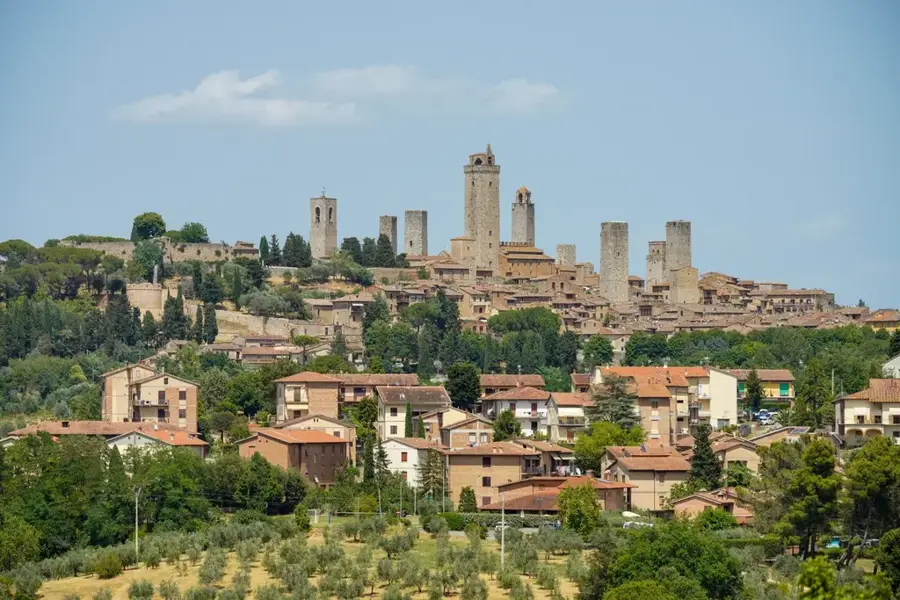
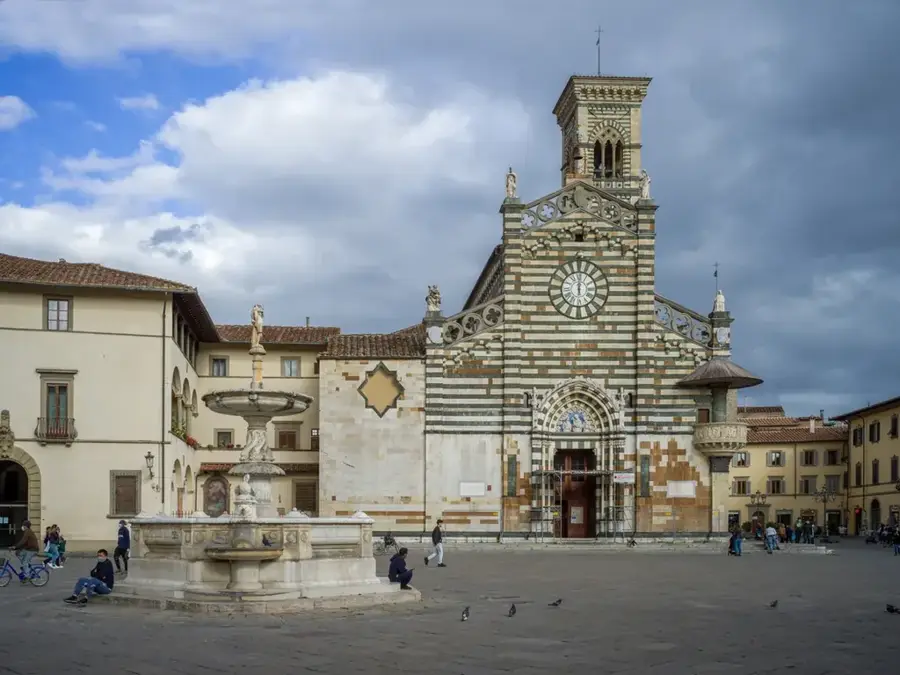
Prato, situated in the heart of Tuscany northwest of Florence, has been one of Europe's most vital textile centers since the Middle Ages. The city has a deep-rooted tradition in wool processing and cloth manufacturing, which continues today through a modern fashion industry and innovative recycling technologies. Its historic center is enclosed by imposing medieval walls and features the Prato Cathedral, renowned for its external pulpit by Donatello and frescoes by Filippo Lippi. Another unique landmark is the Castello dell'Imperatore, the only example of Swabian architecture in central Italy, built for Emperor Frederick II. Prato is also a pioneer in contemporary art in Italy, anchored by the renowned Pecci Center. The city is characterized by significant multicultural dynamics and is famous for culinary specialties like its cantucci almond biscuits. With around 200,000 residents, it is the second-largest city in Tuscany and a major economic powerhouse for the region.
The most pleasant time to visit is Jun–Aug.
| Jan | Feb | Mar | Apr | May | Jun | Jul | Aug | Sep | Oct | Nov | Dec | |
|---|---|---|---|---|---|---|---|---|---|---|---|---|
| Avg °C | 2 | 3 | 6 | 10 | 15 | 20 | 23 | 22 | 17 | 13 | 8 | 3 |
| Rain mm | 55 | 66 | 63 | 57 | 63 | 44 | 33 | 40 | 66 | 84 | 96 | 70 |
See what it looks like near Prato right now.
Prato: Mezzana: A11 km. 09,5 Prato Est itinere est · 2.6 km · Open webcam on Windy · Webcams provided by Windy.com
Notable places around
Where do you start? We build the route here, with stops and country notes along the way.
© OpenStreetMap contributors · OpenRouteService
Start your morning exploring the religious heart and the magnificent Duomo. At midday, soak up the atmosphere in Piazza del Comune and Palazzo Pretorio. Your afternoon is dedicated to medieval history at the Emperor's Castle and Renaissance architecture. End the day at the Textile Museum, reflecting the true industrial and artistic soul of the city.
Cycling allows you to easily reach the futuristic Centro Pecci outside the historic walls. Start with the medieval classics like the Duomo and the Castle, then head to the Textile Museum. After a break at Piazza Mercatale, enjoy a ride to the contemporary art center before finishing at the Sangallo church.
Using a car lets you bridge the gap between the medieval core and the futuristic outskirts. Morning is spent in the center for the Duomo and Castle. Midday visit to Centro Pecci offers contemporary art and a great lunch spot. Finish with Palazzo Pretorio and a short drive to the hills of Figline for a scenic panorama.