Plizio Visual Lab

Vakil Mosque
Plizio editorial teamData Sources
tourist-attraction
—°10
Vakil Mosque (Iran)

Weather…

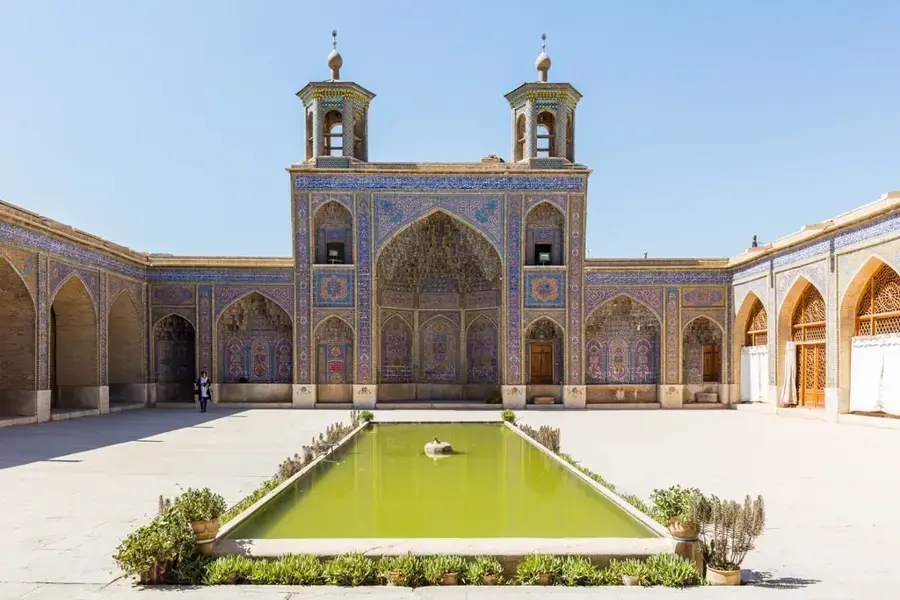
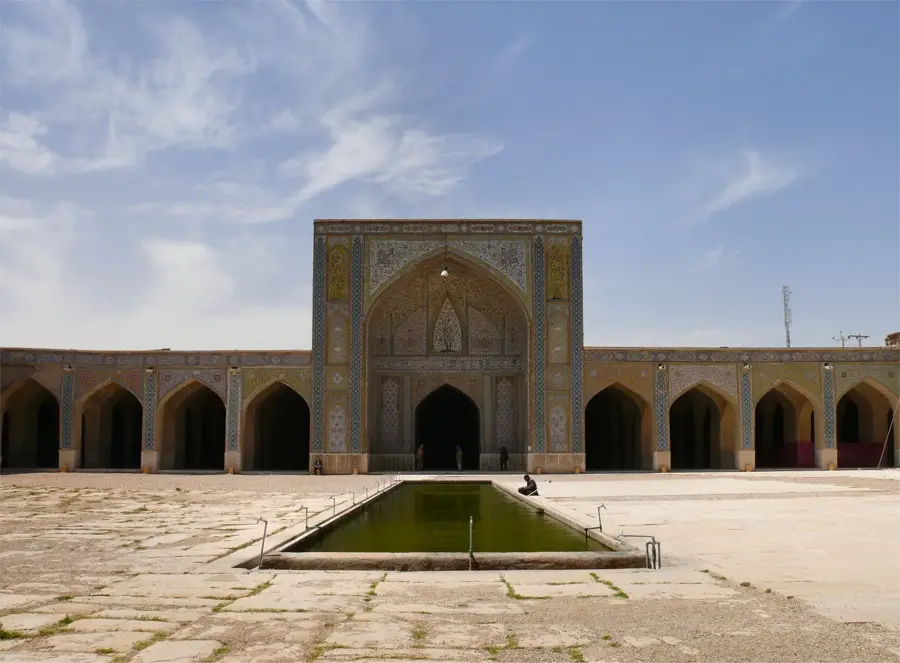
The Vakil Mosque in Shiraz was constructed between 1751 and 1773 during the Zand dynasty under the rule of Karim Khan, representing a pinnacle of 18th-century Persian architecture. Covering an area of nearly 9,000 square meters, the mosque is an integral part of the Vakil complex, which also features a historic bazaar and a bathhouse. Its most distinctive feature is the vast southern prayer hall, supported by 48 monolithic columns decorated with intricate spiral carvings. The tilework on the main portals and within the courtyard showcases the "Haft Rang" (seven-colored) style, renowned for its animated aesthetics during the Zand era. Notably, the mosque lacks a traditional central dome, focusing instead on the monumental scale of its iwans and vaulted ceilings. Extensive restorations were carried out during the Qajar period in the 19th century, ensuring that the original structural integrity and decorative beauty remained intact for modern observers.

Best time to visit & climate

The most pleasant time to visit is May, Sep, Oct.

JanFebMarAprMayJunJulAugSepOctNovDec
Avg °C461015212729282418116
Rain mm534141257454144049

📋 Practical info

🚪
Visiting
This architectural masterpiece of the Zand dynasty welcomes respectful visitors to marvel at its vast open courtyards, the deeply impressive main prayer hall, and the brilliantly detailed floral tilework throughout.
🕒
Typical hours
Access is usually granted from the morning until the early evening, although entry into the interior prayer halls is generally restricted during formal prayer times out of respect for the local worshippers.
📷
Photography
Capturing the extraordinary symmetry of the spiraling stone pillars and the mesmerizing tile mosaics is highly recommended, provided you remain quiet and avoid disturbing any ongoing religious observances.
⏱️
Time needed
Devoting approximately one hour is typically sufficient to wander the vast courtyard, examine the monumental minbar cut from a single piece of marble, and appreciate the intricate decorations inside the sanctuary.
Combine with
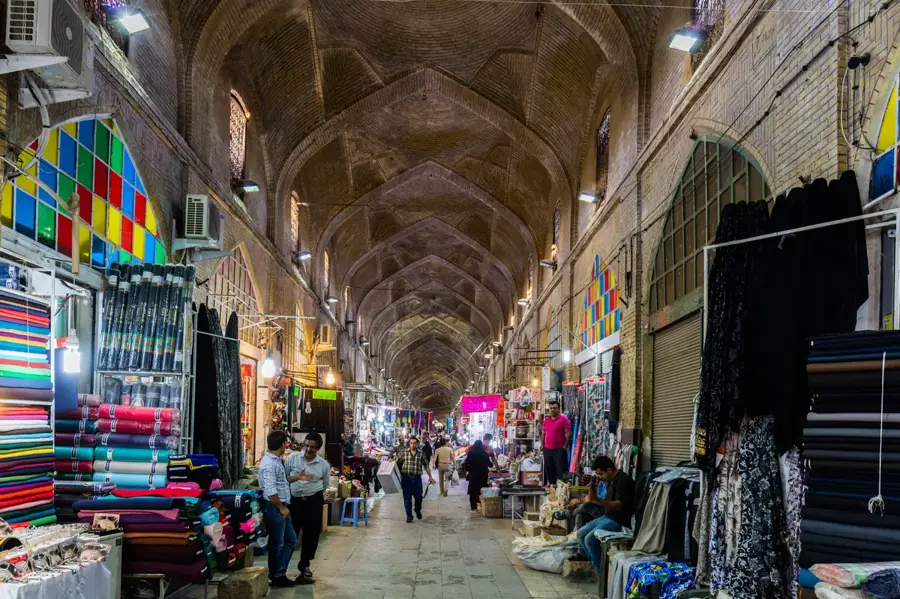
Due to its incredibly central location, visitors should absolutely combine their experience here with immediate explorations of the adjacent historic public baths and the bustling, historic traditional marketplace.
🧭
Getting there
Located in the dense urban core of historical Shiraz, reaching the site is easiest on foot if you are staying centrally, or via a short taxi ride that navigates the bustling city streets directly to the entrance.
💡
Insider tip
Pay close attention to the spectacular night hall featuring forty-eight monolithic carved pillars; the soft play of natural light filtering into this space creates an unforgettably serene and photogenic atmosphere.

Geography

Coordinates
29.61470, 52.54560

Facts

  • Built between 1751 and 1773 during the reign of Karim Khan Zand.
  • The prayer hall features 48 massive, spirally carved stone columns.
  • The total area of the religious complex is approximately 8,660 square meters.
  • It utilizes the famous Zand-era "Haft Rang" tilework technique.
  • The structure lacks a dome, a rarity among large Iranian mosques.
  • The mosque is part of a larger ensemble including a bazaar and a hammam.

Explore nearby

Notable places around
Route planner — Car & Motorhome

Where do you start? We build the route here, with stops and country notes along the way.

Vehicle
Only stops with (optional):

© OpenStreetMap contributors · OpenRouteService

Sights in the town Vakil Mosque (10)

Vakil Cultural House Gallery🏛 museum

An art gallery housed in a traditional building, showcasing contemporary works in a historic setting.

Rang-e No Arts Academy🎭 culture

A lively arts centre promoting local talent and offering creative workshops in an inspiring setting.

Karimi institute🎭 culture

A local cultural venue dedicated to theatre and performing arts, enriching the city's cultural life.

Agha Baba Khan Mosque⛪ religious

A historic Qajar-era mosque known for its traditional arcades and peaceful inner courtyard.

Nazam ol-Moluk Mosque⛪ religious

This mosque features finely decorated tiled walls and a classical Persian dome construction.

Saraye Moshir📍 landmark

A magnificent caravanserai with a central pool and orange trees, now a hub for exquisite handicrafts.

Mesgarha Bazaar🎭 culture

The bazaar of the coppersmiths, where the rhythmic hammering of craftsmen keeps the traditional metal art alive.

Moula Mosque⛪ religious

A historic mosque with a prominent facade, serving as an important testament to Shiraz's sacred architecture.

Holy shrine of Bibi Zainabiyah, Daughter of Musa bin Jafar📍 landmark

This Muslim shrine is dedicated to the daughter of the seventh Imam, Musa bin Jafar.

Imamzade Seyyed Abdullah📍 landmark

A local Muslim shrine serving as the burial place for a descendant of the Imams.

Sights nearby

Frequently asked questions

When is the best time to visit Wakil Mosque?
Visit early in the morning when sunlight filters through the pillared hall, beautifully illuminating the tilework.
Is there a dress code for tourists?
Yes, women must wear a chador (often available to borrow at the entrance), and men should wear long trousers.
How many columns does the prayer hall have?
The impressive prayer hall features 48 monolithic stone columns carved in a unique spiral pattern.
Is there an entrance fee for the mosque?
Yes, there is an entrance fee for foreign tourists, typically around 500,000 to 1,000,000 IRR.
What is special about the pulpit (Minbar)?
The Minbar is carved from a single solid block of green marble and features 14 steps.
Vakil Mosque: where is it located?
Vakil Mosque is located in Iran.
Vakil Mosque: what is there to see?
Highlights include Vakil Cultural House Gallery, Rang-e No Arts Academy, Karimi institute.
Vakil Mosque: when is the best time to visit?
The most pleasant time to visit is May, Sep, Oct.
Vakil Mosque: why is it worth visiting?

The Vakil Mosque in Shiraz was constructed between 1751 and 1773 during the Zand dynasty under the rule of Karim Khan, representing a pinnacle of 18th-century Persian architecture.
View on map → The Top 50 Attractions → OpenStreetMap →
Asia
Explore with Plizio Discover more places in Asia
More places in Iran →

Nearby cities

History & landmarks
Nature
More places