Plizio Visual Lab

Nasir al-Mulk Mosque
Plizio editorial teamData Sources
tourist-attraction
—°8
Nasir al-Mulk Mosque (Iran)

Weather…

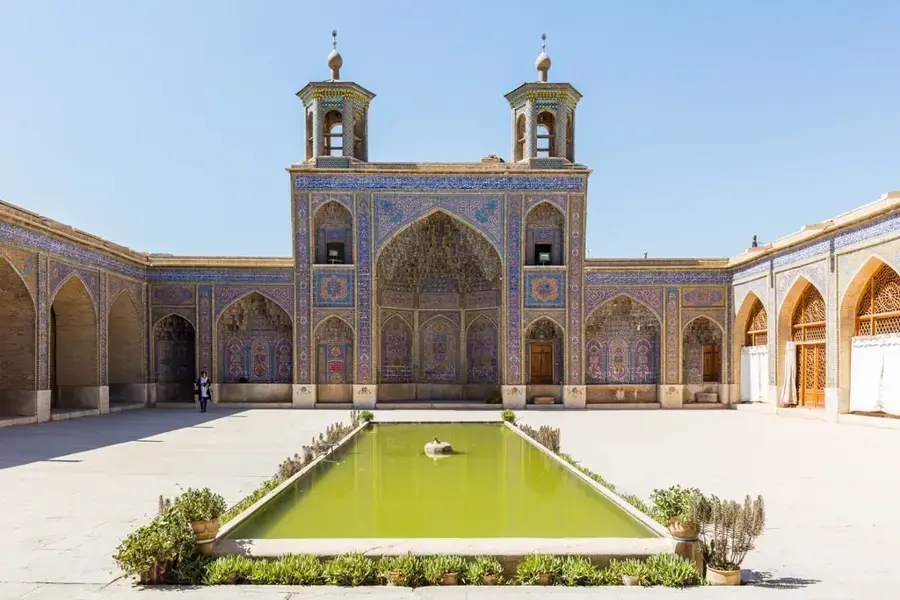
The Nasir al-Mulk Mosque in Shiraz, often referred to as the Pink Mosque, is one of the most photographed and aesthetically remarkable buildings in Iran. Constructed between 1876 and 1888 during the Qajar dynasty by order of Mirza Hasan Ali Nasir al-Mulk, it showcases exquisite artistic detail. The mosque's most famous feature is the extensive use of stained glass in the facade of the winter prayer hall. When the early morning sunlight filters through these windows, the interior is transformed into a kaleidoscope of colors that dance across the intricate Persian carpets and carved stone pillars. The interior walls are adorned with an unusually high number of pink-colored tiles, which earned the mosque its distinctive nickname. The architecture follows a traditional Persian layout, featuring two iwans and a central rectangular courtyard with a reflection pool. Beyond its visual brilliance, the mosque is a testament to the sophisticated craftsmanship of late 19th-century Persia, particularly evident in the highly detailed muqarnas vaulting on the ceilings.

Best time to visit & climate

The most pleasant time to visit is May, Sep, Oct.

JanFebMarAprMayJunJulAugSepOctNovDec
Avg °C461015212729282418116
Rain mm534141257454144049

📋 Practical info

🚪
Visiting
Visitors are warmly welcomed to gently explore the panoramic interior prayer halls and the elegantly decorated traditional exterior courtyards of this functioning religious site. Guests must respectfully adhere to the expected modest dress codes and gracefully remove their footwear before stepping onto the lush Persian carpets inside.
🕒
Typical hours
The extraordinary visual spectacle created by the sun is exclusively a morning phenomenon, meaning the complex typically opens quite early for enthusiastic visitors. Access to the main halls is generally briefly paused or thoughtfully restricted during the scheduled periods of formal daily community prayers.
📷
Photography
The magical interplay of morning sunlight and kaleidoscopic stained glass provides some of the most highly sought-after architectural photography opportunities in the world. Visitors are encouraged to capture these animated refractions respectfully, ensuring they do not disturb others deep in prayer or prolonged quiet reflection.
⏱️
Time needed
A truly rewarding visit normally lasts around one to two hours, giving you ample time to patiently observe the shifting light patterns slowly moving across the ornate floor columns. This generous timeframe also allows for a peaceful stroll around the beautiful central pool located in the main entrance courtyard.
Combine with
The prominent central location makes it highly convenient to explore other renowned historic sites, such as the magnificent Narenjestan Qavam garden, situated just a very short walk away. The bustling Vakil Bazaar is also located nearby, offering an exceptionally bustling atmosphere and wonderful traditional Persian shopping experiences.
🧭
Getting there
Found prominently in the historic heart of Shiraz, this glorious architectural masterpiece is very easily reached by utilizing local taxis from almost any major hotel accommodation in the city. The surrounding historic district is quite pedestrian-friendly, encouraging visitors to wander through the fascinating narrow neighborhood alleys.
💡
Insider tip
To fully experience the legendary, intensely colorful light projections at their absolute most dramatic, you should arrive precisely when the heavy wooden doors first open early in the morning. Securing a comfortable spot near the intricately decorated windows early will help you quietly avoid the inevitable rush of bustling tour groups later.

Geography

Coordinates
29.60830, 52.54860

Facts

  • Construction of the mosque took 12 years, spanning from 1876 to 1888.
  • The famous stained glass windows are located in the eastern prayer hall.
  • The peak time to witness the light show is between 8:00 AM and 10:00 AM.
  • The building was designed by the architect Muhammad Hasan-e-Memar.
  • The use of pink tiles is a rare feature in classical mosque architecture.
  • The structure has survived several earthquakes due to its flexible design techniques.

Explore nearby

Notable places around
Route planner — Car & Motorhome

Where do you start? We build the route here, with stops and country notes along the way.

Vehicle
Only stops with (optional):

© OpenStreetMap contributors · OpenRouteService

Sights in the town Nasir al-Mulk Mosque (8)

Tomb of Abesh Khatoon📍 landmark

The 13th-century mausoleum of the last Mongol queen of Shiraz.

Ghahr-o-Ashti Alley📍 landmark

An extremely narrow historic lane in the old town where passersby are forced to rub shoulders.

🕒 24/7

Naranjestan Museum🏛 museum

An archaeological museum located in the basement of the historic Qavam house.

Holy Defense Museum🏛 museum

A museum dedicated to the history and sacrifices of the Iran-Iraq War.

Natural History and Technology Museum🏛 museum

A university museum featuring exhibits on the region's flora, fauna, and geology.

Tomb of Sheikh Abu Zare📍 landmark

The historic tomb and shrine of a 10th-century mystic.

Adineh Khan Mosque⛪ religious

This historic Qajar-era mosque is known for its traditional brickwork and local significance.

Ghahramani Hammam🎡 recreation

A classic public bath whose architecture reflects the historical hygiene practices of the region.

Sights nearby

Frequently asked questions

When is the best time for photos?
Visit early in the morning (8:00 - 10:00 AM) when the sunlight streams through the stained-glass windows.
Is there a dress code?
Women are required to wear a chador, which can often be borrowed for free at the entrance.
Why is it called the 'Pink Mosque'?
The name comes from the many pink-colored tiles used in its interior and exterior decoration.
Is the mosque still active?
It is primarily used as a museum and monument but is fully accessible to visitors.
Are tripods allowed inside?
Tripods are often forbidden to avoid blocking the flow of visitors. Check at the entrance.
Nasir al-Mulk Mosque: where is it located?
Nasir al-Mulk Mosque is located in Iran.
Nasir al-Mulk Mosque: what is there to see?
Highlights include Tomb of Abesh Khatoon, Ghahr-o-Ashti Alley, Naranjestan Museum.
Nasir al-Mulk Mosque: when is the best time to visit?
The most pleasant time to visit is May, Sep, Oct.
Nasir al-Mulk Mosque: why is it worth visiting?

The Nasir al-Mulk Mosque in Shiraz, often referred to as the Pink Mosque, is one of the most photographed and aesthetically remarkable buildings in Iran.
View on map → The Top 50 Attractions → OpenStreetMap →
Asia
Explore with Plizio Discover more places in Asia
More places in Iran →

Nearby cities

History & landmarks
Nature
More places