Plizio Visual Lab

Zard-Kuh
Plizio editorial teamData Sources
Mountain
—°1
Zard-Kuh (Iran)

Weather…

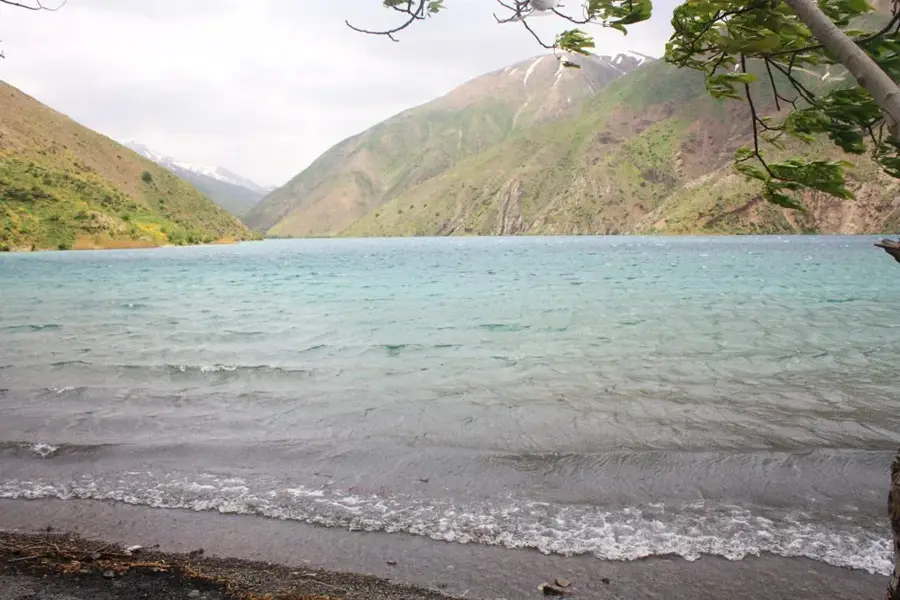
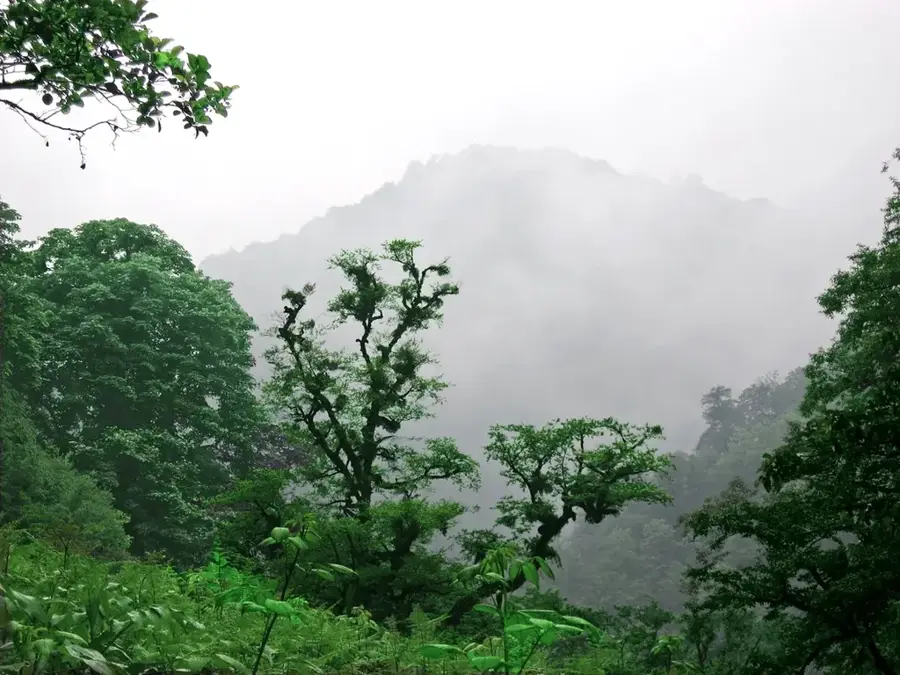
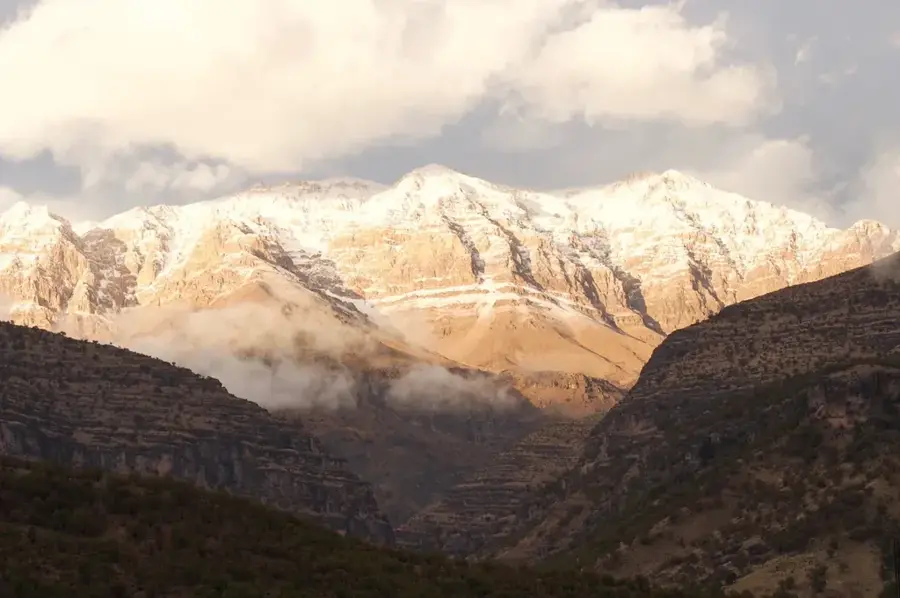
Zard-Kuh, whose name translates to Yellow Mountain in Persian, is an imposing peak in the central section of the massive Zagros mountain range, representing one of the most vital hydrological lifelines of Iran. The name of the massif is derived from its massive yellowish limestone rocks, which acquire a spectacularly radiant hue under the setting sunlight. The deep valleys and extremely steep slopes capture massive quantities of winter precipitation, feeding huge firn fields and permanent glaciers. These high-altitude natural reservoirs of ice and water serve as the primary source for the Karun, Iran's most voluminous river, as well as the Zayandeh Rud, which flows through the historic city of Isfahan. Additionally, the territory serves as an essential summer pasture for the nomads of the Bakhtiari tribes, who guide their herds through the treacherous mountain passes each year.

Best time to visit & climate

The most pleasant time to visit is Jun, Aug, Sep.

JanFebMarAprMayJunJulAugSepOctNovDec
Avg °C-204814212423191350
Rain mm39324347154311144247

📋 Practical info

🧭
Getting there
Zard-Kuh is best accessed via the town of Chelgerd in Chaharmahal and Bakhtiari Province, which serves as the gateway to this part of the Zagros Mountains. From there, mountain roads lead closer to the base of the massif, though the final stage to high camps is often only possible on foot or with the help of pack animals.
📅
Best season
The best time for climbing and trekking is from late spring to early autumn, when the extreme winter snow masses have largely melted away. In winter, the region turns into a major skiing destination, but for hikers, trails are mostly impassable then due to deep snow cover and avalanche risks.
⛰️
Terrain & paths
The terrain is high-alpine and demanding, characterized by steep limestone walls, sharp ridges, and permanent snowfields in the peak regions. Hikers should expect technically difficult sections and significant elevation gains, while the lower slopes are often used as grazing land by nomadic Bakhtiari tribes.
🎒
What to bring
For a trip to the summit, full high-altitude mountaineering gear is required, including crampon-compatible boots, warm technical clothing, and protection against extreme weather shifts. As there is minimal infrastructure at higher elevations, tents, stoves, and all supplies for the duration of the expedition must be carried in.
🅿️
Parking
Vehicles can be safely left in Chelgerd in public areas or at local accommodations before heading into the mountains. At the direct trailheads at the foot of the range, there are often only informal parking options on unpaved ground, which are usually sufficient for day visitors.
⚠️
Safety
The altitude poses a significant physical demand, so good physical fitness and proper acclimatization are absolutely necessary to avoid health issues. Additionally, do not underestimate the difficulty of navigation in the vast range; ideally, you should travel with experienced mountain guides or precise GPS data.
⏱️
Time needed
For a climb of Zard-Kuh, you should plan for at least 3 to 4 days, including travel and acclimatization, to reach the summit safely. Shorter treks into the lower mountain regions or to the glacial sources of the Karun River are possible as demanding day trips from Chelgerd.

Geography

Coordinates
32.36000, 50.06000

Facts

  • With an altitude of 4,221 meters, Zard-Kuh is the second highest peak in the entire Zagros mountain range.
  • The region shelters the largest surviving population of wild goats in the central Zagros mountains.
  • Meltwater from the mountain feeds the Kuhrang Tunnel, a major water engineering project completed in 1953.
  • The surrounding mountain ranges consist predominantly of thick marine limestone layers dating from the Cretaceous period.
  • The massif houses the Ill Glacier, one of the very few rare subtropical glaciers existing in the Middle East.
  • Annual precipitation at higher elevations can exceptionally exceed the remarkable mark of 1,500 millimeters.

Explore nearby

Notable places around

Route planner — Car & Motorhome

Where do you start? We build the route here, with stops and country notes along the way.

Vehicle
Only stops with (optional):

© OpenStreetMap contributors · OpenRouteService

Sights in the town Zard-Kuh (1)

Zard Kuh🌿 nature

The highest peak of the Zagros mountain range, known for its permanent glaciers.

Sights nearby

Frequently asked questions

Is Zard-Kuh snow-covered all year?
Yes, many peaks in the Zard-Kuh massif still have snowfields even in midsummer.
What makes the massif special?
It is one of Iran's most important water sources and known for its rugged, untouched alpine nature.
Is the area hiker-friendly?
Only for experienced hikers; the terrain is very steep and technically demanding.
Is there infrastructure there?
No, it is a remote wilderness area with no significant tourist facilities.
How to get there?
Access is usually via the town of Kuhrang, which serves as a base for expeditions.
Zard-Kuh: where is it located?
Zard-Kuh is located in Iran.
Zard-Kuh: when is the best time to visit?
The most pleasant time to visit is Jun, Aug, Sep.
Zard-Kuh: why is it worth visiting?
Zard-Kuh, whose name translates to Yellow Mountain in Persian, is an imposing peak in the central section of the massive Zagros mountain range, representing one of the most vital hydrological lifelines of Iran.
View on map → The Top 50 Attractions → OpenStreetMap →
Asia
Explore with Plizio Discover more places in Asia
More places in Iran →

History & landmarks

Nature

More places