Plizio Visual Lab

Persepolis
Plizio editorial teamData Sources
ruin
—°5
Persepolis (Iran)

Weather…

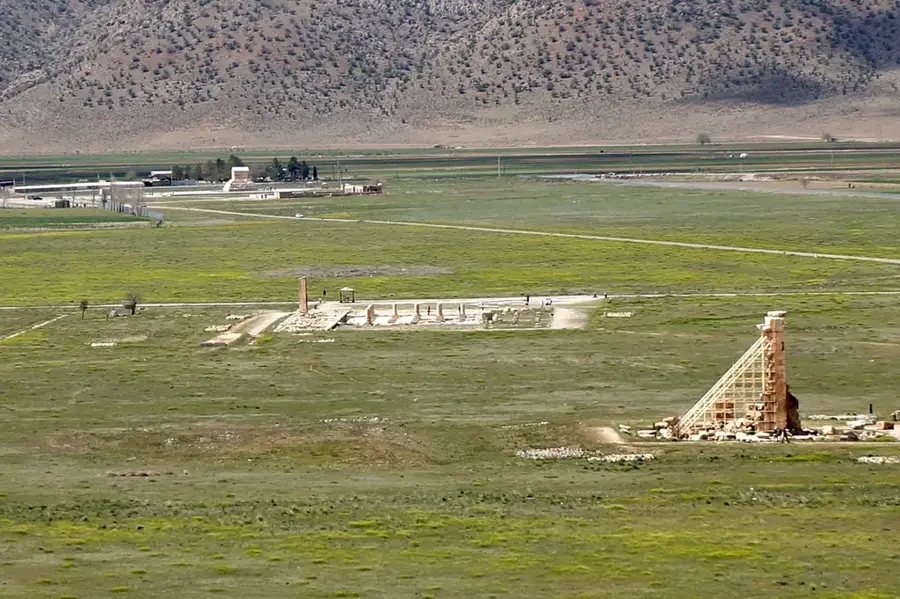
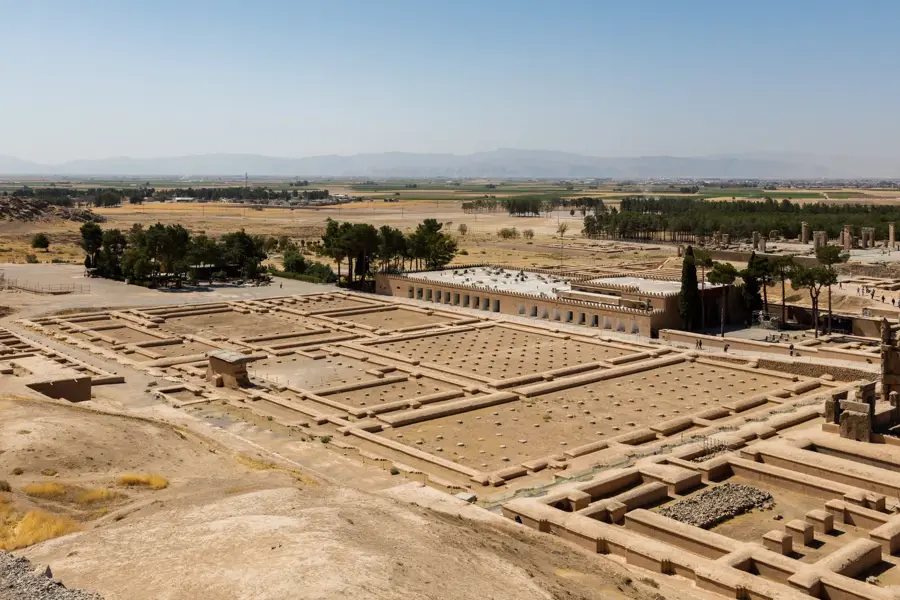
Persepolis was the magnificent ceremonial capital of the vast Achaemenid Empire, founded by Darius I around 518 BC in present-day southern Iran. This monumental city, whose name means "City of Persians" in Greek, served as a showcase for the immeasurable power and wealth of the empire. The ruins rise on a massive, artificial terrace at the foot of Mount Kuh-e Rahmat. Impressive palaces such as the Apadana, giant columned halls, and artistic reliefs depicting delegations from all corners of the empire bear witness to the architectural genius of the ancient builders. However, in 330 BC, the complex was captured and partially burned by the troops of Alexander the Great, marking the end of a great era.

Best time to visit & climate

The most pleasant time to visit is May, Sep, Oct.

JanFebMarAprMayJunJulAugSepOctNovDec
Avg °C35914212628272318105
Rain mm473838268343143542

📋 Practical info

🚪
Visiting
Visitors can walk up the monumental staircase to explore the vast elevated terrace, which is entirely out in the open. You can freely wander among the colossal standing columns, intricate stone bas-reliefs, and ruined palaces of the ceremonial capital.
🕒
Typical hours
The site generally operates from early morning until late afternoon or early evening, functioning continuously throughout the day. Spring and autumn are the best seasons to visit, as the intense summer sun can be exceptionally harsh on the unshaded stone terrace.
📷
Photography
Photography is highly welcomed, and the site is a paradise for capturing ancient architectural details and the iconic Apadana staircases. Tripods and professional equipment might require special permission, so it is usually best to stick to handheld cameras.
⏱️
Time needed
Exploring the main terrace, reading the informational plaques, and walking up to the rock tombs on the hillside typically requires three to four hours. Deep history enthusiasts often spend at least half a day just absorbing the immense scale and detail of the ruins.
Combine with
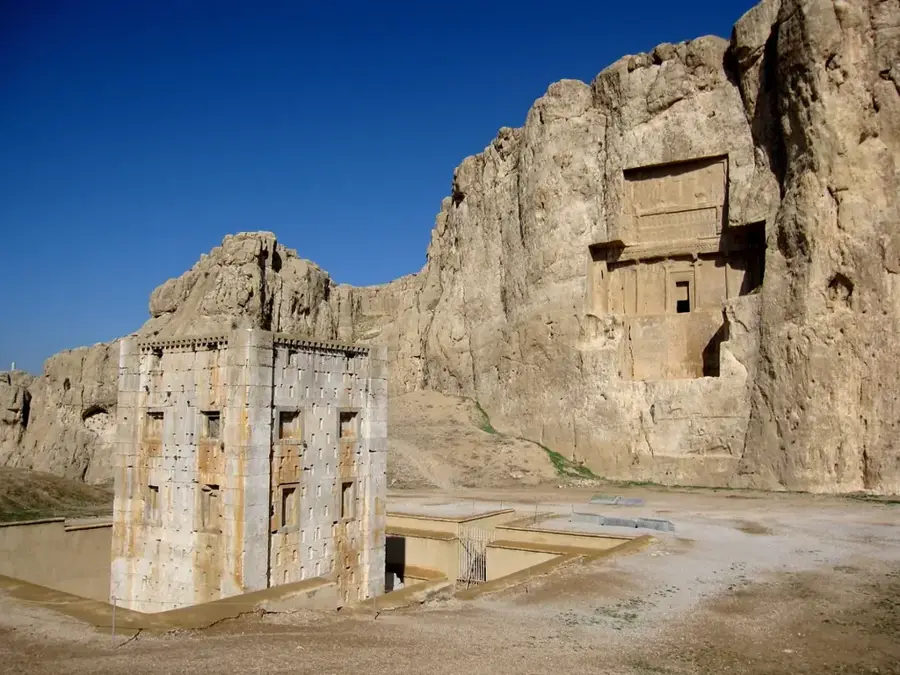
A visit is almost always paired with the nearby Naqsh-e Rostam, an impressive rock-hewn necropolis located just a few kilometers away. Naqsh-e Rajab, another site featuring significant Sassanid rock reliefs, is also directly on the route to the main complex.
🧭
Getting there
The ruins are located just off a major highway, roughly a one-hour drive northeast of modern Shiraz. Most international travelers arrive via pre-arranged private drivers, organized group tour buses, or standard local taxis hired for a comfortable half-day excursion.
💡
Insider tip
The lower afternoon sun beautifully highlights the intricate details of the bas-reliefs, making it a great time for photography, though the heat can be intense. Carrying an umbrella for personal shade and wearing sturdy walking shoes are highly recommended here.

Geography

Coordinates
29.93600, 52.89060

Facts

  • Founded by Darius I in the year 518 BC
  • The terrace covers an area of approximately 125,000 square meters
  • The Apadana Palace could accommodate up to 10,000 guests
  • Destroyed by Alexander the Great in the year 330 BC
  • The columns of the Apadana were originally up to 20 meters high
  • Designated as a UNESCO World Heritage Site in 1979

Explore nearby

Notable places around
Route planner — Car & Motorhome

Where do you start? We build the route here, with stops and country notes along the way.

Vehicle
Only stops with (optional):

© OpenStreetMap contributors · OpenRouteService

Sights in the town Persepolis (5)

Museum of Persepolis🏛 museum

A museum located among the ancient ruins of Persepolis that exhibits historical artifacts from the Achaemenid era.

Tomb of Artaxerxes III.📍 landmark

An ancient rock-cut tomb that overlooks the monumental ruins of Persepolis.

Persepolis📍 landmark

A UNESCO World Heritage ruin site that once served as the ceremonial capital of the Achaemenid Empire.

Tall-e Bakun A🏺 historical

A prehistoric archaeological excavation site near Persepolis renowned for its painted pottery.

Tall-e Bakun B🏺 historical

An ancient excavation area located in the immediate vicinity of the historical Persepolis complex.

Sights nearby

Frequently asked questions

How much is the entrance fee?
Entrance for foreign visitors is approximately 1,000,000 IRR. Tickets should be purchased at the entrance counter.
When does Persepolis open?
The site is open daily from 8:00 AM to 5:30 PM (often until 7:00 PM in summer).
Is photography allowed on site?
Yes, private photography is allowed, but using tripods and professional equipment requires a special permit.
How much time should I plan for?
You should plan at least 3 to 4 hours to visit the vast site and the museum at a relaxed pace.
Is the ruin site accessible?
Only partially. There are wooden walkways, but many areas have stairs and uneven ground, making it difficult for wheelchairs.
Persepolis: where is it located?
Persepolis is located in Iran.
Persepolis: what is there to see?
Highlights include Museum of Persepolis, Tomb of Artaxerxes III., Persepolis.
Persepolis: when is the best time to visit?
The most pleasant time to visit is May, Sep, Oct.
Persepolis: why is it worth visiting?
Persepolis was the magnificent ceremonial capital of the vast Achaemenid Empire, founded by Darius I around 518 BC in present-day southern Iran.
View on map → The Top 50 Attractions → OpenStreetMap →
Asia
Explore with Plizio Discover more places in Asia
More places in Iran →

More places