Plizio Visual Lab
Mount Damavand
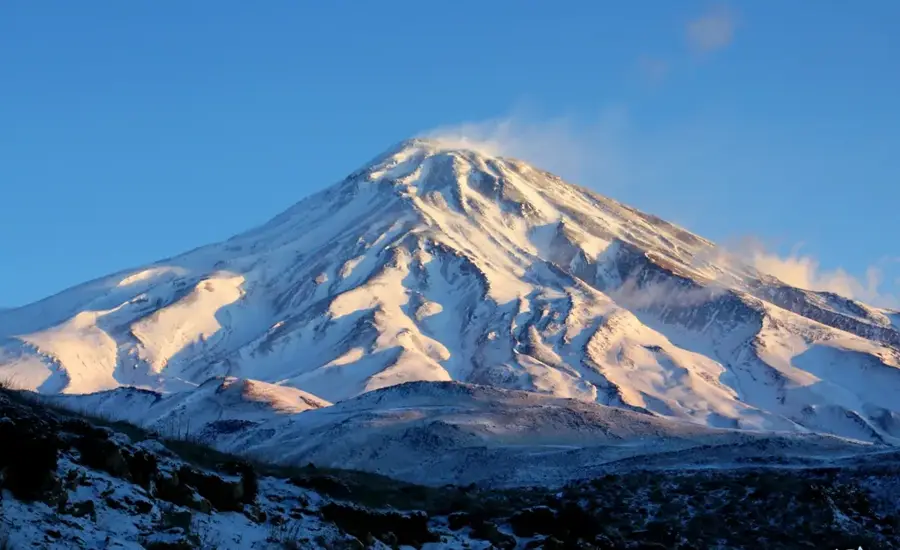
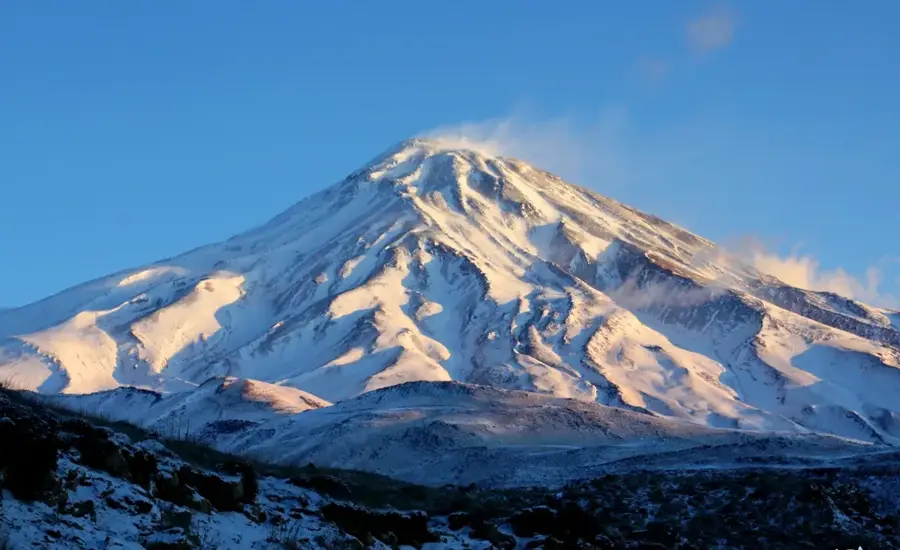
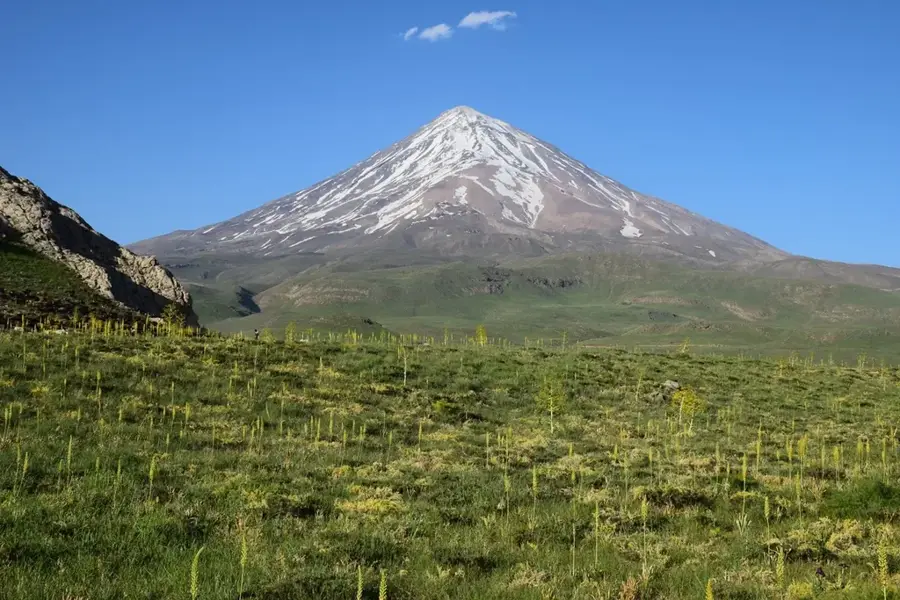
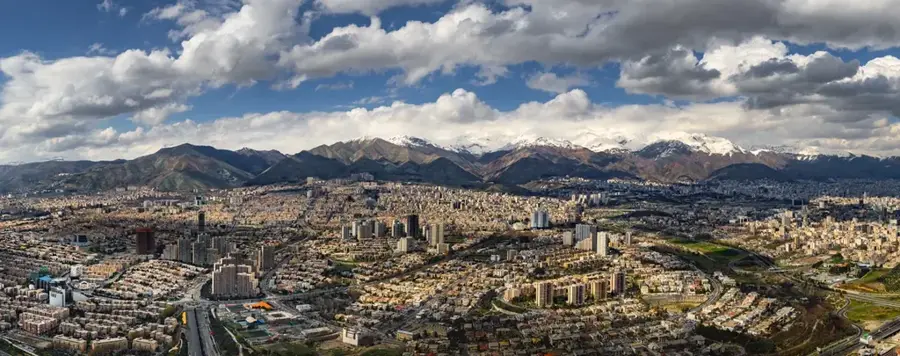
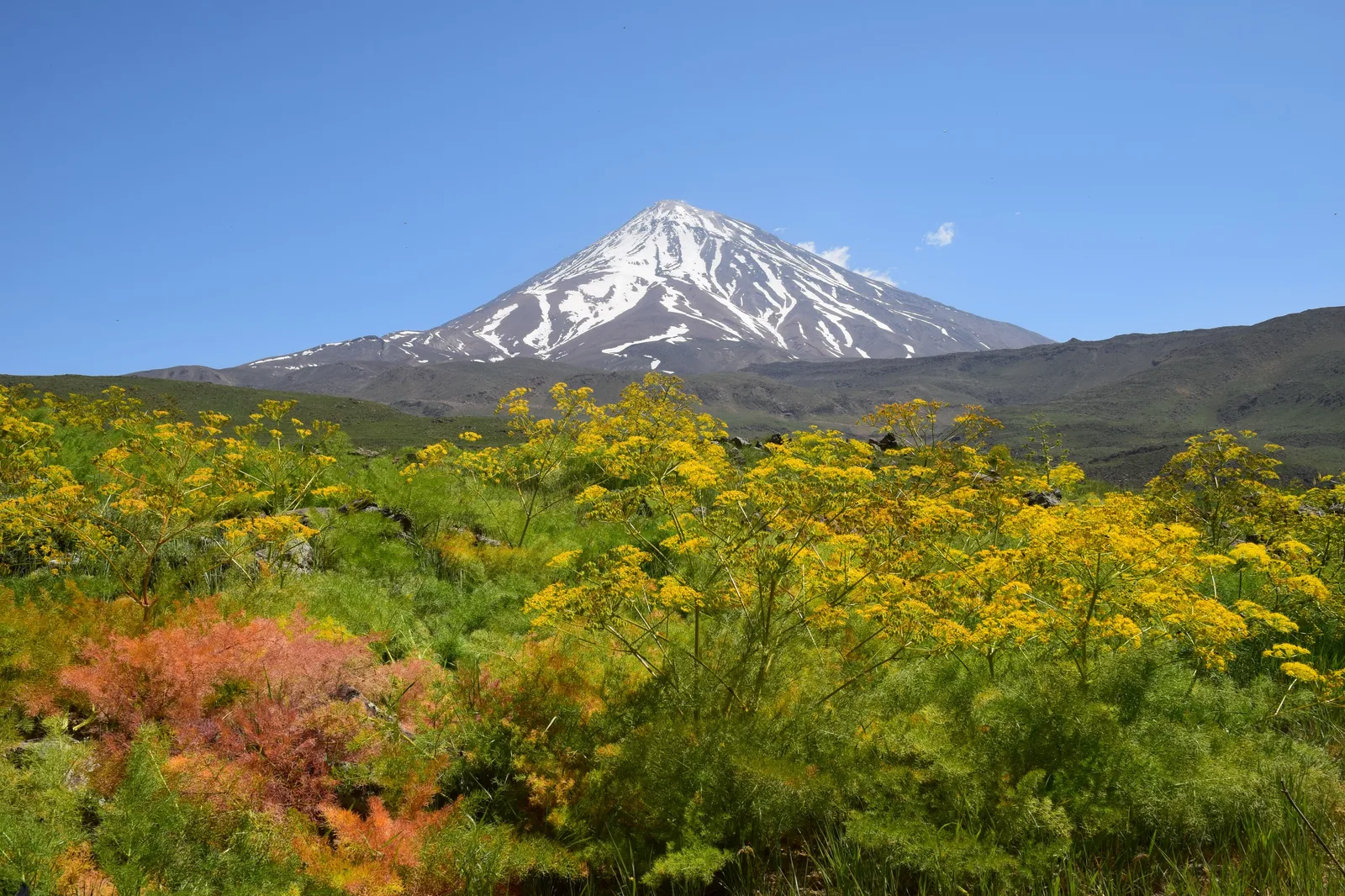
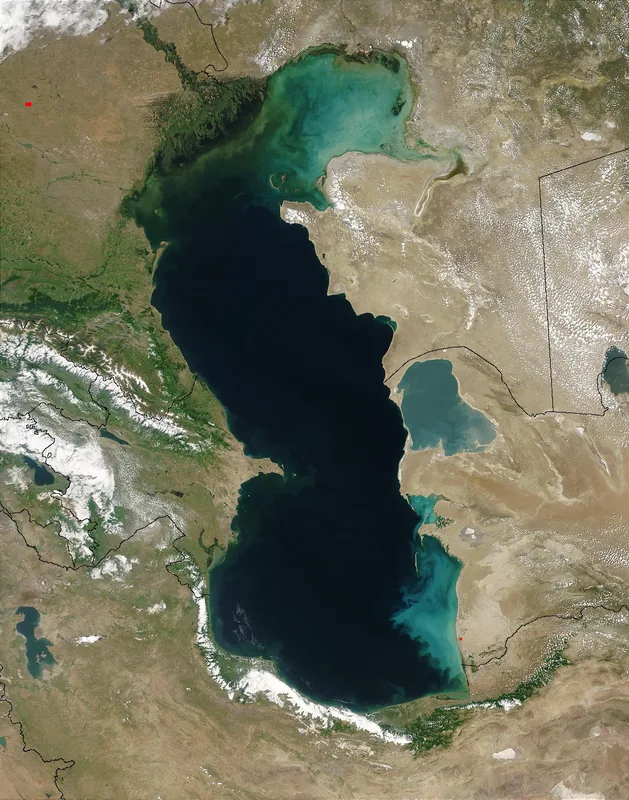
Mount Damavand is not only the highest peak in Iran and the Middle East but also a prominent, snow-capped stratovolcano in the Alborz Mountains, dominating the landscape north of Tehran. Its first-rate cone shape rises majestically from the surrounding mountainous terrain and has fascinated locals and travelers for millennia. In Persian mythology and poetry, the dormant volcano plays a central role and is considered a symbol of Iranian resistance. Climbing the peak presents a rewarding challenge and on clear days features sweeping views stretching as far as the Caspian Sea. On the slopes of the mountain, hot thermal springs emerge, bearing witness to residual volcanic activity and serving therapeutic purposes. The alpine flora and fauna are unique, protecting rare endemic species in an otherwise harsh environment.
- Location: Iran
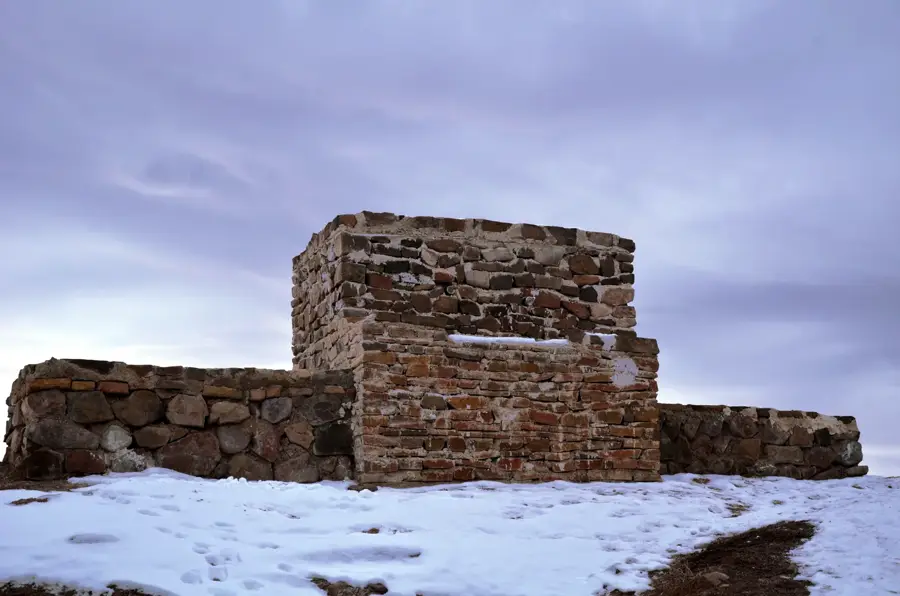
- Top sights: Damavand Peak National Natural Heritage · Sahebazzaman Mosque
- Nearby: Larijan (7 km)
Best time to visit & climate
The most pleasant time to visit is Jun–Aug.
| Jan | Feb | Mar | Apr | May | Jun | Jul | Aug | Sep | Oct | Nov | Dec | |
|---|---|---|---|---|---|---|---|---|---|---|---|---|
| Avg °C | -5 | -3 | 2 | 7 | 13 | 18 | 20 | 19 | 15 | 9 | 1 | -3 |
| Rain mm | 53 | 50 | 48 | 39 | 15 | 14 | 20 | 24 | 49 | 79 | 85 | 56 |
📋 Practical info
Geography
Facts
- The majestic volcanic cone reaches an impressive height of 5,609 meters above sea level.
- The last known volcanic eruption of Mount Damavand is estimated to have occurred around 7,300 years ago.
- In 2008, the mountain was registered as Iran's first natural monument on the national heritage list.
- Highly sulfurous fumaroles are located on the upper slopes at an altitude of over 4,000 meters.
- The southern route is considered the most popular and best-equipped ascent path for mountaineers.
- An image of Mount Damavand decorates the back of the official Iranian 10,000-rial banknote.
Explore nearby
Notable places around
Route planner — Car & Motorhome
Where do you start? We build the route here, with stops and country notes along the way.
© OpenStreetMap contributors · OpenRouteService
Sights in the town Mount Damavand (2)
Sights nearby
Frequently asked questions
Is Mount Damavand difficult to climb?
Do you need a guide?
What is the best season?
What equipment is necessary?
Can you stay overnight there?
Mount Damavand: where is it located?
Mount Damavand: what is there to see?
Mount Damavand: when is the best time to visit?
Mount Damavand: why is it worth visiting?

Nearby cities

History & landmarks
Nature
More places