Plizio Visual Lab
Tougué
ℹ️Practical info — Tougué
▾
🌤 Weather — 5 days
📍 Nearby
Sights nearby
💡 Tips
- The weekly market is the best place to experience the local livestock and grain trade.
- Bring cash (Guinean Francs) in small denominations.
- The highlands can get cool in the evenings, so pack a light jacket.
- Hiring a local guide or driver is recommended for exploring the surrounding Fouta Djallon landscape.
🍽 Food
A traditional Fouta Djallon staple, best found at small local eateries near the market.
Try the freshly grilled skewers sold by street vendors in the evening.
Buy them in season directly from the farmers at the grain market.
🛍 Shopping · 🧘 Quiet spots
The center for grain, local textiles, and traditional crafts.
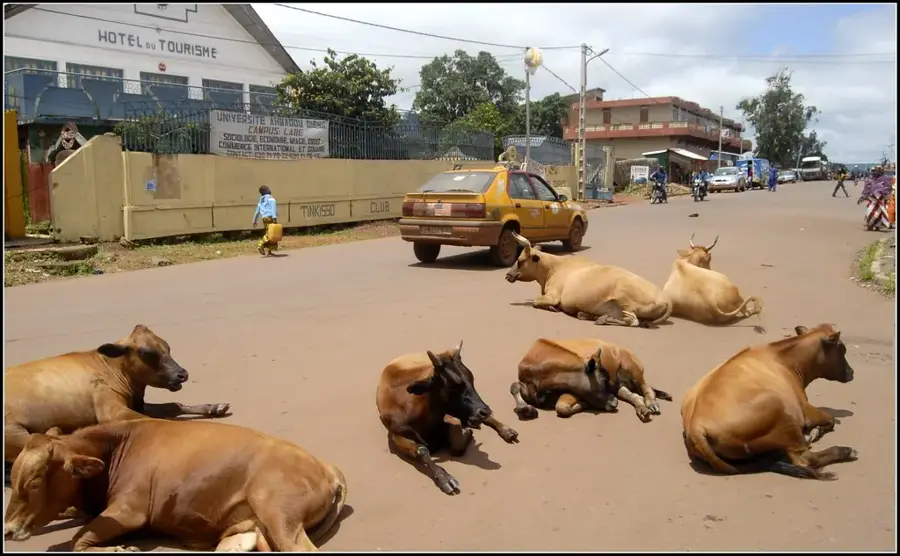
A bustling area to witness the traditional cattle trade.
Take a walk outside the town center for panoramic views of the hills.
Usually a peaceful spot to sit and observe daily life.
Water temperature…
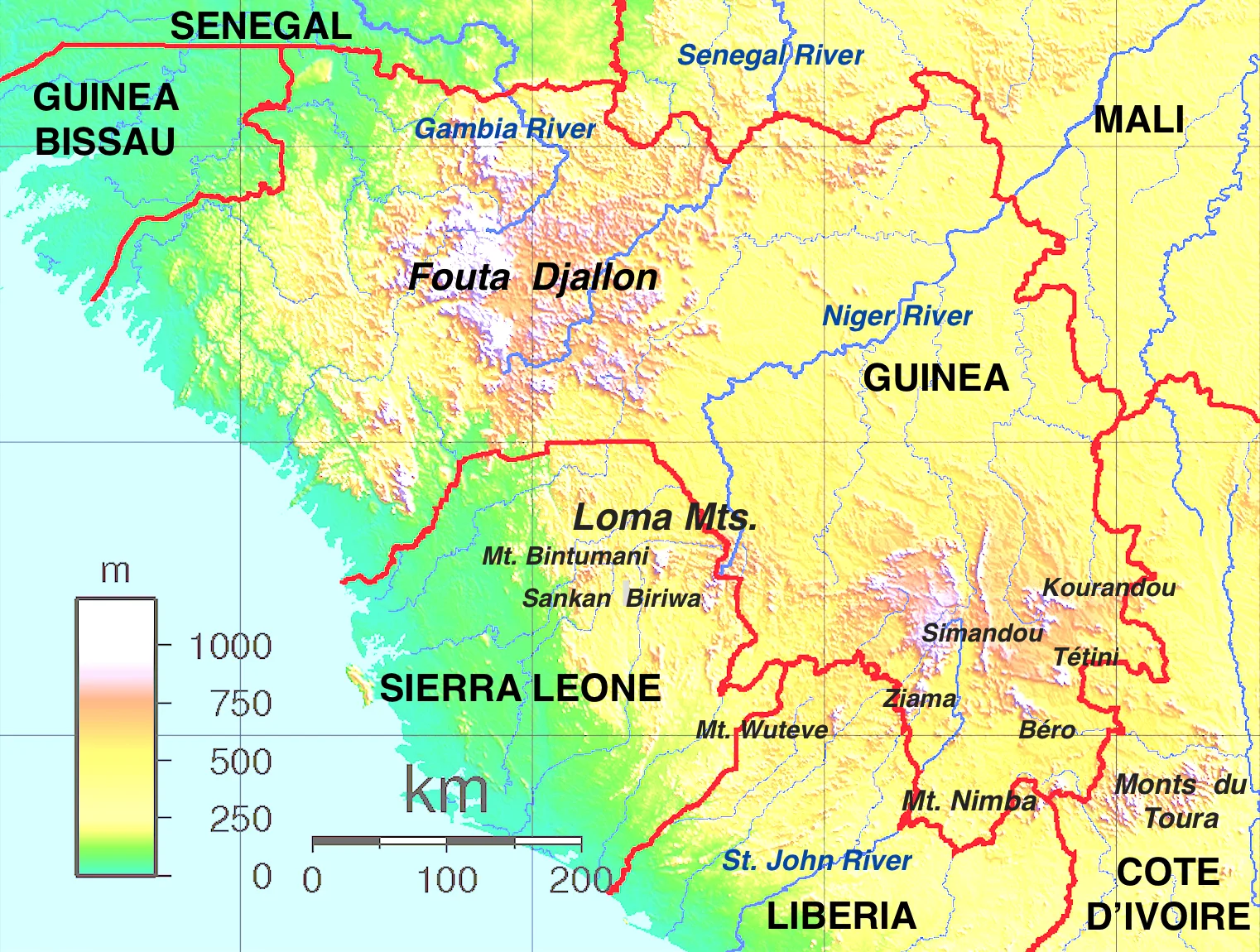
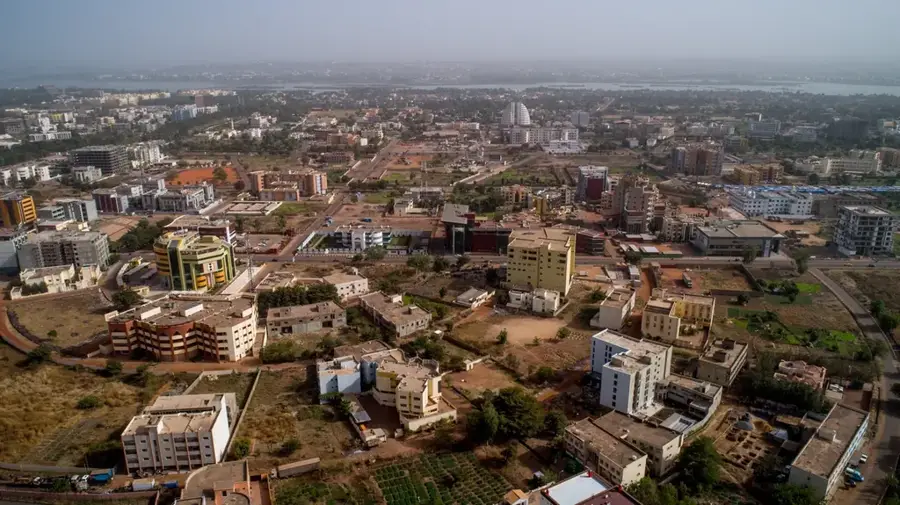
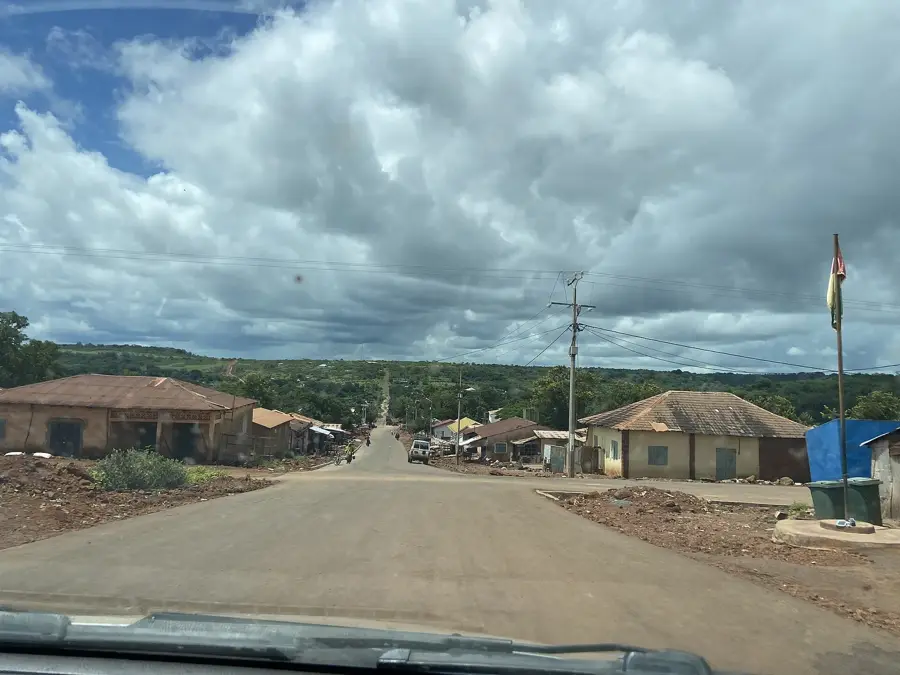
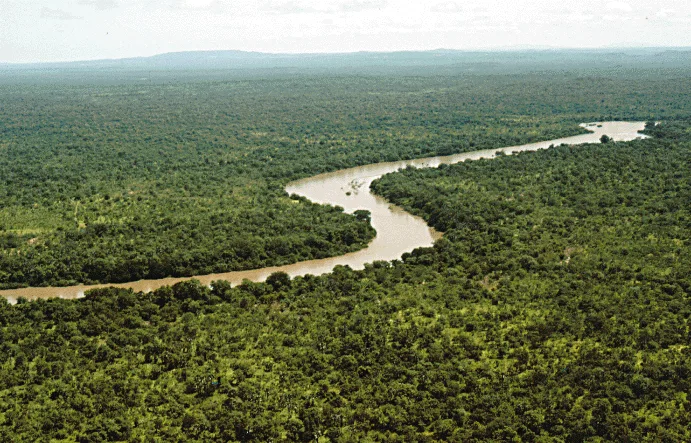
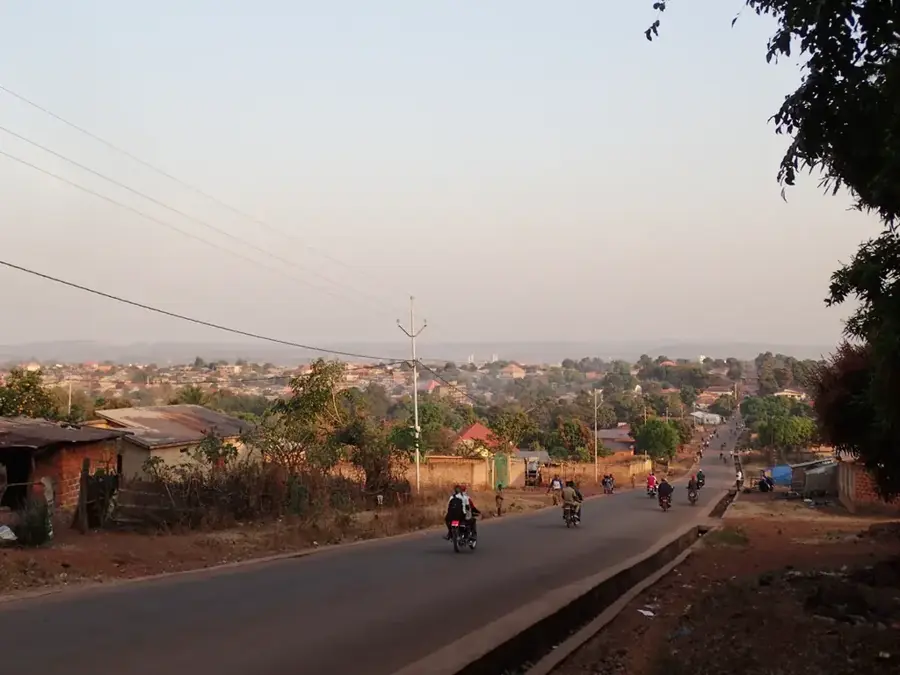
Tougué is located in the north-central part of Guinea, at the transition point between the Fouta Djallon highlands and the lower plains. As the capital of the Tougué Prefecture, the town serves as a key administrative and commercial hub in a region known for its rugged beauty and untapped natural resources. Geographically, the area is defined by rocky plateaus and vast wooded savannas. Tougué's economy is traditionally based on livestock rearing and agriculture, with the region being particularly famous for its high-quality honey production and N'Dama cattle breeding. In the fertile valleys, grains and peanuts are the staple crops. In recent years, Tougué has gained strategic importance due to its massive, untapped bauxite deposits, marking the region as a critical future frontier for the Guinean mining industry. Culturally, the town is deeply rooted in Fula traditions, and the local markets are bustling centers of exchange for traditional crafts and agricultural products.
- Location: Guinea
- Nearby: Koubia (28 km)
- Population: ~25.531 (2015)
Best time to visit & climate
The most pleasant time to visit is Jan, Nov, Dec.
| Jan | Feb | Mar | Apr | May | Jun | Jul | Aug | Sep | Oct | Nov | Dec | |
|---|---|---|---|---|---|---|---|---|---|---|---|---|
| Avg °C | 24 | 27 | 29 | 31 | 30 | 27 | 25 | 24 | 24 | 25 | 24 | 23 |
| Rain mm | 1 | 2 | 3 | 17 | 79 | 158 | 276 | 412 | 259 | 94 | 12 | 0 |
Geography
Facts
- Tougué is famous throughout Guinea for its high-quality natural honey production.
- The prefecture contains some of the largest unexploited bauxite reserves in the country.
- The town serves as a major market for N'Dama cattle, known for their disease resistance.
- It is located on a geographic transition zone between mountain and savanna ecosystems.
- The region is known for its traditional blacksmiths and leatherworkers.
- Tougué is a center for the preservation of Fula oral traditions and folklore.
Explore nearby
Notable places around


Route planner — Car & Motorhome
Where do you start? We build the route here, with stops and country notes along the way.
© OpenStreetMap contributors · OpenRouteService
Sights in the town Tougué (1)
Frequently asked questions
Where is Tougué located?
What raw materials are found there?
What is the main language?
What is the infrastructure like?
Are there forest areas there?
Tougué: where is it located?
Tougué: when is the best time to visit?
Tougué: why is it worth visiting?

Nearby cities



History & landmarks
Nature
More places