Plizio Visual Lab
Labé
ℹ️Practical info — Labé
▾
🌤 Weather — 5 days
📍 Nearby
Sights nearby
💡 Tips
- Dress modestly to respect the predominantly Islamic culture of the region.
- Hire a local guide to safely explore the impressive waterfalls and hiking trails of the Fouta Djallon.
- Carry enough cash in Guinean Francs, as ATMs can be unreliable and cards are rarely accepted.
- Learn a simple greeting in Pular (like 'Jarama') to instantly connect with the friendly locals.
- The climate here is cooler than the coast, so bring a light jacket for the evenings.
🍽 Food
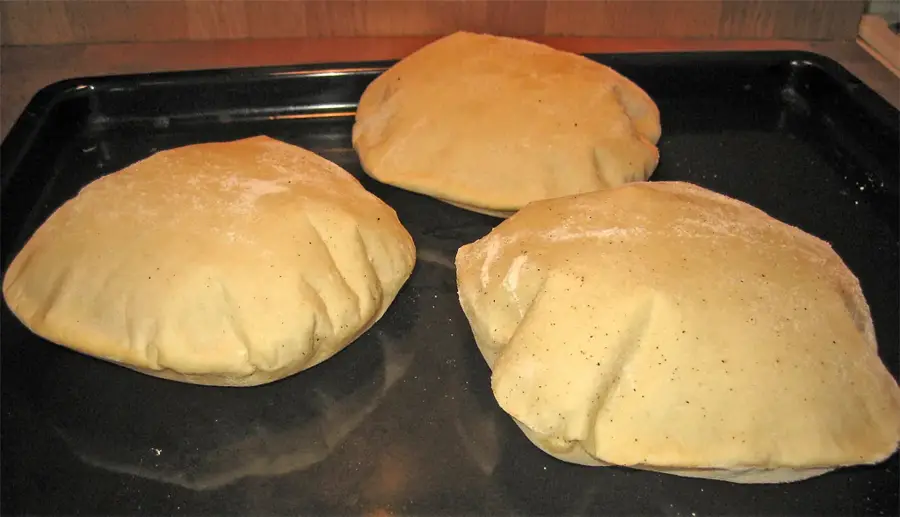
A traditional dish made of fonio or rice served with an okra and eggplant sauce, widely available in local cantines.
Grab these grilled meat skewers from street vendors in the evening for a cheap and tasty meal.
Ask around for locally harvested wild honey, known for its rich and distinct flavor.
🛍 Shopping · 🧘 Quiet spots
Explore the central market to find beautiful handmade leather goods like sandals and bags.
Look for fabrics traditionally dyed with natural indigo, a specialty of local artisans.
Take a trip just outside the city to hear the roar of these impressive, natural falls.
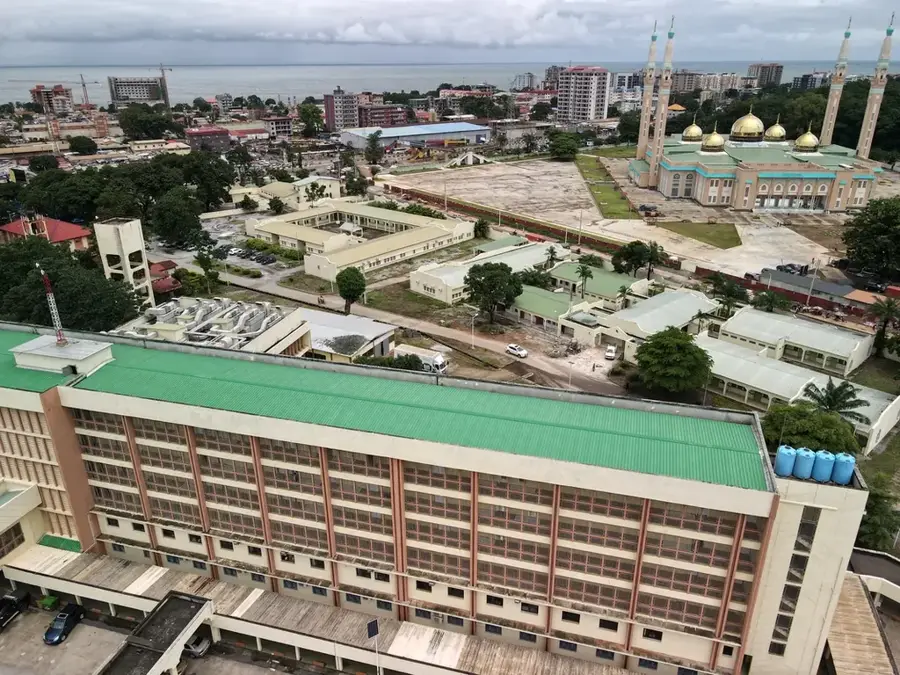
Outside of prayer times, the exterior surroundings of the mosque offer a quiet place for reflection.
Water temperature…
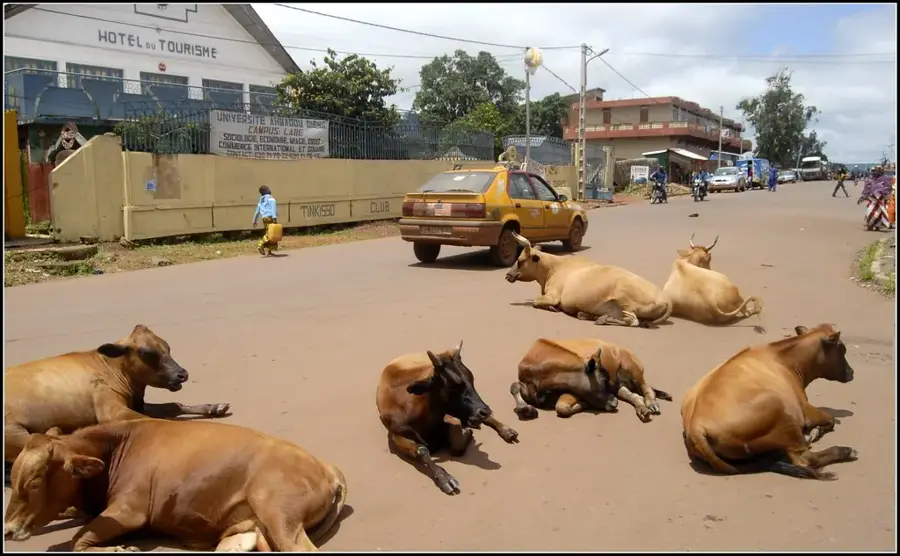
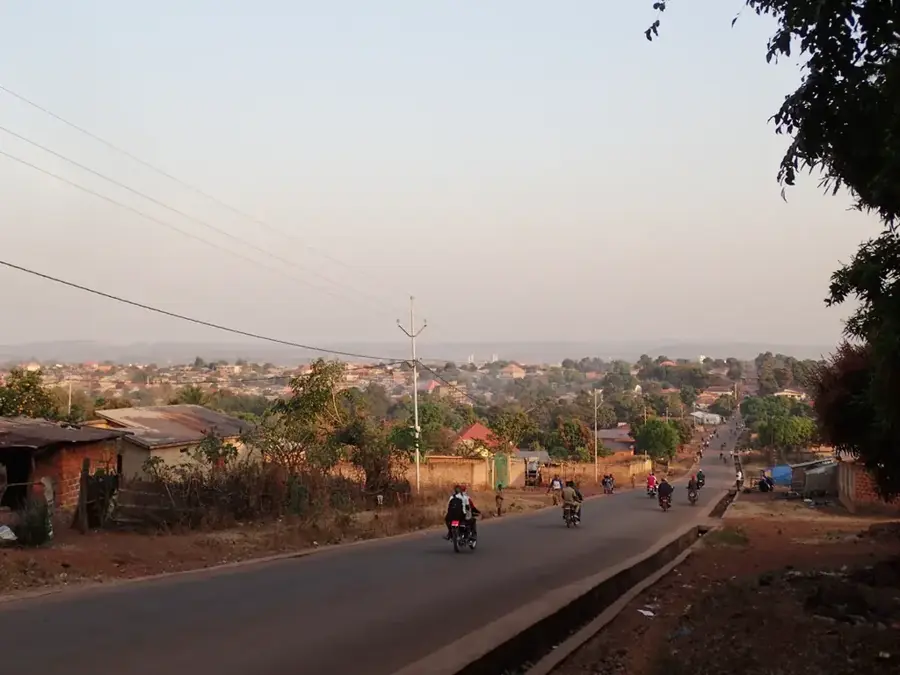
Labé is one of the most significant cities in Guinea's interior, serving as the cultural, religious, and political heart of the Fouta Djallon highlands. Positioned at an altitude of approximately 1,000 meters, the city enjoys a cooler and more temperate climate than the humid coastal regions. Historically, Labé was a major center of the Imamate of Fouta Djallon, established in the 18th century by the Fula (Peul) people, and it continues to be a bastion of Islamic learning and Fula heritage. The local economy is driven by agriculture and livestock, with the region being a primary producer of potatoes and onions for the national market. Labé's central market is renowned for its traditional crafts, particularly indigo-dyed fabrics and leather goods. The city also serves as a strategic transportation hub with its own airport, facilitating trade links with Senegal and Mali. Surrounded by the dramatic landscapes of the Fouta Djallon, including plateaus and waterfalls, Labé is an important center for both regional commerce and emerging ecotourism.
- Location: Guinea
- Nearby: Popodara (16 km)
- Population: ~107.571 (2023)
Best time to visit & climate
The most pleasant time to visit is Jan, Nov, Dec.
| Jan | Feb | Mar | Apr | May | Jun | Jul | Aug | Sep | Oct | Nov | Dec | |
|---|---|---|---|---|---|---|---|---|---|---|---|---|
| Avg °C | 24 | 26 | 28 | 29 | 27 | 25 | 23 | 22 | 22 | 23 | 22 | 23 |
| Rain mm | 1 | 1 | 3 | 17 | 98 | 205 | 403 | 535 | 327 | 121 | 16 | 0 |
Geography
Facts
- Labé is situated at an average elevation of 1,024 meters.
- The city was founded in 1725 by the religious leader Karamoko Alpha.
- It is located approximately 440 kilometers from the capital, Conakry.
- Labé is the chief commercial center for the Fouta Djallon region.
- The area is famous for the production of high-quality onions and potatoes.
- Labé Airport features a runway of approximately 2,100 meters in length.
Explore nearby
Notable places around

Route planner — Car & Motorhome
Where do you start? We build the route here, with stops and country notes along the way.
© OpenStreetMap contributors · OpenRouteService
Frequently asked questions
What makes Labé a special place in Guinea?
Can you go on hiking tours from Labé?
What is the most famous local craft?
How is the temperature in Labé compared to Conakry?
When does the weekly market in Labé take place?
Labé: where is it located?
Labé: when is the best time to visit?
Labé: why is it worth visiting?

Nearby cities
History & landmarks
Nature
More places