Plizio Visual Lab
Diari
ℹ️Practical info — Diari
▾
🌤 Weather — 5 days
📍 Nearby
Sights nearby
💡 Tips
- Dress conservatively out of respect for the town's strong Islamic traditions and religious significance.
- The climate in the Fouta Djallon highlands is noticeably cooler; bring a light jacket for the evenings.
- Always ask for permission before taking photos of religious schools, students, or local elders.
- The highland roads can be very rugged; expect slow travel times if arriving from Labé.
- Keep your voice down and maintain a respectful demeanor near prayer sites and Quranic schools.
🍽 Food
Rice served with a savory okra sauce and soumbara (fermented seeds), a popular local breakfast.
An ancient, nutty grain native to the region, typically served with a rich peanut sauce.
Freshly baked baguette-like bread, especially delicious when paired with local Fouta Djallon honey.
🛍 Shopping · 🧘 Quiet spots
Look for the traditional hand-dyed indigo cotton fabrics characteristic of the Fulani people.
The highland honey is famous throughout Guinea for its high quality and unique taste.
The rolling hills surrounding the town offer endless, peaceful walking paths through nature.
Sitting quietly near the religious schools at twilight to hear the soft studying chants is very calming.
Water temperature…
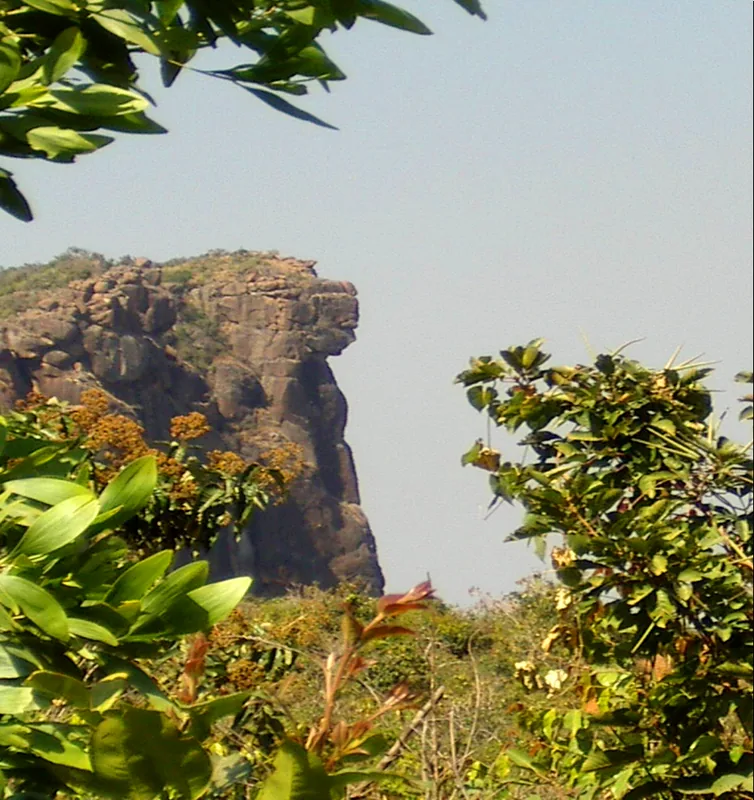
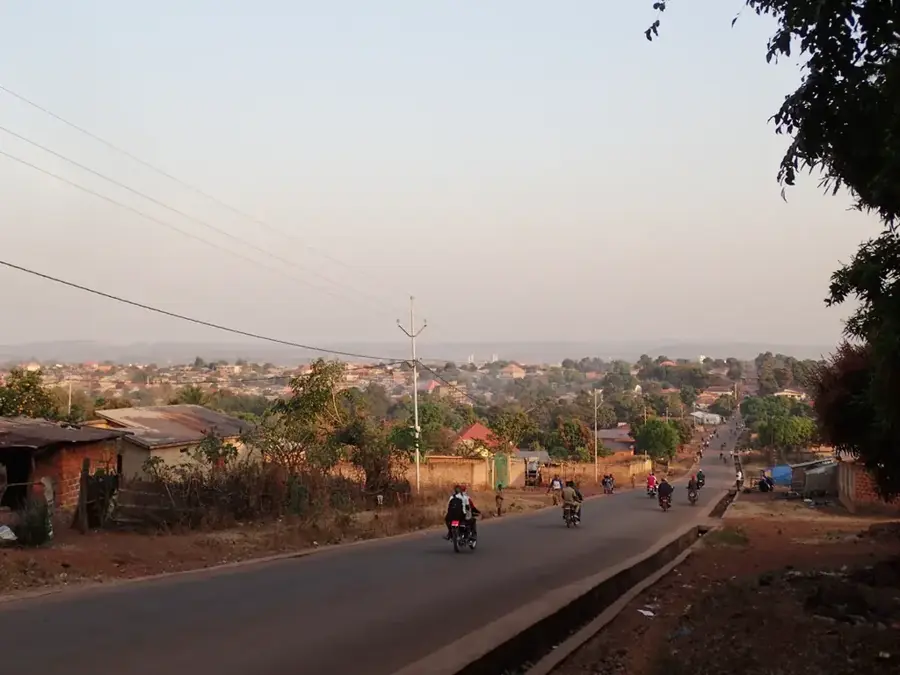
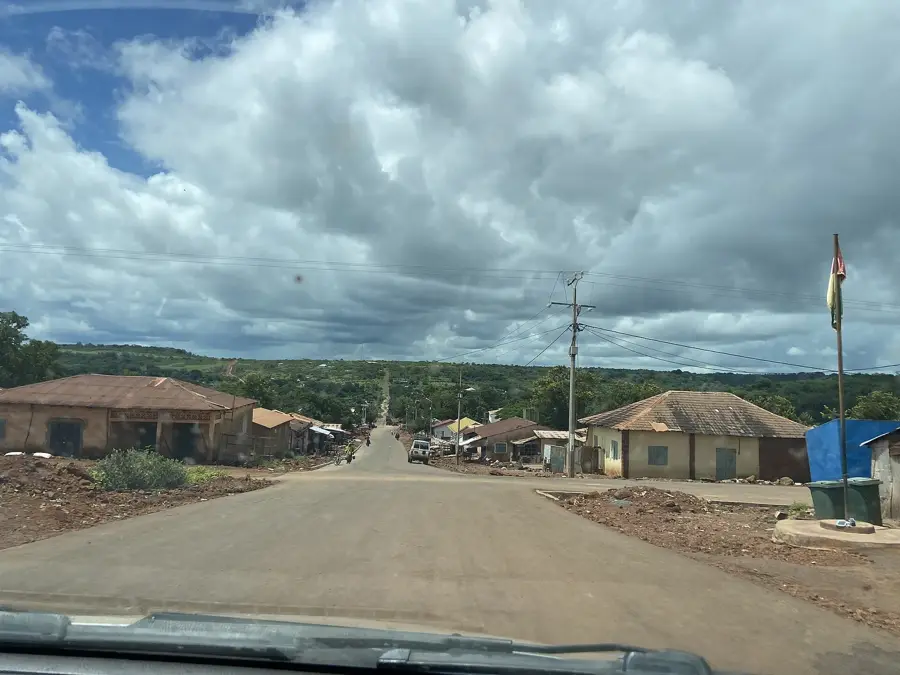
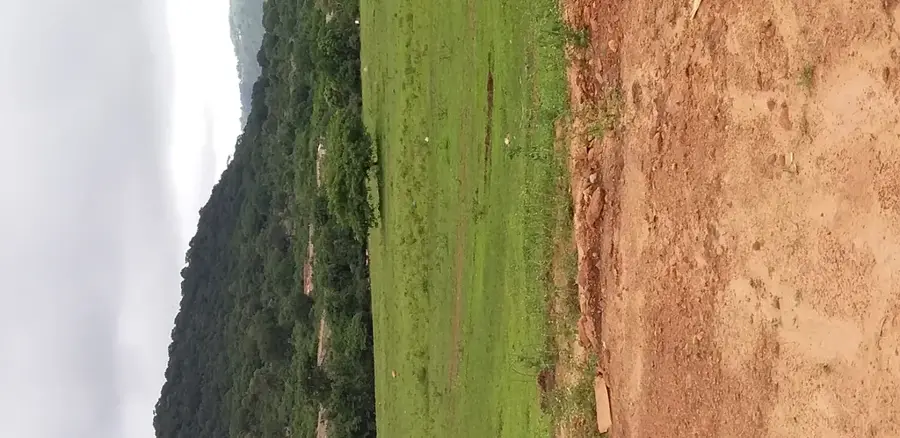
Diari is a historically significant community in the Labé Prefecture, tucked away among the photogenic hills of the central Fouta Djallon highlands. Geographically, the region is defined by rolling plateaus and deep valleys, interlaced with numerous small streams. Diari has a long-standing tradition as a spiritual and educational hub, renowned for its Quranic schools and scholars who have shaped the region's Islamic culture for generations. The town's economy is primarily grounded in agriculture, with the cultivation of fonio, peanuts, and maize providing the main source of livelihood for its residents. Of particular note is the artisanal tradition, specifically pottery and metalworking, which remain active crafts in Diari. The town serves as an essential local marketplace for the surrounding rural settlements. Culturally, Diari is deeply rooted in Fula customs, as reflected in its social structures and annual religious festivals. Despite its relative proximity to the regional capital of Labé, Diari has maintained its authentic rural character and spiritual importance.
- Location: Guinea
- Nearby: Labé (17 km)
Best time to visit & climate
The most pleasant time to visit is Jan, Nov, Dec.
| Jan | Feb | Mar | Apr | May | Jun | Jul | Aug | Sep | Oct | Nov | Dec | |
|---|---|---|---|---|---|---|---|---|---|---|---|---|
| Avg °C | 24 | 27 | 29 | 30 | 29 | 26 | 24 | 23 | 23 | 24 | 24 | 23 |
| Rain mm | 2 | 1 | 3 | 18 | 96 | 181 | 349 | 475 | 292 | 100 | 14 | 0 |
Geography
Facts
- Diari is famous for its Quranic schools, some dating back over a century.
- The town is located south of Labé and is accessible via local routes.
- Pottery products from Diari are traded throughout the entire Fouta Djallon region.
- Local agriculture employs traditional soil conservation techniques.
- Historically, Diari was an important site for high-level religious gatherings.
- The cool highland climate favors the cultivation of various medicinal herbs.
Explore nearby
Notable places around

Route planner — Car & Motorhome
Where do you start? We build the route here, with stops and country notes along the way.
© OpenStreetMap contributors · OpenRouteService
Frequently asked questions
Why should one visit Diari?
Are there waterfalls there?
What is the climate like in Diari?
Do you need a guide for Diari?
What language is spoken locally?
Diari: where is it located?
Diari: when is the best time to visit?
Diari: why is it worth visiting?

Nearby cities
History & landmarks
Nature
More places