Plizio Visual Lab
Lélouma
ℹ️Practical info — Lélouma
▾
🌤 Weather — 5 days
📍 Nearby
Sights nearby
💡 Tips
- The Fouta Djallon climate is cooler than the coast; bring a light jacket or sweater.
- Hire a local guide to explore the surrounding waterfalls and hiking trails safely.
- Dress modestly to respect the predominantly Islamic local culture.
- Roads can be very challenging during the rainy season; plan extra travel time.
- Don't miss the local citrus fruits and mangoes, for which the region is famous.
🍽 Food
A popular rice dish mixed with eggplant and okra sauce. Available at local 'maquis' (eateries).
Starchy root vegetables often boiled or mashed. Common in the region.
Enjoy a strong cup at a small roadside café in the morning.
🛍 Shopping · 🧘 Quiet spots
The best place to buy fresh mountain produce and local spices.
Look for traditional woven fabrics and leather goods.
Though a drive away, the surroundings of the falls offer serene nature walks.
Walk just outside the town center for peaceful views over the lush valleys.
Water temperature…
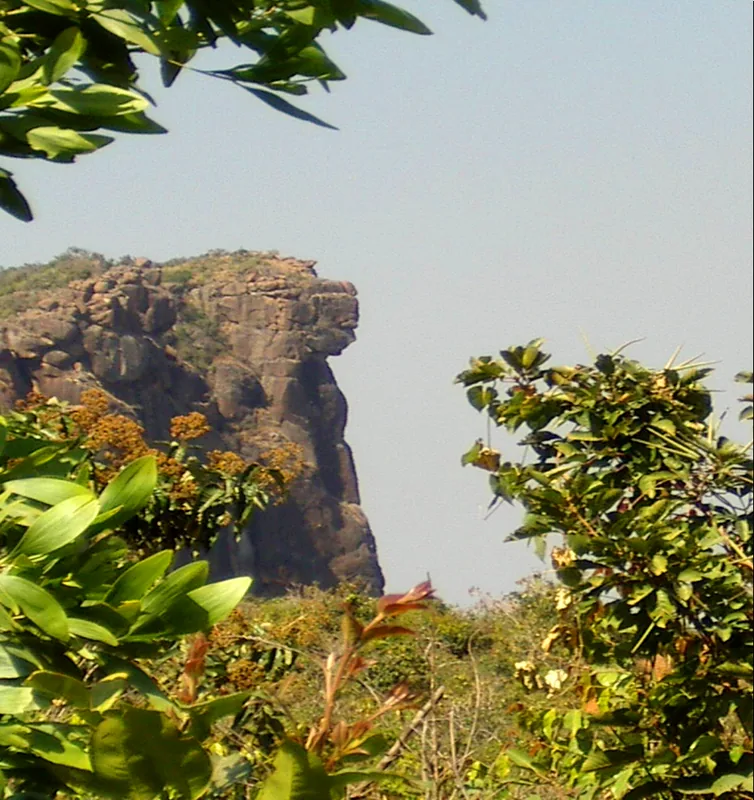
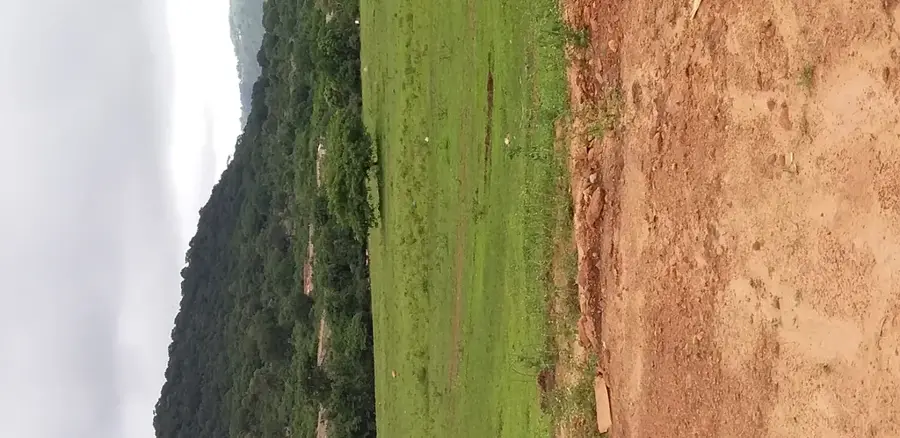
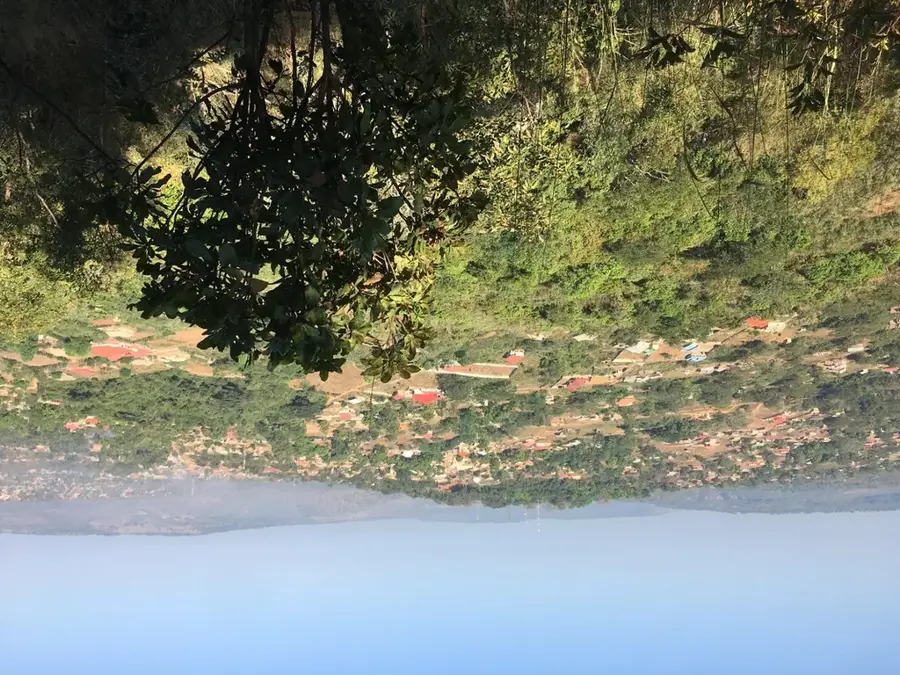
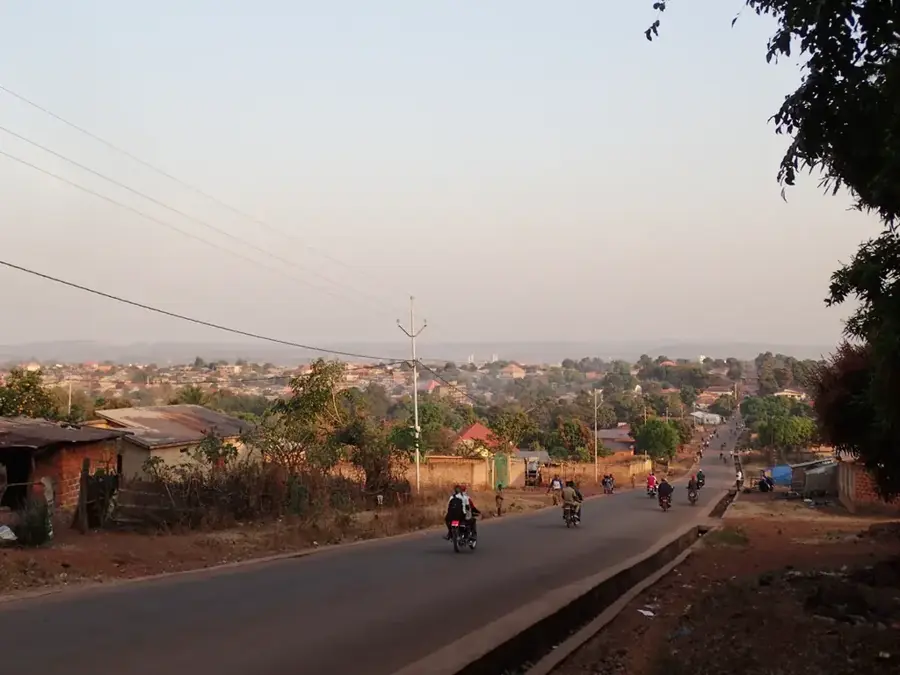
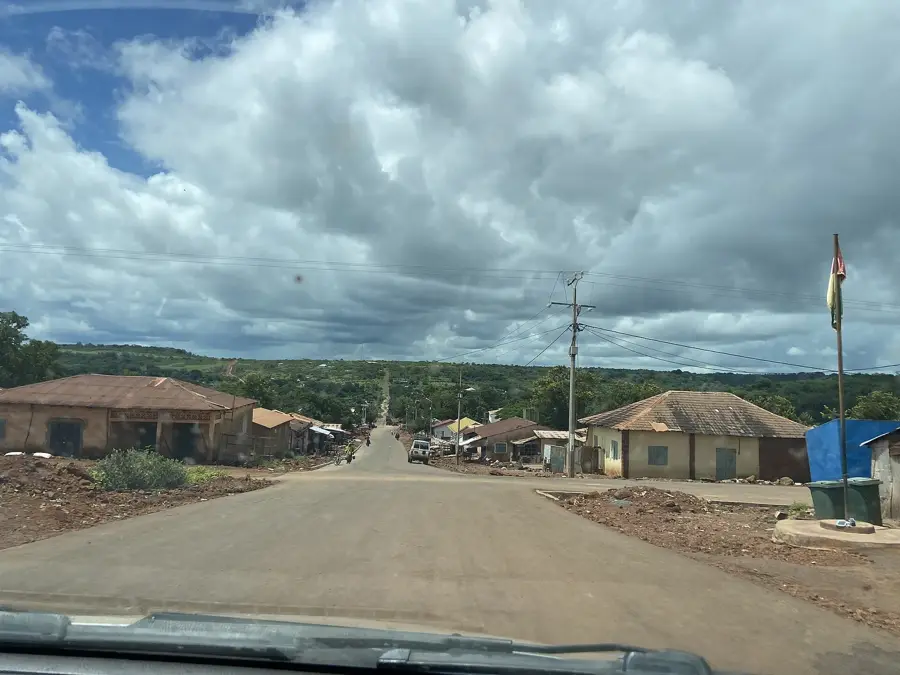
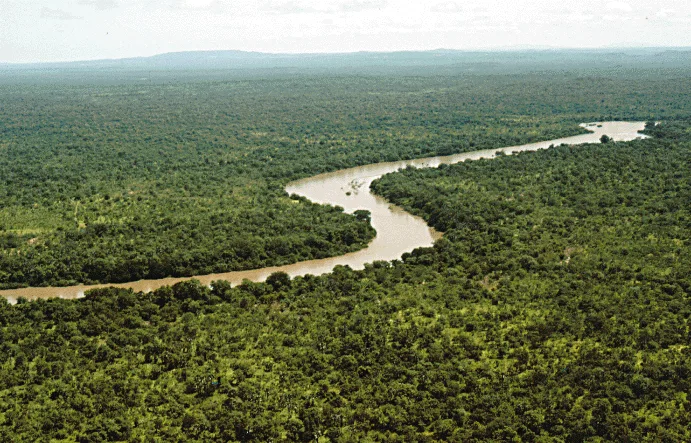
Lélouma is a photogenic town tucked away in the heart of the Fouta Djallon highlands and serves as the administrative seat of its namesake prefecture. The region surrounding Lélouma is renowned for its spectacular topography, featuring deep sandstone canyons, sheer cliffs, and hidden waterfalls. This isolated mountain setting has allowed Lélouma to remain a vital center for the preservation of traditional Fula culture, where ancestral customs and social structures are strictly observed. Economically, Lélouma is famous for its citrus production, particularly oranges and lemons, which thrive in the cooler highland climate. Honey production and the cultivation of the ancient grain fonio are also key pillars of the local economy. The town is a notable center for traditional weaving; the fabrics produced here are prized across Guinea for their quality and intricate patterns. Despite challenging road conditions, Lélouma is a prime destination for hikers and eco-tourists seeking pristine landscapes and an authentic glimpse into the daily lives of the highland people.
- Location: Guinea
- Nearby: Gaoual (45 km)
Best time to visit & climate
The most pleasant time to visit is Jan, Nov, Dec.
| Jan | Feb | Mar | Apr | May | Jun | Jul | Aug | Sep | Oct | Nov | Dec | |
|---|---|---|---|---|---|---|---|---|---|---|---|---|
| Avg °C | 27 | 29 | 31 | 31 | 30 | 27 | 25 | 24 | 25 | 25 | 25 | 25 |
| Rain mm | 1 | 1 | 2 | 10 | 77 | 216 | 467 | 583 | 364 | 157 | 22 | 0 |
Geography
Facts
- Lélouma is famous for its stunning and deep sandstone canyons.
- The town is a leading producer of high-quality oranges and lemons.
- Traditional weaving is a highly respected local craft in Lélouma.
- The surrounding landscape is dotted with numerous secluded waterfalls.
- Lélouma experiences a significantly cooler climate than the coastal regions.
- It is a key site for experiencing authentic, traditional Fula village life.
Explore nearby
Notable places around



Route planner — Car & Motorhome
Where do you start? We build the route here, with stops and country notes along the way.
© OpenStreetMap contributors · OpenRouteService
Frequently asked questions
What is characteristic of Lélouma?
What is the landscape like?
What can you buy at the market?
When is the best time for hiking?
Are there restaurants in Lélouma?
Lélouma: where is it located?
Lélouma: when is the best time to visit?
Lélouma: why is it worth visiting?

Nearby cities

History & landmarks
Nature
More places