Attractions in Guinea
The finest attractions in Guinea at a glance: castles, natural wonders, historic old towns and more. Each place links to a detailed page with map, tips and photos.
Culture & History
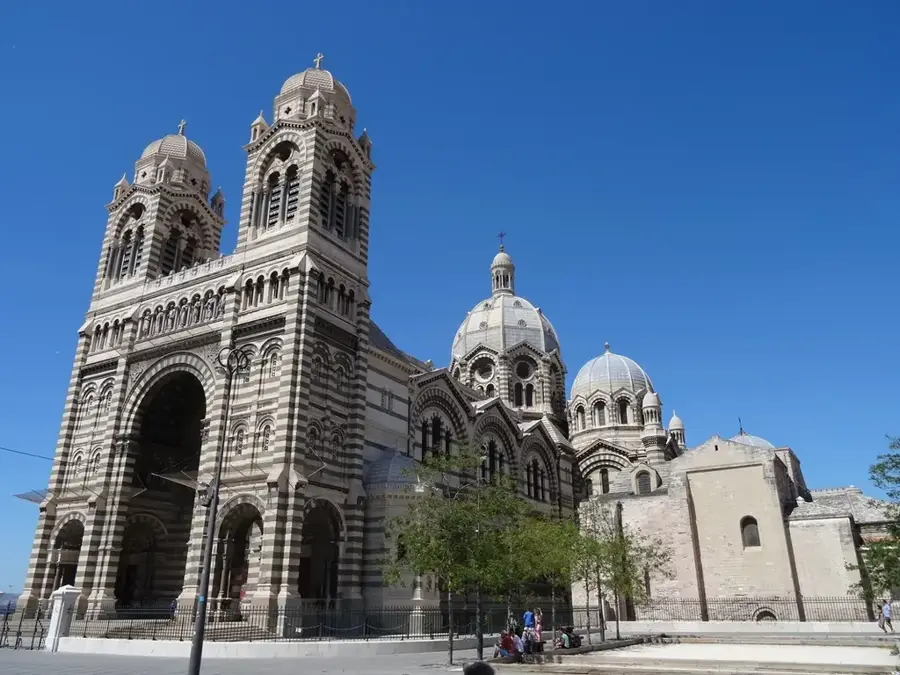
Sainte-Marie Cathedral
Sainte-Marie Cathedral is the most important Catholic place of worship in Conakry.
Learn more →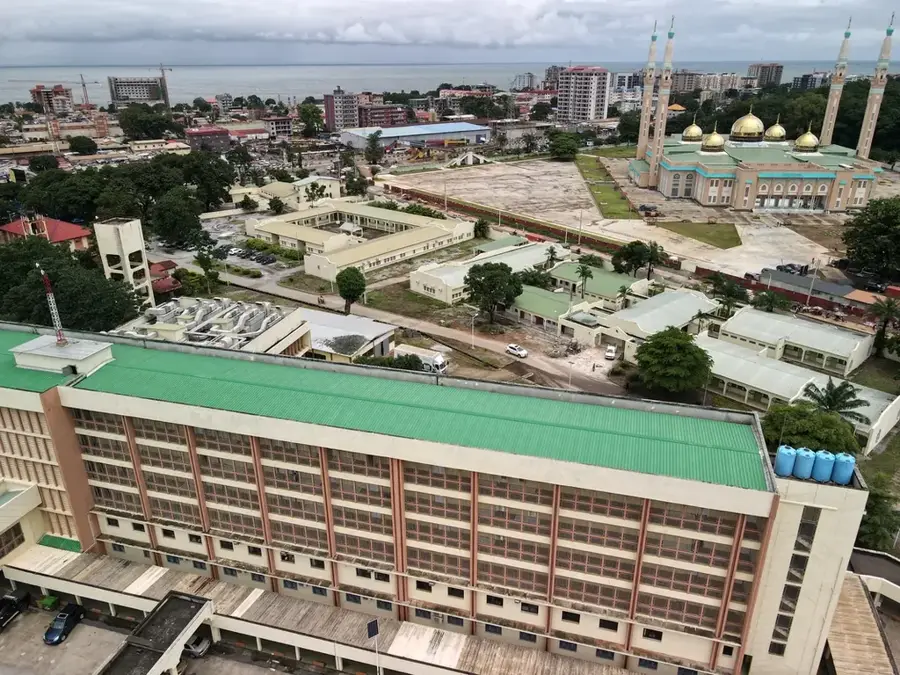
Conakry Grand Mosque
The Conakry Grand Mosque is the fourth largest mosque in Africa and the most significant religious building in Guinea.
Learn more →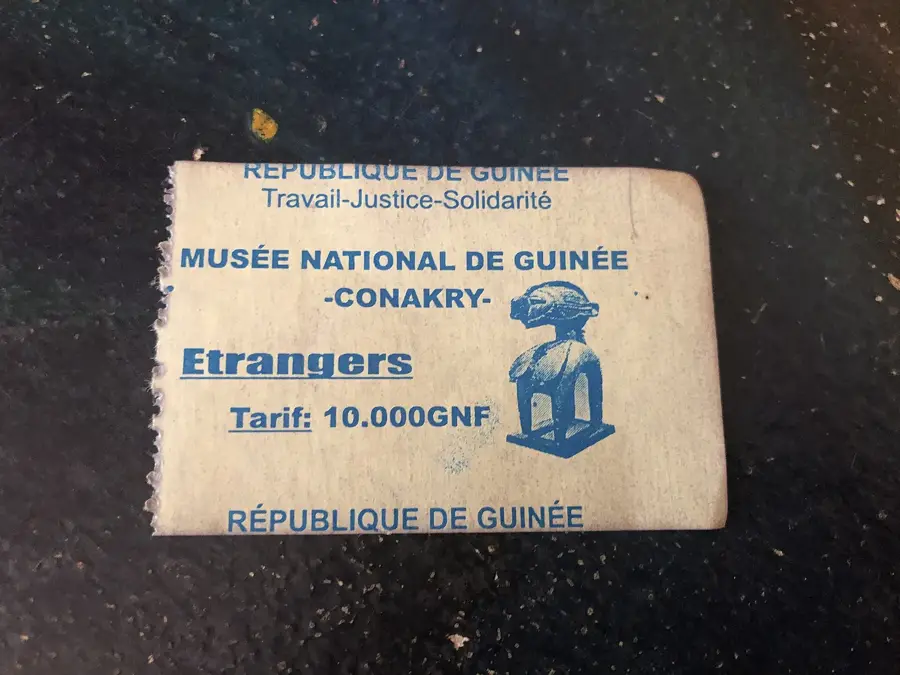
National Museum of Guinea
The National Museum in Conakry houses an extensive collection of Guinean art, masks, and historical artifacts reflecting the country's cultural diver…
Learn more →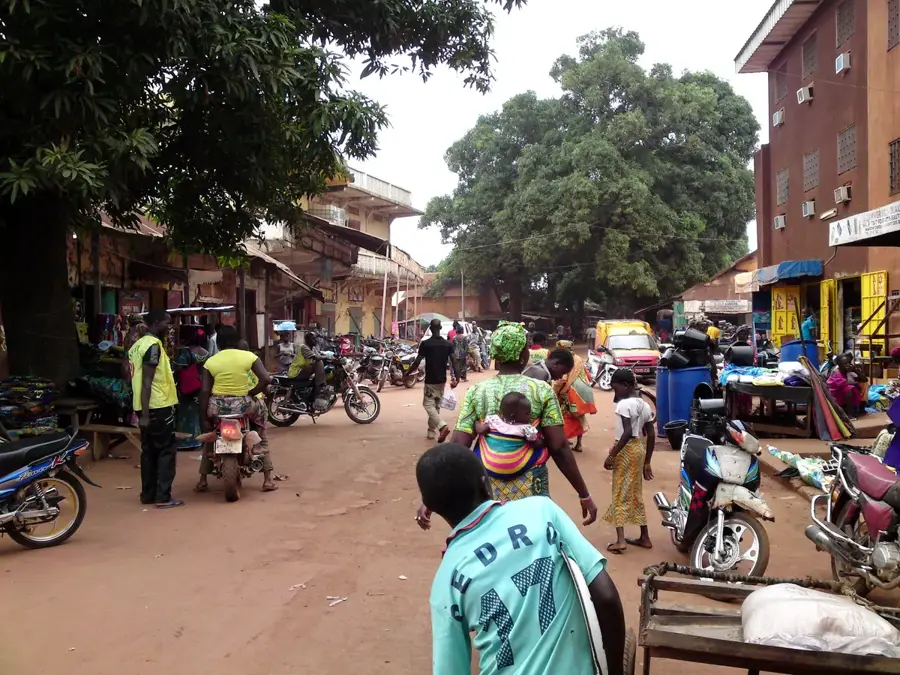
Kankan Cathedral
The Cathedral of Notre-Dame des Victoires et de la Paix in Kankan is the primary Catholic church of the region.
Learn more →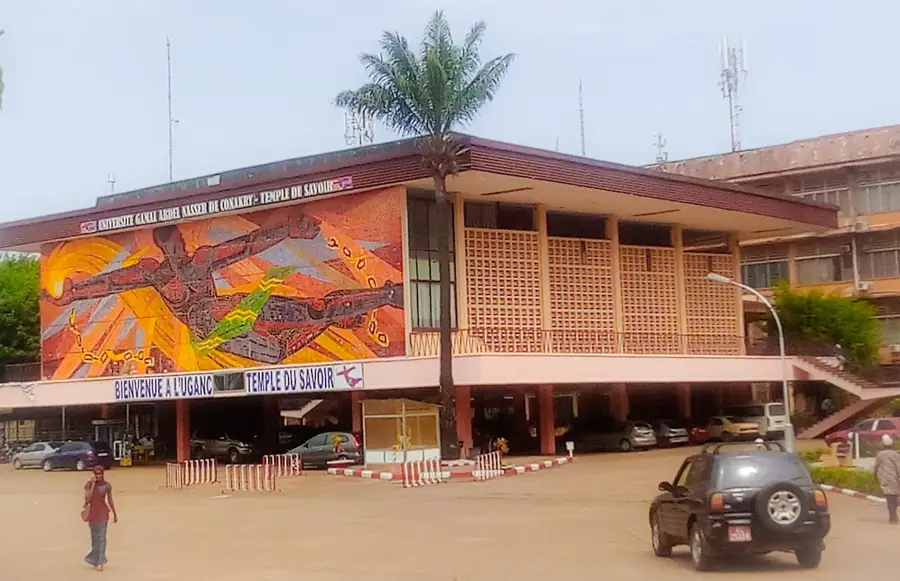
Gamal Abdel Nasser University
The Gamal Abdel Nasser University of Conakry is the oldest and largest university in Guinea.
Learn more →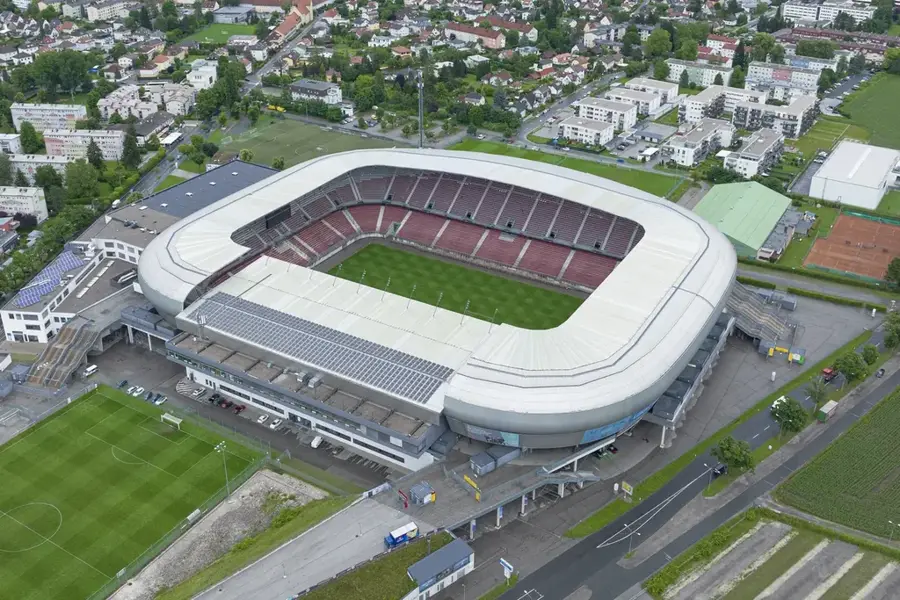
Stade du 28 Septembre
The Stade du 28 Septembre is one of Guinea's primary sporting venues.
Learn more →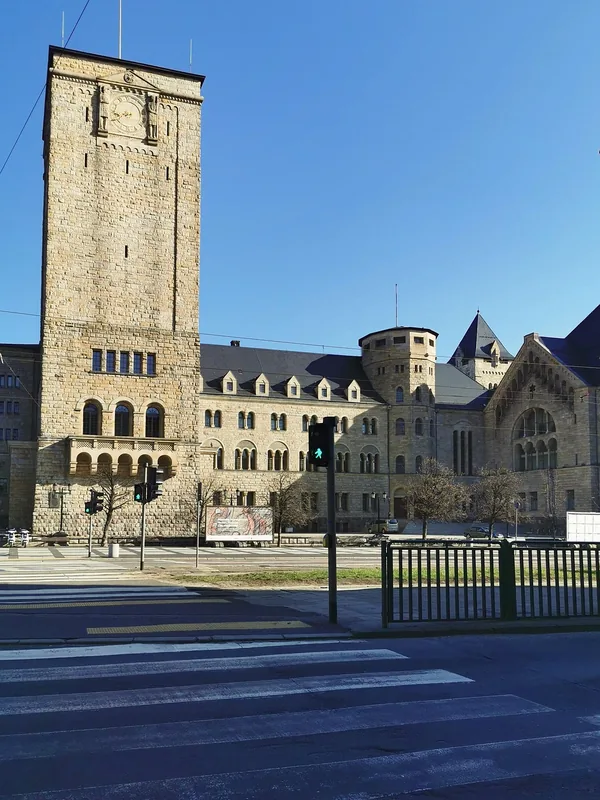
Franco-Guinean Cultural Center
The Franco-Guinean Cultural Center is a key venue for art and exchange in Conakry.
Learn more →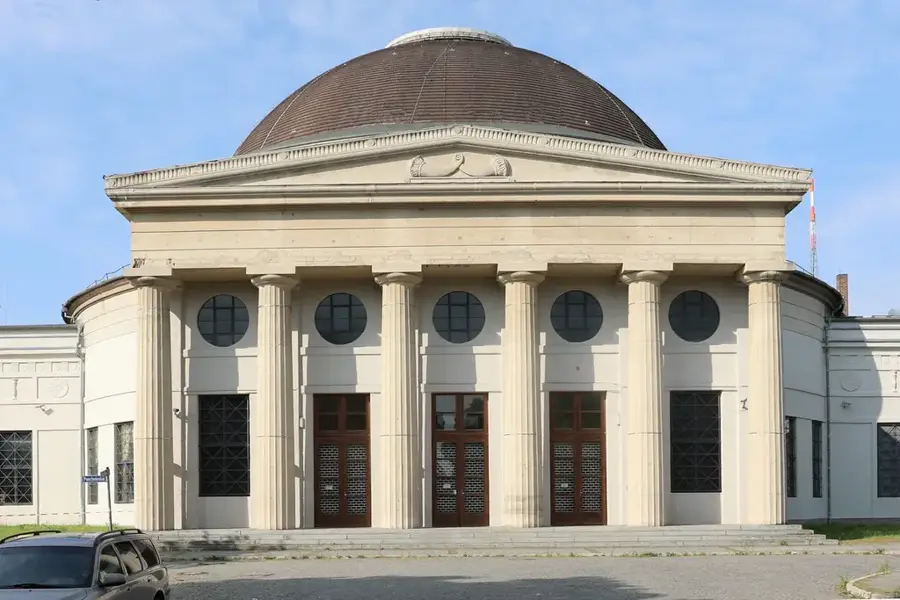
Palais du Peuple
The Palais du Peuple is a large convention and cultural center in Conakry.
Learn more →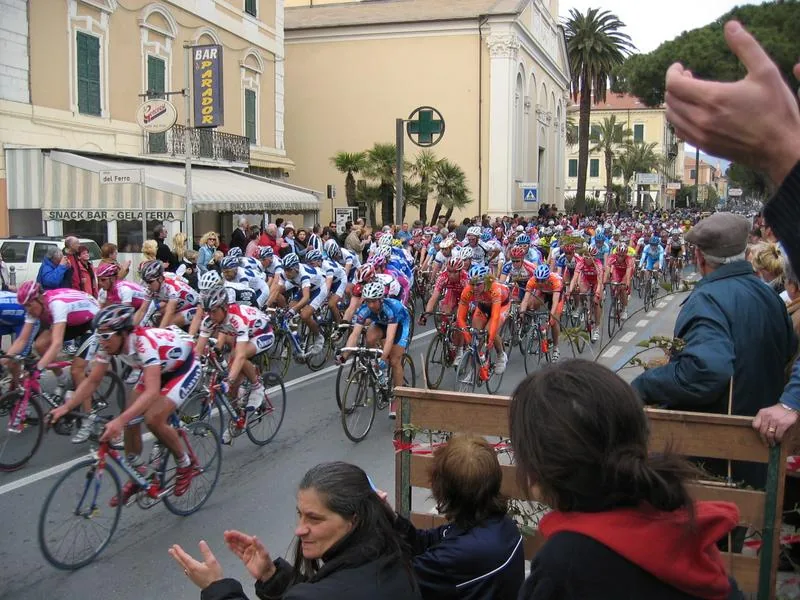
Monument of November 22, 1970
This monument commemorates Guinea's victory over the Portuguese invasion in 1970.
Learn more →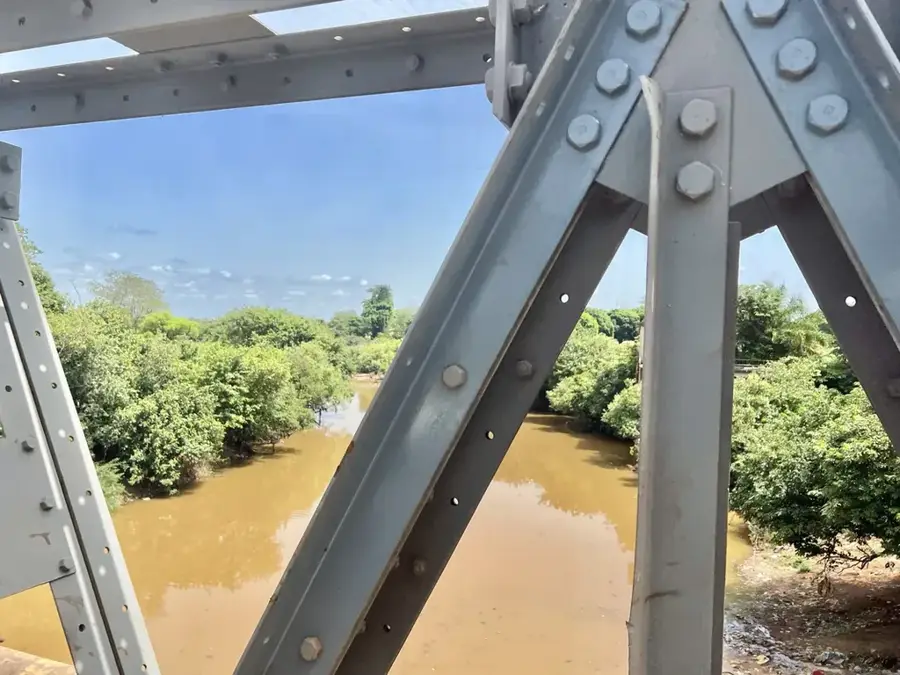
Kouroussa Niger Bridge
This important bridge crosses the Niger River near Kouroussa.
Learn more →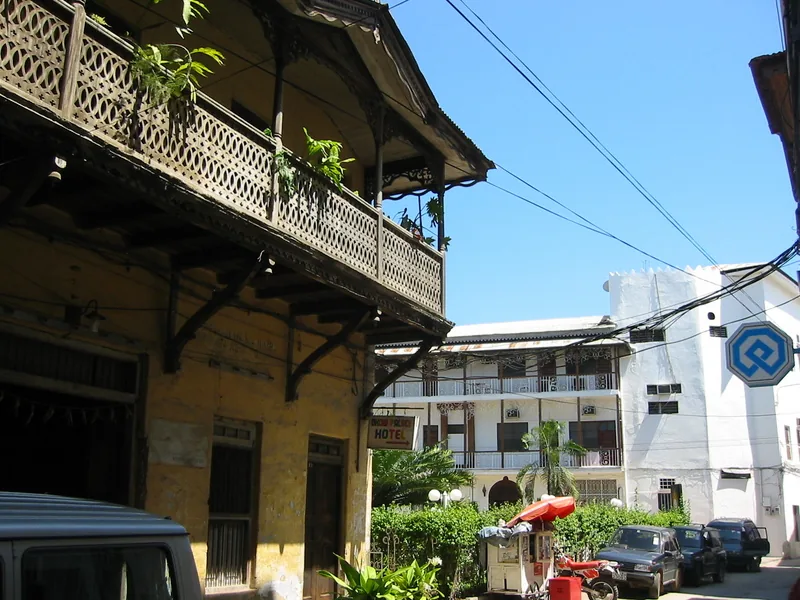
Madina Market
Madina Market in Conakry is one of the largest markets in West Africa.
Learn more →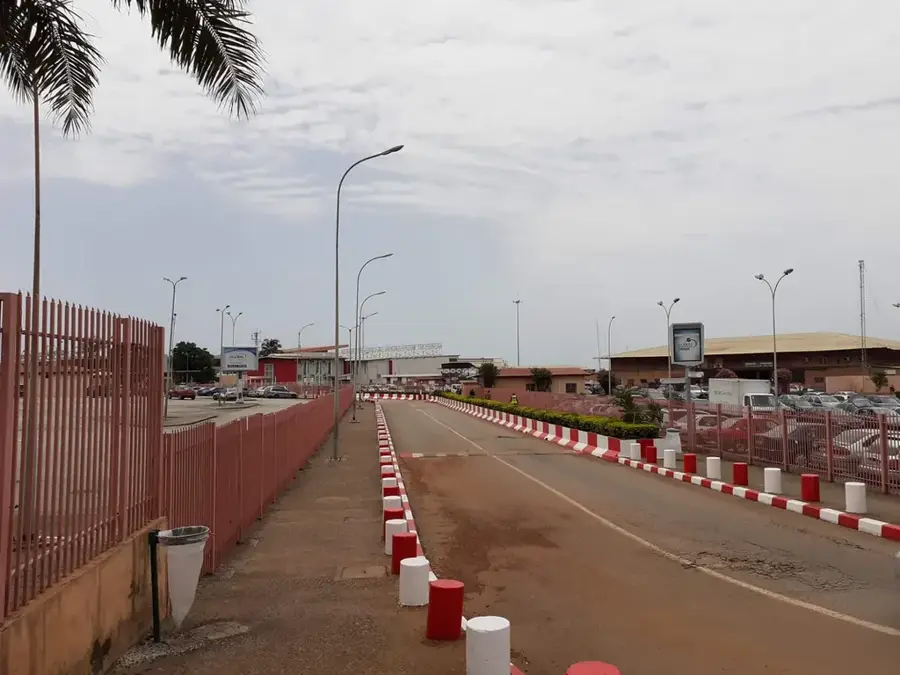
Ahmed Sékou Touré International Airport
The Conakry International Airport is the primary air transport hub of the country.
Learn more →
Conakry City Hall
The Conakry City Hall is the headquarters of the municipal administration.
Learn more →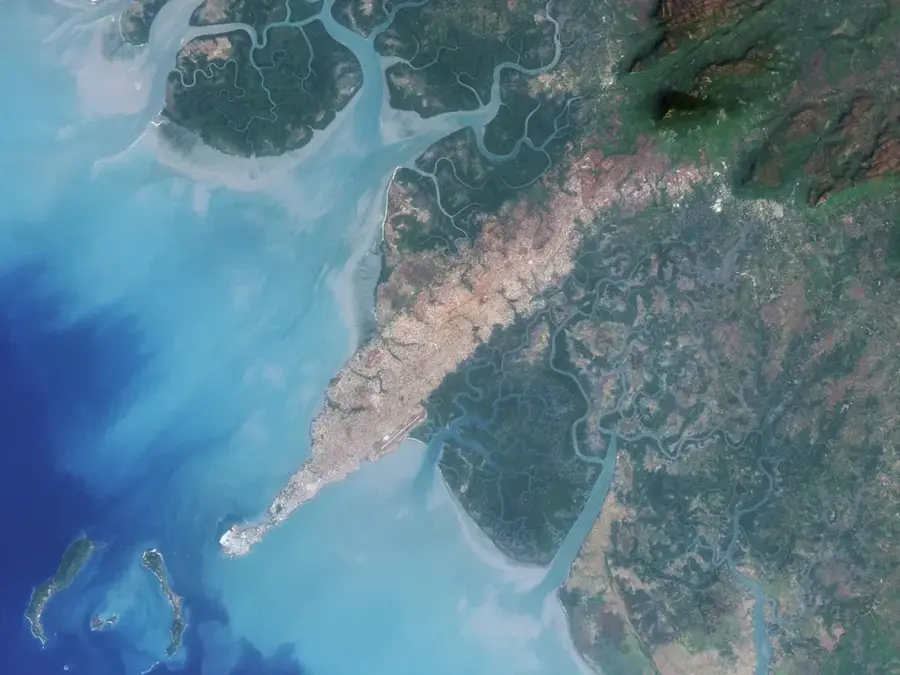
Port of Conakry
The Autonomous Port of Conakry is Guinea's primary economic hub.
Learn more →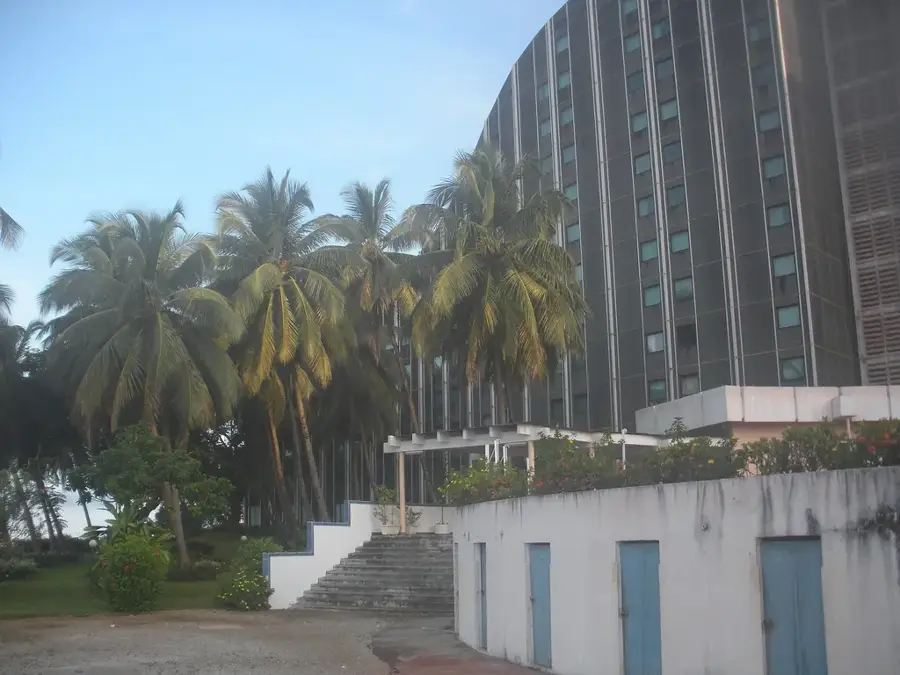
Boulbinet Lighthouse
The Boulbinet Lighthouse stands at the southern tip of the Kaloum Peninsula.
Learn more →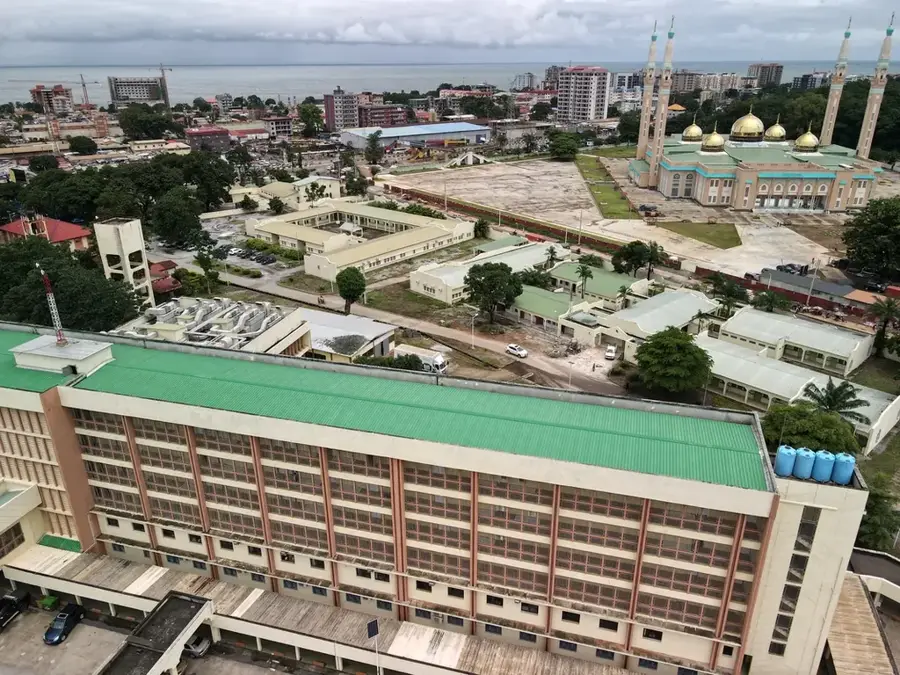
Labé Grand Mosque
The Labé Grand Mosque is the spiritual center of the Fouta Djallon region.
Learn more →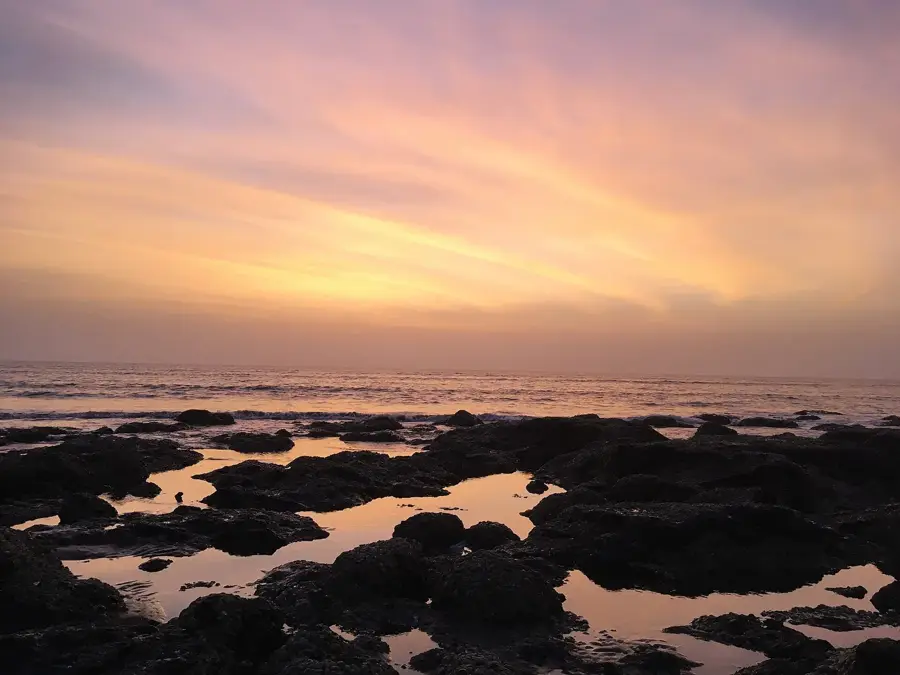
Kakimbo Caves
Historical and spiritual caves in Conakry, a site of local legends and traditions.
Learn more →Nature
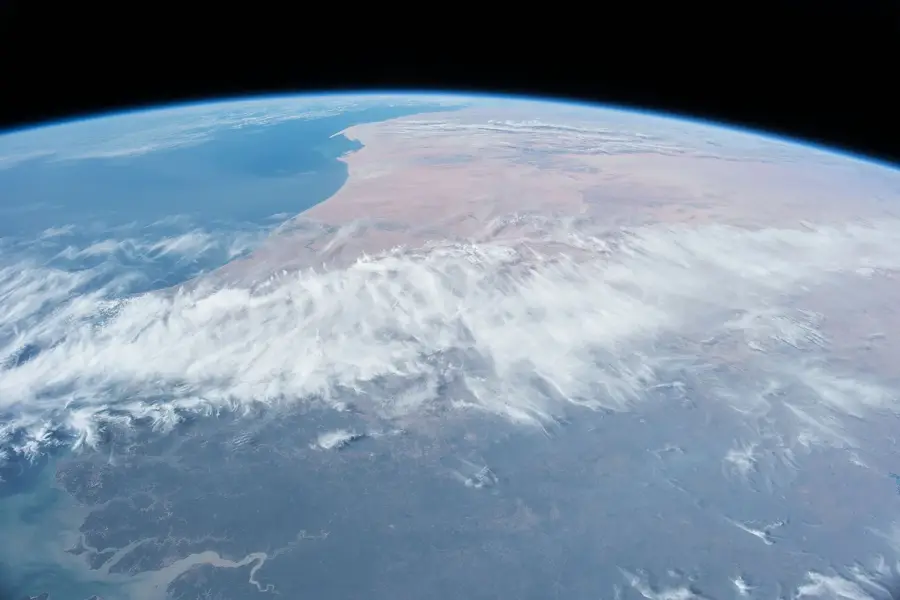
Lake Koba
Lake Koba is located in the coastal region near Boffa.
Learn more →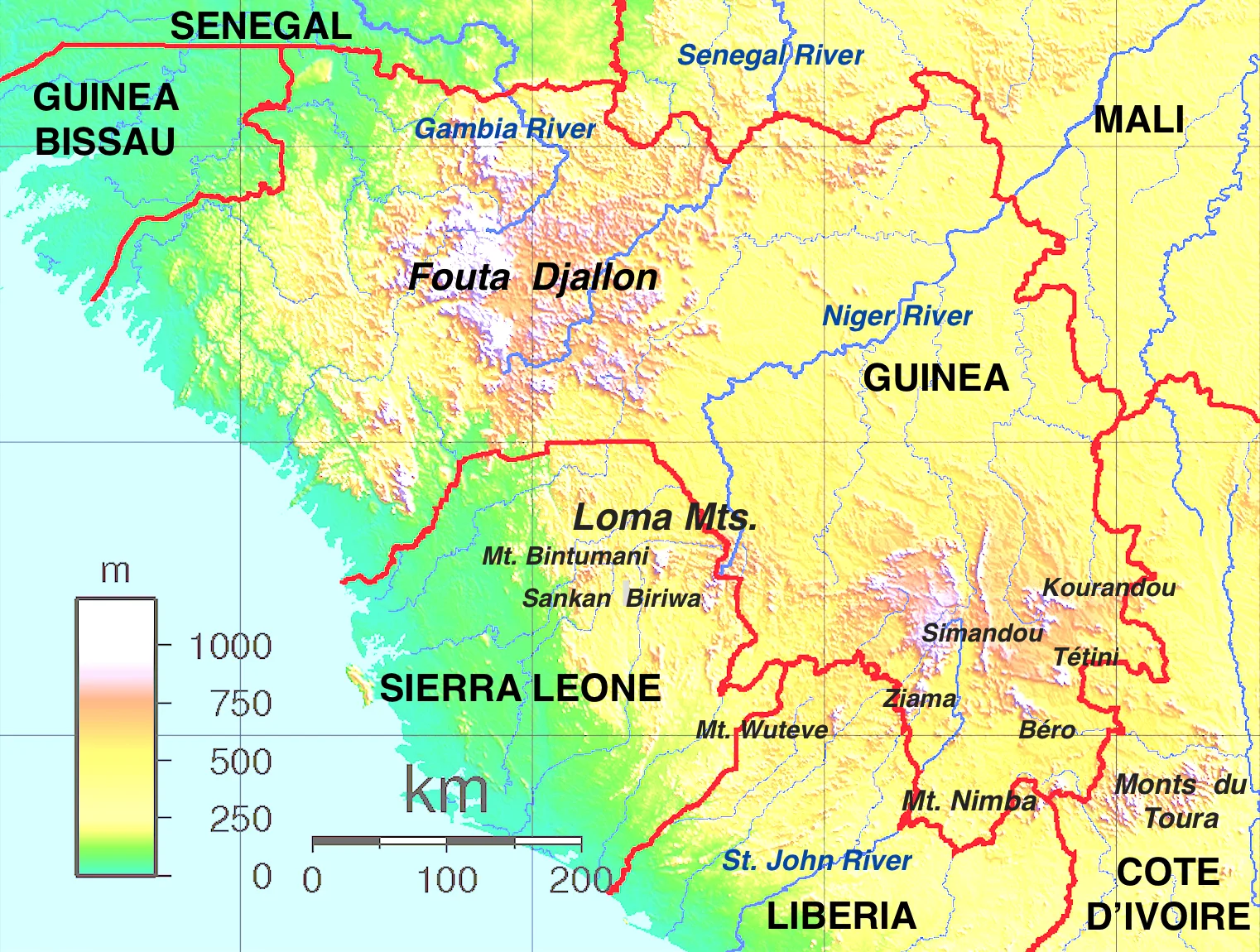
Fouta Djallon
The Fouta Djallon is an extensive highland in western Guinea, known as the 'Water Tower of West Africa'.
Learn more →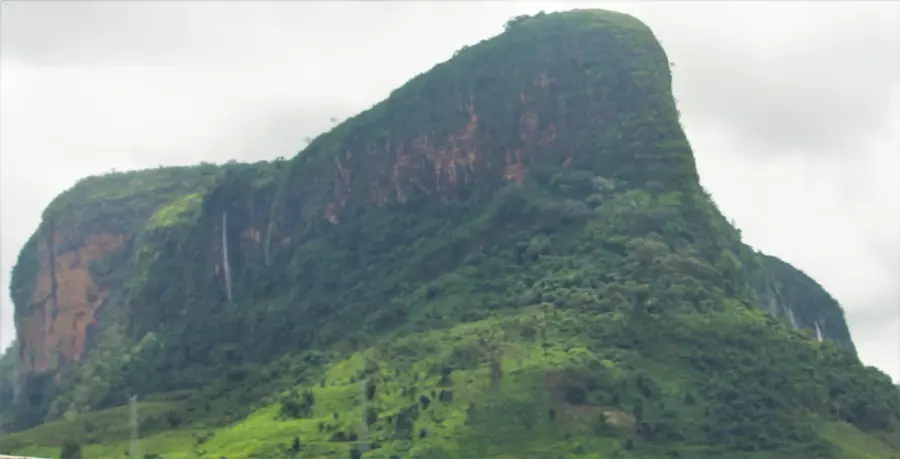
Mount Kakoulima
Mount Kakoulima is a mountain visible from afar, located near the coast by Conakry.
Learn more →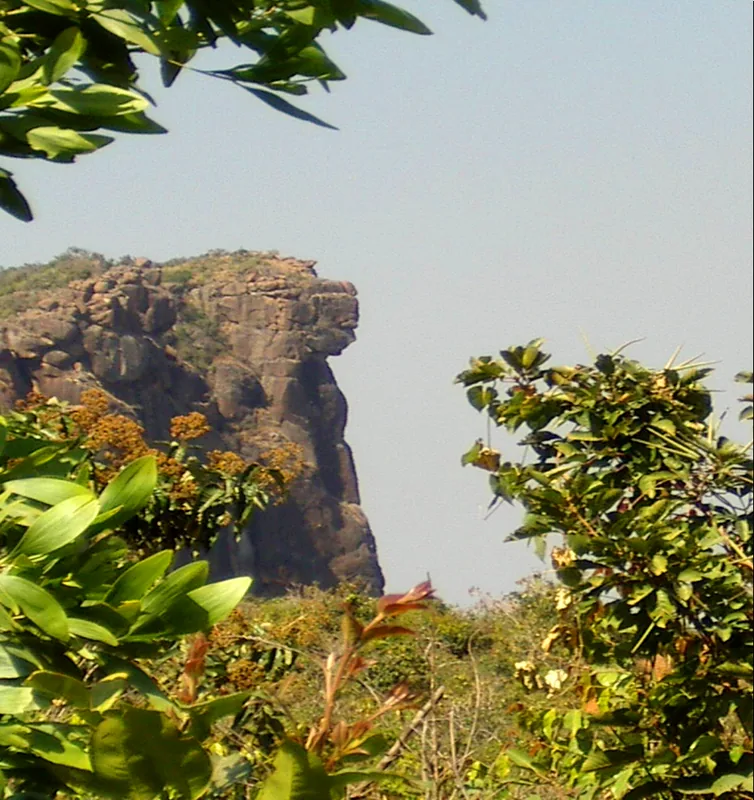
Mount Loura
Mount Loura is the northernmost point of the Fouta Djallon massif.
Learn more →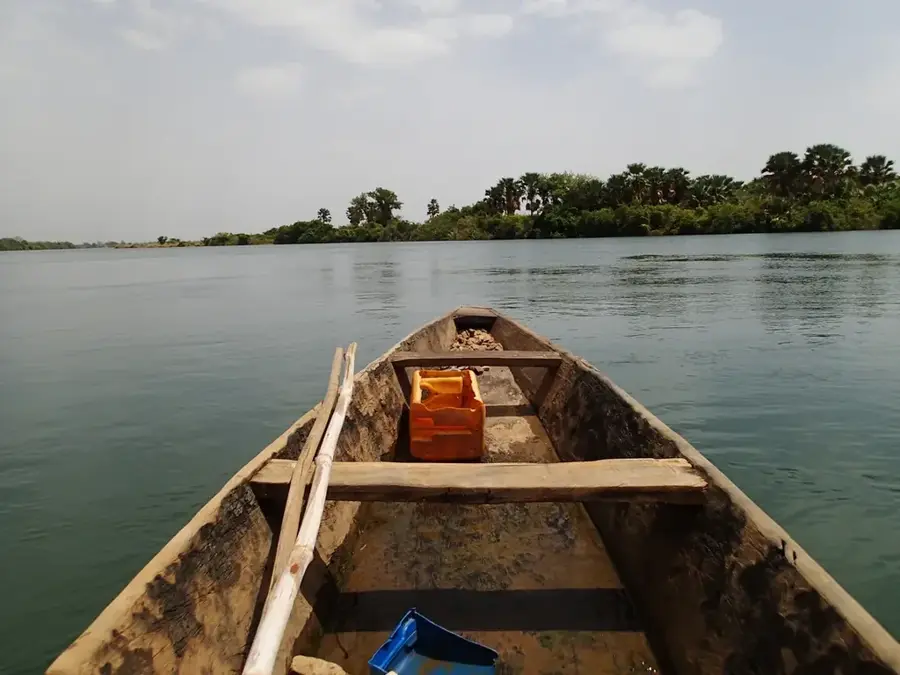
Bafing
The Bafing is considered the primary source stream of the Senegal River.
Learn more →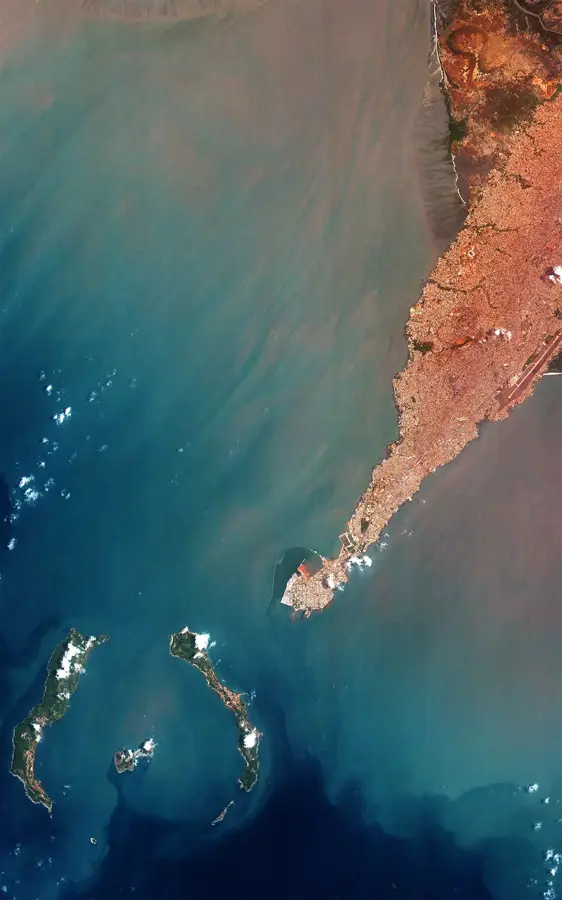
Roume Island
Roume Island is part of the Îles de Los archipelago.
Learn more →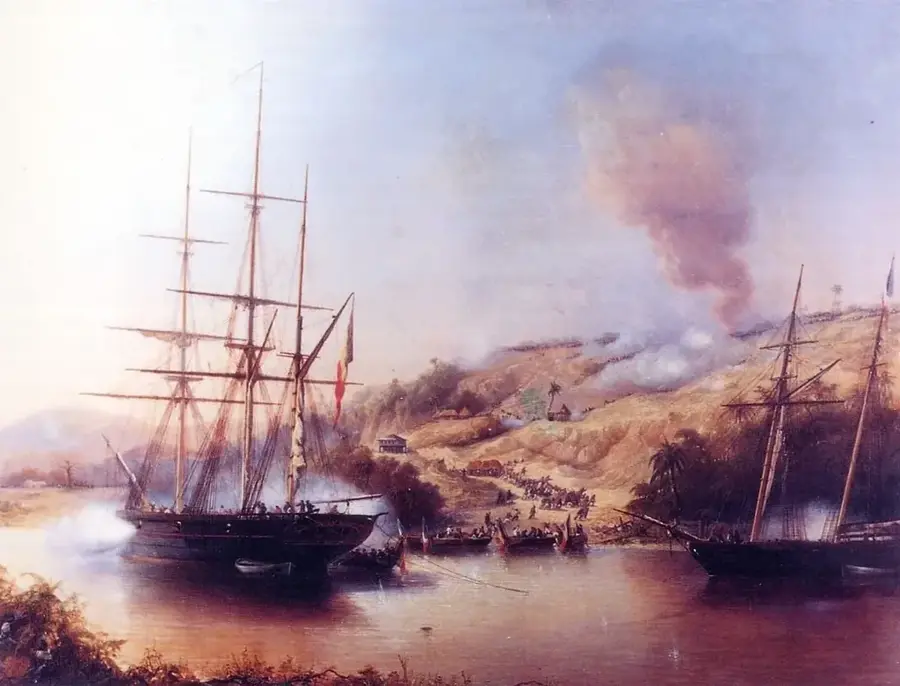
Rio Nuñez
The Rio Nuñez is a tidal river in western Guinea.
Learn more →More highlights
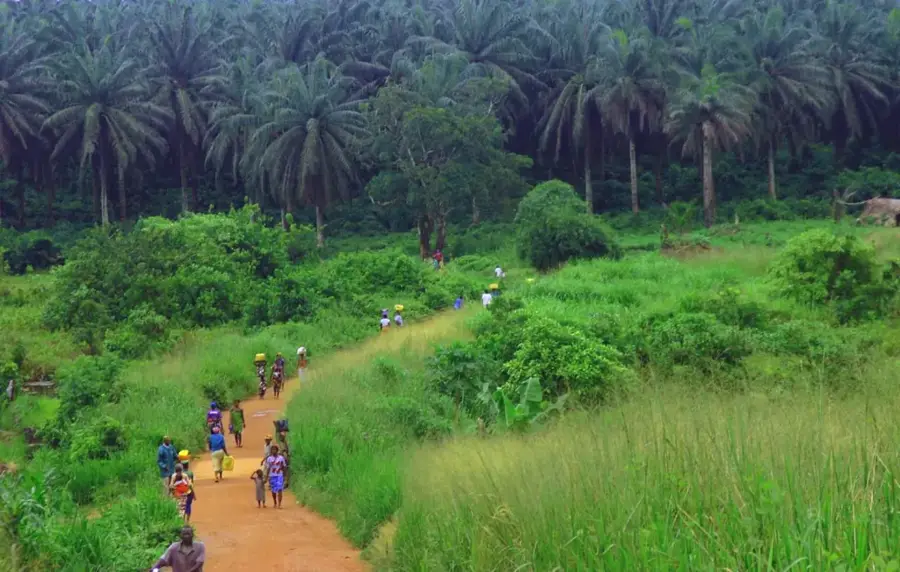
Kissidougou Forest Habitats
In the transition zone between savanna and forest near Kissidougou, there are species-rich forest islands.
Learn more →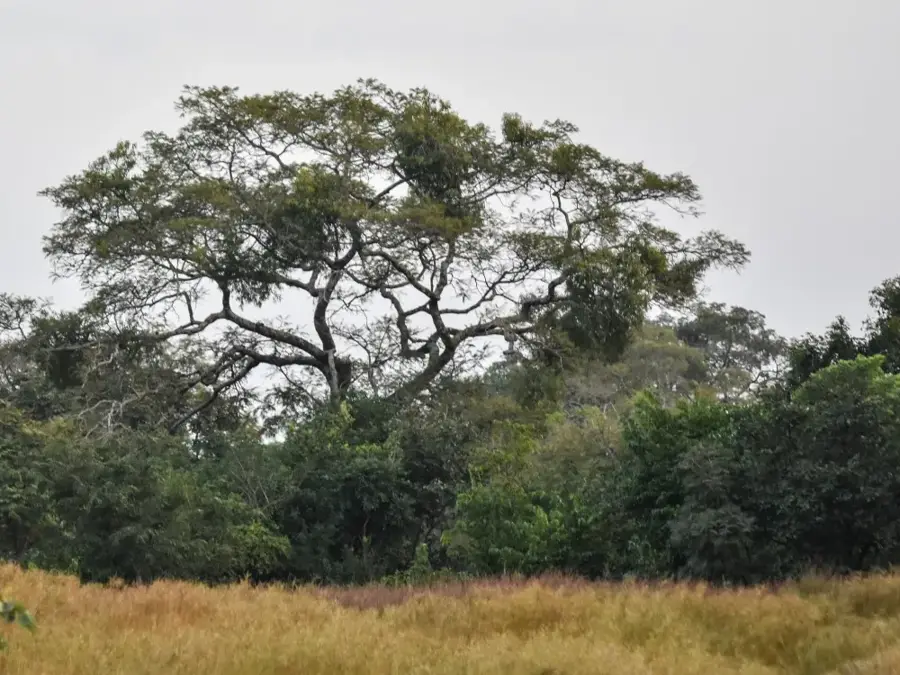
Upper Niger National Park
This national park protects one of the last large dry forest areas in West Africa.
Learn more →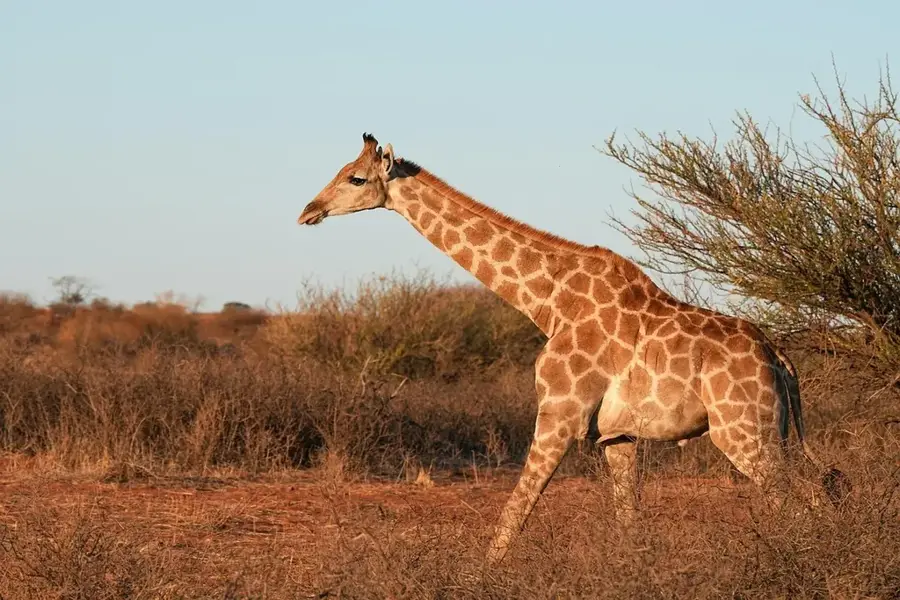
Koundara Savannah Wildlife
The open savanna landscape around Koundara is home to a variety of wildlife.
Learn more →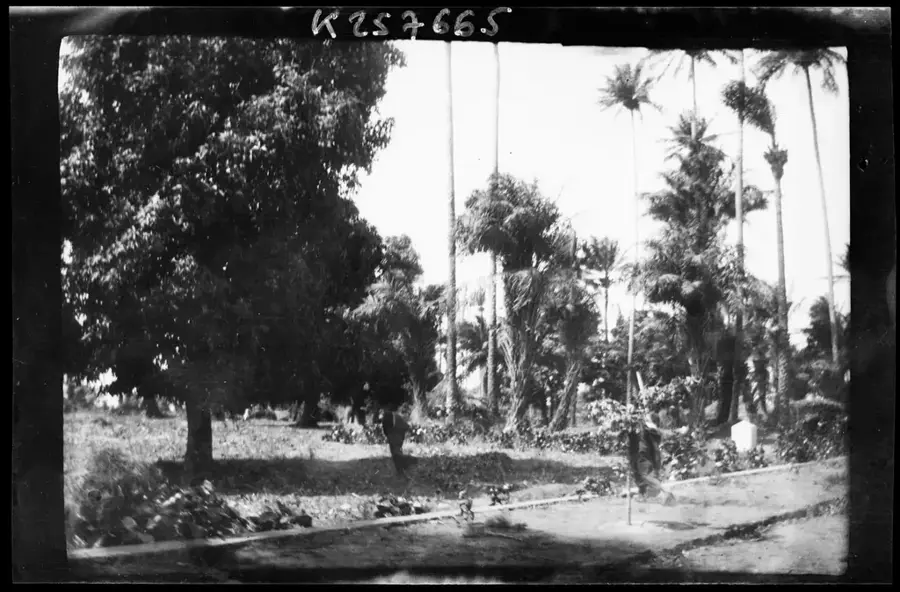
Conakry Botanical Garden
The Conakry Botanical Garden (Jardin Botanique de Camayenne) is a green oasis in the capital.
Learn more →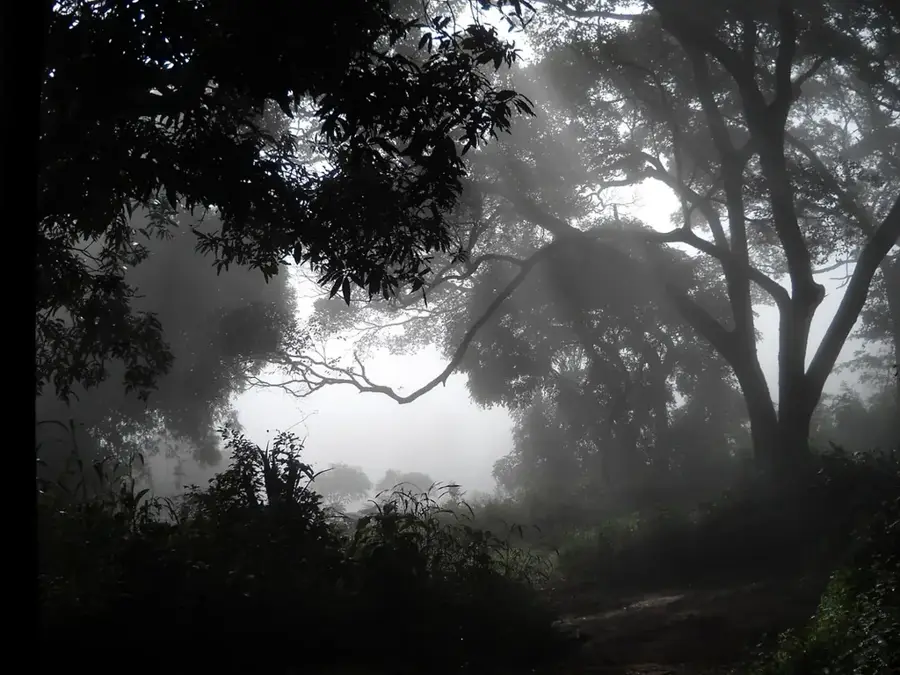
Dalaba Cinchona Gardens
Dalaba is historically known for the cultivation of cinchona trees, from whose bark quinine was extracted.
Learn more →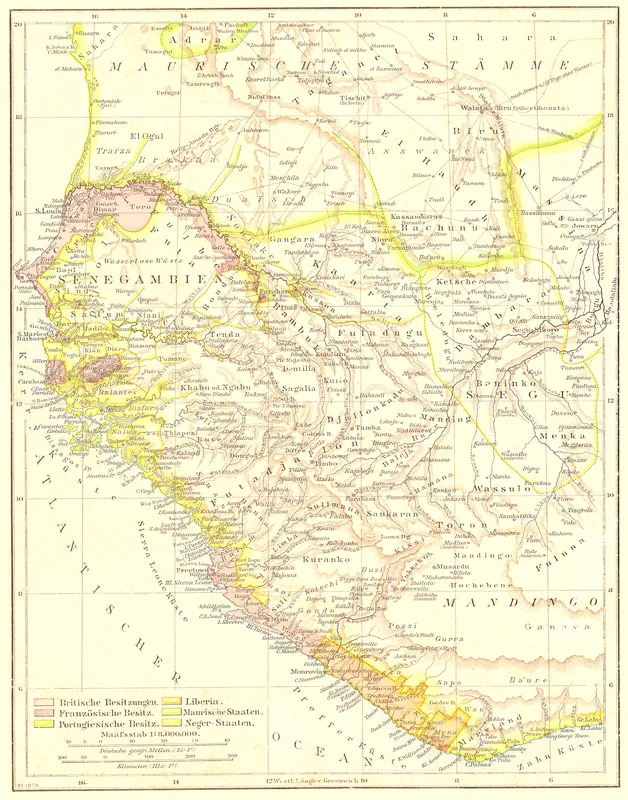
Fouta Djallon Coffee Plantations
In the cooler highlands of Fouta Djallon, high-quality coffee is cultivated.
Learn more →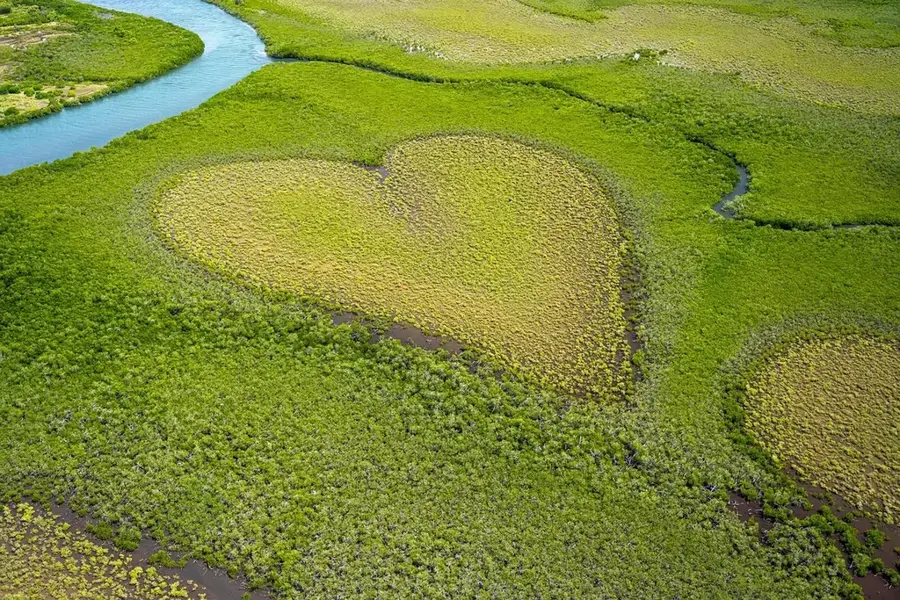
Dubréka Mangrove Habitats
The extensive mangrove swamps near Dubréka are a fascinating coastal habitat.
Learn more →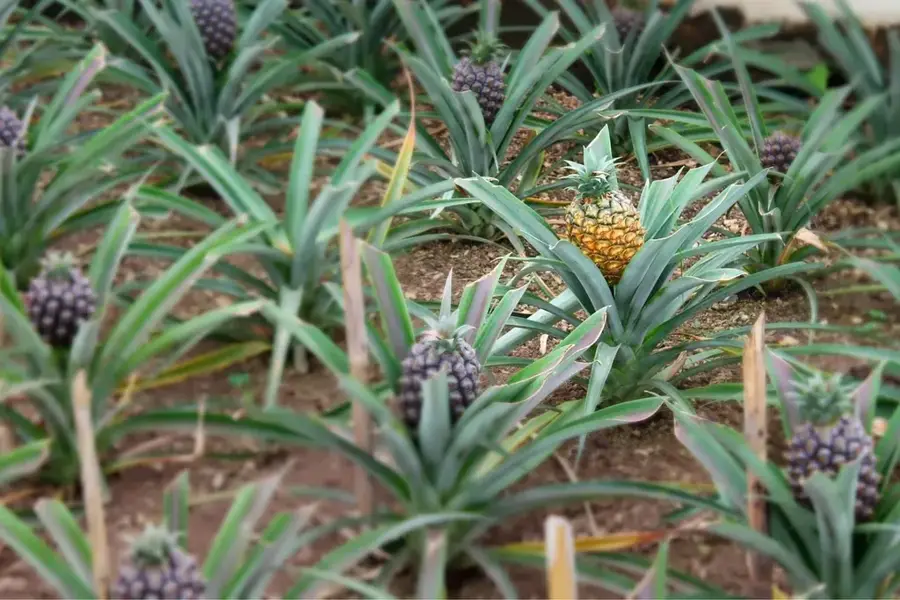
Kindia Pineapple Plantations
The region around Kindia is the hub of Guinean pineapple cultivation.
Learn more →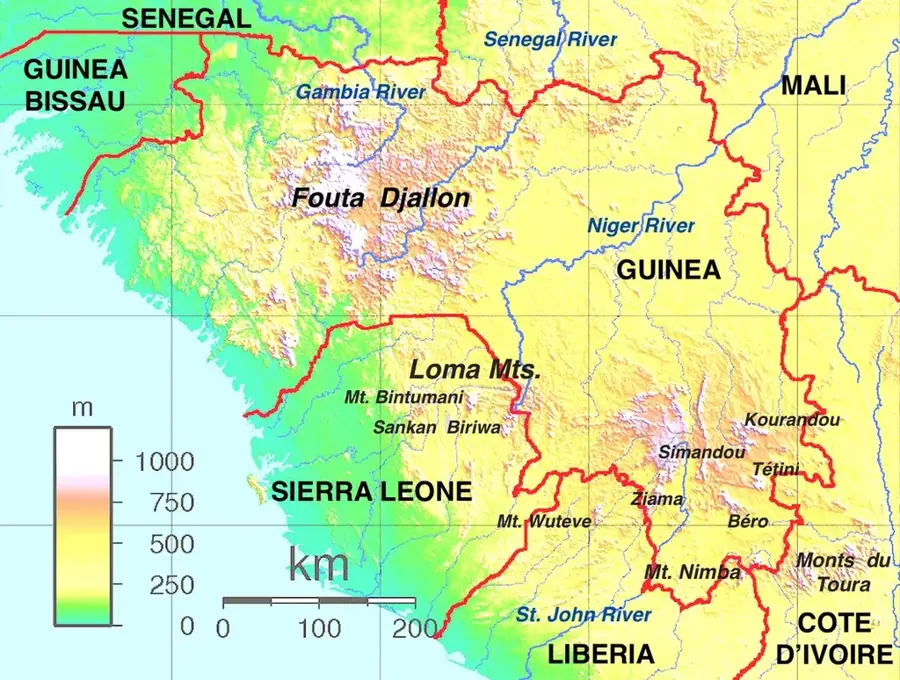
Yomou Forest Reserve
The forest reserve near Yomou in the far south of Guinea is part of the Guinean rainforest belt.
Learn more →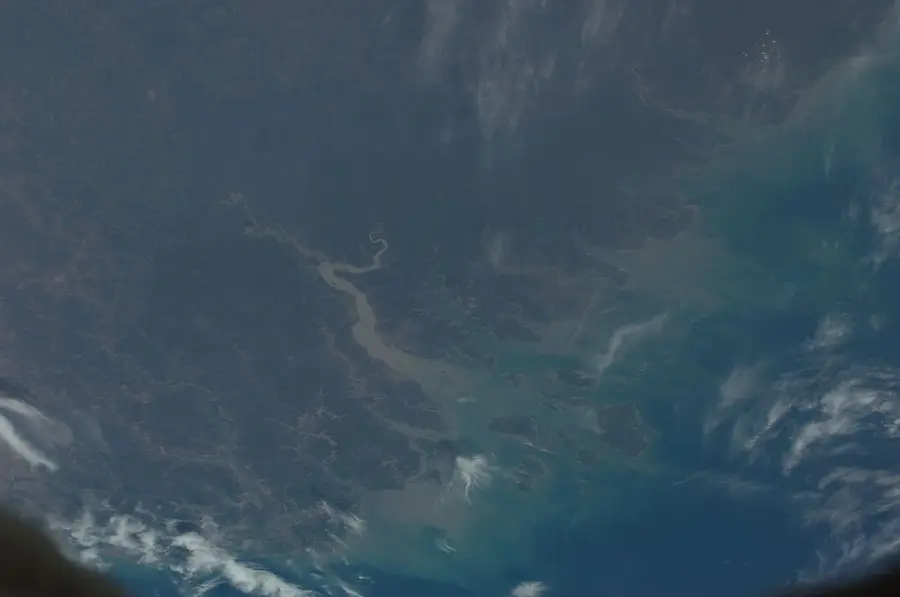
Pita Vegetable Gardens
Pita is renowned for its intensive vegetable farming in the Fouta Djallon.
Learn more →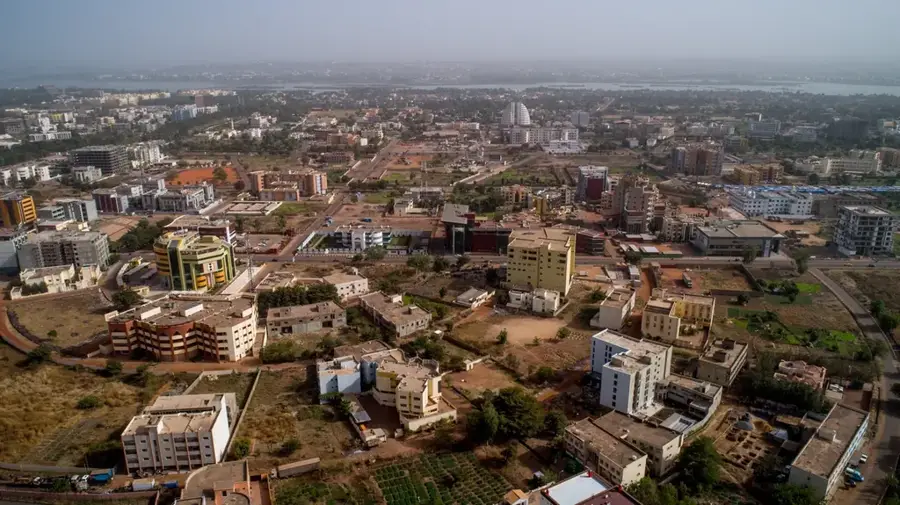
Mali Cattle Herds
In the region around Mali (Guinea) in the far north of Fouta Djallon, cattle herding is the primary livelihood.
Learn more →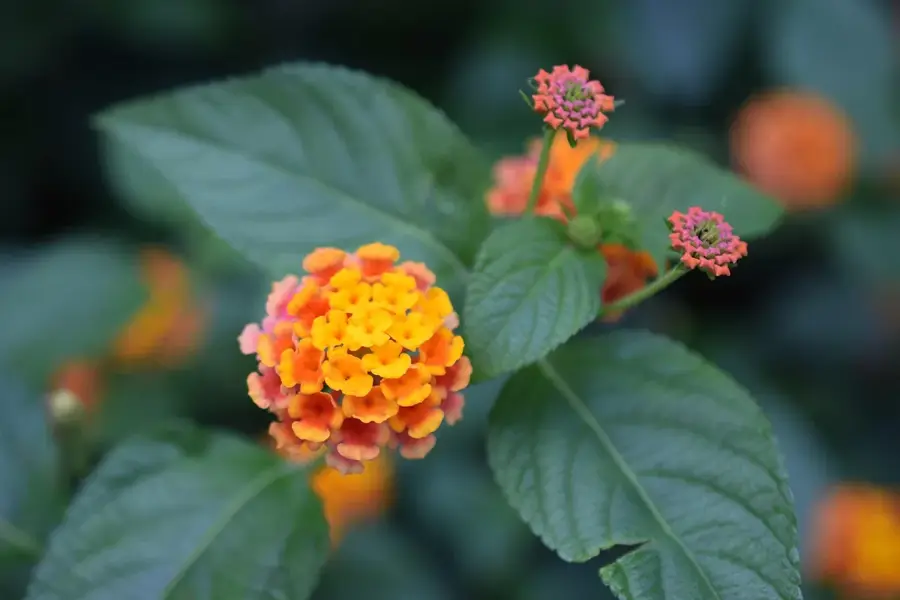
Camara Laye House
The childhood home of the famous writer Camara Laye in Kouroussa is a place of literary and historical significance, immortalized in his classic 'The…
Learn more →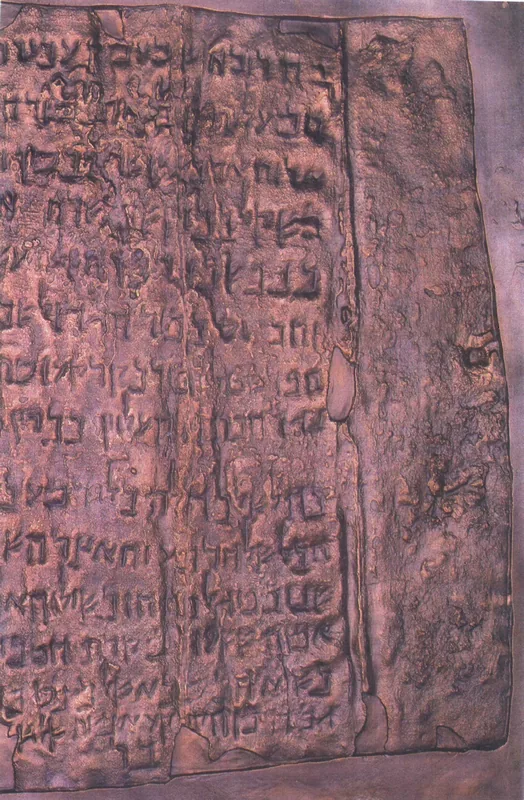
Faran-Kama Monument
This monument in Kankan commemorates Faran Kama, the legendary founder of the city and a significant Mandinka leader who laid the foundation for Kank…
Learn more →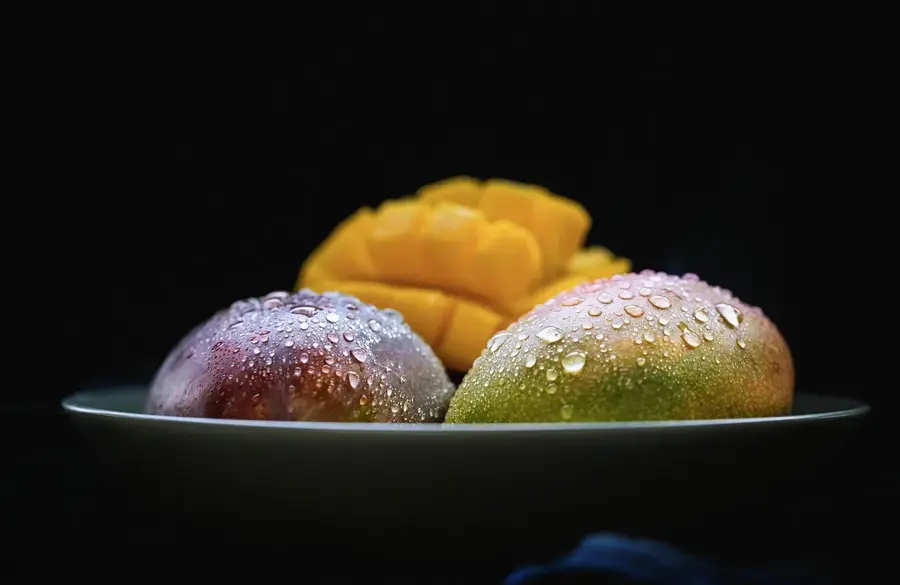
Forécariah Mango Orchards
Forécariah is famous for its productive mango orchards.
Learn more →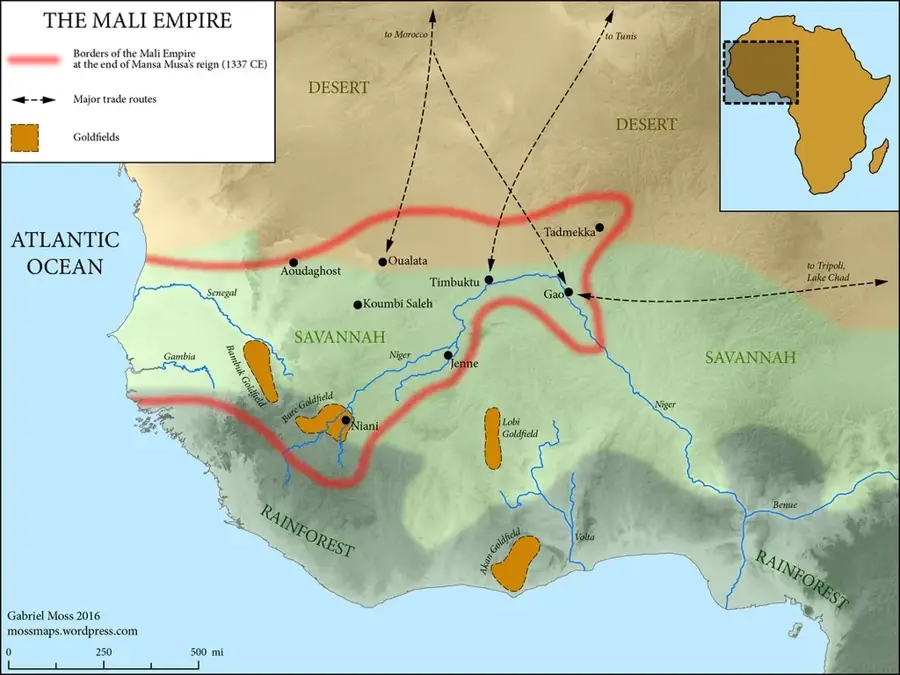
Niani
Niani was the ancient capital of the Mali Empire during its heyday in the 13th and 14th centuries.
Learn more →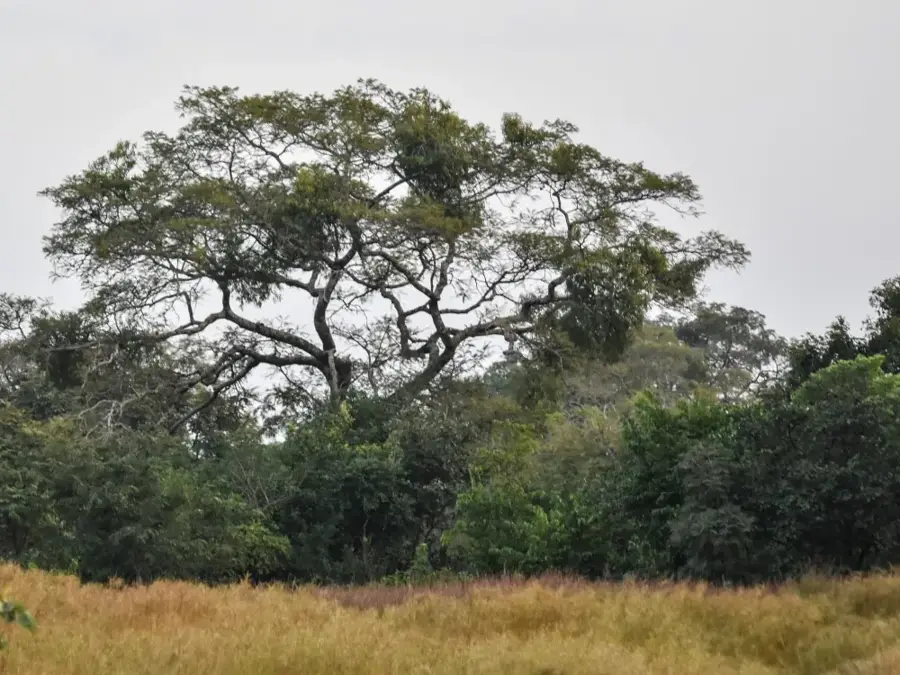
Mafou Forest
The Mafou Forest is a core area of the Upper Niger National Park.
Learn more →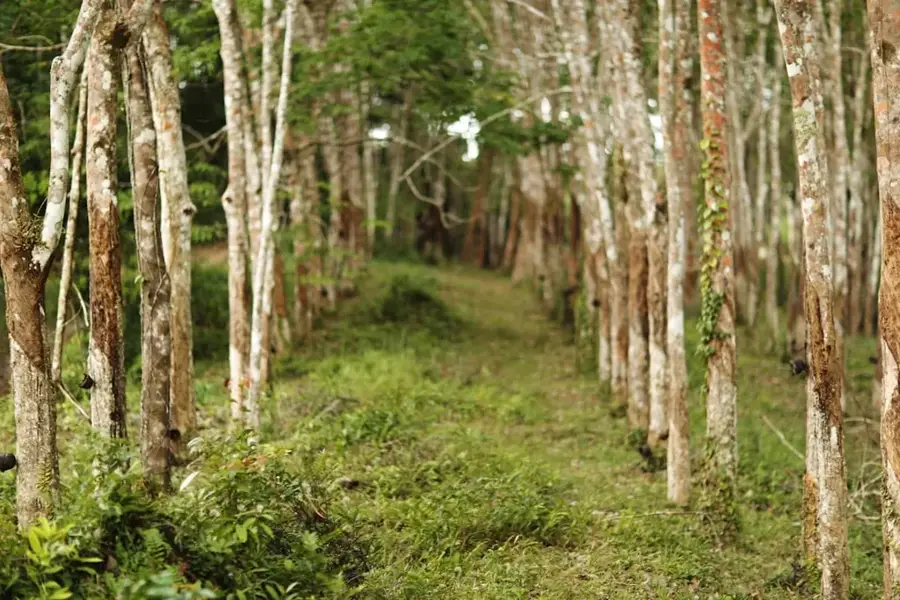
Macenta Rubber Plantations
The Macenta region is famous for its extensive rubber plantations.
Learn more →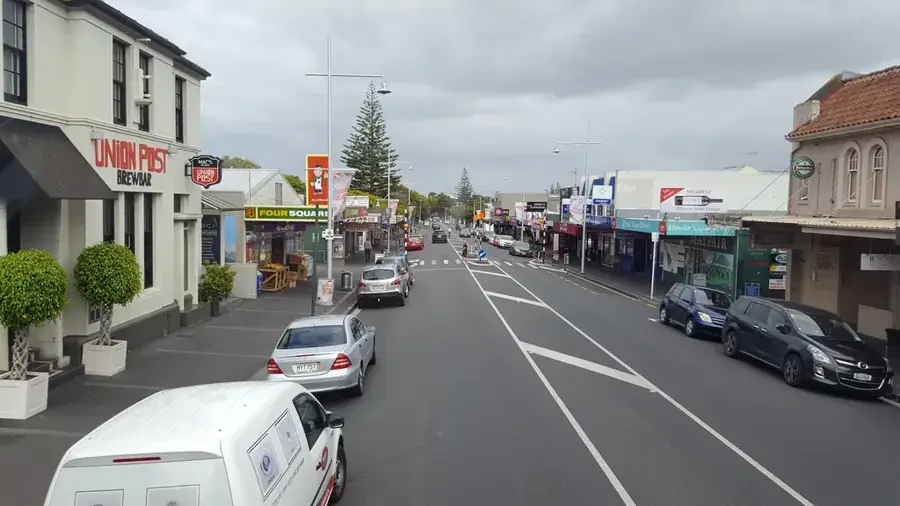
Boffa Mission Station
Founded in 1877, the Catholic mission of Boffa was the first of its kind in Guinea.
Learn more →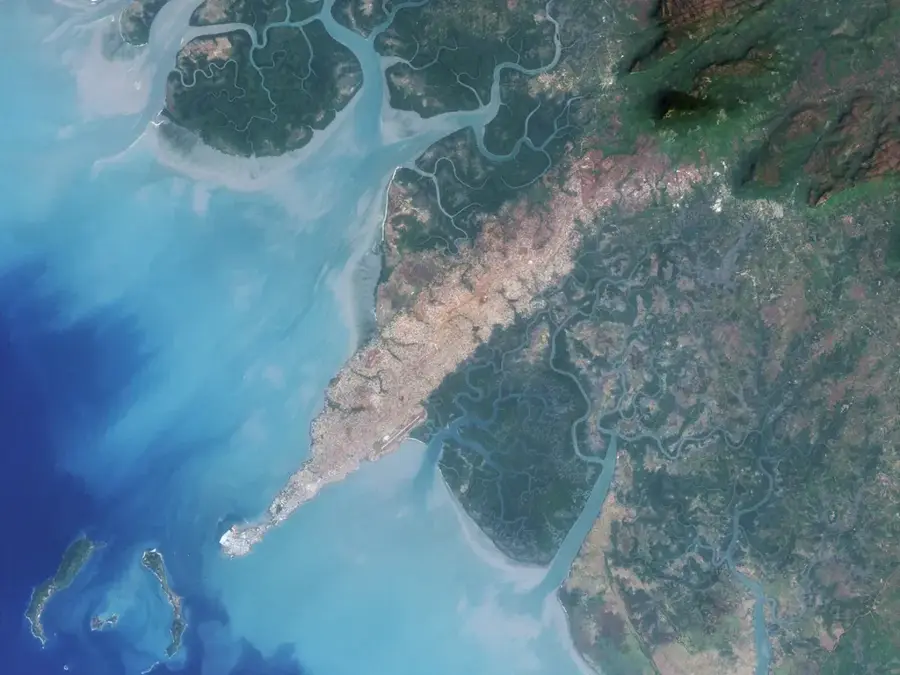
Camayenne Mausoleum
The Camayenne Mausoleum in Conakry is the final resting place of many Guinean national heroes, including Samory Touré and Sekou Touré, the first pres…
Learn more →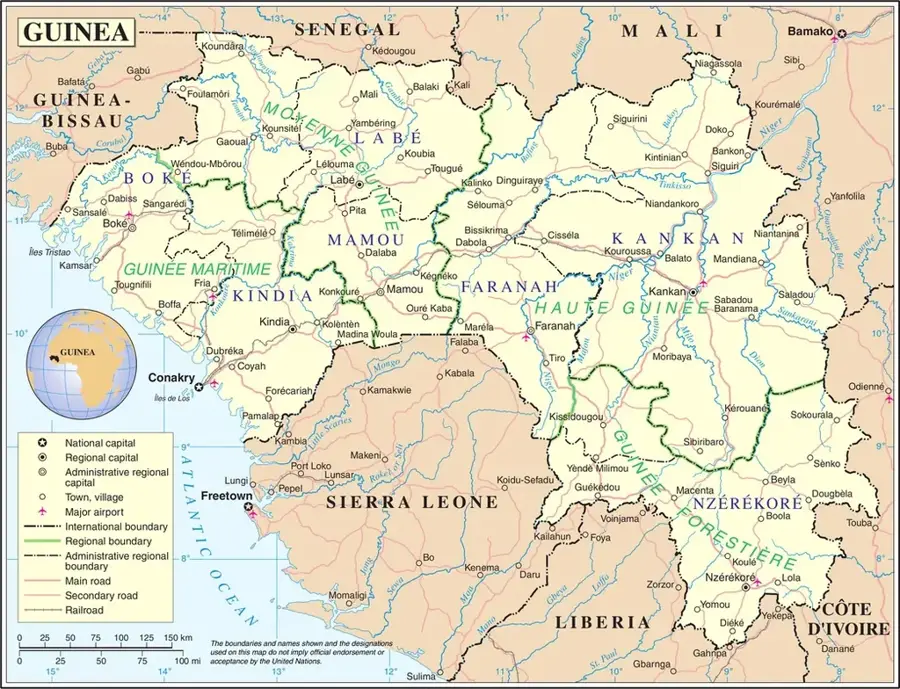
Diecké Forest
The Diecké Forest Reserve in southern Guinea is a significant rainforest, crucial for the conservation of rare animal species such as chimpanzees and…
Learn more →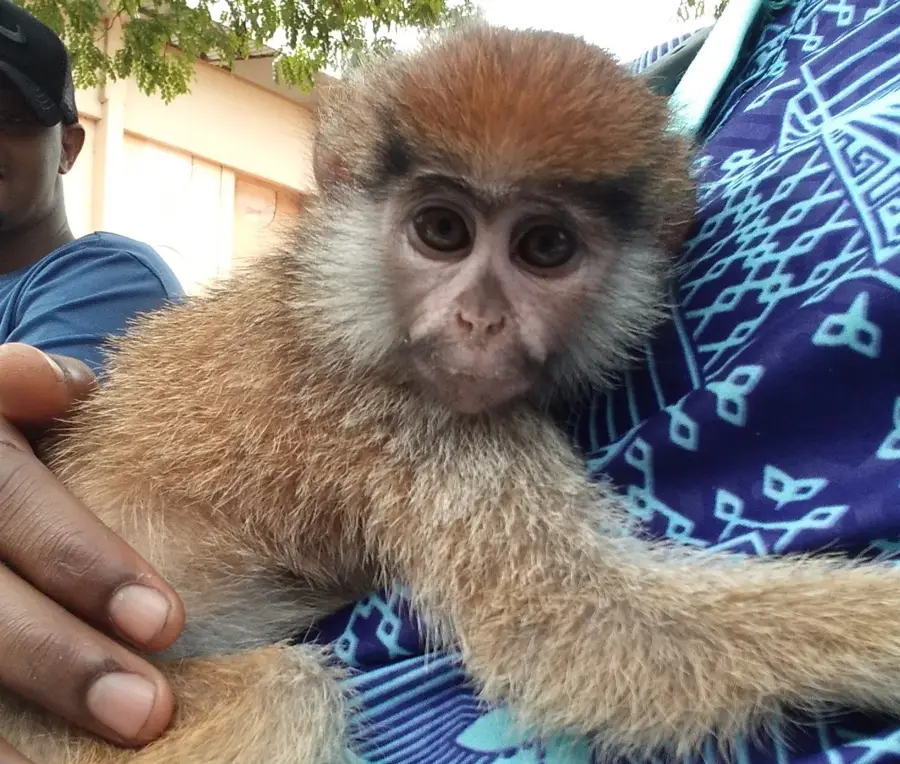
Almamy Yaya Tomb
Located in Labé, this is the tomb of Alfa Yaya Diallo (Almamy Yaya), a significant leader of Fouta Djallon known for his resistance against French ex…
Learn more →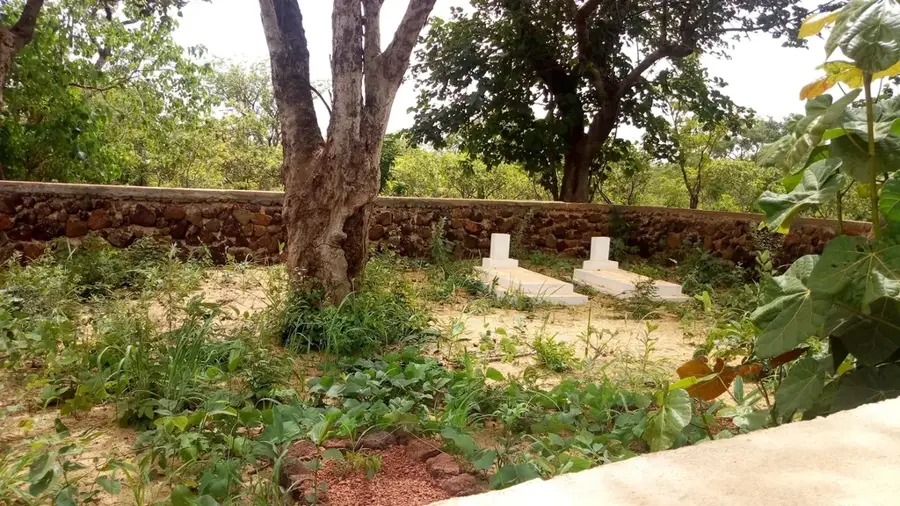
Bissandougou
Bissandougou was the capital of the Wassoulou Empire in the 19th century, founded by Samory Touré.
Learn more →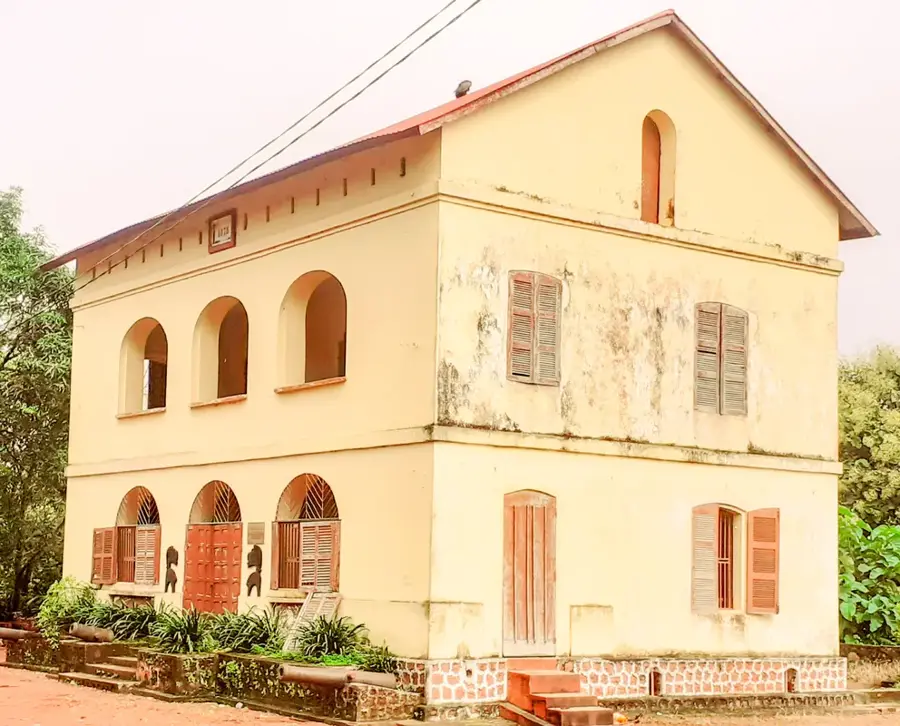
Fort of Boké Museum
The museum is housed in a former French fort built in 1878.
Learn more →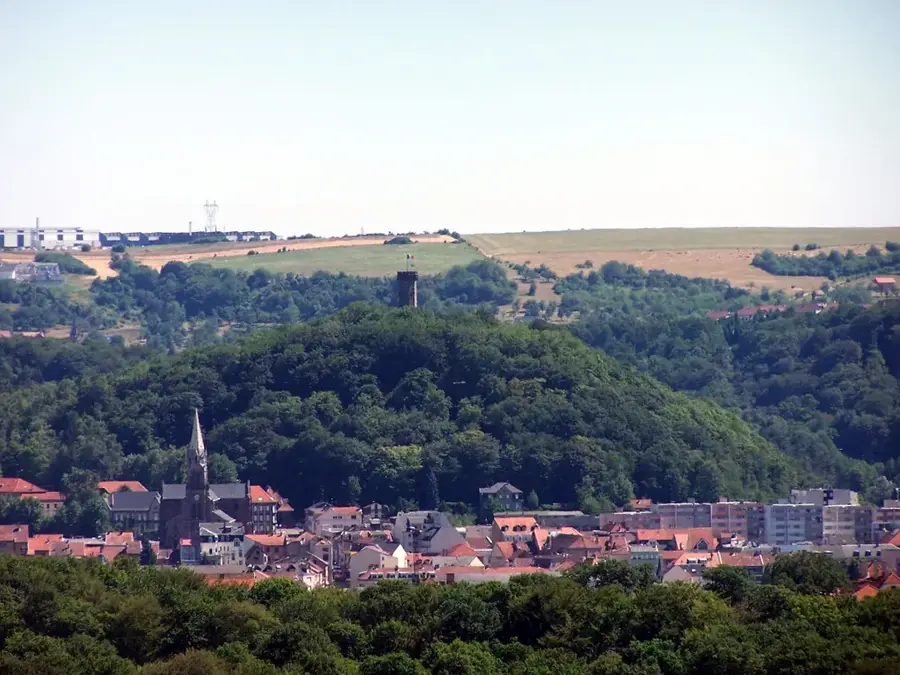
Timbo Mosque
Timbo was the religious and political capital of the Fouta Djallon Imamate.
Learn more →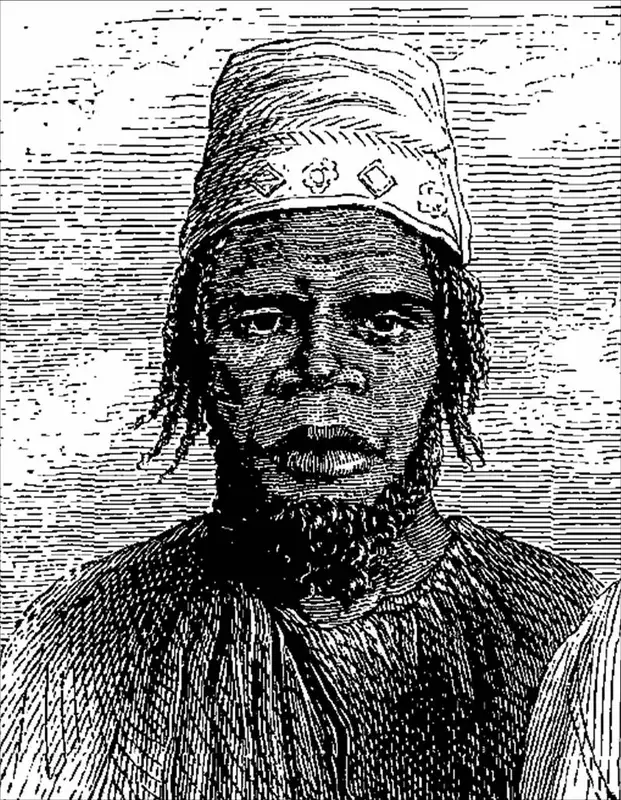
Mamou Livestock Center
Mamou is a major hub for livestock trade and breeding in Guinea.
Learn more →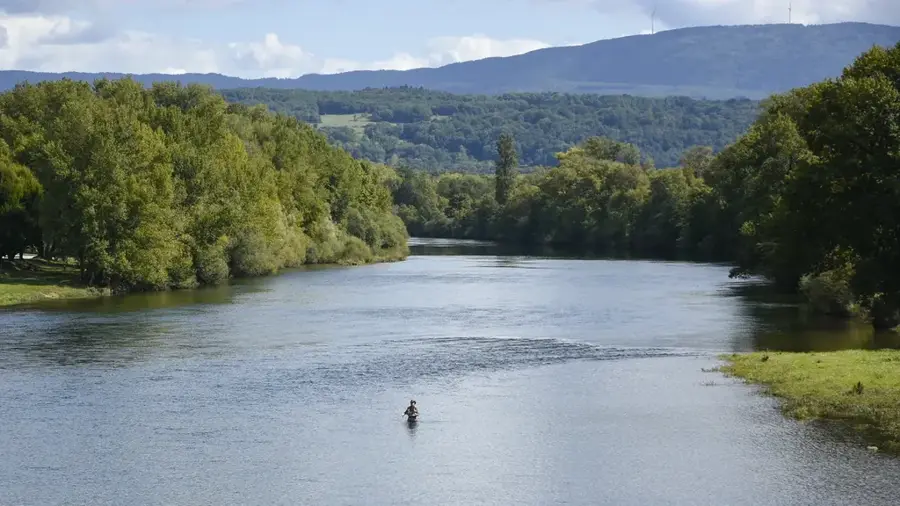
Colombière Cave
This archaeological site near Kindia contains prehistoric finds dating back to the Stone age.
Learn more →Frequently asked questions
What are the top attractions in Guinea?
Among the most popular are Sainte-Marie Cathedral, Conakry Grand Mosque, National Museum of Guinea, Kankan Cathedral, Gamal Abdel Nasser University and many more – the full top 50 list is on this page.
When is the best time to visit Guinea?
May to October offers the most pleasant weather; July and August are warmest and busiest.