Plizio Visual Lab
Pita
ℹ️Practical info — Pita
▾
🌤 Weather — 5 days
📍 Nearby
Sights nearby
💡 Tips
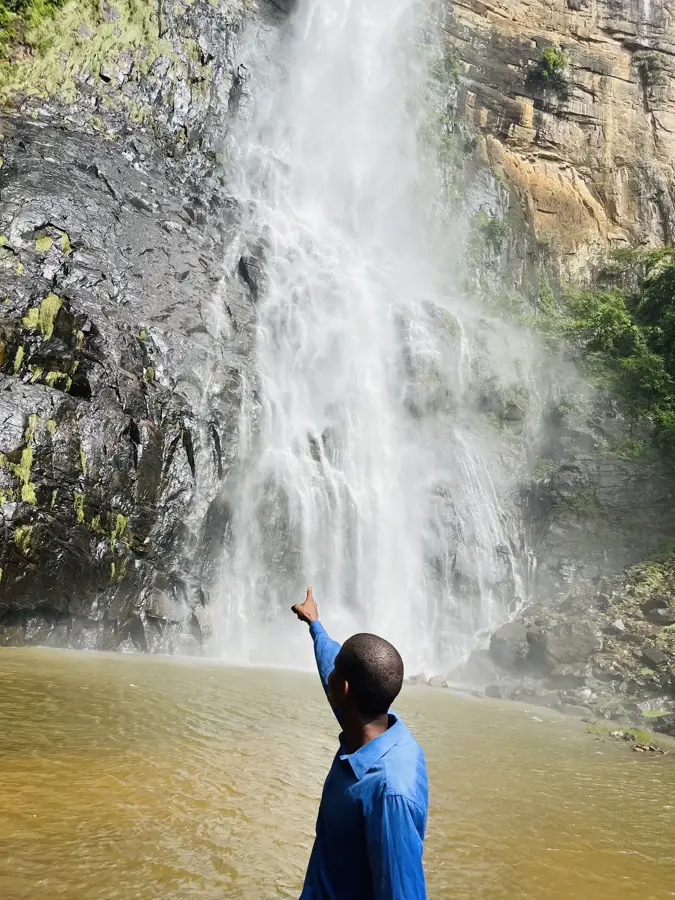
- Pita is the starting point for visiting the Kinkon and Kambadaga waterfalls; arrange for a 4x4 transport in town.
- A small entrance fee is often requested by locals at the waterfalls; carry small notes to make this easier.
- The town is famous for traditional weaving; ask locals for directions to the weavers' compounds to see them at work.
- The climate is milder here, but rain is frequent, so packing a waterproof jacket is essential.
🍽 Food
Look for small neighborhood restaurants serving this rich peanut stew, usually accompanied by white rice.
During the season, buy large, buttery avocados from the town's central market.
Grab a quick, hot snack of deep-fried bean dough from street-side sellers in the morning.
🛍 Shopping · 🧘 Quiet spots
Purchase the renowned indigo-dyed cotton fabric directly from the traditional weavers in their workshops.
Browse the markets for intricately woven decorative baskets made by local artisans.
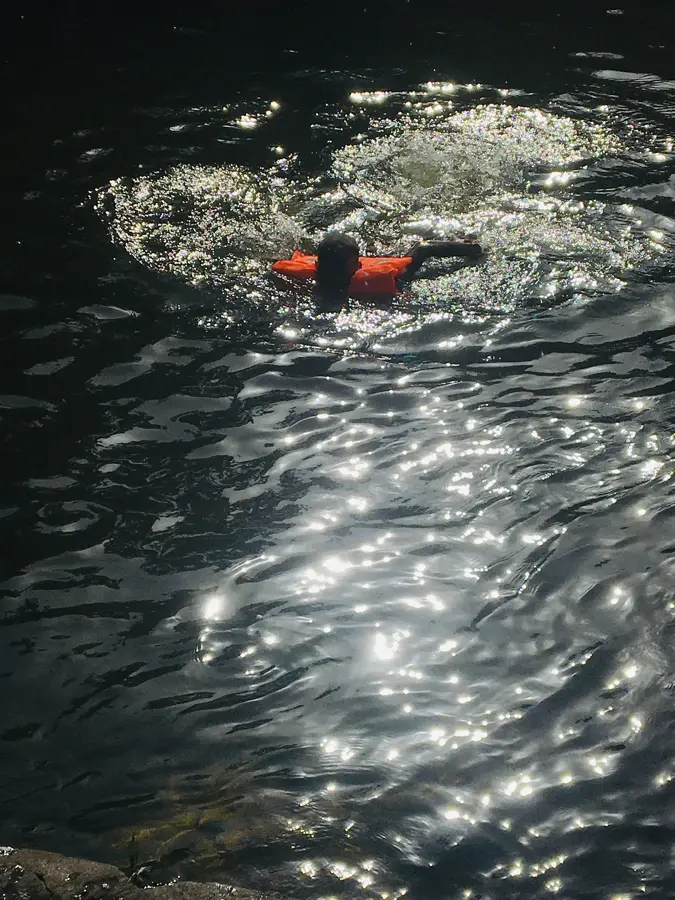
Beyond the main falls, the surrounding rocky landscapes offer incredibly peaceful spots for a quiet break.
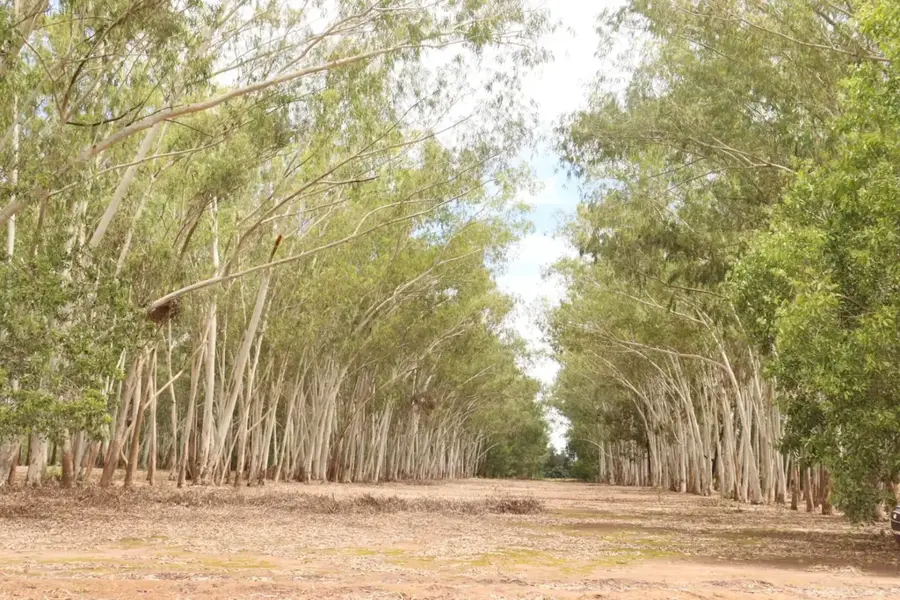
Wander into the pine-forested areas outside the town limits for a serene, cool atmosphere.
Water temperature…
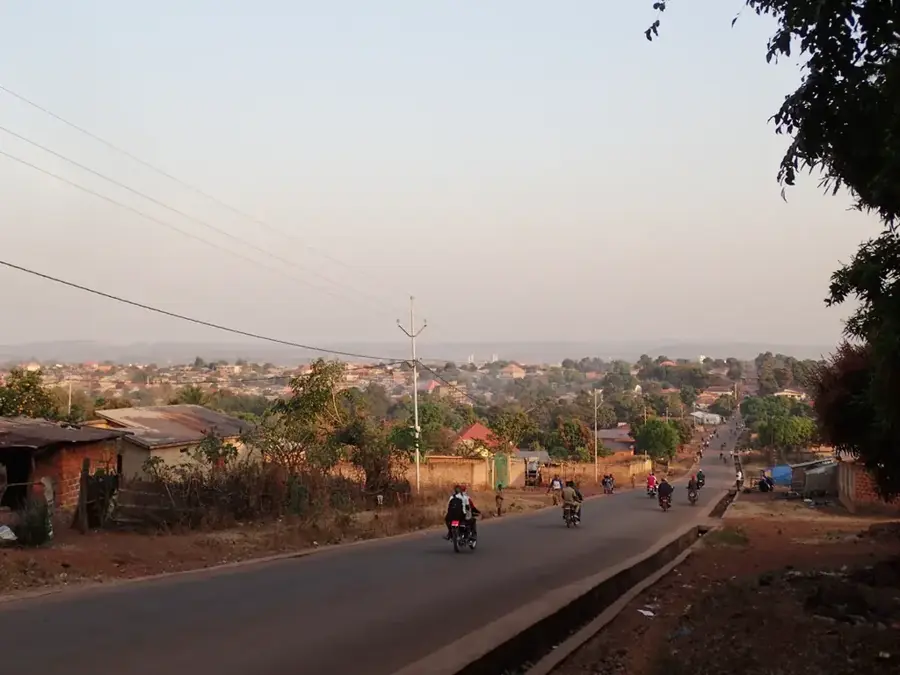
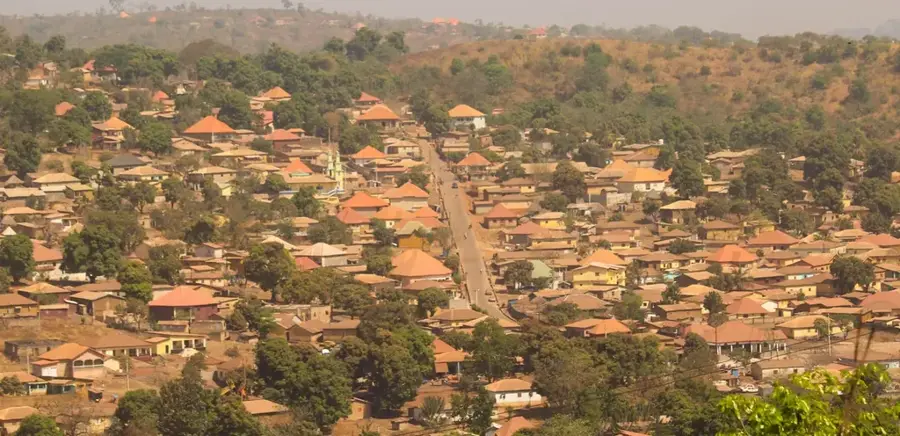
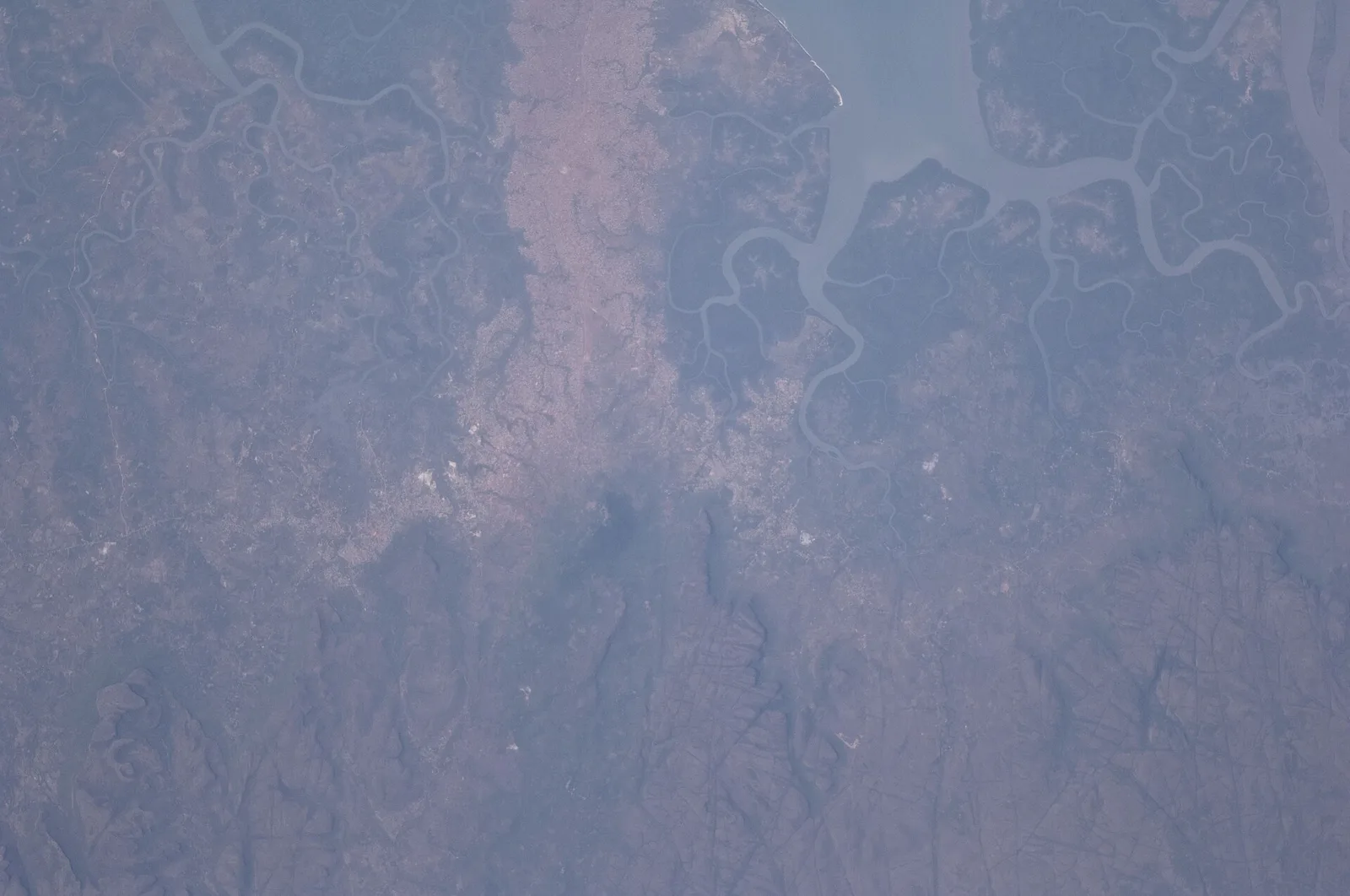
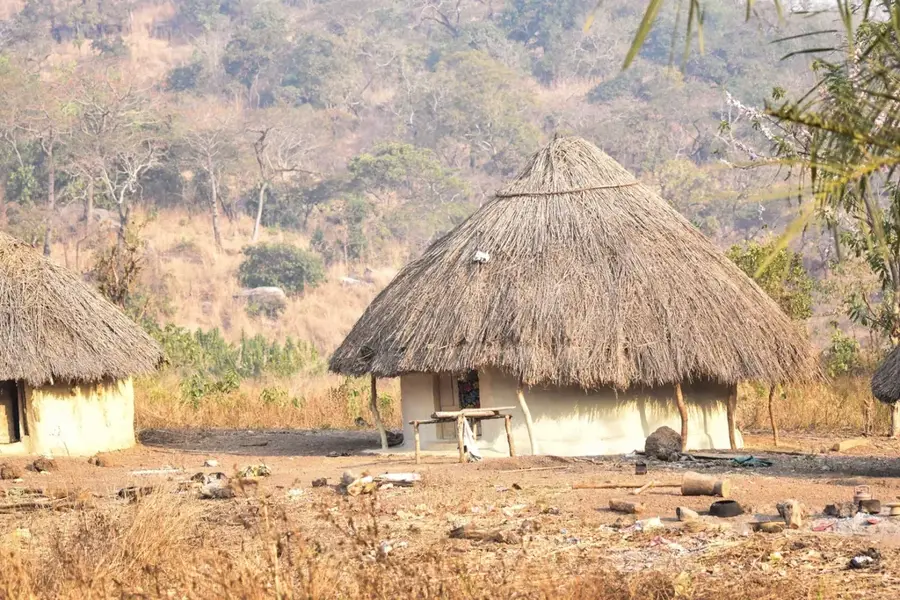
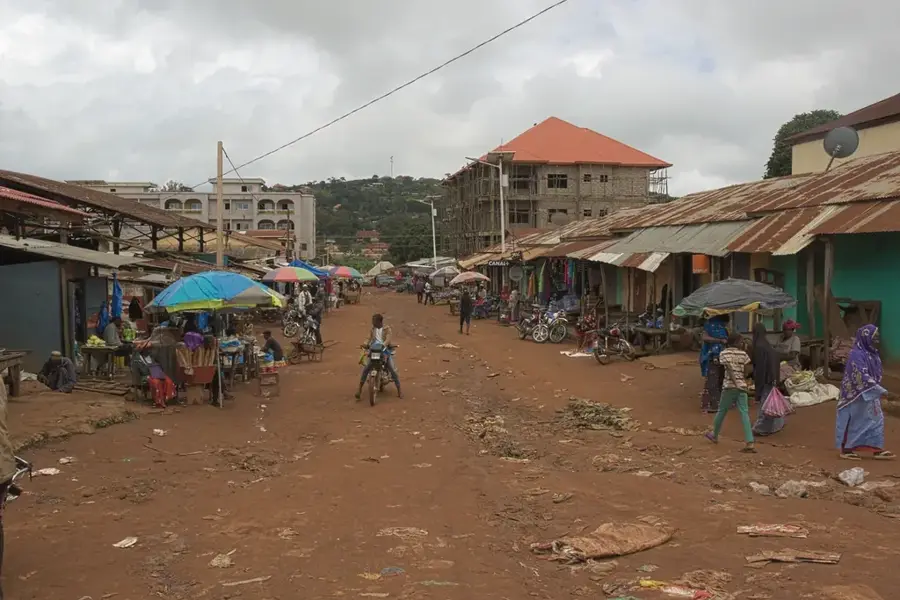
Pita is one of the most prominent towns in the central Fouta Djallon highlands and serves as the administrative seat of the Pita Prefecture. The town is set in a landscape of exceptional natural beauty, world-famous for its dramatic waterfalls, such as the Kinkon and Kambadaga falls. These landmarks draw numerous visitors, making Pita a central hub for Guinea's burgeoning eco-tourism sector. Geographically, the region is characterized by rolling green hills, deep valleys, and a mild highland climate. Economically, Pita is a significant marketplace for agricultural goods, particularly temperate vegetables and fruits that thrive in the cooler mountain air. A unique cultural and economic hallmark of the town is the production of "Leppi," a traditional hand-woven blue fabric of the Fula people, highly prized for its quality and intricate patterns. Pita is also a spiritual and intellectual center with a long-standing tradition of Islamic scholarship. The population is predominantly Fula, and the town maintains a strong cultural identity reflected in its architecture and crafts.
- Location: Guinea
- Top sights: Pita, Guinea · Pita Prefecture
- Nearby: Kambadaga Falls (12 km)
- Population: ~25.355 (2023)
Best time to visit & climate
The most pleasant time to visit is Jan, Nov, Dec.
| Jan | Feb | Mar | Apr | May | Jun | Jul | Aug | Sep | Oct | Nov | Dec | |
|---|---|---|---|---|---|---|---|---|---|---|---|---|
| Avg °C | 24 | 27 | 28 | 28 | 27 | 24 | 23 | 22 | 22 | 23 | 23 | 23 |
| Rain mm | 2 | 2 | 4 | 24 | 126 | 259 | 485 | 597 | 368 | 133 | 21 | 0 |
Geography
Facts
- Pita is home to the Kinkon Falls, which house one of Guinea's oldest hydroelectric plants.
- The town is the primary production center for the traditional "Leppi" woven fabric.
- It is a major regional hub for the trade of potatoes, cabbage, and other vegetables.
- The Kambadaga Falls nearby are among the most visited natural sites in the Fouta Djallon.
- Pita has a reputation as an important center for Islamic learning and Quranic schools.
- The town's climate is notably cooler and less humid than the Guinean coast.
Explore nearby
Notable places around

Route planner — Car & Motorhome
Where do you start? We build the route here, with stops and country notes along the way.
© OpenStreetMap contributors · OpenRouteService
Sights in the town Pita (2)
Frequently asked questions
What are the most famous natural wonders near Pita?
Can you stay overnight in Pita?
What is the 'Case à Palabre'?
What is the climate like?
Are there local markets?
Pita: where is it located?
Pita: what is there to see?
Pita: when is the best time to visit?
Pita: why is it worth visiting?
Nearby cities
Nature
More places