Plizio Visual Lab

Khvamli Massif
Plizio editorial teamData Sources
Mountain
—°9
Khvamli Massif (Georgia)

Weather…

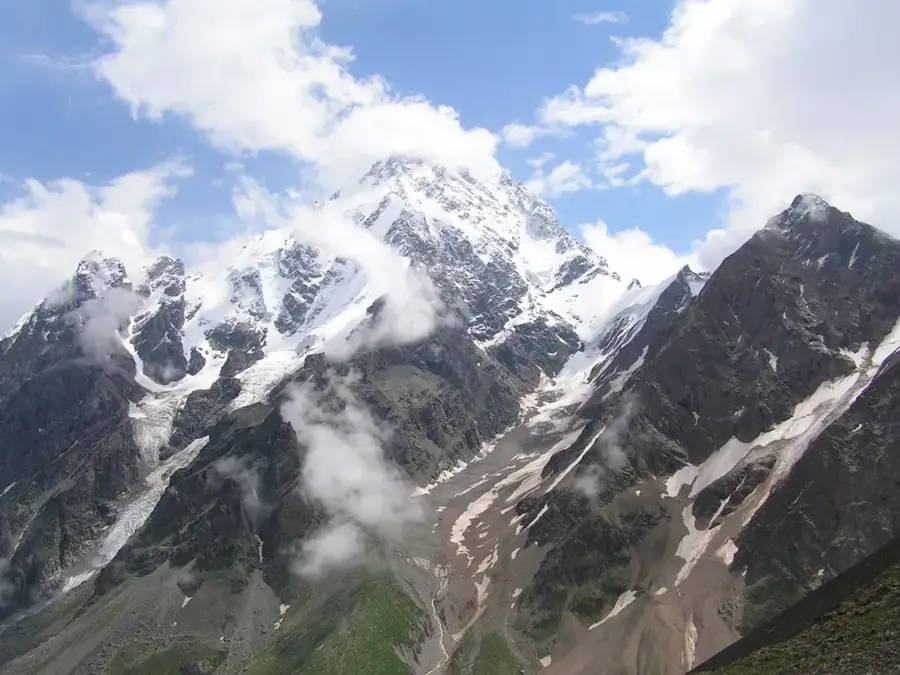
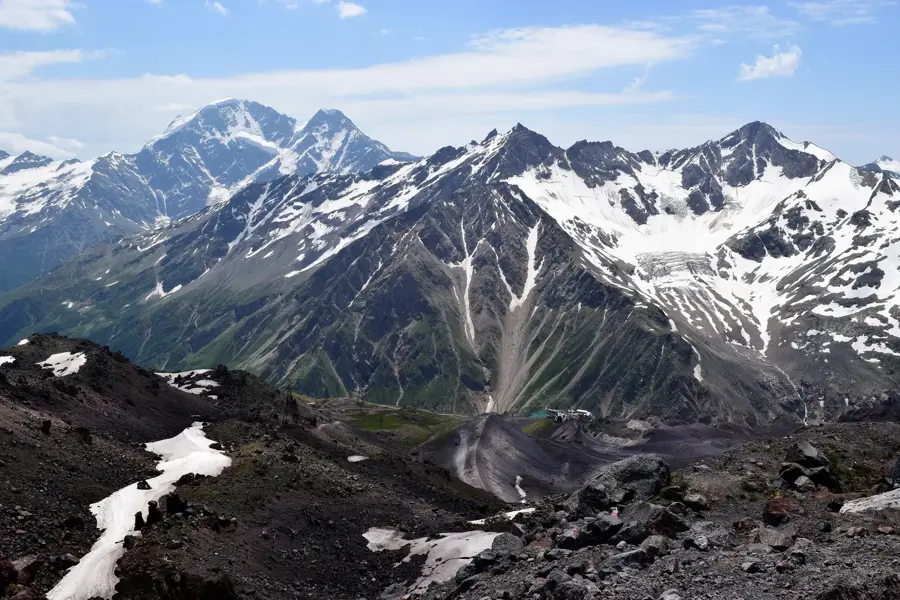
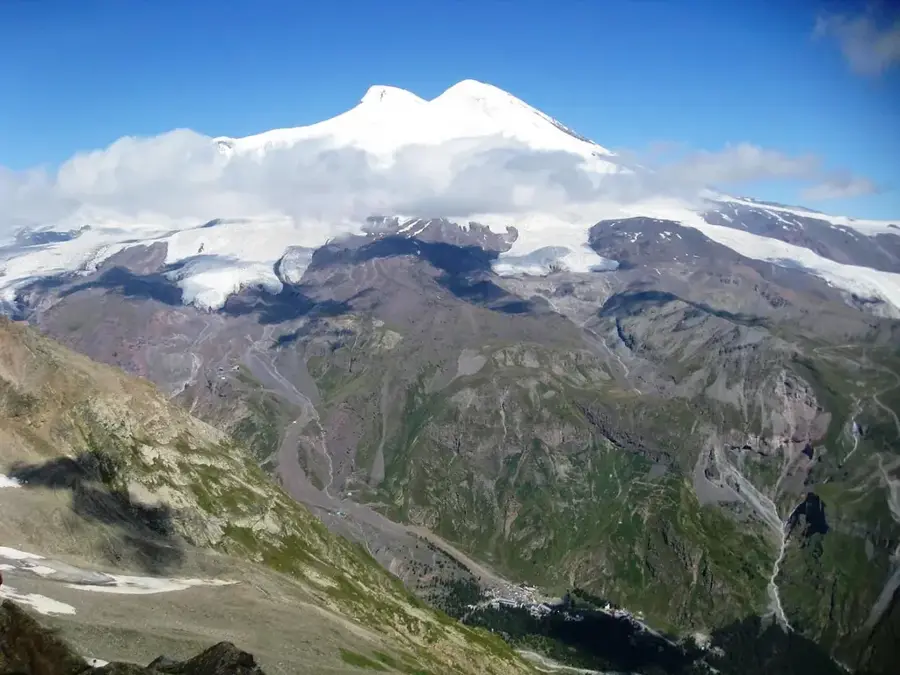
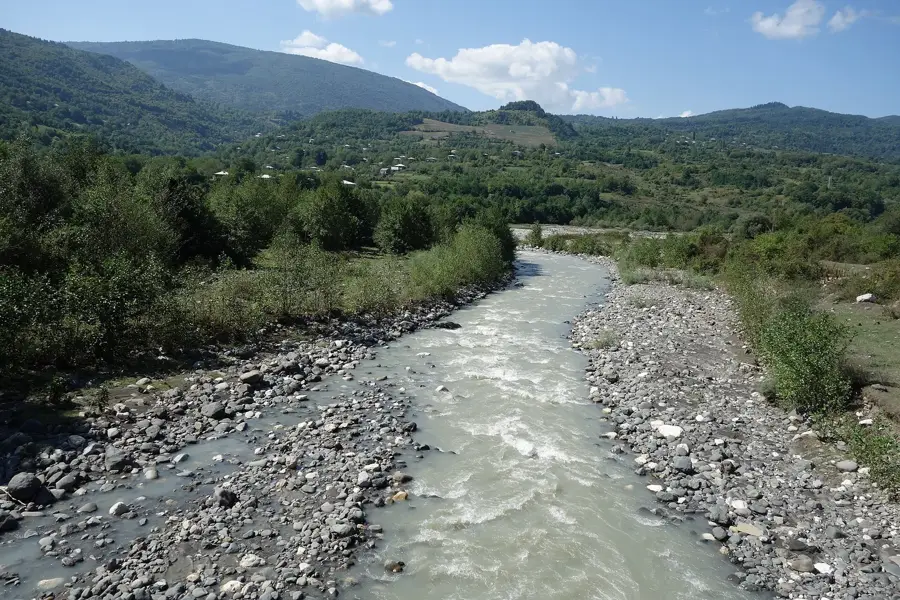
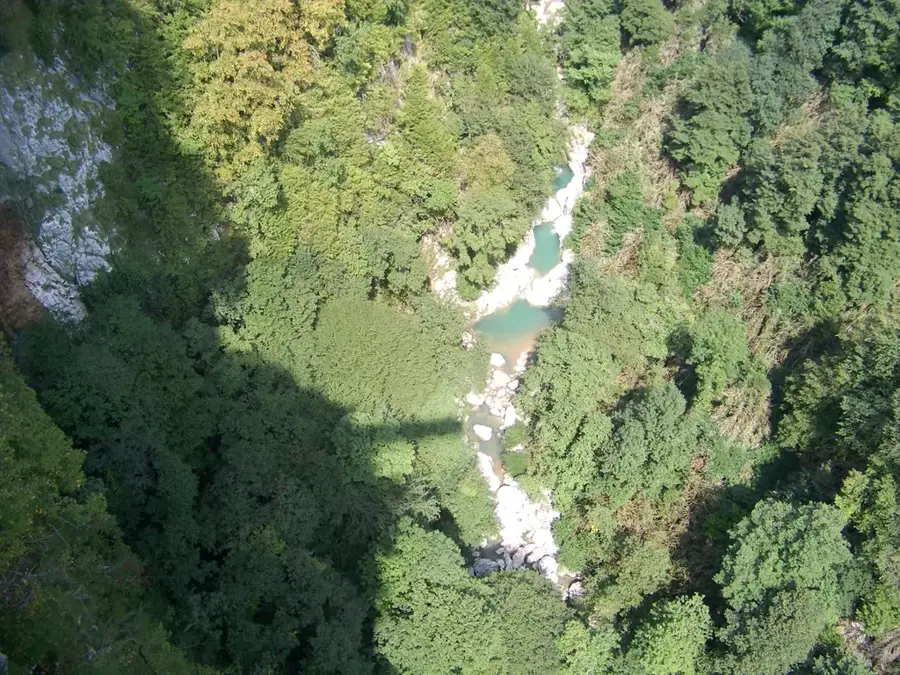
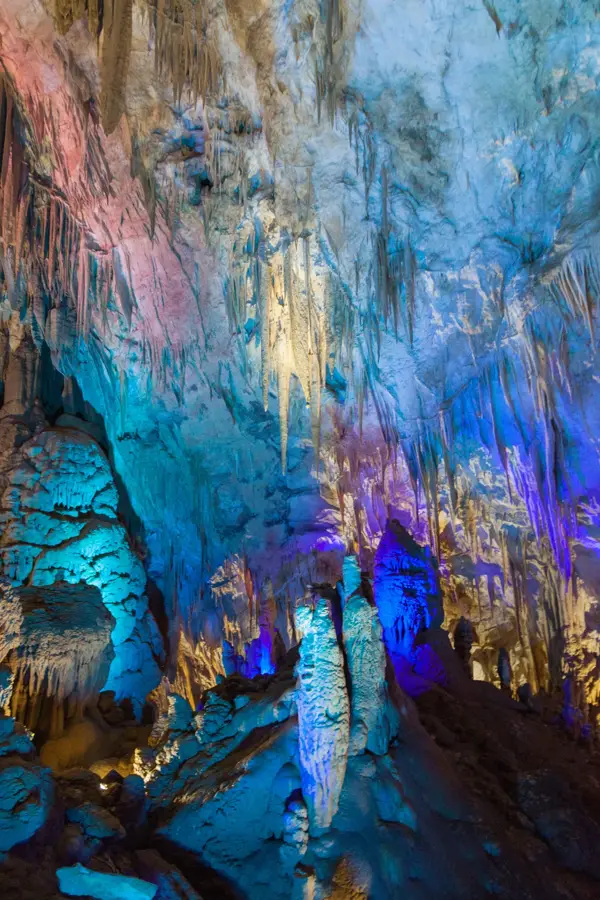
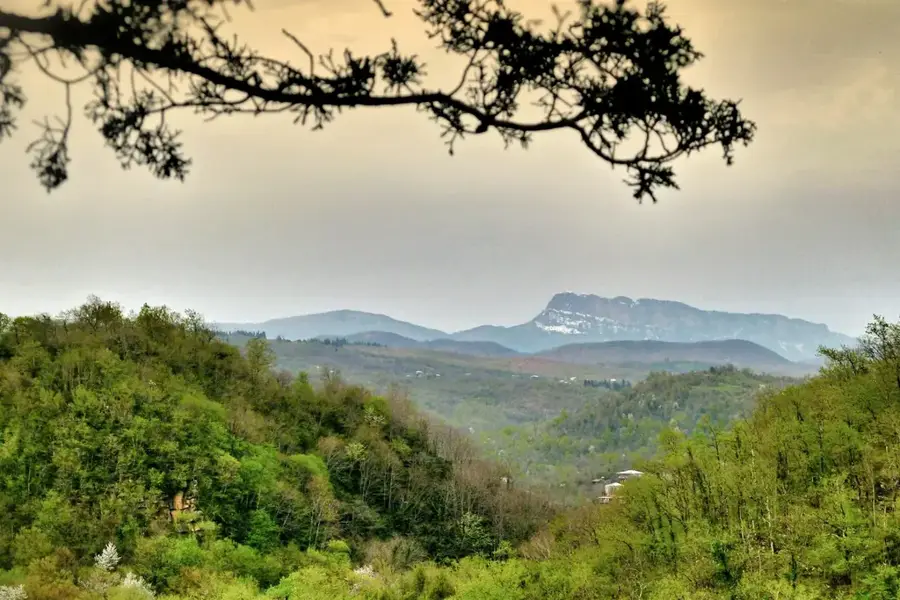
The Khvamli Massif is a legendary limestone plateau located in the Racha-Lechkhumi and Lower Svaneti region of western Georgia. Reaching a maximum elevation of 2002 meters, it rises steeply above the valleys of the Rioni and Tskhenistskali rivers. Geologically, the massif is characterized by prominent karst features, including numerous caves, deep gorges, and sheer vertical cliffs. Khvamli holds a central place in Georgian mythology and is frequently associated with the legend of Prometheus, who was said to be chained to these very rocks. Historically, the massif was viewed as an impregnable natural fortress where Georgian monarchs would hide state treasures and sacred relics during times of invasion. Its dense forests and isolated position have helped preserve a rich biodiversity, including rare plant species that thrive on its limestone outcrops. Archaeological surveys have uncovered traces of human activity from various eras, as well as ancient inscriptions within its cave systems. Today, Khvamli is a popular destination for hikers and naturalists seeking a unique blend of natural wonder and historical mystery.

Best time to visit & climate

The most pleasant time to visit is Jun–Aug.

JanFebMarAprMayJunJulAugSepOctNovDec
Avg °C0151015202324191472
Rain mm96801057369776864103112111102

📋 Practical info

🧭
Getting there
The massif is usually approached from the broader Lechkhumi region by vehicle via rough mountain roads, though reaching the higher plateau often requires a sturdy 4x4.
📅
Best season
Summer and early autumn are typically the safest and most enjoyable times to visit, when the tracks are generally dry and the legendary limestone peaks are clear of heavy snow.
⛰️
Terrain & paths
Expect steep, rugged limestone formations with uneven, rocky trails and significant elevation gains, making it a moderately challenging trek suitable for fit hikers.
🎒
What to bring
Reliable ankle-supporting hiking boots, layered clothing for changing mountain weather, plentiful water, and navigation tools are essential for safely exploring the vast plateau.
🅿️
Parking
Depending on road conditions, parking is often informal near the end of the drivable dirt tracks, where visitors leave their cars to begin the steep final ascent on foot.
⚠️
Safety
The sheer limestone drops and lack of marked infrastructure mean visitors should proceed with great caution, ideally employing a local guide familiar with the mythological landscape.
⏱️
Time needed
A typical trip here requires at least a full day, as the challenging access and the time needed to thoroughly explore the plateau and its viewpoints demand an extended schedule.

Geography

Coordinates
42.60000, 42.70000

Facts

  • The maximum elevation of the Khvamli Massif is 2002 meters.
  • It is primarily composed of Cretaceous limestone.
  • Georgian epics cite it as a hiding place for royal treasures.
  • The massif is famous for its deep vertical karst shafts.
  • It is mythologically linked to the legends of Prometheus and the Argonauts.
  • The plateau offers a panoramic view over the entire Colchis lowland.

Explore nearby

Notable places around

Route planner — Car & Motorhome

Where do you start? We build the route here, with stops and country notes along the way.

Vehicle
Only stops with (optional):

© OpenStreetMap contributors · OpenRouteService

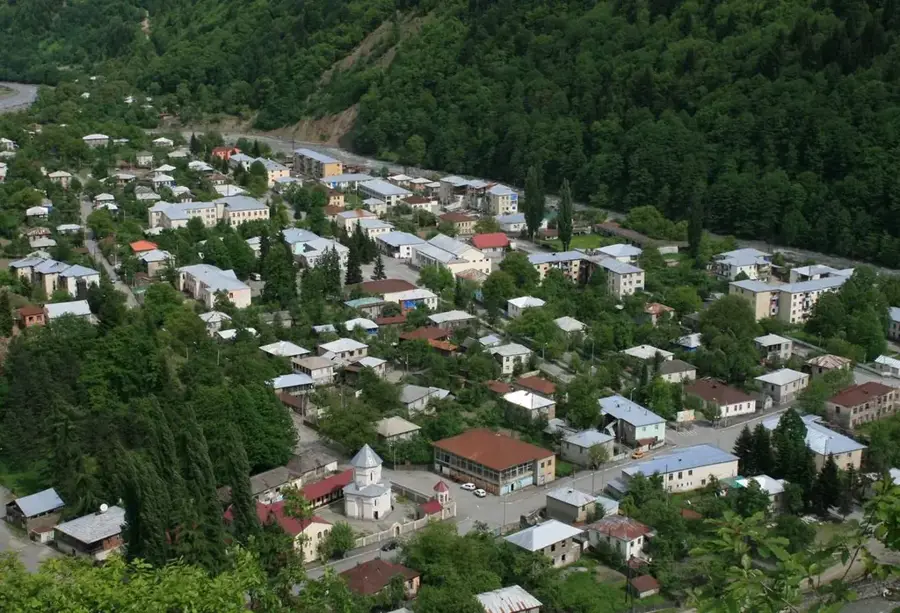
Sights in the town Khvamli Massif (9)

c`ixe-simagre "ucvashi"🏺 historical

Ruins of a medieval mountain fortress perched on the rugged cliffs of the Khvamli Massif.

Tekenteri karst well📍 landmark

A mysterious karst well on Khvamli mountain where water is said to drip from a hollow tree.

Ghvirishi waterfall view🌿 nature

This viewpoint provides a spectacular look at the Ghvirishi waterfall set amidst steep rock faces.

Zanduri House🌿 nature

A traditional house serving as a viewpoint over the scenic Lechkhumi valley.

sosileis c`ixis nangrevebi🏰 castle

The remains of Sosilei Castle are strategically perched above the mountain passes of Lechkhumi.

Muristsikhe fortress🏰 castle

This medieval fortress once secured the entrance to the gorge of the Tskhenistskali river.

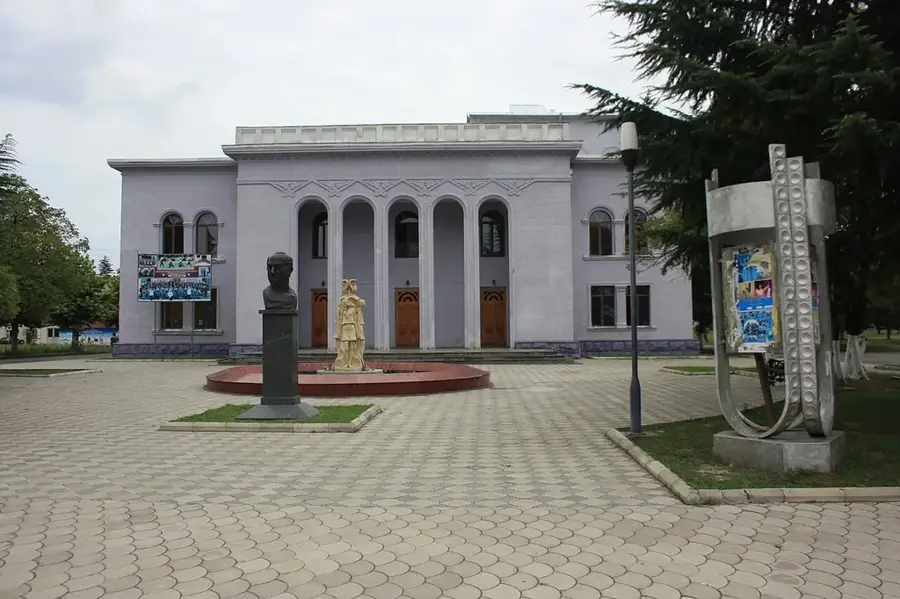
Green Theater🎭 culture

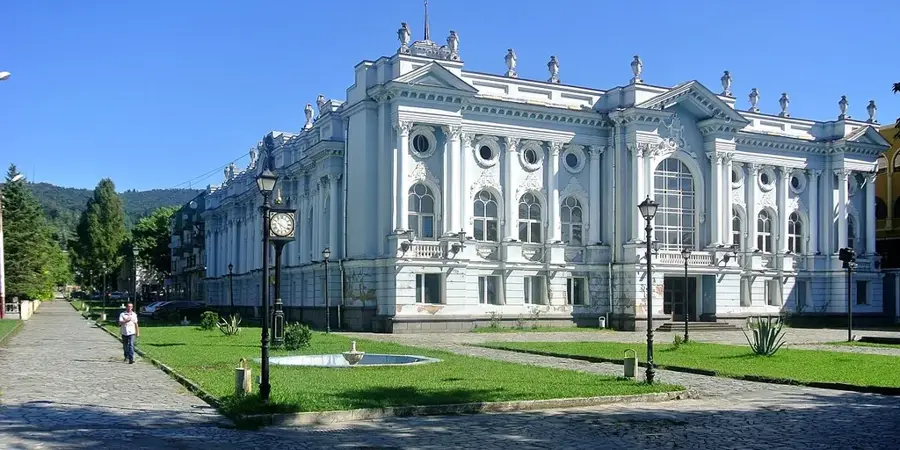
An open-air stage in Tsageri used for performances amidst the green mountain scenery.

Makhura Virgin Mary Church📍 landmark

A simple Virgin Mary church in Makhura village, surrounded by the wild nature of the Khvamli Massif.

Chkumi Archangel Church📍 landmark

The Archangel church of Chkumi is a historic stone building in a remote mountain village.

Sights nearby

Frequently asked questions

What is the Khvamli Massif?
A prominent limestone massif in western Georgia (Lechkhumi region) that rises vertically from the plain.
What legends are associated with the massif?
According to myth, Prometheus was chained to the rocks here; it's also said to hide the treasure of Georgian kings.
Can you hike on the massif?
Yes, there are trails leading to the plateau, offering sweeping views over Kolkheti.
Are there caves in the Khvamli Massif?
Yes, the limestone mountains are rich in karst caves, some of which have been archaeologically explored.
How high is the highest point?
The highest peak of the massif is at 2,002 meters.
Khvamli Massif: where is it located?
Khvamli Massif is located in Georgia.
Khvamli Massif: what is there to see?
Highlights include c`ixe-simagre "ucvashi", Tekenteri karst well, Ghvirishi waterfall view.
Khvamli Massif: when is the best time to visit?
The most pleasant time to visit is Jun, Aug.
Khvamli Massif: why is it worth visiting?

The Khvamli Massif is a legendary limestone plateau located in the Racha-Lechkhumi and Lower Svaneti region of western Georgia.
View on map → The Top 50 Attractions → OpenStreetMap →
Asia
Explore with Plizio Discover more places in Asia
More places in Georgia →

Nearby cities

History & landmarks
Nature
More places