Plizio Visual Lab

Causses
Plizio editorial teamData Sources
Mountain
—°7
Causses (France)

Weather…

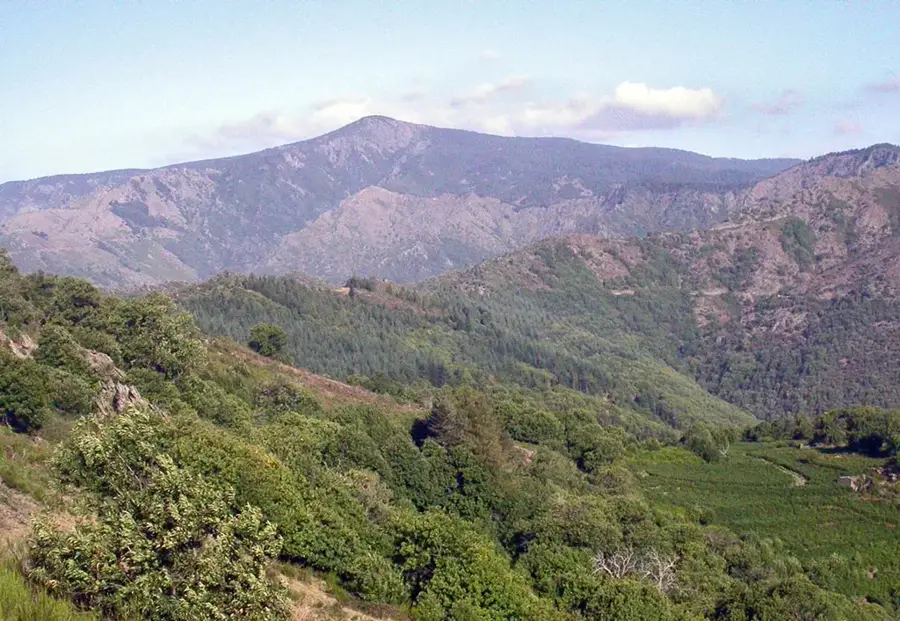
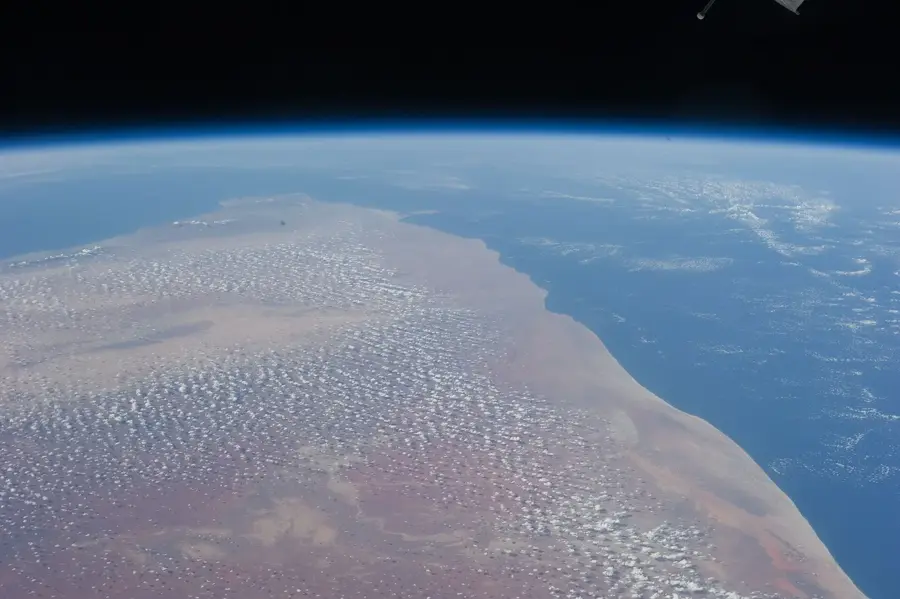
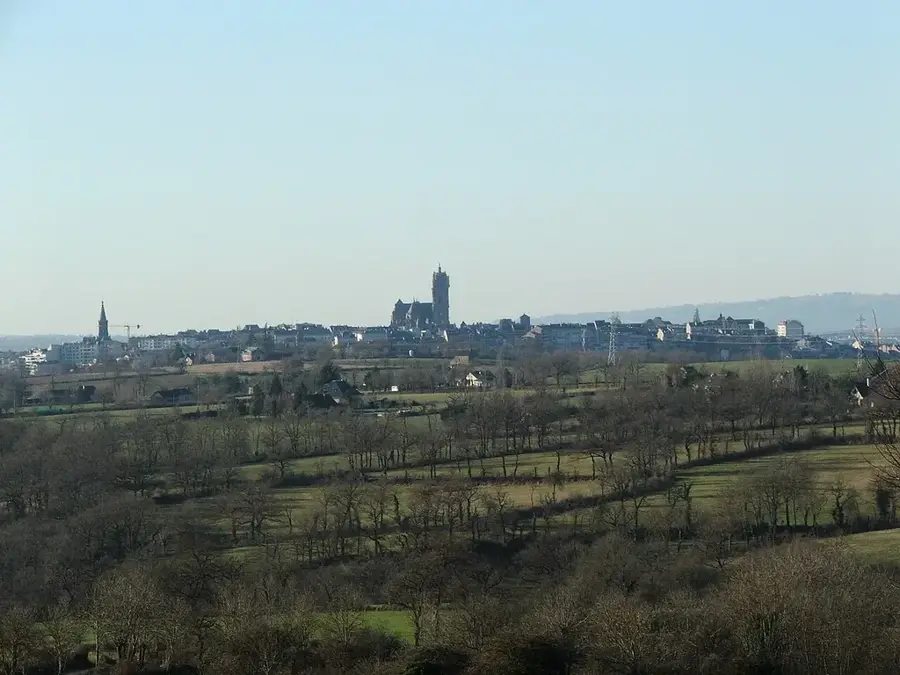
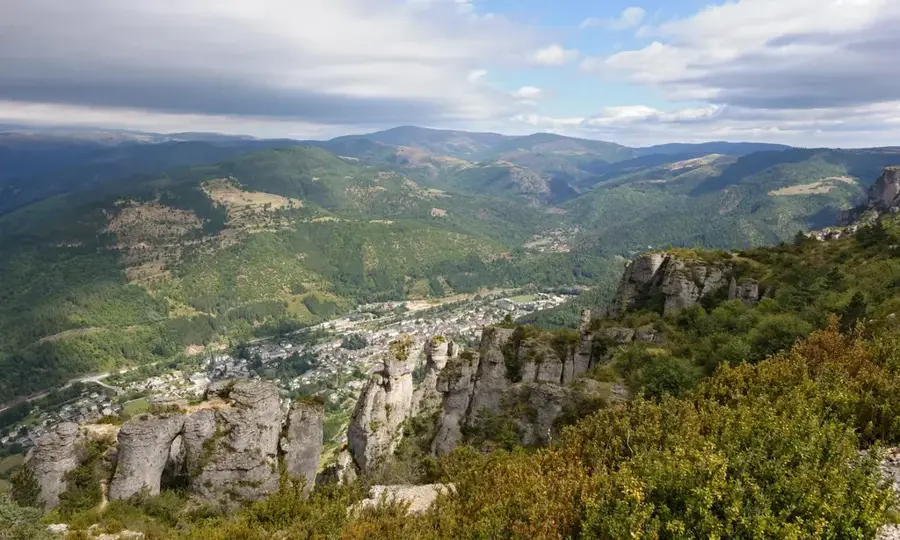
The Causses are a series of high limestone plateaus in the southern Massif Central of France, distinguished by their stark, semi-arid landscapes and profound geological features. Elevating between 700 and 1,200 meters, these plateaus, including the Grands Causses like Larzac and Méjean, are deeply incised by spectacular river canyons such as the Gorges du Tarn. The geology is fundamentally karstic; rainwater quickly disappears through fissures in the limestone, creating vast underground networks of caves and sinkholes while leaving the surface dry. This environment has dictated a unique pastoral economy centered on sheep farming, which has endured for over three millennia and provides the milk for the world-renowned Roquefort cheese. In 2011, the Causses and the neighboring Cévennes were designated a UNESCO World Heritage site, honoring the cultural landscape of Mediterranean agro-pastoralism. The region is characterized by sparse vegetation, traditional dry-stone architecture, and a profound sense of isolation and wilderness.

Best time to visit & climate

The most pleasant time to visit is Jun–Aug.

JanFebMarAprMayJunJulAugSepOctNovDec
Avg °C114811161918141051
Rain mm69556182876152547412011375

📋 Practical info

🧭
Getting there
These striking limestone plateaus in the southern Massif Central can mostly be reached via winding, often narrow country roads that climb up from the river valleys and can be quite challenging to navigate for drivers unused to the steep terrain.
📅
Best season
Spring and autumn are usually considered the best seasons for a visit, as the summers on the shadeless plateaus can become extremely hot and intensely dry, while the cooler months offer a much more pleasant and forgiving climate for outdoor hiking.
⛰️
Terrain & paths
The terrain is characterized by wide, barren plains abruptly cut by very deep and spectacular gorges, meaning that hikes often combine flat, highly exposed stretches with extremely steep descents and grueling ascents at the edges of the deep canyons.
🎒
What to bring
Strong sun protection is essential on the plateaus; additionally, hikers should always carry a large amount of water, sturdy footwear for the sometimes rocky edges of the gorges, and possibly wind protection for the completely unprotected flat areas.
🅿️
Parking
Vehicles can generally be left in the small villages on the plateaus or at specially established viewpoints directly above the large gorges, where small parking areas are often made readily available for tourists, sightseers, and passing hikers.
⚠️
Safety
Special caution is required at the often unsecured edges of the deep canyons; in the event of strong winds or extreme summer heatwaves, long stays on the completely shadeless plains should definitely be avoided to ensure your own personal safety.
⏱️
Time needed
The time spent here mostly ranges from short stops at the gorge viewpoints to multi-day hiking expeditions, during which visitors can fully explore the vast dimensions of the plateaus and the highly unique cultural characteristics of the local region.

Geography

Coordinates
44.30000, 3.30000

Facts

  • The Causses and Cévennes cover over 300,000 hectares of UNESCO land.
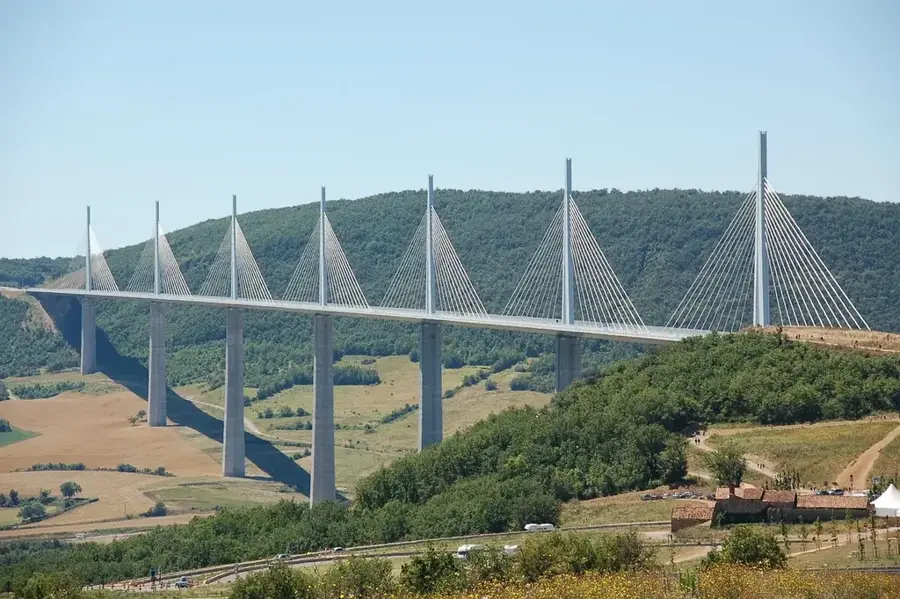
  • The region is home to the Millau Viaduct, one of the highest bridges in the world.
  • Aven Armand cave contains a forest of over 400 unique stalagmites.
  • Sheep milk production is strictly regulated for the Roquefort AOC.
  • The 'chaos de Montpellier-le-Vieux' is a natural labyrinth of rock formations.
  • The plateaus are largely composed of middle and upper Jurassic limestone.

Explore nearby

Notable places around
Route planner — Car & Motorhome

Where do you start? We build the route here, with stops and country notes along the way.

Vehicle
Only stops with (optional):

© OpenStreetMap contributors · OpenRouteService

Sights in the town Causses (7)

Dolmen Roc de la Truque🏺 historical

A prehistoric megalithic tomb located in the Causses region.

Établissement rural du haut moyen age : les Aouzéras🏺 historical

Archaeological site of a rural settlement dating back to the early Middle Ages.

Plage communale🎡 recreation

A public bathing area located by the water in the Causses region.

Roc des Hourtous🌿 nature

A viewpoint offering spectacular vistas over the Tarn Gorges.

💶

Les Détroits🌿 nature

A viewpoint located at the narrowest part of the Tarn Gorges.

Roc du Serre🌿 nature

An elevated point in the Causses providing panoramic views of the surroundings.

Castel Merlet🏺 historical

The ruins of a medieval fortification located in the Causses region.

Sights nearby

Frequently asked questions

What are the 'Causses'?
They are high limestone plateaus in the Massif Central, separated by deep gorges.
Which gorge is the most famous?
The Gorges du Tarn is the most famous and has spectacular canoe trips.
Why are they on the UNESCO list?
Because of the traditional agro-pastoral structure, especially sheep farming.
Which cheese comes from this region?
The famous Roquefort blue cheese matures in natural caves on the edge of the Causses.
Is hiking there strenuous?
It is flat on the plateaus, but the ascent from the gorges is often steep and rocky.
Causses: where is it located?
Causses is located in Occitanie, France.
Causses: what is there to see?
Highlights include Dolmen Roc de la Truque, Établissement rural du haut moyen age: les Aouzéras, Plage communale.
Causses: when is the best time to visit?
The most pleasant time to visit is Jun, Aug.
Causses: why is it worth visiting?
The Causses are a series of high limestone plateaus in the southern Massif Central of France, distinguished by their stark, semi-arid landscapes and profound geological features.
View on map → The Top 50 Attractions → Most beautiful beaches → OpenStreetMap →
Europe
Explore with Plizio Discover more places in Europe
More places in France →

Nearby cities

History & landmarks