Plizio Visual Lab

Cévennes National Park
Plizio editorial teamData Sources
park
—°2
Cévennes National Park (France)

Weather…

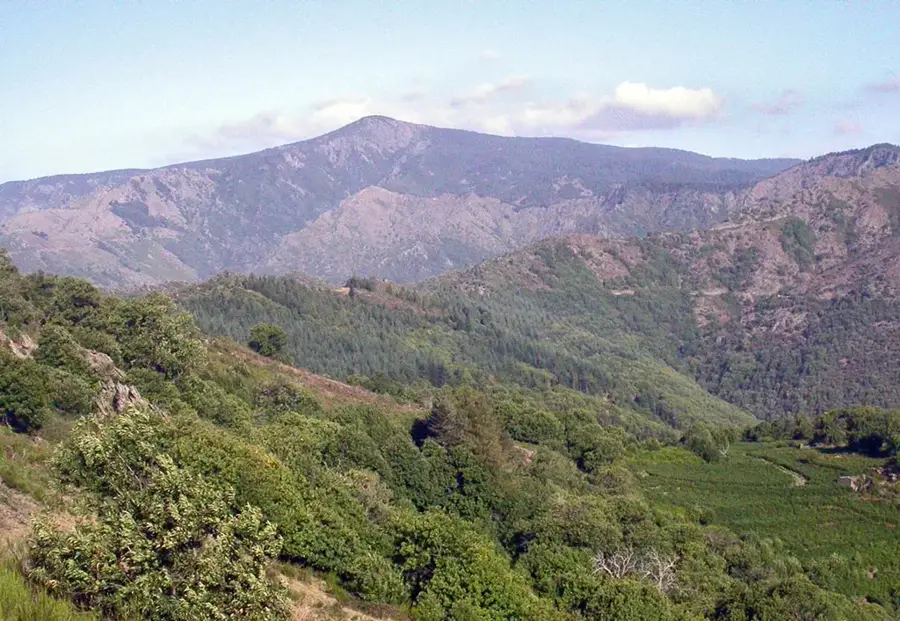
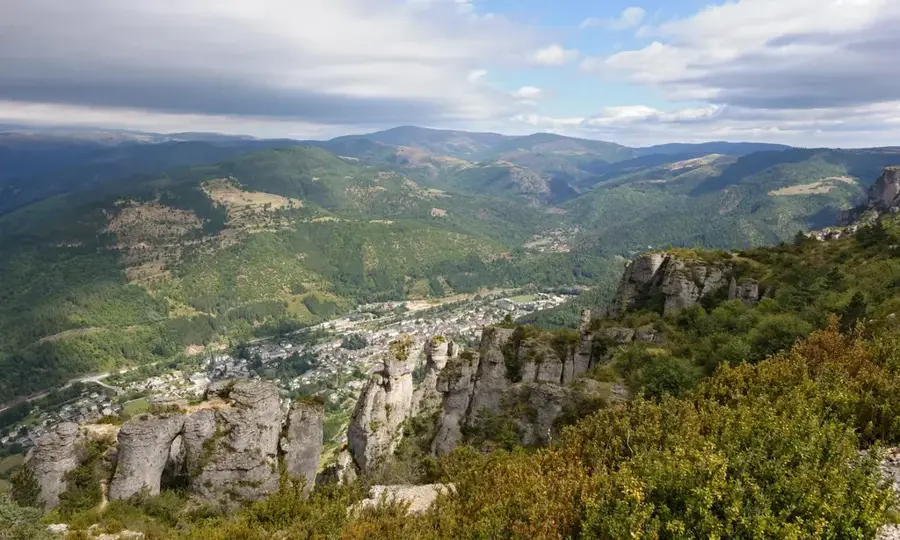
The Cévennes National Park in southern France is an extraordinary protected area known for its rugged wilderness and rich cultural heritage. Established in 1970, the park spans across the Lozère, Gard, and Ardèche departments, featuring a diverse topography that ranges from the granite peaks of Mount Lozère to the deep Tarn Gorges and the vast limestone plateaus known as Causses. It is uniquely recognized as a UNESCO World Heritage site for its agro-pastoral landscape, shaped by centuries of seasonal livestock movement (transhumance). Historically, the region was the epicenter of the Camisard revolt in the early 18th century, a significant religious uprising in French history. Today, the park serves as a sanctuary for endangered species such as griffon vultures and beavers, and it is designated as an International Dark Sky Park, offering some of the best stargazing in Europe. Hikers can enjoy thousands of miles of trails that weave through remote stone villages and panoramic natural wonders. The Cévennes represents a well-suited harmony between ecological conservation and traditional human activities.

Best time to visit & climate

The most pleasant time to visit is Jun–Aug.

JanFebMarAprMayJunJulAugSepOctNovDec
Avg °C114811161918141051
Rain mm69556182876152547412011375

📋 Practical info

🧭
Getting there
The national park in the Massif Central is easily accessible via the surrounding departmental roads, with towns like Florac often acting as main gateways from which the widely scattered areas can be well explored and accessed using a personal vehicle.
📅
Best season
For hiking in this diverse natural area, the months from May to October are mostly good, when the temperatures generally remain pleasantly moderate and the traditionally cultivated landscapes present their most lively colors and distinctive shapes.
⛰️
Terrain & paths
The area is characterized by a mosaic of slate-covered mountains, deep valleys, and historical agricultural lands, meaning the well-marked trails offer a nice mixture of forested stretches, open pastures, and moderate inclines for outdoor enthusiasts.
🎒
What to bring
In addition to solid footwear for uneven forest and meadow paths, adaptable clothing for rapid weather changes is recommended, along with plenty of water and a physical map, as cellular network coverage in the deeper valleys is often very patchy.
🅿️
Parking
Visitors can normally leave their cars in the designated parking areas of the many small villages or at the clearly marked starting points of the major hiking trails, which are generously distributed throughout the entire area of the national park.
⚠️
Safety
Although the terrain is less extreme than in the high Alps, hikers should not overestimate themselves and must pay special attention on the agricultural lands to close gates behind them and not carelessly disturb the grazing livestock on the pastures.
⏱️
Time needed
An excursion can range from relaxing, multi-hour walks through historic villages to multi-day tours along the traditional donkey trails, with many visitors typically staying for two to four days to fully absorb the region's atmosphere and beauty.

Geography

Coordinates
44.27500, 3.51600

Facts

  • The national park was officially established in 1970.
  • It was designated a UNESCO World Heritage site in 2011.
  • The highest point, Mount Lozère, reaches 1,699 meters.
  • Griffon vultures have been successfully reintroduced to the area.
  • The park is recognized as an International Dark Sky Park.
  • It was the main theater of the Camisard revolt from 1702 to 1704.

Explore nearby

Notable places around
Route planner — Car & Motorhome

Where do you start? We build the route here, with stops and country notes along the way.

Vehicle
Only stops with (optional):

© OpenStreetMap contributors · OpenRouteService

Sights in the town Cévennes National Park (2)

Église Saint-Joseph⛪ religious

A Catholic church in the Cévennes National Park, harmoniously integrated into the mountain landscape.

Przewalski horses🎡 recreation

A conservation area in the Cévennes National Park dedicated to the rare Przewalski's horses.

Sights nearby

Frequently asked questions

Can you camp in the Cevennes National Park?
Wild camping is prohibited, but there are designated bivouac sites along the main long-distance hiking trails.
What is the Stevenson trail?
A famous hiking trail (GR 70), named after author Robert Louis Stevenson, who crossed the region with a donkey.
Are there wolves there?
Yes, wolves have returned to the Cevennes, though they are very shy and rarely seen.
How is the weather in summer?
Often very hot during the day, significantly cooler at night in higher elevations; sudden thunderstorms are possible.
Is the park accessible?
Some visitor centers and short educational trails are accessible, but most hiking paths are rocky.
Cévennes National Park: where is it located?
Cévennes National Park is located in Occitanie, France.
Cévennes National Park: what is there to see?
Highlights include Église Saint-Joseph, Przewalski horses.
Cévennes National Park: when is the best time to visit?
The most pleasant time to visit is Jun, Aug.
Cévennes National Park: why is it worth visiting?

The Cévennes National Park in southern France is an extraordinary protected area known for its rugged wilderness and rich cultural heritage.
View on map → The Top 50 Attractions → Most beautiful beaches → OpenStreetMap →
Europe
Explore with Plizio Discover more places in Europe
More places in France →

Nearby cities

History & landmarks