Open Air Concert: 47ter & Dab Rozer
Experience the trio with over a billion views live in Sète for a spectacular open-air music event.
Plizio Visual Lab
Grab this mildly spicy octopus and tomato pie from specialized bakeries scattered around town.
Eat them freshly shucked at the covered market or at rustic restaurants right on the lagoon.
A hearty traditional pasta and mixed-meat dish easily found in authentic port-side brasseries.
The lively central food market, an absolute must for picking up local ingredients and snacks.
Wander down this street to find independent art galleries, local ceramics, and unique souvenirs.
Enjoy peaceful, pine-shaded walking paths located on the slopes of Mont Saint-Clair.
Stroll through this calm, traditional fisherman's neighborhood right on the edge of the lagoon.
Water temperature…
Experience the trio with over a billion views live in Sète for a spectacular open-air music event.
A poetic journey through Sète, where local legends and coastal tales come to life between land and sea.
The poems of Khalil Gibran, set to music by Walid Ben Selim, form a Mediterranean oratorio celebrating collective song.
Two iconic figures of French-speaking rap bring their strong identity and lyrical power to the stage in Sète.
Enjoy a repertoire of 60s and 70s folk, rock, and blues during a soulful evening of live music and dining.
An eclectic musical journey in Sète, tracing the evolution of dance beats from disco to driving techno.
The Ensemble Vocal Tutti performs spiritual harmonies and moving sacred works in a solemn setting.
Explore Sète from the water, from the open Mediterranean sea to the charming historic city canals.
A relaxed 1-hour excursion on the water featuring electrically assisted stand-up paddles and a professional guide.
Sète’s traditional festival honoring the patron saint of fishermen with parades and maritime celebrations.
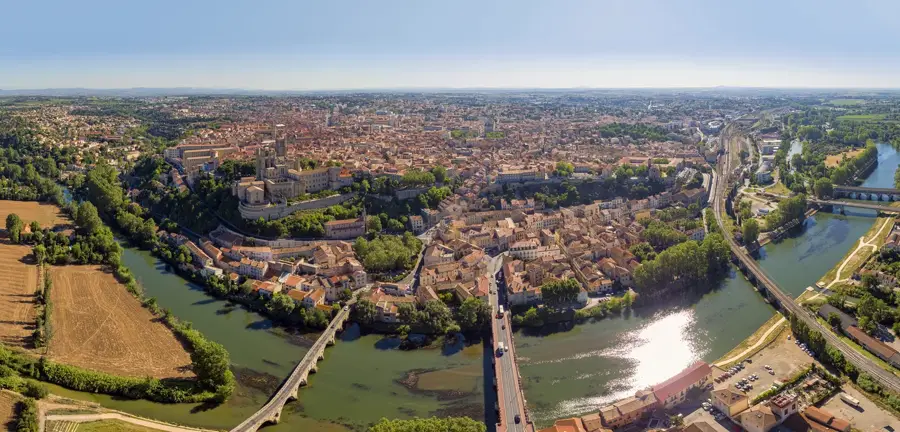
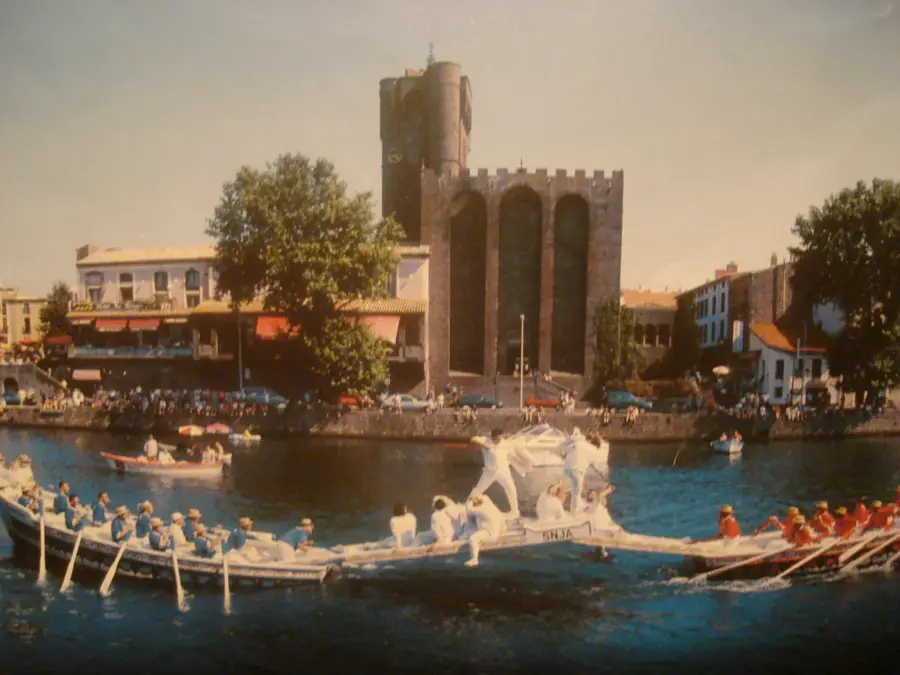
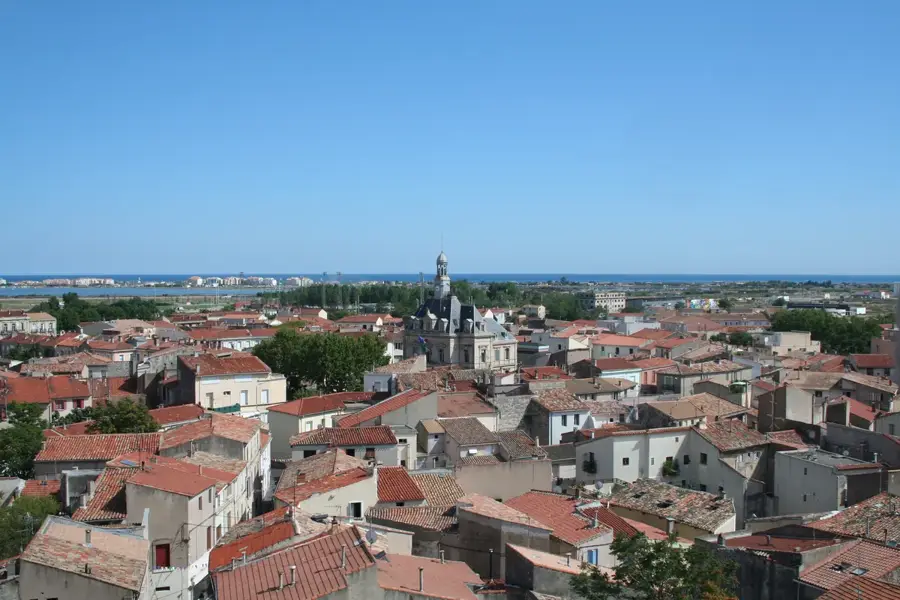
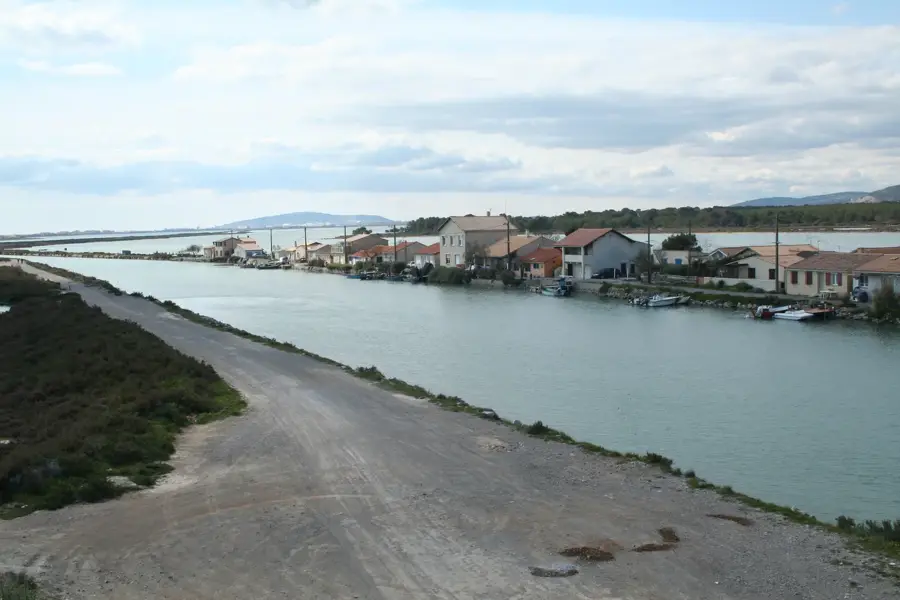
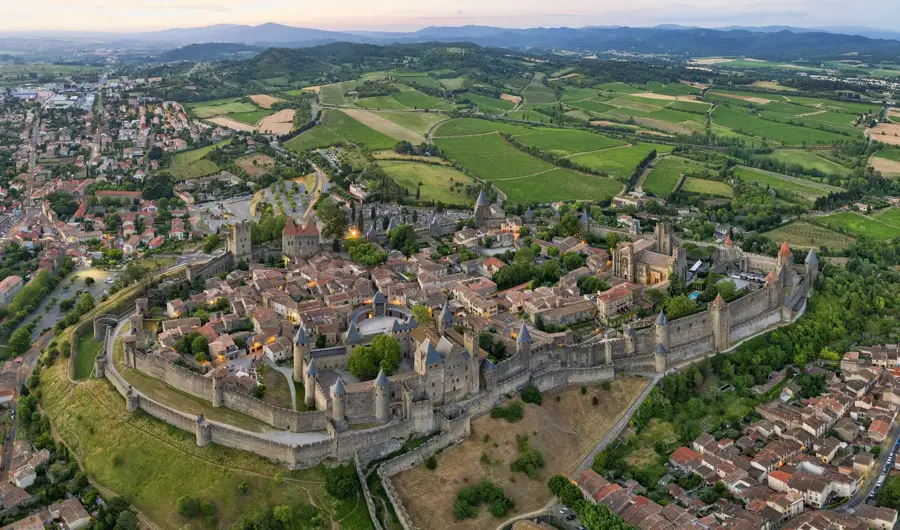
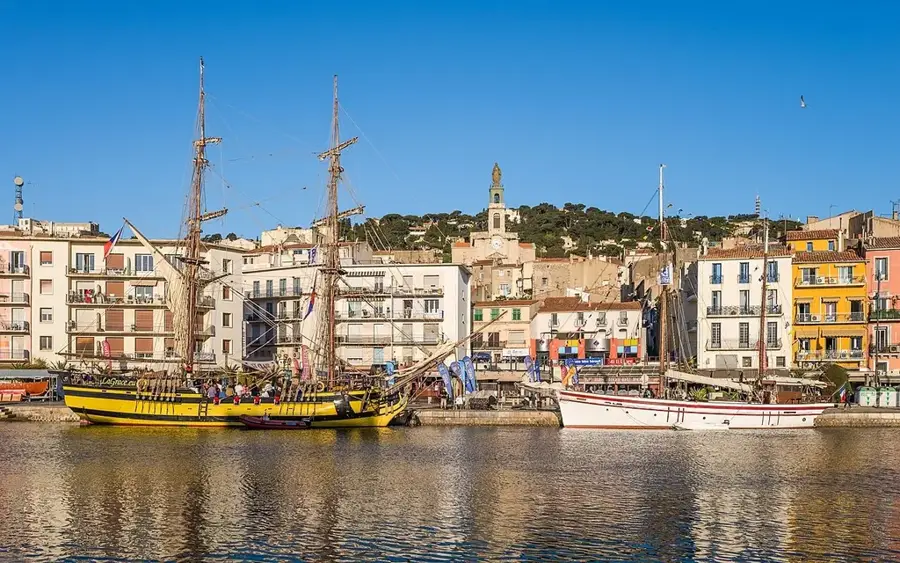
Sète, often described as the 'Venice of Languedoc', is a major Mediterranean port city renowned for its intricate network of canals. The city was formally established in 1666 by King Louis XIV to provide a maritime outlet for the Canal du Midi. Sète is built around the base of Mont Saint-Clair, an 183-meter hill that features sweeping panoramic views of the city, its harbor, and the Étang de Thau saltwater lagoon. The city's culture is deeply intertwined with the sea, visible in its local gastronomy, which features specialties like 'tielle', a spicy octopus pie. A signature tradition is the 'joutes nautiques' (water jousting), a spectacular sport held on the royal canal since the city's inception, drawing thousands of spectators every summer. Sète is also the birthplace of influential figures such as the poet Paul Valéry and the singer Georges Brassens, both of whom are honored with dedicated museums. Today, Sète remains a bustling commercial and fishing port while maintaining its unique maritime identity.
The most pleasant time to visit is Jun, Aug, Sep.
| Jan | Feb | Mar | Apr | May | Jun | Jul | Aug | Sep | Oct | Nov | Dec | |
|---|---|---|---|---|---|---|---|---|---|---|---|---|
| Avg °C | 7 | 7 | 10 | 13 | 17 | 22 | 25 | 24 | 20 | 16 | 11 | 8 |
| Rain mm | 52 | 39 | 48 | 59 | 49 | 30 | 20 | 25 | 51 | 82 | 73 | 47 |
See what it looks like near Sète right now.
Sete › South-west: Plage sète - Port de Sète · 3 km · Open webcam on Windy · Webcams provided by Windy.com
Notable places around
Where do you start? We build the route here, with stops and country notes along the way.
© OpenStreetMap contributors · OpenRouteService
The day starts at Canal Royal, the maritime heart of the city. We stroll towards the pier and the lighthouse before diving into culture at the Paul-Valéry Museum and the serenity of the sea cemetery. After checking out the spectacular Théâtre de la Mer, we take on the challenge of Mont Saint-Clair to admire Sète from above.
This bike tour takes us from the busy center along the coast to the wide beaches of the Lido. We pay tribute to Georges Brassens and enjoy the breeze on the Corniche. Finally, we challenge Mont Saint-Clair for the ultimate view over the Thau lagoon.
By car, we explore Sète in clusters: first the harbor area, then an effortless drive up Mont Saint-Clair for the view. We spend the afternoon on the coast with art and culture, before taking a short detour to the Étang de Thau to see the oyster beds from a distance.
Plage de la Fontaine has a tranquil beach experience situated in the welcoming town of Loupian near Sete. The serene waters invite visitors for refreshing swims and quiet sunbathing away from bustling city centers. It is a handy spot to absorb the laid-back coastal rhythm of the French south. A morning visit is highly recommended to enjoy the peaceful atmosphere before the day warms up.
Resting quietly in Loupian within the Sete region, Plage du Tambourin provides a delightful escape by the water. Visitors can anticipate a simple, natural shoreline great for leisurely walks and casual bathing. The unhurried pace here makes it a wonderful place to reconnect with the coastal environment. Packing a light snack and arriving mid-morning creates a first-rate setup for a relaxing day outdoors.
Plage du Thalassa is a pleasant beach area waiting to be discovered in the Loupian area near Sete. The inviting shore has an excellent setting for spreading out a towel and taking in the gentle sea breeze. It creates an atmosphere well-suited for calm afternoons spent near the water. Bringing along a good book or good company is the best way to enjoy this tranquil spot.