Plizio Visual Lab
Gorgona Island
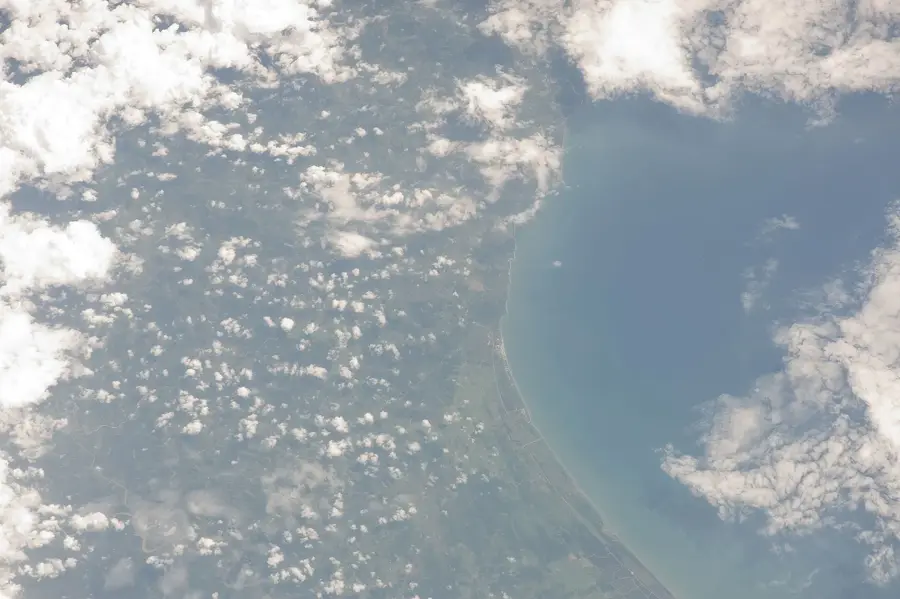
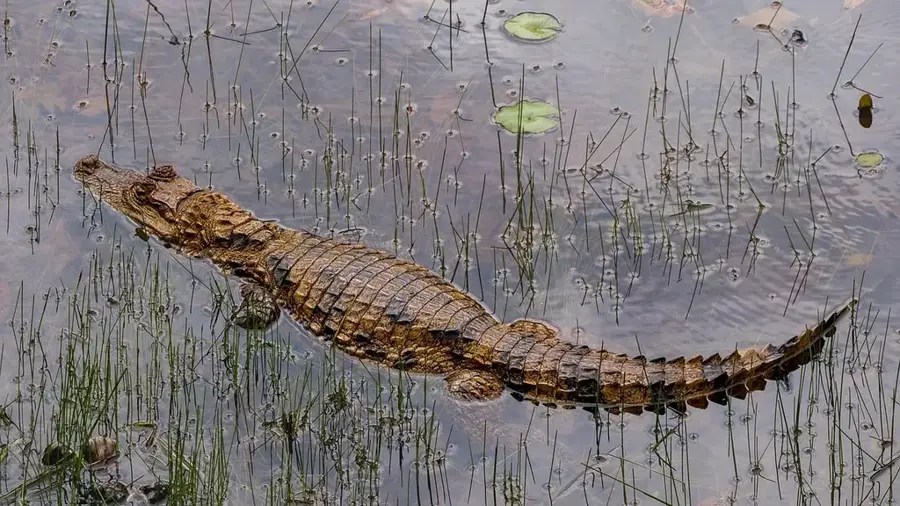
Gorgona Island is located in the Pacific Ocean, roughly 35 kilometers off the coast of Colombia, covering a land area of 26 square kilometers. The island's history is marked by its tenure as a high-security prison from 1960 to 1984, during which it earned the moniker 'Colombia's Alcatraz' due to its isolation and surrounding shark-infested waters. Following the prison's closure in 1984, the entire island was designated as a National Natural Park to safeguard its lush tropical rainforest and bustling coral reefs. Today, Gorgona is a world-class site for eco-tourism and marine biology, particularly famous as a nursery for humpback whales that migrate there between July and October. The island is home to exceptional biodiversity, including endemic species like the blue anole lizard and a variety of monkeys and birds. Its dense vegetation and high rainfall maintain a unique microclimate, while the decaying ruins of the former prison provide a hauntingly beautiful contrast to the surrounding wilderness, now being slowly reclaimed by the jungle.
- Location: Colombia
- Top sights: Faro Gorgonilla · Faro Isla Gorgona · Faro Punta Coll
- Nearby: Ipiales (79 km)
📋 Practical info
Geography
Facts
- Served as a high-security prison from 1960 to 1984.
- Designated as a National Natural Park in 1984.
- Located 35 km off the Pacific coast of Colombia.
- Key breeding ground for humpback whales (July-Oct).
- Home to the endemic blue anole lizard.
- The island has a total land area of about 26 sq km.
Explore nearby
Notable places around
Route planner — Car & Motorhome
Where do you start? We build the route here, with stops and country notes along the way.
© OpenStreetMap contributors · OpenRouteService
Sights in the town Gorgona Island (3)
Sights nearby
Frequently asked questions
What was Gorgona in the past?
Can you see whales there?
Why is it called Gorgona?
Is there rainforest there?
Where do you start the journey?
Gorgona Island: where is it located?
Gorgona Island: what is there to see?
Gorgona Island: why is it worth visiting?
Nearby cities
History & landmarks


Nature
More places