Plizio Visual Lab

Nijhum Dwip National Park
Plizio editorial teamData Sources
national-park
—°8
Nijhum Dwip National Park (Bangladesh)

Weather…

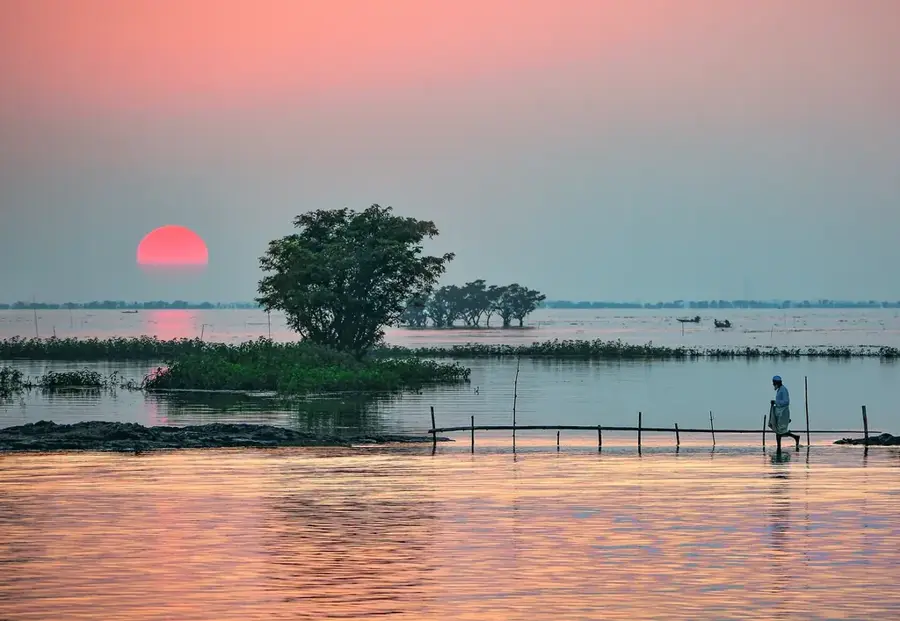
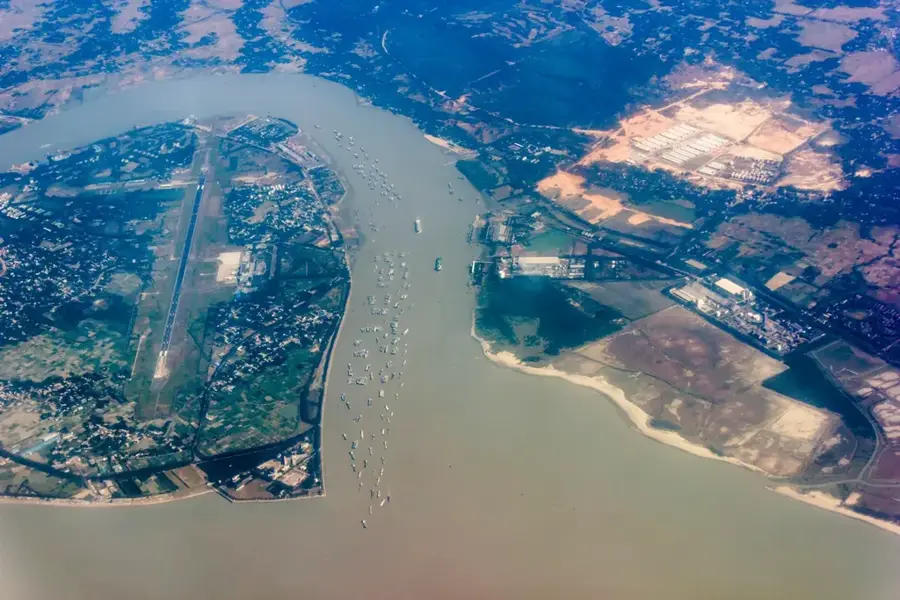
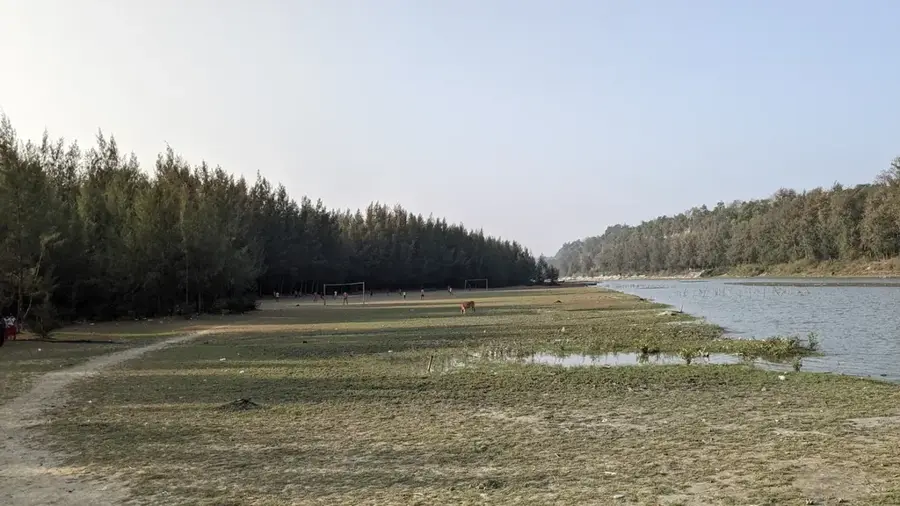
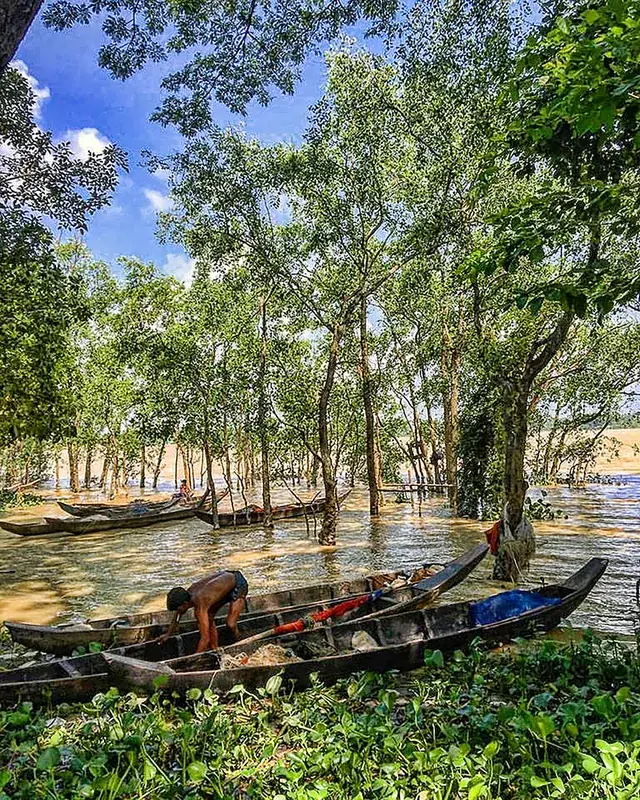
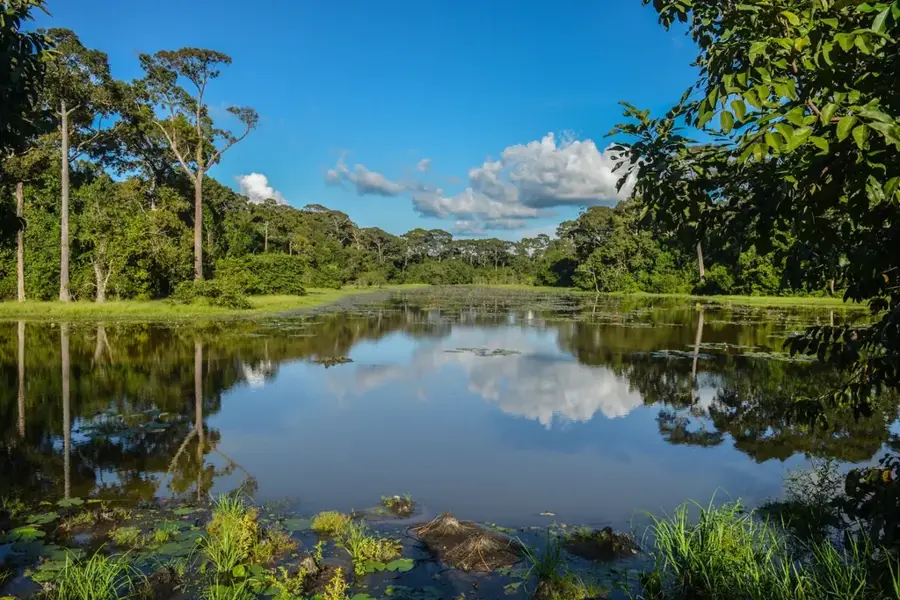
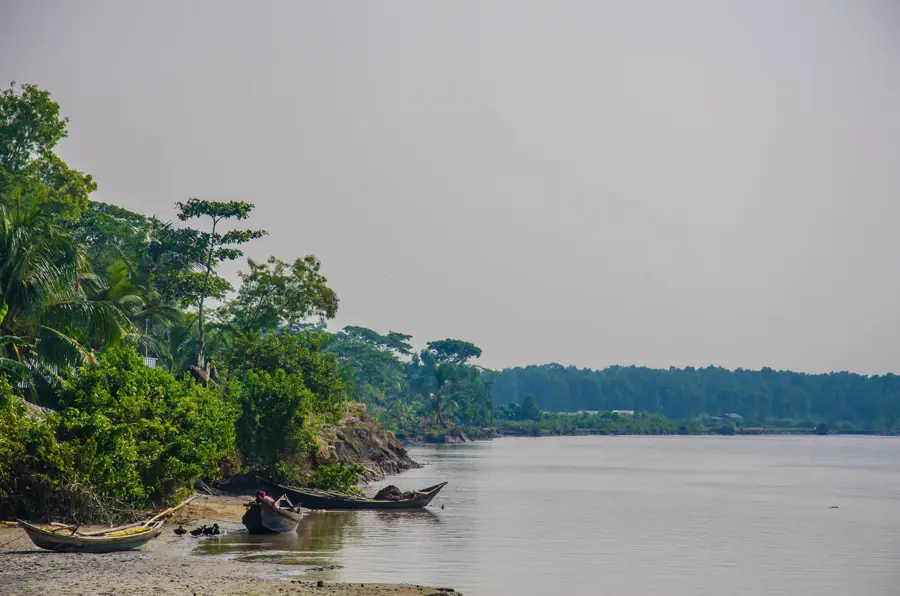
Nijhum Dwip National Park is located on a small cluster of islands in the Bay of Bengal, south of the Noakhali District. The main island only emerged in the 1950s as a result of silt deposition from the Meghna River. The national park was established in 2001 to protect its unique ecosystem of mangroves and grasslands. Nijhum Dwip is most famous for its large population of spotted deer (chital), which were introduced in the 1970s and have since thrived in the wild. During the winter months, the island serves as a vital sanctuary for thousands of migratory birds, including rare species like the spoon-billed sandpiper. The local inhabitants primarily depend on fishing and agriculture for their survival. Despite the threats of cyclones and rising sea levels, the national park remains a critical stronghold for coastal protection and biodiversity conservation in Bangladesh.

Best time to visit & climate

The most pleasant time to visit is Jan, Feb, Dec.

JanFebMarAprMayJunJulAugSepOctNovDec
Avg °C212326282929282829282623
Rain mm11426717943976411707565324249515

📋 Practical info

🧭
Getting there
Reaching this remote island national park typically requires a multi-step journey involving a bus or car ride to Hatia, followed by a final boat trip across the water.
📅
Best season
The dry winter season from November to March is generally the safest and most comfortable time for boat crossings and spotting migratory birds on the mudflats.
⛰️
Terrain & paths
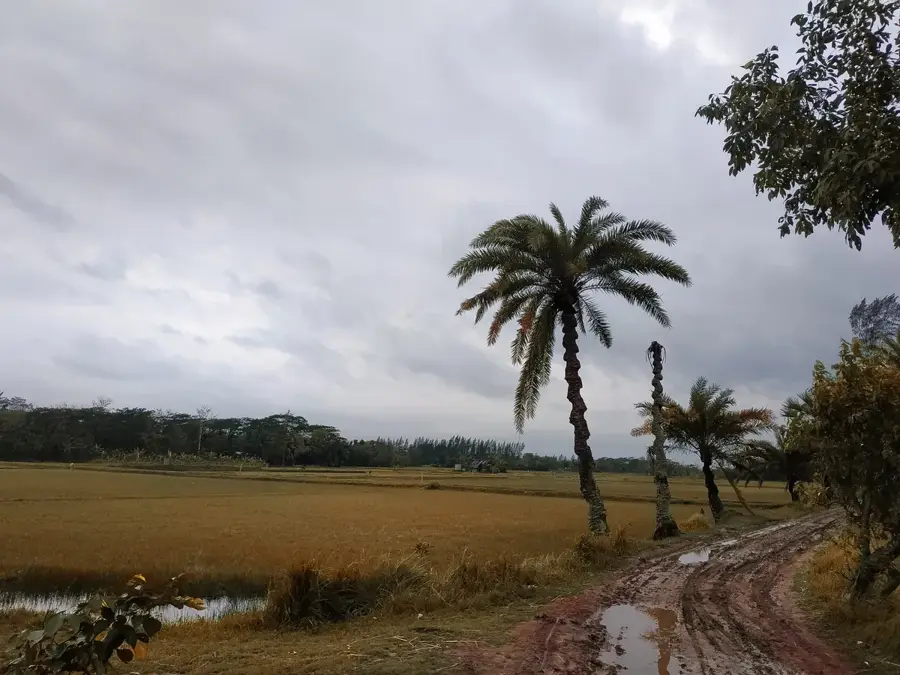
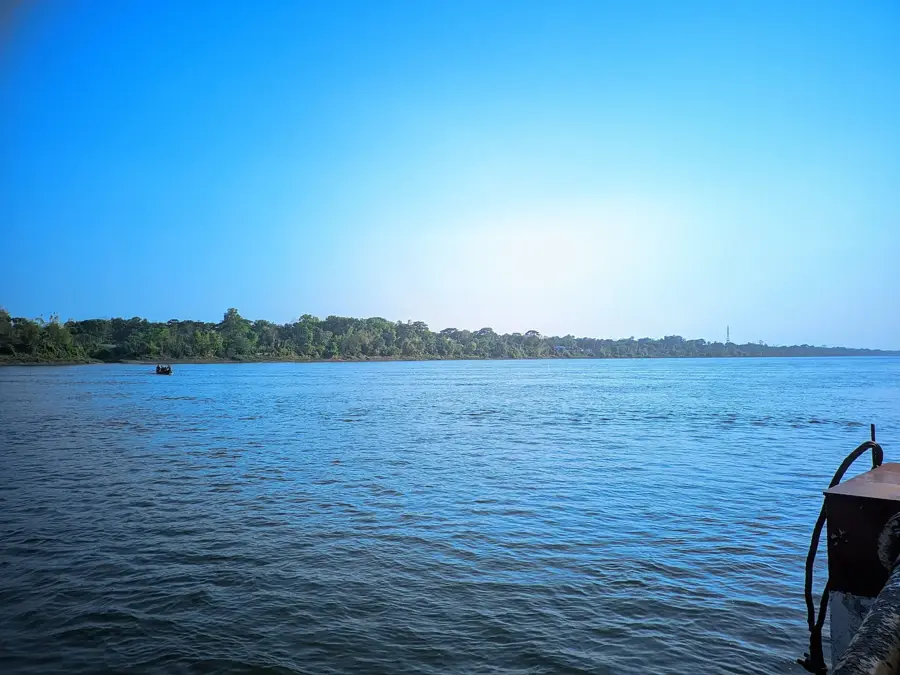
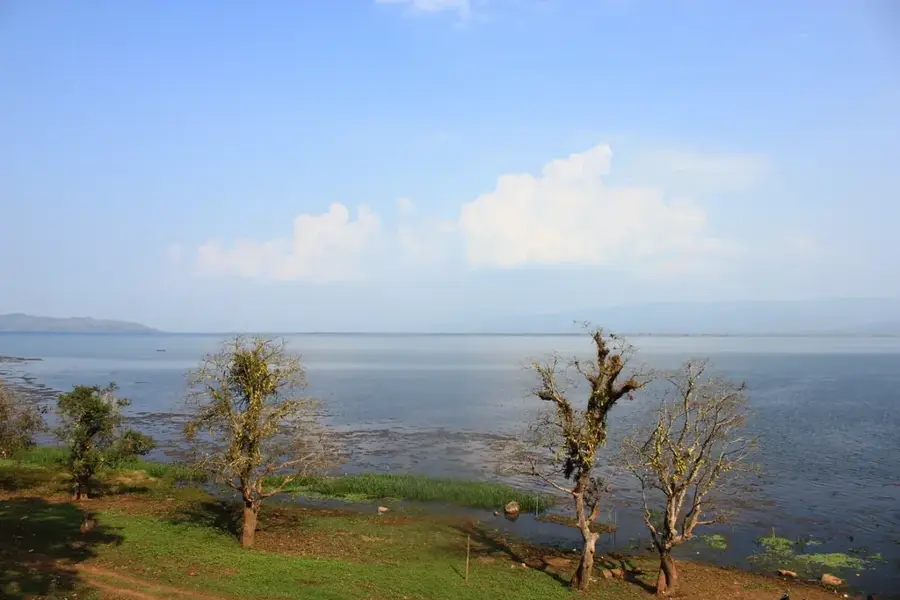
The landscape is characterized by muddy coastal mangrove forests, tidal flats, and sandy beaches, meaning walking paths can be quite slippery and unstable at times.
🎒
What to bring
Waterproof footwear or easily washable sandals are practical for the muddy terrain, and carrying sun protection, adequate drinking water, and binoculars is essential.
🅿️
Parking
Vehicles are generally left behind on the mainland or larger adjacent islands like Hatia; there is no vehicle infrastructure or standard parking available on the island itself.
⚠️
Safety
Always check tide schedules and weather forecasts before arranging boat travel, as conditions can change rapidly, and stick to known paths to avoid sinking into deep mud.
⏱️
Time needed
Due to the long travel time required, visitors normally plan to stay at least one full day or overnight to properly observe the spotted deer and explore the coastal environment.

Geography

Coordinates
22.05000, 91.00000

Facts

  • Nijhum Dwip was officially designated as a national park on April 8, 2001.
  • The total area of the national park is approximately 16,352 hectares.
  • The spotted deer population is estimated to exceed 15,000 individuals.
  • The island was originally formed by the merging of four smaller islets.
  • Approximately 96 species of birds have been documented on the island.
  • The average elevation of the island is only 2 meters above sea level.

Explore nearby

Notable places around

Route planner — Car & Motorhome

Where do you start? We build the route here, with stops and country notes along the way.

Vehicle
Only stops with (optional):

© OpenStreetMap contributors · OpenRouteService

Sights in the town Nijhum Dwip National Park (8)

Nijhum Dwip Beach🎡 recreation

A remote island beach known for its sightings of spotted deer and wild buffalo.

Nijhum Dweep National Park🌿 nature

A protected island sanctuary famous for its large population of spotted deer and diverse birdlife.

Yunuchia Jame Masjid📍 landmark

A local island mosque providing a spiritual hub for the inhabitants of Nijhum Dwip.

Sukhchar Bazar Jame Mosque📍 landmark

This mosque is situated in a remote island bazaar amidst the mangrove forests of Nijhum Dwip.

bduoyyaalaa graam jaame msjid📍 landmark

A village mosque on the remote Nijhum Dwip island, surrounded by tidal landscapes.

CDSP BAZAR🎭 culture

A local trade hub in the development area of the remote Nijhum Dwip island.

jy'naal membaarer baajaar🎭 culture

A small community market serving the residents of this remote mangrove island.

Amtali Bazar🎭 culture

A local market on Nijhum Dwip near the mangrove-lined canals.

Sights nearby

Frequently asked questions

What is Nijhum Dwip National Park known for?
It is famous for its large population of spotted deer and as a paradise for migratory birds.
Can the park be visited?
Yes, visitors can explore the park, though boat access is often required.
What is its significance for conservation?
It protects vital mangrove forests and serves as a buffer against cyclones.
When is the ideal time to visit?
Winter (December to February) is best for spotting deer and birds.
Is there accommodation nearby?
There are simple guesthouses on the island, but comfort levels are limited.
Nijhum Dwip National Park: where is it located?
Nijhum Dwip National Park is located in Bangladesh.
Nijhum Dwip National Park: what is there to see?
Highlights include Nijhum Dwip Beach, Nijhum Dweep National Park, Yunuchia Jame Masjid.
Nijhum Dwip National Park: when is the best time to visit?
The most pleasant time to visit is Jan, Feb, Dec.
Nijhum Dwip National Park: why is it worth visiting?

Nijhum Dwip National Park is located on a small cluster of islands in the Bay of Bengal, south of the Noakhali District.
View on map → The Top 50 Attractions → OpenStreetMap →
Asia
Explore with Plizio Discover more places in Asia
More places in Bangladesh →

History & landmarks

Nature

More places