Plizio Visual Lab
Jakar
ℹ️Practical info — Jakar
▾
🌤 Weather — 5 days
📍 Nearby
Sights nearby
💡 Tips
- Explore the dzongs and monasteries in the Choekhor Valley on foot or by bicycle.
- Pack warm clothing as this valley can be chilly in the mornings and evenings even in summer.
- Respect local customs and always walk clockwise inside temples.
- Try the buckwheat, which is a staple food in this region.
🍽 Food
Traditional buckwheat noodles, often served in local guesthouses.
Buckwheat pancakes, typically eaten for breakfast or as a snack.
The national dish of chili and cheese, found in almost every local eatery.
🛍 Shopping · 🧘 Quiet spots
Brightly colored, hand-woven wool fabrics available in local craft shops.
Locally produced honey, often sold in small grocery stores in the main street.
A serene and highly sacred monastery complex surrounded by nature.
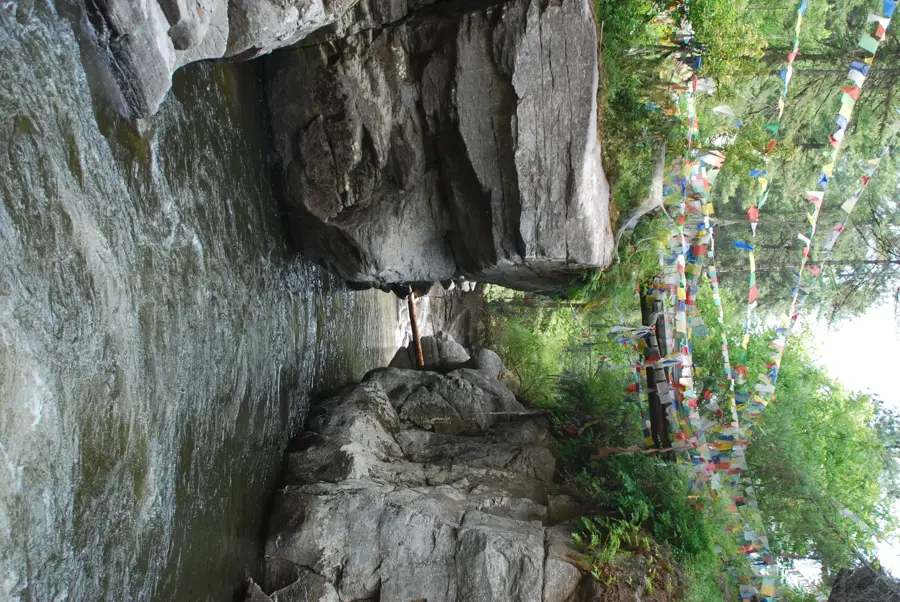
A peaceful place for a walk along the gentle river passing through the town.
Water temperature…
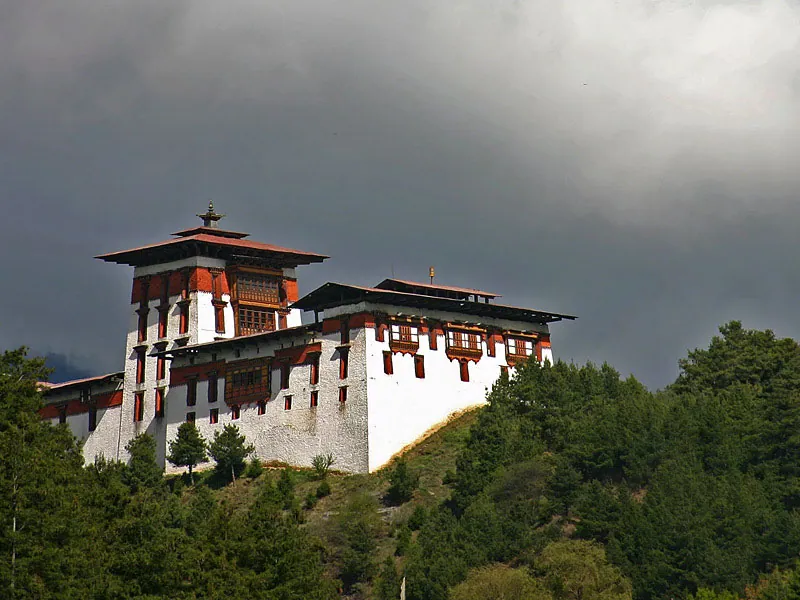
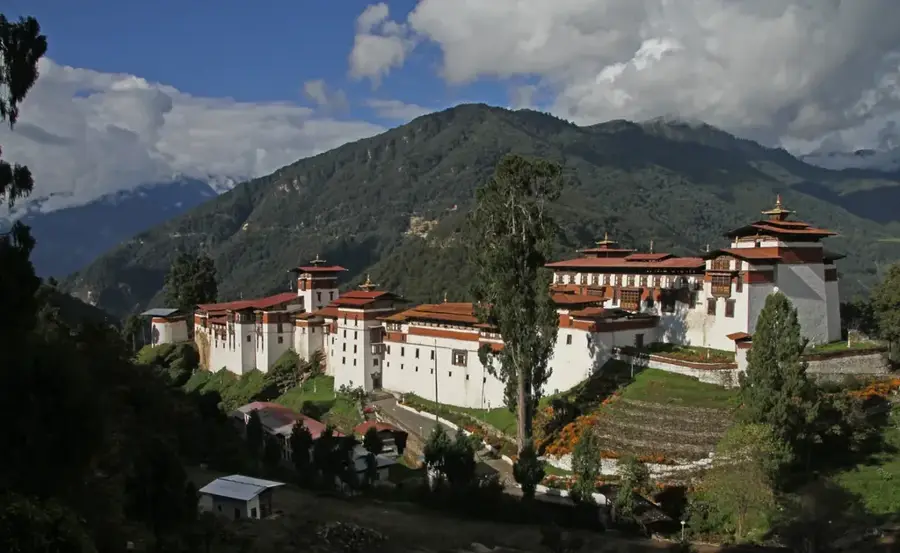
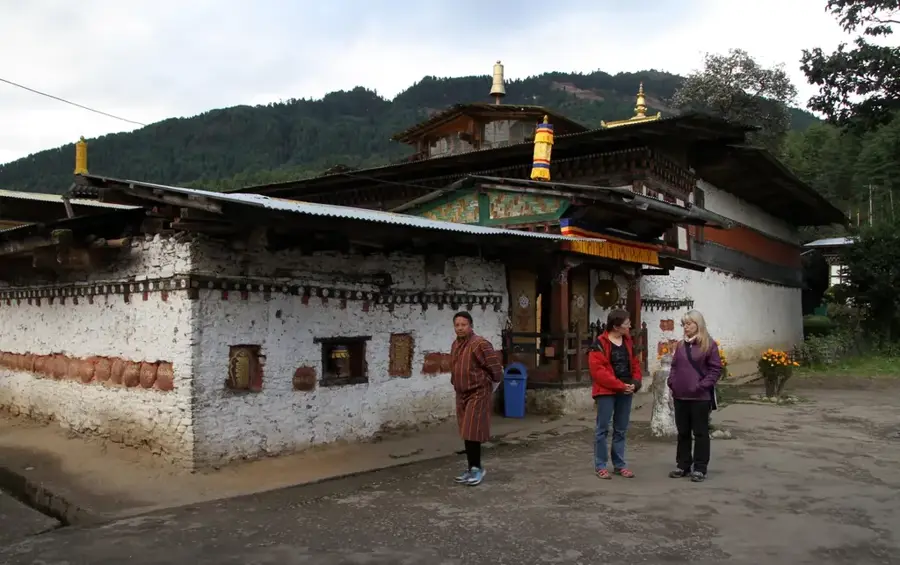
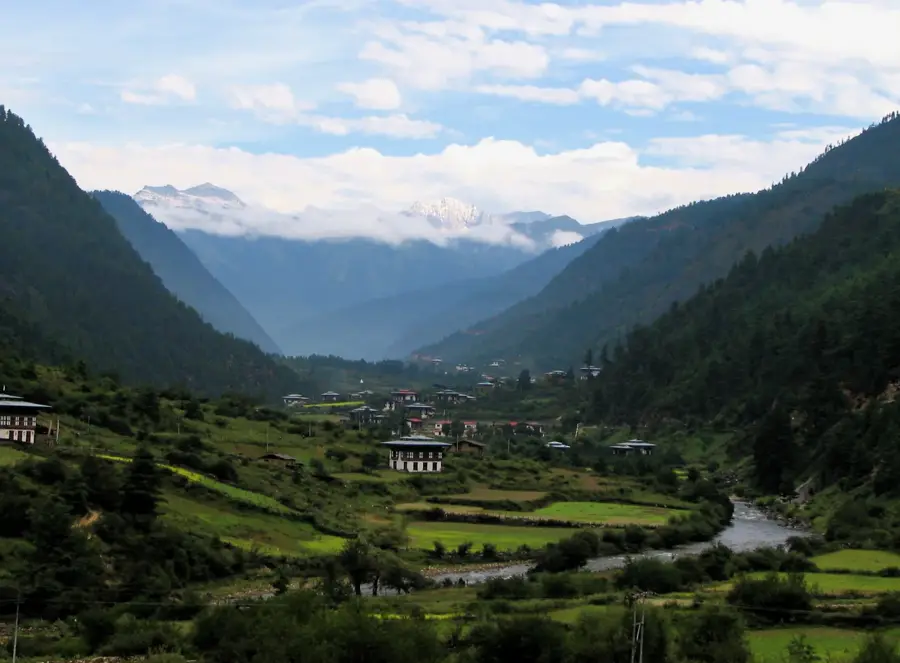
Jakar, the administrative center of the Bumthang district in central Bhutan, is situated at an impressive elevation of about 2,800 meters. The city is often referred to as the 'Castle of the White Bird,' a name derived from the imposing Jakar Dzong, which stands majestically over the valley and was founded in 1549. Jakar is considered the cultural heartland of Bhutan, as the Bumthang Valley is home to numerous ancient Buddhist monasteries and sacred sites, including Kurjey Lhakhang and Jambay Lhakhang. The region is known for its wide, Swiss-like landscape and specializes in the cultivation of buckwheat, barley, and apples, as well as cheese and honey production. Climatically, Jakar is characterized by cool summers and cold winters, which has strongly influenced the traditional lifestyle of the population. Jakar plays a central role in the country's religious life, attracting thousands of pilgrims annually for colorful Tshechu festivals. The city is also a major gateway for trekking into the pristine nature of the Bhutanese highlands.
- Location: Bhutan
- Nearby: Mebar Tsho (Burning Lake) (7 km)
- Population: ~6.243 (2026)
Best time to visit & climate
The most pleasant time to visit is Sep–Nov.
| Jan | Feb | Mar | Apr | May | Jun | Jul | Aug | Sep | Oct | Nov | Dec | |
|---|---|---|---|---|---|---|---|---|---|---|---|---|
| Avg °C | 4 | 5 | 8 | 11 | 14 | 17 | 18 | 17 | 16 | 12 | 8 | 5 |
| Rain mm | 5 | 13 | 27 | 95 | 137 | 182 | 244 | 185 | 124 | 64 | 6 | 3 |
Geography
Facts
- Administrative capital of the Bumthang district
- Jakar Dzong was constructed in 1549
- Situated at an altitude of about 2,800 meters
- Regarded as the cradle of Bhutanese Buddhism
- Famous for its cheese and honey production
- Nicknamed the 'Castle of the White Bird'
Explore nearby
Notable places around
Route planner — Car & Motorhome
Where do you start? We build the route here, with stops and country notes along the way.
© OpenStreetMap contributors · OpenRouteService
Sights in the town Jakar (1)
Frequently asked questions
In which valley is Jakar located?
What does the name Jakar mean?
Are there local specialties?
When should you visit Jakar?
What is the atmosphere like in Jakar?
Jakar: where is it located?
Jakar: when is the best time to visit?
Jakar: why is it worth visiting?

Nearby cities
History & landmarks

Nature
More places