Karchung Temple📍 landmark
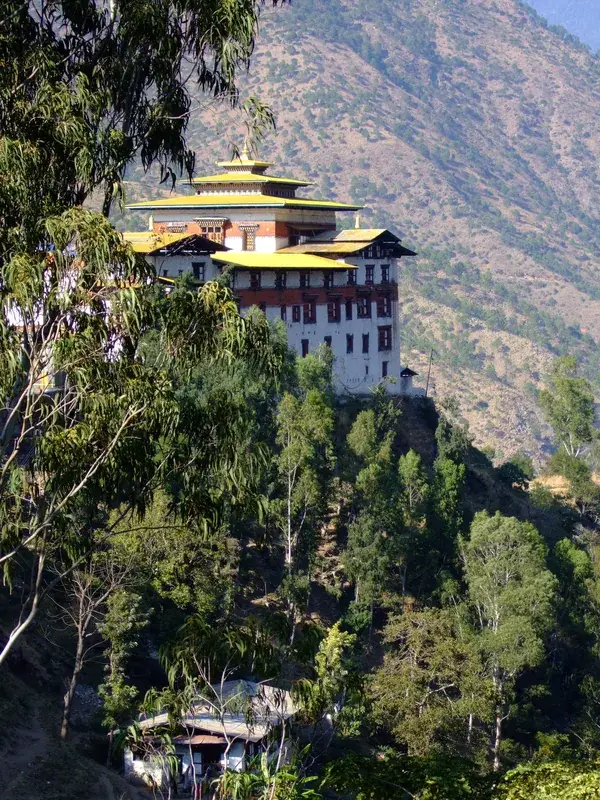
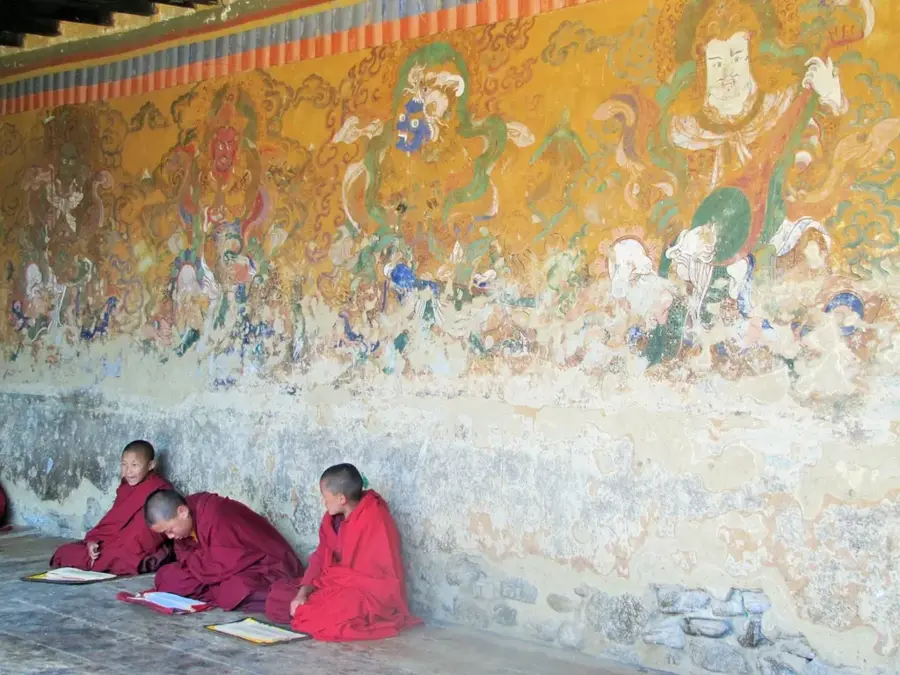
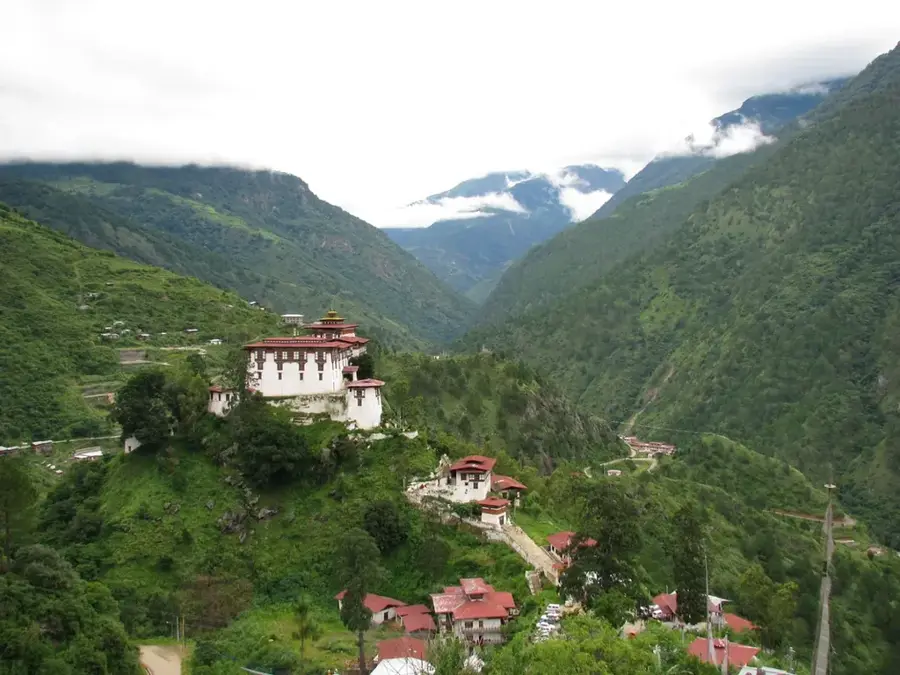
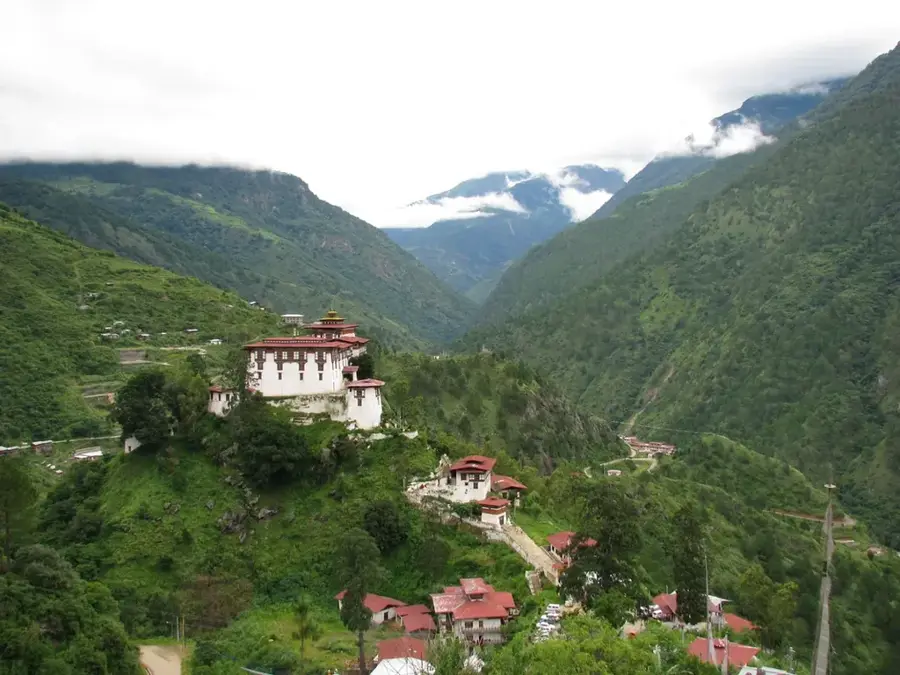
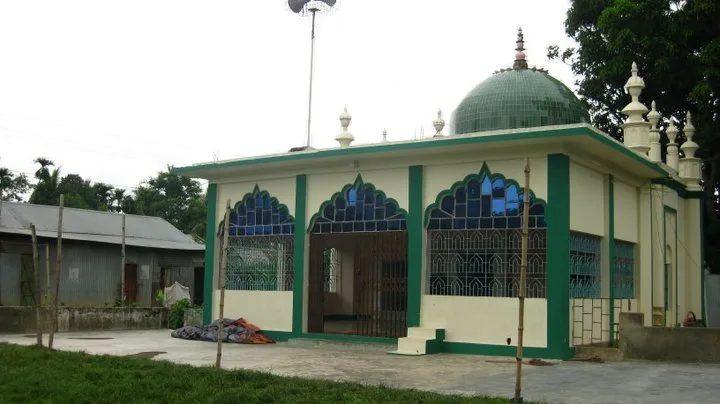
A small, ancient Buddhist temple in Lhasa known for its historical wall paintings.
🌐 tibetfocus.travel🕒 Mo-Su 07:00-20:00
Plizio Visual Lab
Traditional Tibetan steamed dumplings filled with yak meat. Best enjoyed in the small, authentic teahouses tucked in the alleys around Barkhor Street.
A salty, nourishing hot drink made from black tea, yak butter, and salt. An acquired taste, but excellent for combating altitude sickness.
Roasted barley flour, often kneaded with butter tea into a dough. A staple of the Tibetan diet, widely available in local eateries.
The traditional pilgrimage circuit and prime shopping spot for thangkas, prayer wheels, and Tibetan jewelry. Haggling is expected, but keep it respectful.
The largest local market in the city. Great for people-watching and buying everyday Tibetan goods like yak butter, cheese, and local spices.
The beautiful gardens of the Dalai Lamas' former summer palace provide a peaceful retreat from the bustling city center.
A vast national nature reserve right on the edge of the city, first-rate for birdwatching and enjoying a quiet, sweeping view of the Potala Palace.
Water temperature…
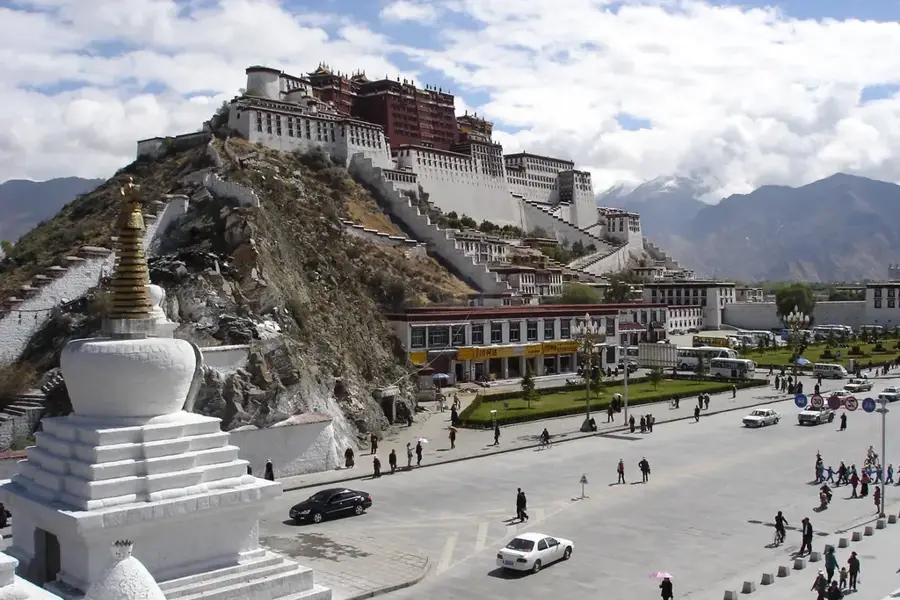
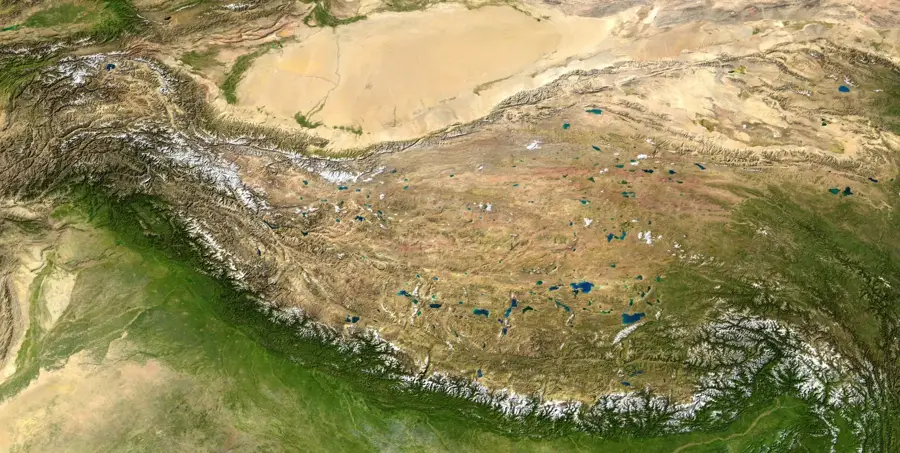
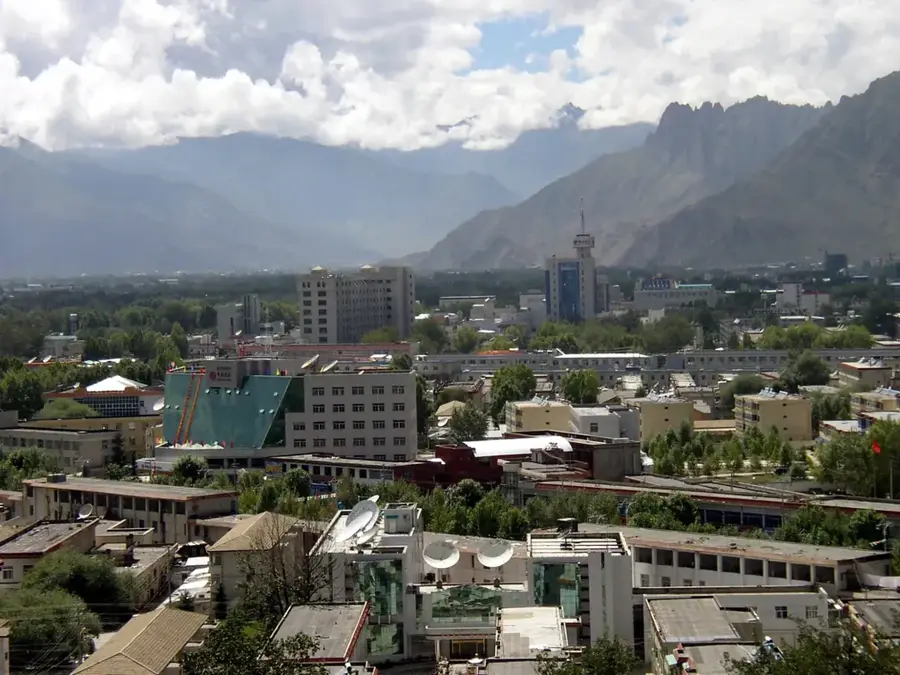
Lhasa, the administrative capital of the Tibet Autonomous Region, is one of the highest cities globally, situated at an altitude of 3,650 meters (11,975 feet) in the Transhimalaya range. Translated as the 'Place of Gods,' Lhasa has served as the religious and political heart of Tibet for over 1,300 years. The city's skyline is dominated by the Potala Palace, the former winter residence of the Dalai Lamas, a masterpiece of Tibetan architecture with over 1,000 rooms and countless sacred shrines. Nearby, the Jokhang Temple stands as the most sacred site in Tibet, attracting thousands of prostrating pilgrims daily who walk the Barkhor circuit surrounding it. Geographically, Lhasa lies in a flat river valley surrounded by majestic mountains, with the Lhasa River (Kyi Chu) flowing through its southern side. The climate is characterized by intense solar radiation and thin air, leading to cool temperatures even in summer. Since the completion of the world's highest railway connecting it to Xining in 2006, Lhasa has transformed into a modern hub with expanding infrastructure and a growing services sector. Tourism is a pillar of the local economy, alongside traditional handicrafts and the processing of agricultural products like highland barley. The city's culture is a profound blend of ancient monastic traditions and modern Chinese urbanism, visible in the juxtaposition of traditional white-walled stone houses and contemporary glass towers. Educational institutions and hospitals specializing in Tibetan medicine highlight the city's role as a center for regional knowledge preservation. Despite rapid modernization, the essence of Lhasa remains rooted in its spiritual heritage, making it a unique destination where tradition and development intersect at the 'Roof of the World.'
The most pleasant time to visit is May, Jun, Sep.
| Jan | Feb | Mar | Apr | May | Jun | Jul | Aug | Sep | Oct | Nov | Dec | |
|---|---|---|---|---|---|---|---|---|---|---|---|---|
| Avg °C | -5 | -3 | 1 | 5 | 9 | 12 | 12 | 11 | 9 | 5 | 0 | -3 |
| Rain mm | 1 | 2 | 4 | 10 | 34 | 81 | 147 | 119 | 53 | 10 | 1 | 1 |
Notable places around
Where do you start? We build the route here, with stops and country notes along the way.
© OpenStreetMap contributors · OpenRouteService
A small, ancient Buddhist temple in Lhasa known for its historical wall paintings.