Plizio Visual Lab
Gasa
ℹ️Practical info — Gasa
▾
🌤 Weather — 5 days
📍 Nearby
Sights nearby
💡 Tips
- High altitude means temperatures drop sharply; always pack warm layers, even if traveling in the summer.
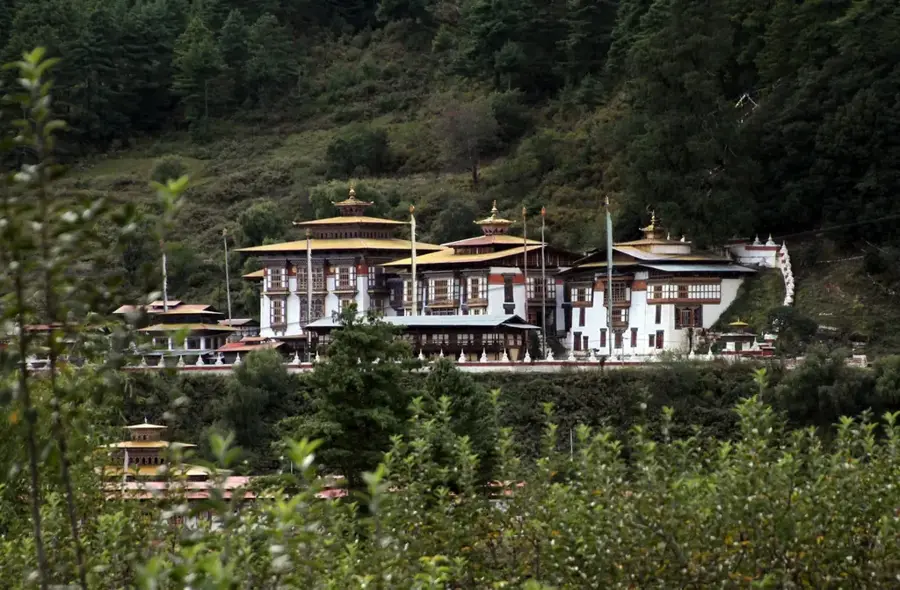
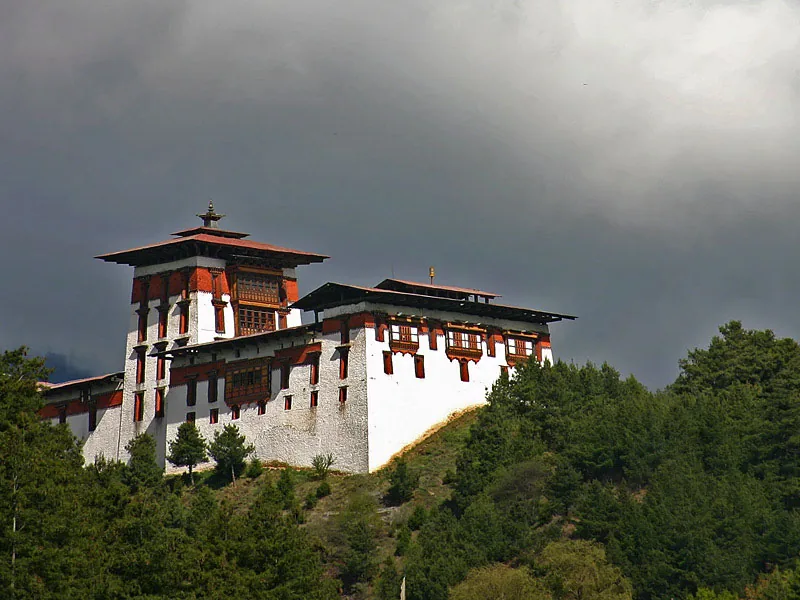
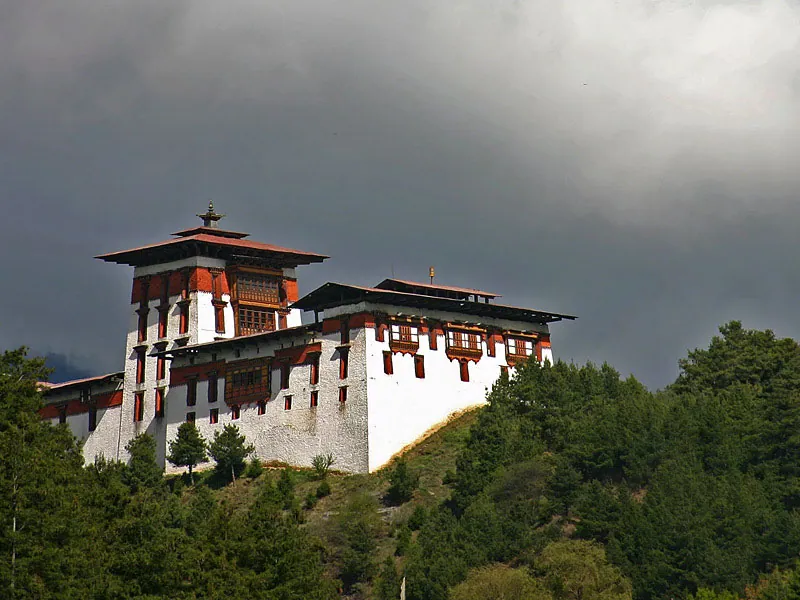
- The majestic Gasa Dzong is best photographed in the early morning light as the mist rises from the valley.
- A special permit is required to travel into this district. Ensure your Bhutanese tour operator arranges it in advance.
- Trekking paths, especially down to the hot springs, can be muddy and steep; sturdy, waterproof hiking boots are essential.
🍽 Food
The national dish of chilies and cheese is available at local guesthouses and will keep you warm on cold days.
A traditional, salty beverage frequently offered by locals to guests in these high-mountain villages.
A staple carbohydrate in Bhutan that perfectly complements the spicy vegetable and meat stews.
🛍 Shopping · 🧘 Quiet spots
Small stalls near the Tshachu sell basic supplies and local snacks for bathers.
Occasionally, you can find hand-carved household items made by local artisans in the small surrounding villages.
Visit the springs early in the morning for a relaxing soak before the mid-day visitors arrive.
The quiet walking paths circling the fortress offer panoramic views of the pristine mountain landscape.
Water temperature…
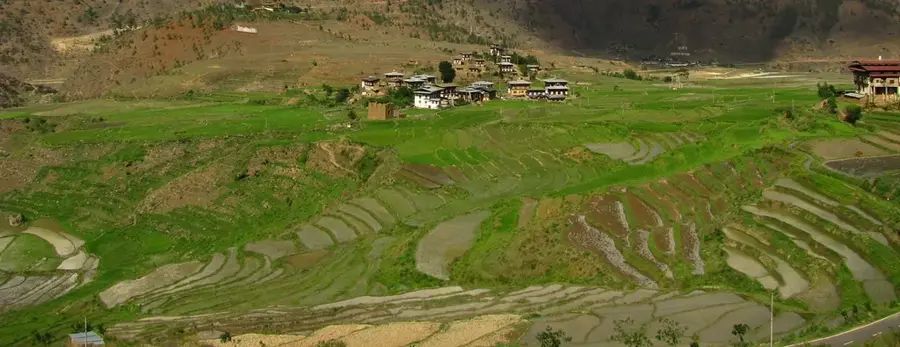
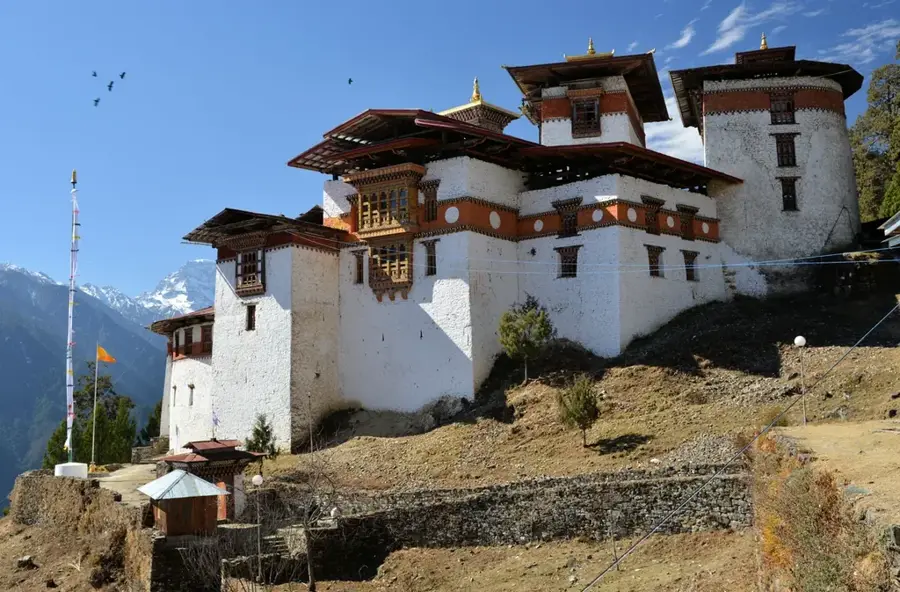
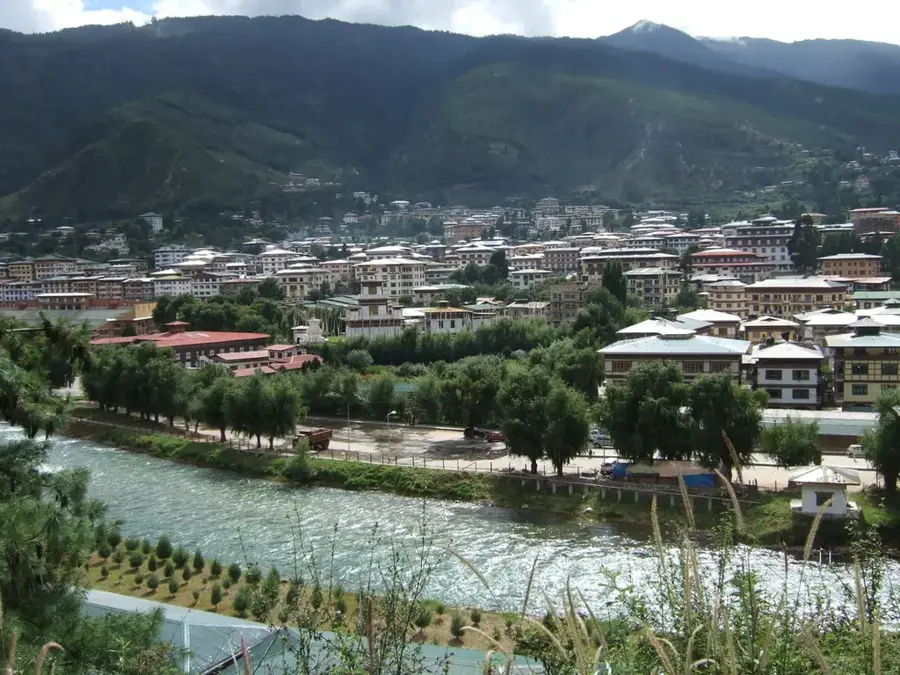
Gasa is located in the extreme north of Bhutan and serves as the administrative center of the country's largest but least populated district. Situated at an altitude of approximately 2,800 meters, the town is known for its rugged climate and sweeping high-mountain landscapes. The Gasa Tashi Thongmon Dzong, built in the 17th century, historically served as a defensive outpost against northern invasions and remains the region's most iconic landmark. Gasa is renowned for its medicinal hot springs (Tshachus), which attract thousands of Bhutanese each year seeking cures for various ailments. The region is also the gateway to the 'Laya-Gasa Trek,' one of the most famous long-distance trekking routes in the world, passing through the lands of the nomadic Laya people. These nomads are famous for their unique pointed hats and yak-herding lifestyle. Gasa provides a critical habitat for the snow leopard and other rare alpine wildlife. Due to its extreme isolation, the town was only recently connected to the national road network. Its untouched nature and spiritual aura make Gasa a truly unique destination.
- Location: Bhutan
- Nearby: Lhamoizingkha (11 km)
- Population: ~548 (2026)
Best time to visit & climate
The most pleasant time to visit is May, Jun, Sep.
| Jan | Feb | Mar | Apr | May | Jun | Jul | Aug | Sep | Oct | Nov | Dec | |
|---|---|---|---|---|---|---|---|---|---|---|---|---|
| Avg °C | -8 | -7 | -4 | 0 | 3 | 7 | 8 | 8 | 6 | 1 | -3 | -6 |
| Rain mm | 3 | 9 | 22 | 34 | 62 | 83 | 164 | 139 | 72 | 26 | 2 | 2 |
Geography
Facts
- Gasa is the capital of Bhutan's largest district by land area.
- The town is situated at an elevation of about 2,800 meters.
- The Gasa Dzong was established in 1648 by Zhabdrung Ngawang Namgyal.
- The Gasa Tshachu (hot springs) are a major national pilgrimage site.
- The district is the home of the nomadic Layap people.
- Gasa serves as a base for exploring the Jigme Dorji National Park.
Explore nearby
Notable places around
Route planner — Car & Motorhome
Where do you start? We build the route here, with stops and country notes along the way.
© OpenStreetMap contributors · OpenRouteService
Sights in the town Gasa (1)
Frequently asked questions
What is Gasa famous for?
Is Gasa difficult to reach?
What clothing should I pack for Gasa?
Can you bathe in Gasa Tshachu?
What is Gasa Dzong?
Gasa: where is it located?
Gasa: when is the best time to visit?
Gasa: why is it worth visiting?

Nearby cities
History & landmarks
Nature
More places