Plizio Visual Lab
Phuntsholing
ℹ️Practical info — Phuntsholing
▾
🌤 Weather — 5 days
📍 Nearby
Sights nearby
💡 Tips
- Remember that the main border gate (Bhutan Gate) closes at night, so time your arrival accordingly.
- Indian Rupees are widely accepted here at exactly the same value as the local Ngultrum.
- Keep your documents handy, as you must obtain a permit at the immigration office to travel further inland.
- Dress modestly, ensuring your shoulders and knees are covered when visiting the Zangto Pelri Lhakhang.
- Prepare for a significantly hotter and more humid climate compared to the rest of Bhutan.
🍽 Food
Bhutan's national dish of chilies and cheese, available in almost every local restaurant.
Stuffed dumplings that serve as a very popular snack at eateries near the border.
Try the hot, Indian-influenced sweet milk tea at the street stalls in the center.
🛍 Shopping · 🧘 Quiet spots
Colorful, handwoven fabrics sold in the town's craft shops.
Traditional Bhutanese incense, making for a very authentic souvenir.
Visit the border market to see a huge variety of local spices and tropical fruits.
A small, peaceful park in the town center featuring prayer wheels and shaded benches.
A quiet, slightly hidden compound near the river to observe marsh crocodiles.
Take a relaxing walk along the banks of the Torsa river in the late afternoon.
Water temperature…
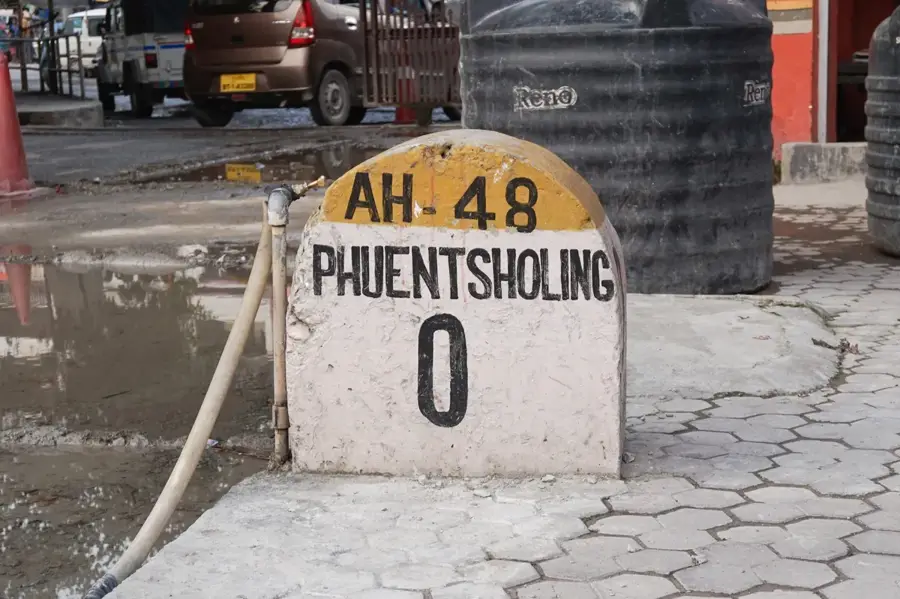
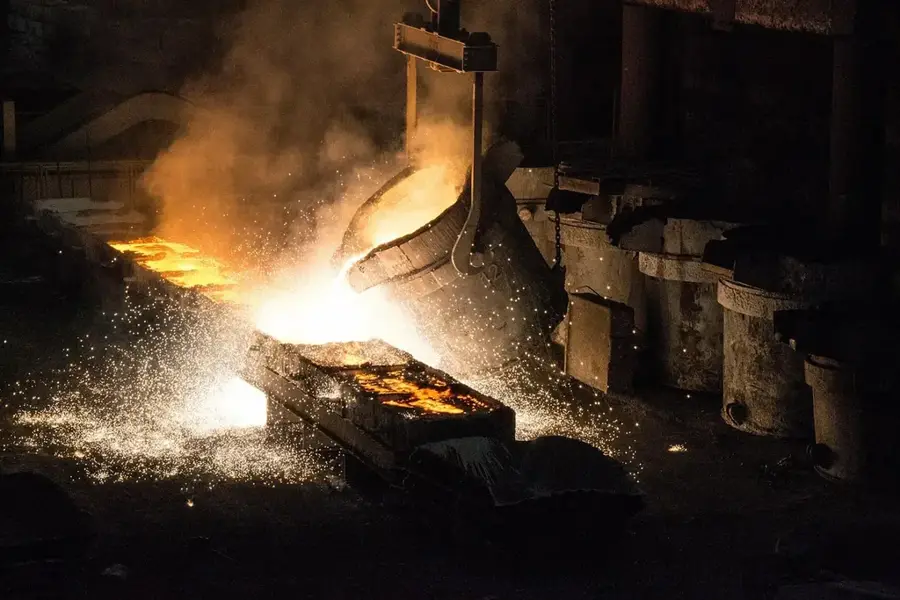
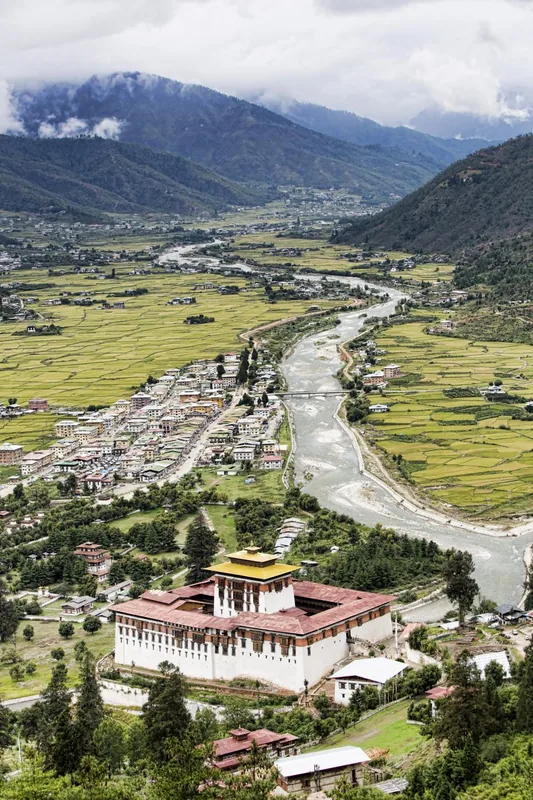
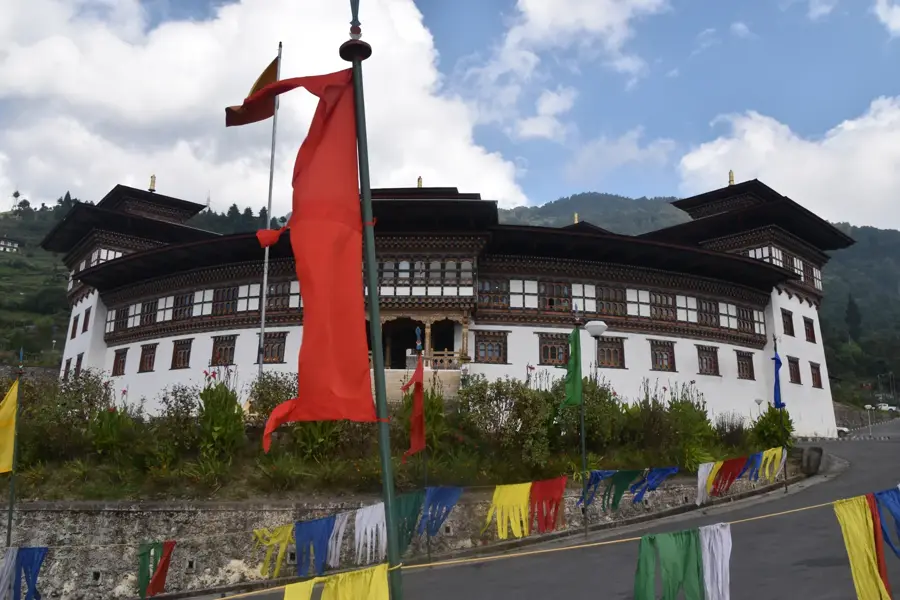
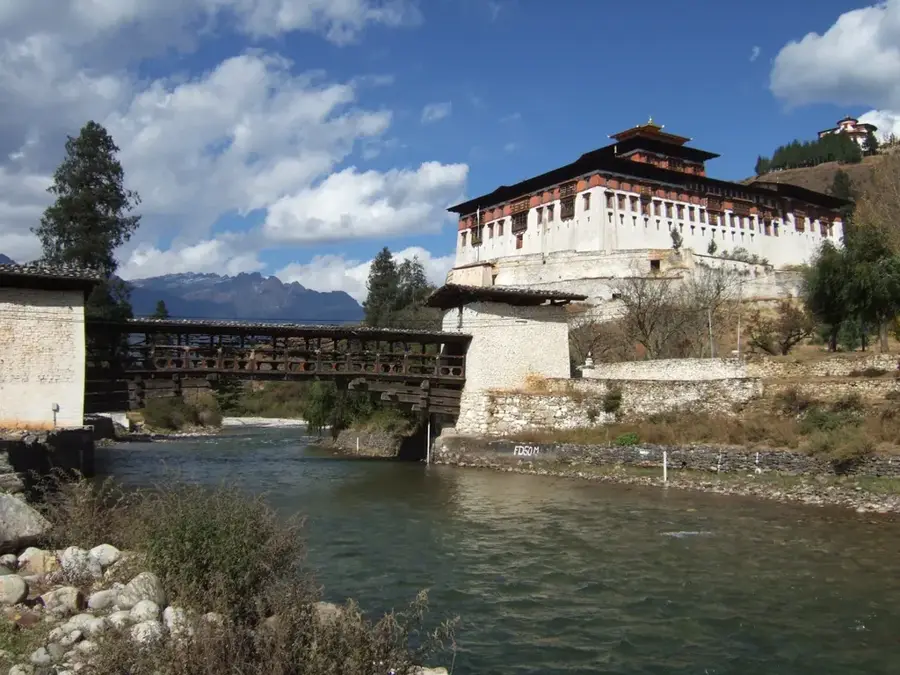
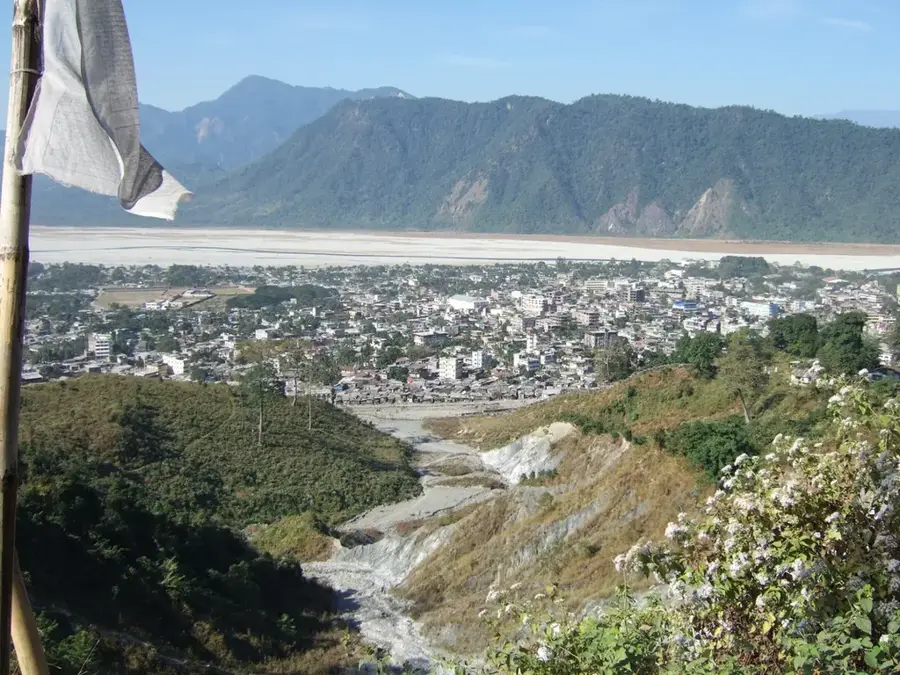
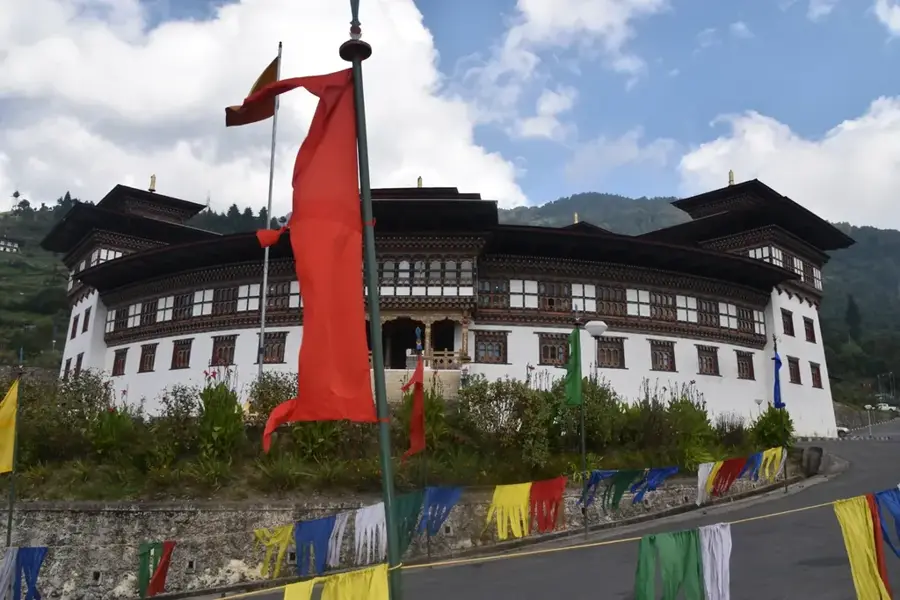
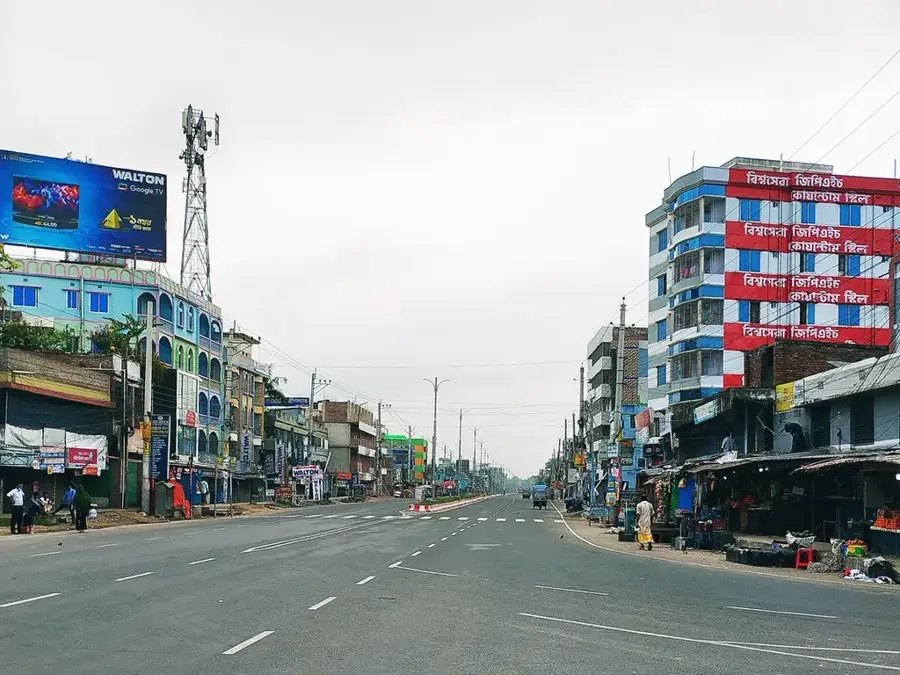
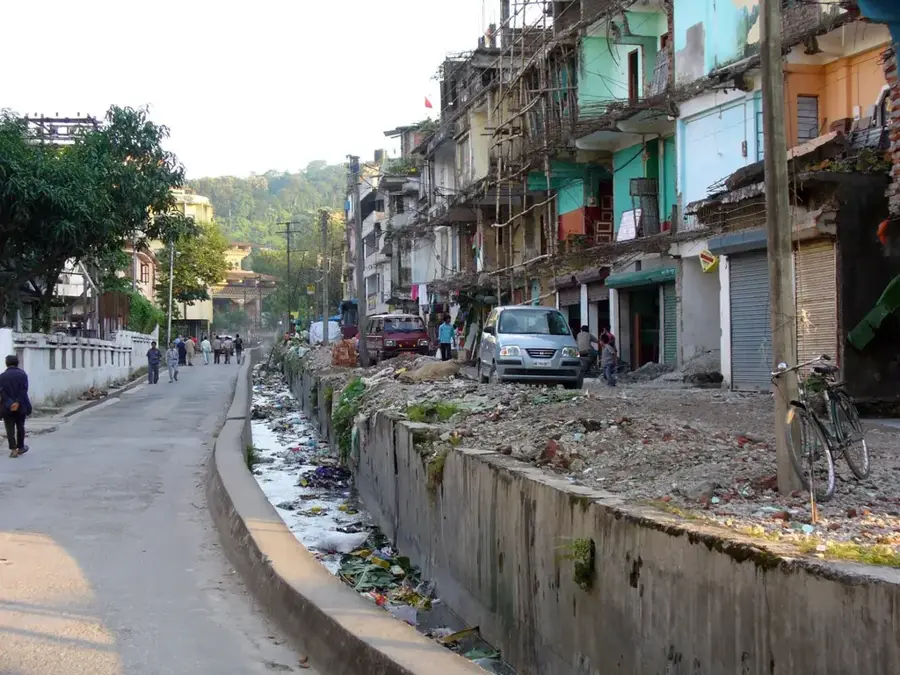
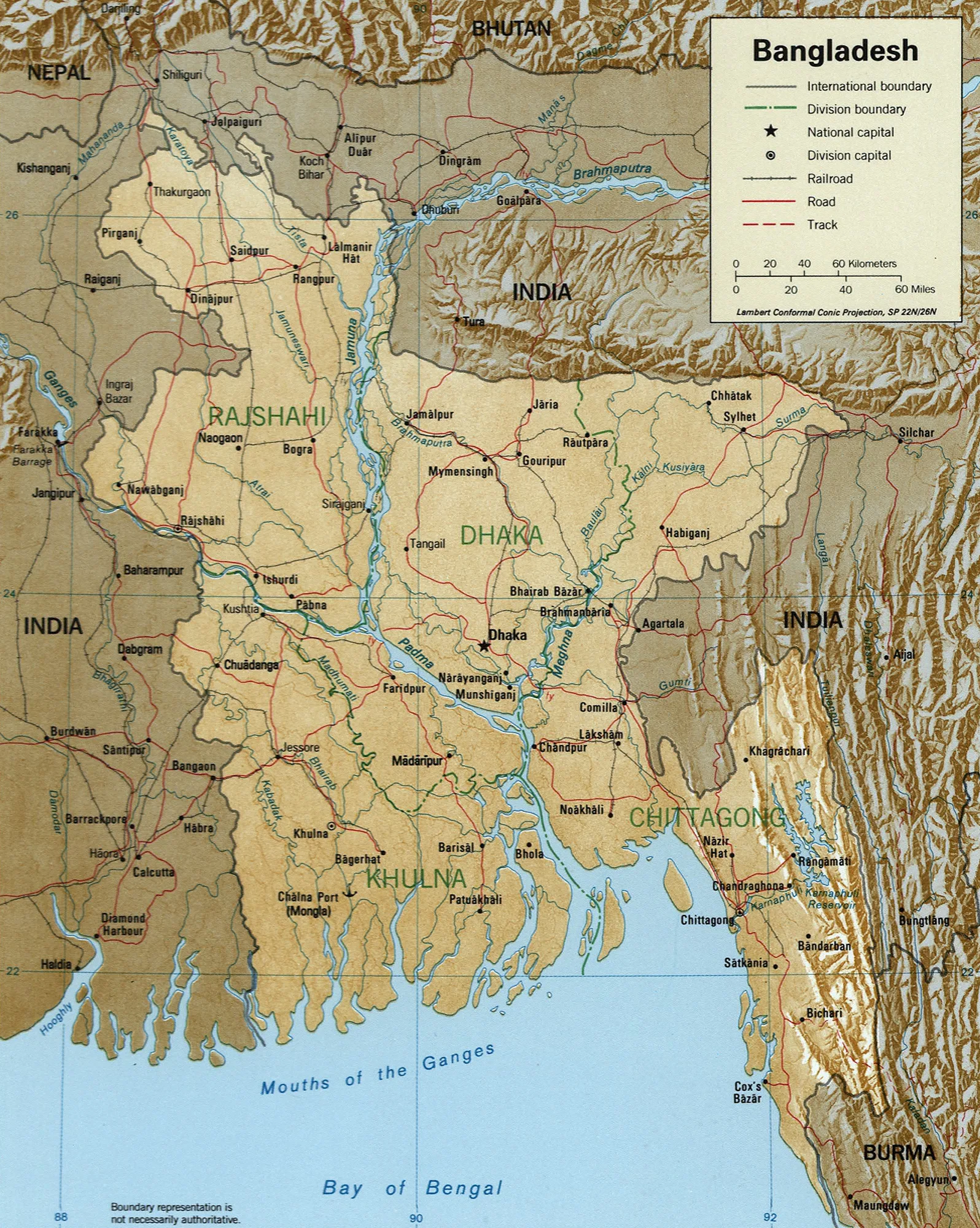
Phuntsholing is located in southwestern Bhutan on the border with India, at an elevation of about 300 meters. With a population of approximately 27,000, it is Bhutan's second-largest city and its principal commercial gateway. The city has a subtropical climate, with hot summers and mild winters. Unlike other Bhutanese towns, Phuntsholing features modern architecture due to its trade-oriented character. It is an important industrial center, hosting the Phuntsholing Cement Plant, which produces over 200,000 tonnes annually, and various food processing units. The bustling border market gives a mix of Bhutanese and Indian goods. Key landmarks include the Zangtopelri Park and the Karbandi Monastery, built in 1967. Phuntsholing is the primary entry point for travelers arriving from India, with a direct bus service to Thimphu. The city's economy relies heavily on cross-border trade, with Bhutan importing necessities like fuel and construction materials through this checkpoint.
- Location: Bhutan
- Nearby: Haa (11 km)
- Population: ~27.658 (2023)
Best time to visit & climate
The most pleasant time to visit is Apr, Oct, Nov.
| Jan | Feb | Mar | Apr | May | Jun | Jul | Aug | Sep | Oct | Nov | Dec | |
|---|---|---|---|---|---|---|---|---|---|---|---|---|
| Avg °C | 8 | 10 | 13 | 16 | 18 | 20 | 20 | 20 | 19 | 16 | 13 | 9 |
| Rain mm | 5 | 13 | 36 | 91 | 173 | 263 | 397 | 304 | 239 | 92 | 5 | 3 |
Geography
Facts
- Elevation: approx. 300 m.
- Population: approx. 27,000.
- Annual cement plant output: >200,000 tonnes.
- Construction year of Karbandi Monastery: 1967.
- Distance to Thimphu: approx. 175 km.
- Average July temperature: 30 °C.
Explore nearby
Notable places around
Route planner — Car & Motorhome
Where do you start? We build the route here, with stops and country notes along the way.
© OpenStreetMap contributors · OpenRouteService
Sights in the town Phuntsholing (1)
Frequently asked questions
What is the role of Phuntsholing?
Do I need a visa to cross the border?
What is the climate like there?
What can you see in the city?
How long should I stay?
Phuntsholing: where is it located?
Phuntsholing: when is the best time to visit?
Phuntsholing: why is it worth visiting?

Nearby cities
History & landmarks
Nature
More places