Plizio Visual Lab

Meuse Valley
Plizio editorial teamData Sources
valley
—°4
Meuse Valley (Belgium)

Weather…

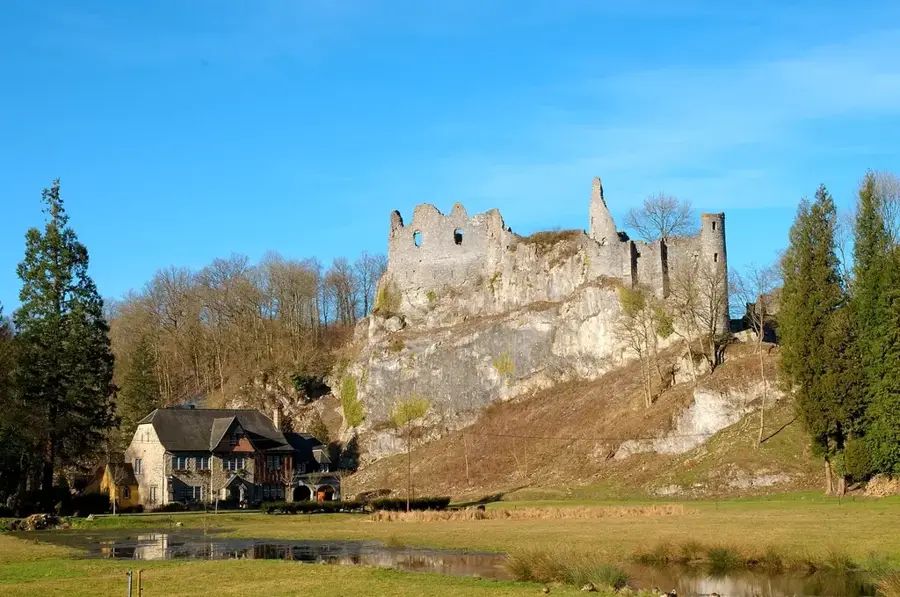
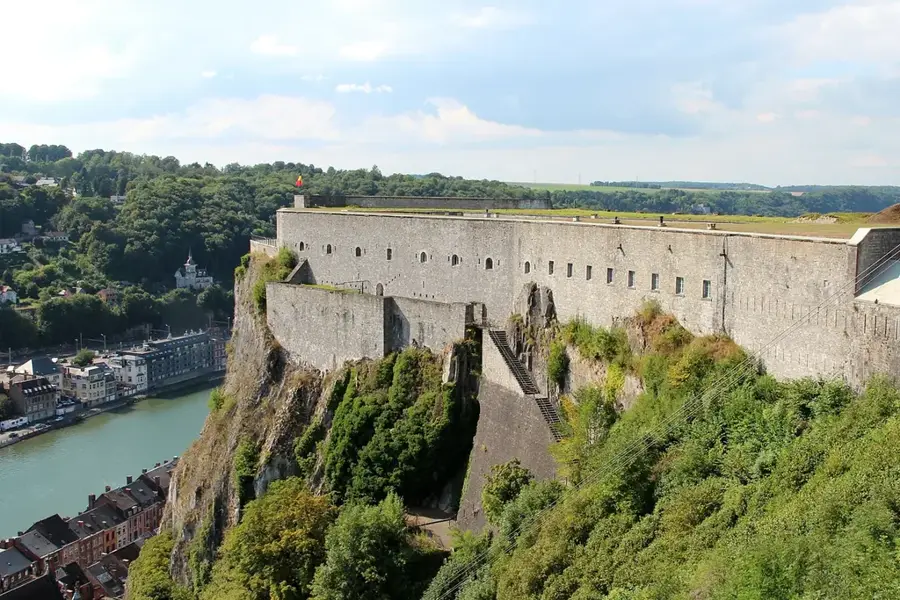
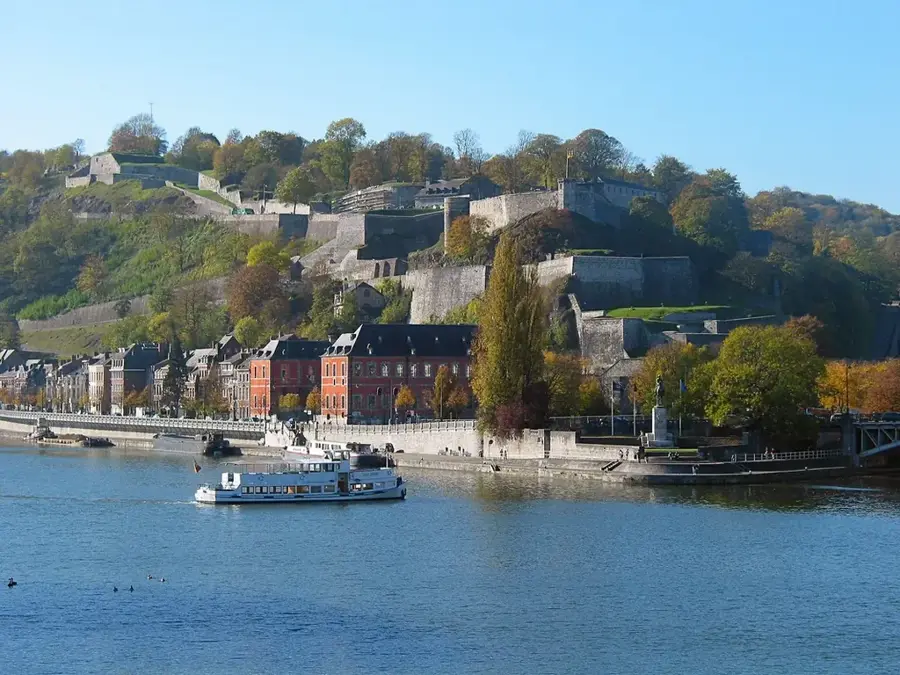
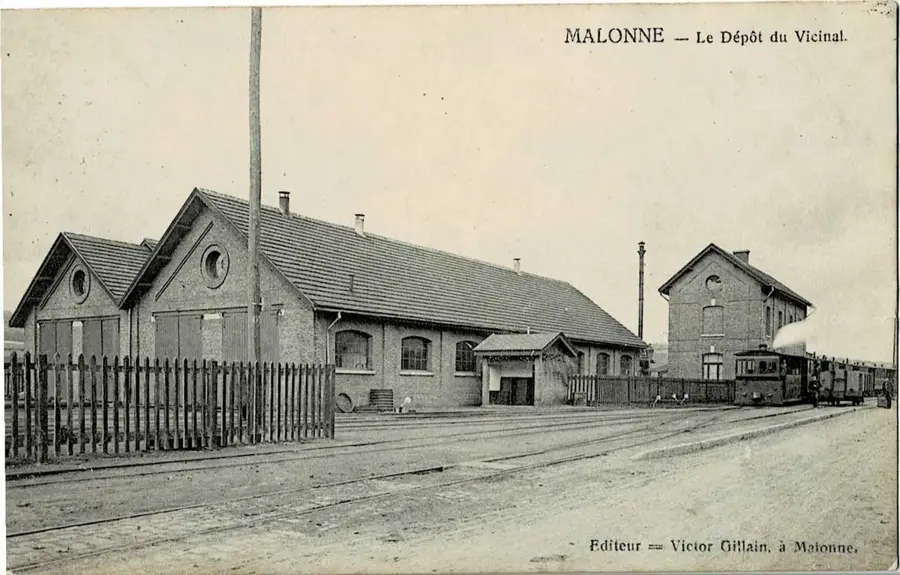
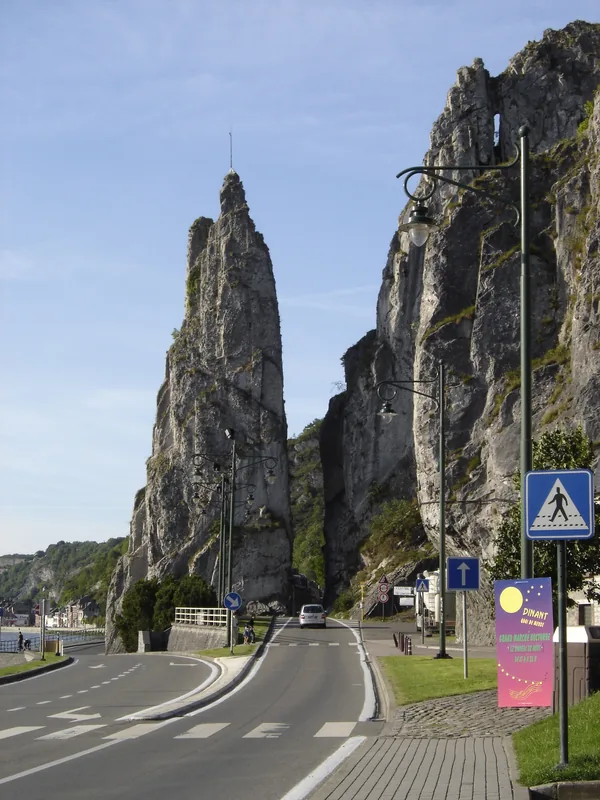
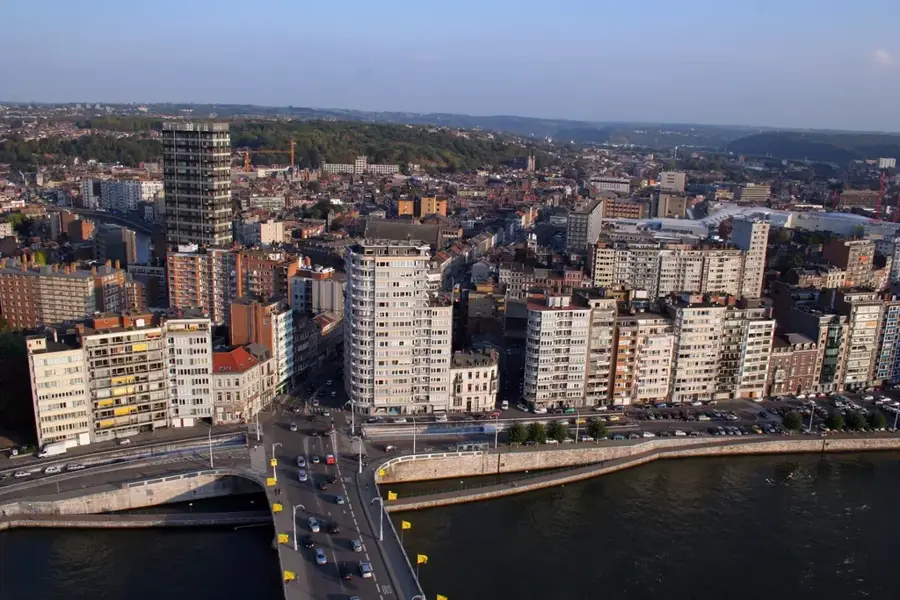
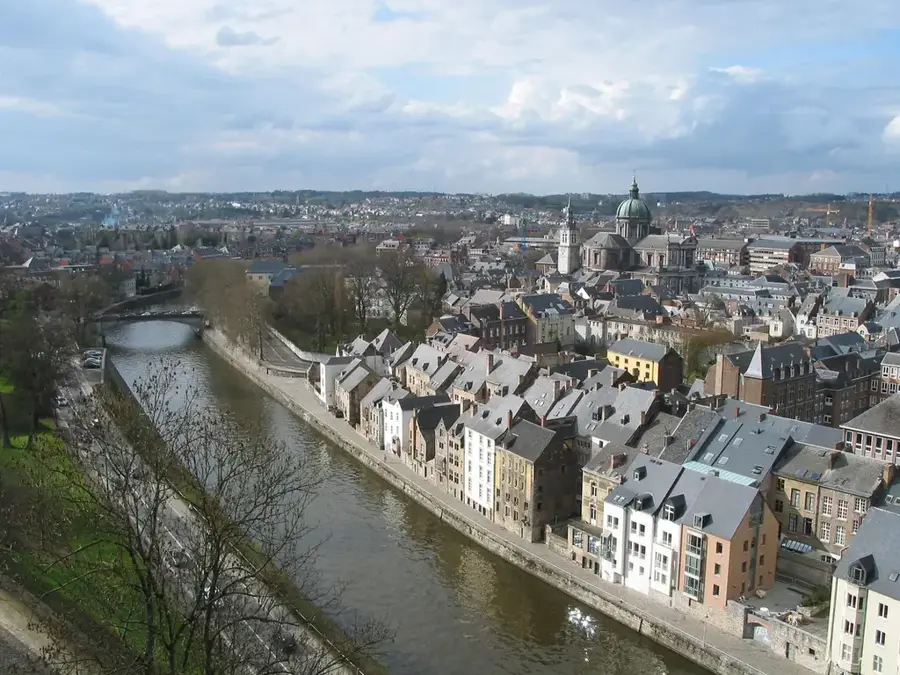
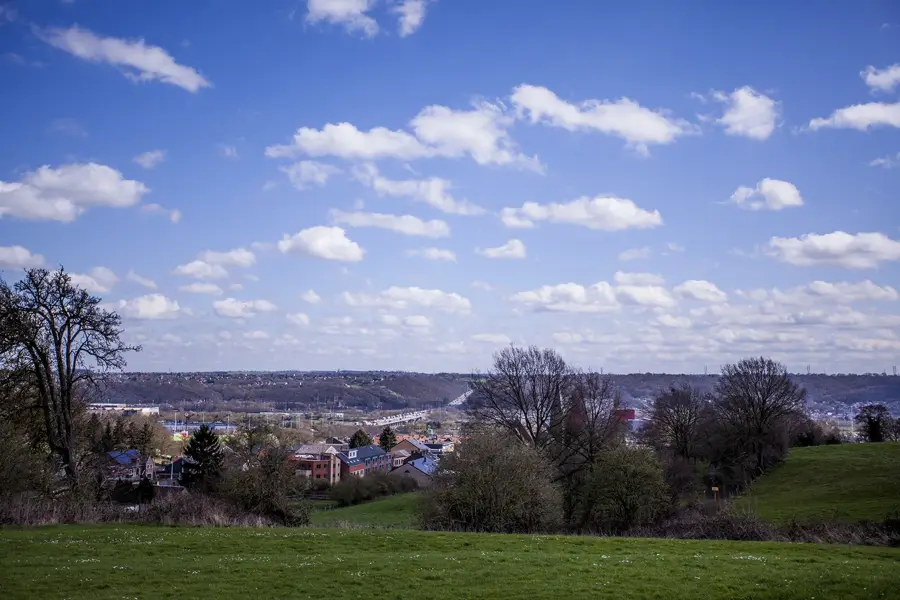
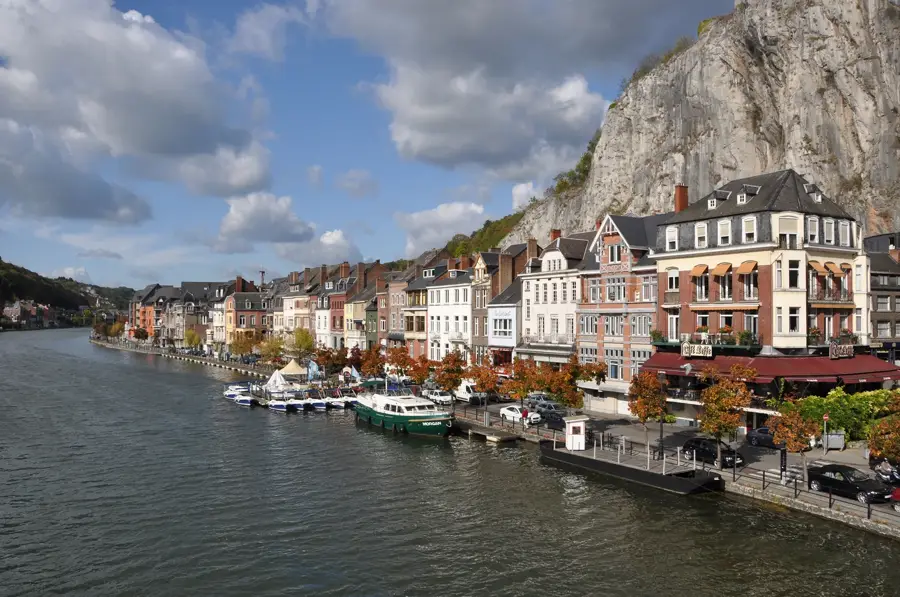
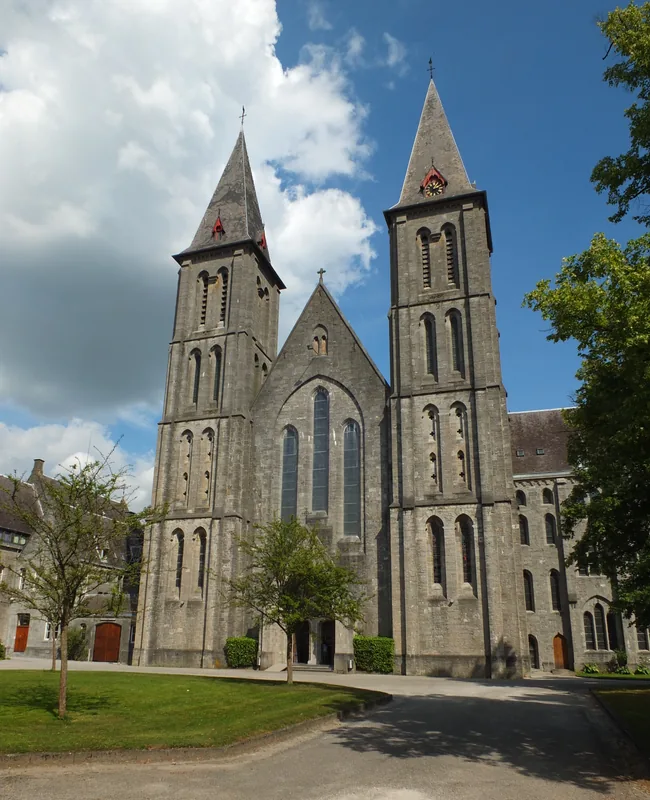
The Meuse Valley is a definitive geographic and industrial corridor in Belgium, stretching from the French border at Hastière to the Dutch border near Maastricht. Over millennia, the Meuse River has carved a deep channel into the Devonian limestone of the Ardennes Plateau, creating iconic cliffs such as the Rochers de Freÿr. Geologically, the valley marks a sharp transition between the low-lying central plains and the rugged highland of Upper Belgium. Historically, it was a strategic lifeline and the site of Continental Europe's earliest Industrial Revolution, with cities like Liège and Namur becoming global centers for steel and glass production. Today, the valley is a major tourist destination, renowned for its dramatic citadels in Dinant and Namur, as well as its historic abbeys and photogenic waterfronts. The river remains one of Europe's busiest commercial waterways, vital for connecting the Port of Rotterdam to inland industrial hubs. Its steep, sun-exposed limestone slopes also support unique calcicolous flora and provide some of the best rock-climbing terrains in Northern Europe.

Best time to visit & climate

The most pleasant time to visit is Jun–Aug.

JanFebMarAprMayJunJulAugSepOctNovDec
Avg °C225913161818141063
Rain mm756662456568738255647282

📋 Practical info

🧭
Getting there
The majestic Meuse Valley in southern Belgium is typically explored via scenic roads that closely follow the river's course. Namur and Dinant serve as excellent hubs to venture deeper into this truly beautiful region.
📅
Best season
The valley is at its absolute best in spring and summer when the steep limestone cliffs are framed by lush greenery. Autumn brings colorful foliage that forms a visually striking contrast against the massive, grey rock faces.
⛰️
Terrain & paths
The relief is quite dramatic, characterized by deep cuts in the plateau and steeply rising, sheer rock walls. Those wishing to reach the high viewpoints must be prepared for sometimes steep and demanding physical ascents.
🎒
What to bring
If you plan to explore the plateau beyond the riverbanks, well broken-in hiking boots are absolutely indispensable. A daypack stocked with sufficient provisions is highly recommended for the longer hikes up at altitude.
🅿️
Parking
Parking options are mostly found in the larger towns in the valley or at special viewpoints along the main driving routes. From there, marked trails lead visitors high up to the cliffs or down along the river.
⚠️
Safety
There is an acute risk of falling at the unsecured edges of the limestone cliffs, making a safe distance essential. During rain, the steep and rocky paths can become very slippery, requiring heightened concentration and caution.
⏱️
Time needed
At least three hours should be planned to explore the valley along with a hike up to the high, panoramic viewpoints. A comprehensive tour of this spectacular region will easily fill an entire weekend itinerary.

Geography

Coordinates
50.35500, 4.88500

Facts

  • River course: Flows through the provinces of Namur and Liège
  • Geology: Deep gorge cut into Devonian limestone
  • Industry: Heart of the early Continental Industrial Revolution
  • Fortifications: Home to the citadels of Dinant and Namur
  • Transport: Key inland waterway for European freight
  • Ecology: Features the highest limestone cliffs in Belgium (Freÿr)

Explore nearby

Notable places around
Route planner — Car & Motorhome

Where do you start? We build the route here, with stops and country notes along the way.

Vehicle
Only stops with (optional):

© OpenStreetMap contributors · OpenRouteService

Sights in the town Meuse Valley (4)

Château d'Annevoie🏰 castle

Château d'Annevoie in the Meuse Valley is a castle famous for its extensive water gardens.

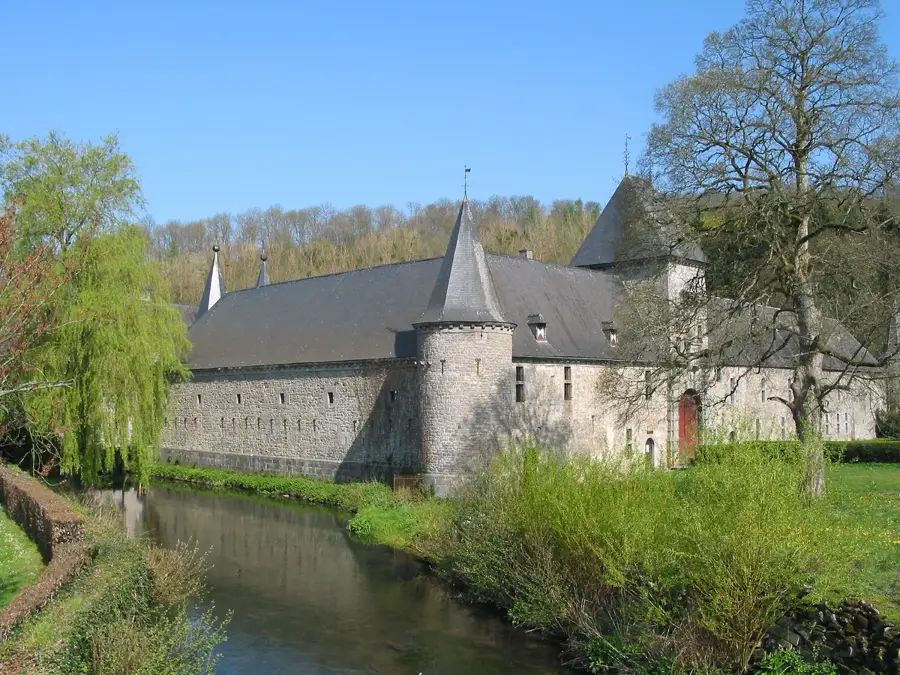
Château de Ronchinne🏰 castle

Château de Ronchinne is a historic castle in the Meuse Valley, now serving as a hotel.

Musée Archéologique de la Haute-Meuse🏛 museum

This archaeological museum in the Meuse Valley displays finds from the Upper Meuse region.

Château de Rivière🏰 castle

A 1777-built castle in the Meuse Valley.

Sights nearby

Frequently asked questions

Where is the Meuse Valley located?
It stretches from the French border through Dinant and Namur to Liège.
What are the most striking features of the valley?
Steep limestone cliffs, citadels, and scenic river bends.
Can you go boating on the Meuse?
Yes, excursion boats run regularly in Dinant and Namur.
Which citadel is the most famous?
The Citadel of Dinant, perched high on a rock above the river.
Are there cycle paths along the riverbank?
Yes, the RAVeL path runs flat along the Meuse through the entire valley.
Meuse Valley: where is it located?
Meuse Valley is located in Belgium.
Meuse Valley: what is there to see?
Highlights include Château d'Annevoie, Château de Ronchinne, Musée Archéologique de la Haute-Meuse.
Meuse Valley: when is the best time to visit?
The most pleasant time to visit is Jun, Aug.
Meuse Valley: why is it worth visiting?

The Meuse Valley is a definitive geographic and industrial corridor in Belgium, stretching from the French border at Hastière to the Dutch border near Maastricht.
View on map → The Top 50 Attractions → OpenStreetMap →
Europe
Explore with Plizio Discover more places in Europe
More places in Belgium →

Nearby cities

History & landmarks

More places